
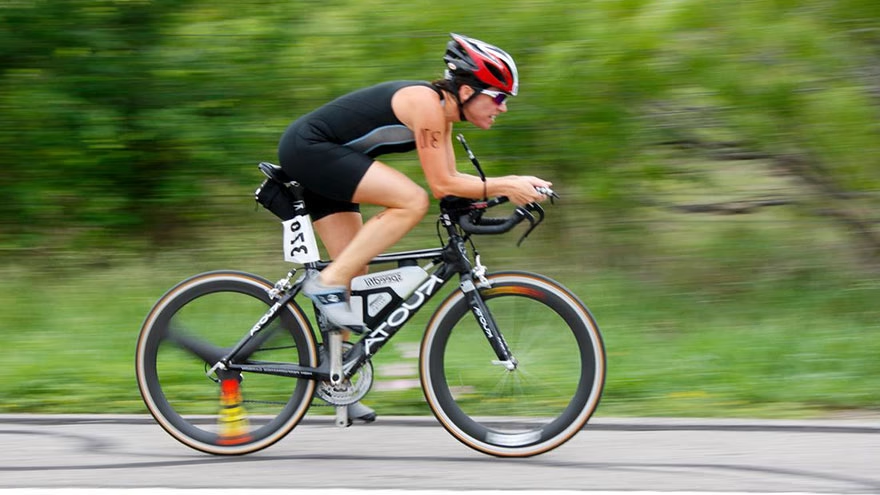
Calories Depend on Effort, Not Just the Activity Name
Walking vs. bicycle riding calorie count comparisons can be misleading when they ignore pace, hills, wind, body weight, and duration. A slow ride on flat ground may burn less than a brisk uphill walk. A hard cycling session can outpace a casual stroll quickly.
The better question is which activity you can do often, safely, and hard enough for the goal. Calories matter for some goals, but consistency usually decides the outcome.
Walking and cycling are both useful cardio tools. They simply stress the body in different ways.
Body Weight and Pace Change the Math
Heavier bodies usually burn more calories doing the same movement because moving mass takes more energy. Faster pace also raises the cost. That is true for both walking and cycling.
Harvard Health's calorie table shows how body weight and activity intensity change estimated calories for walking and stationary cycling. The numbers are estimates, but they make the main point clear: intensity and body size matter.
For intensity context, Livecub's What Are Basic Aerobic Steps? can help readers connect calorie estimates with simple cardio effort.
Walking Is Simple and Repeatable
Walking has a low barrier. You need shoes, a safe route, and time. It can fit into errands, breaks, family routines, and recovery days. For many people, that makes it easier to repeat than a formal workout.
A slow walk is still movement, but a calorie-focused walk usually needs pace, time, or terrain. Brisk walking, hills, stairs, and longer routes all raise the demand.
Walking is easy to underestimate. A habit of daily brisk walks can do more than occasional intense workouts that disappear after two weeks.
Cycling Can Raise Output With Less Impact
Bicycle riding can burn calories efficiently because the legs work continuously and speed can rise quickly. Outdoor riding adds wind, hills, traffic, and handling. Indoor cycling gives more control over resistance and duration.
Cycling is often easier on the joints than running, but it is not automatic comfort. A poor bike fit can bother knees, hips, wrists, neck, or low back.
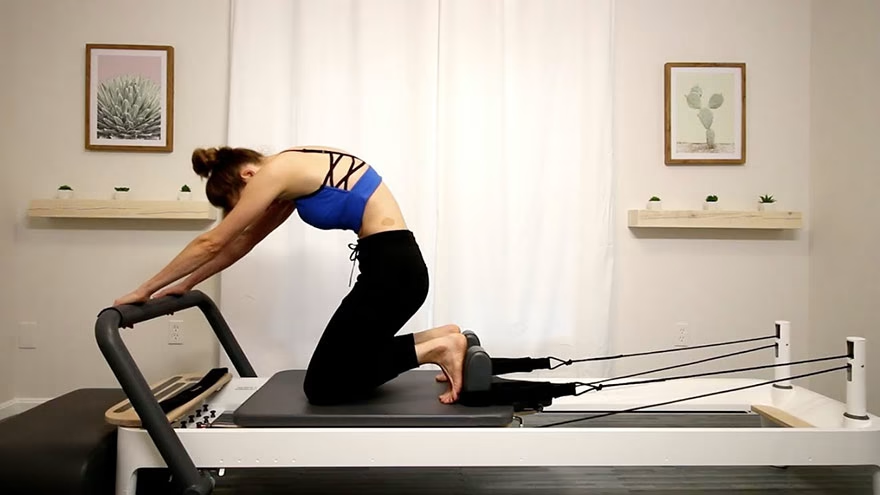
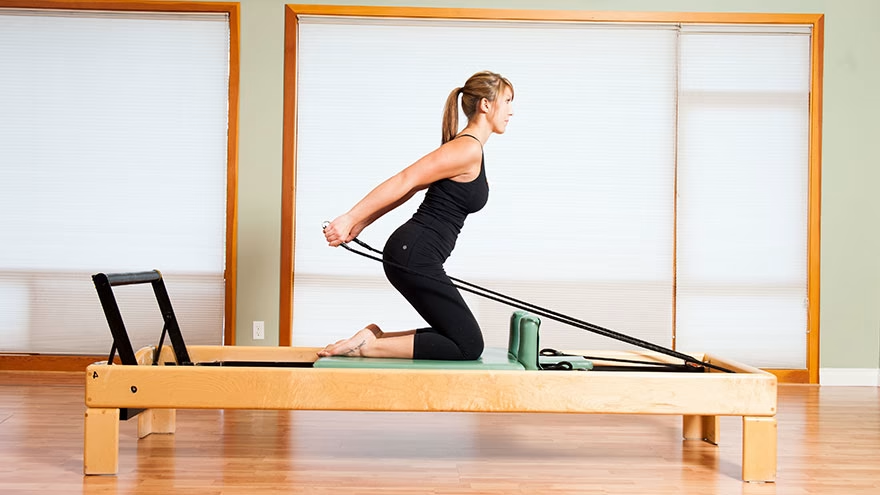
If you like equipment-based fitness, Livecub's How to Use a Jump Board on the Pilates Reformer is a different example of how setup changes the body demand.
Terrain Changes Both Activities
A flat sidewalk and a steep trail are not the same walk. A bike ride with a tailwind and a ride into wind are not the same ride. Hills change heart rate, breathing, and muscle fatigue.
If calorie burn is the goal, terrain can help, but it should be added gradually. Too many hills too soon can irritate calves, knees, hips, or low backs.
Terrain is a progression tool. Use it after the basic habit is stable.
Duration Can Beat Intensity
A hard 12-minute ride may feel dramatic, but a 45-minute walk may burn more total calories depending on the effort. Total work comes from intensity multiplied by time.
The CDC's adult physical activity guidance recommends weekly aerobic activity, with 150 minutes of moderate-intensity work as a common target. Both walking and cycling can contribute if done at the right effort.
For basic cardio variety, Livecub's What Are Basic Aerobic Steps? can fill gaps on bad-weather days when neither walking nor cycling feels practical.
Use the Talk Test
The talk test helps compare effort across activities. During moderate intensity, you can speak in sentences. During vigorous intensity, talking becomes limited to a few words.
Mayo Clinic's exercise intensity guide explains both target heart rate and perceived effort. That is useful because watches and calorie counters can be wrong.
A ride that looks easy on paper may be vigorous if the hill is steep. A walk may be moderate if the pace is brisk and the route climbs.
Compare Time You Will Actually Spend
Cycling may cover more distance in the same time, but it can require bike setup, helmet, weather checks, traffic planning, and storage. Walking usually starts faster.
Preparation time counts. A 40-minute ride that takes 20 minutes to prepare may not fit a lunch break. A 25-minute walk may happen more often because the barrier is low.
For calorie goals, the activity that happens four times a week often beats the activity that looks better on a chart but rarely leaves the garage.
Choose by Joint Comfort and Access
Walking loads the bones and can support bone health, but it may bother feet or knees for some people. Cycling reduces impact, but it requires a bike, helmet, route, weather plan, or indoor setup.
If balance, traffic, or equipment is a concern, walking may be safer. If joint impact limits walking volume, cycling may help build aerobic time.
For another outdoor conditioning option, Livecub's Benefits of Running Bleachers shows how terrain-based work can raise intensity, though it should be used carefully.
Think About Muscles, Not Only Calories
Walking and cycling train the legs differently. Walking asks more from the calves, feet, hips, and postural muscles. Cycling keeps the body supported and emphasizes repeated leg drive through the pedals.
Neither activity replaces full strength training. Add simple resistance work for hips, legs, back, and upper body if fitness is the broader goal.
Calories are only one result. Joint comfort, mood, stamina, and strength balance also matter.
Use Both for a Better Week
You do not have to choose one forever. Walking can be the daily base. Cycling can be the longer weekend session or the low-impact cardio day. Mixing them reduces boredom and spreads stress across the body.
A practical week might include three brisk walks and two bike rides. Another might use walking for recovery and cycling for harder intervals. The right mix is the one your body and schedule can repeat.
Use Weather as a Planning Variable
Heat, cold, wind, and rain change both activities. Wind can make cycling much harder than expected. Heat can make a normal walk feel unusually demanding.
Plan indoor backups before weather ruins consistency. Marching, step patterns, stationary cycling, or a mall walk can keep the habit alive.
Use Perceived Effort on Mixed Routes
Outdoor routes make calorie comparisons messy. A cycling app may show speed, but wind and stops can change effort. A walking route may look easy until the final hill raises breathing.
Rate the session from one to ten after finishing. Easy recovery might be a three or four. Moderate work might be a five or six. Hard work might be a seven or eight.
Effort notes give context to calorie numbers. They help you see why one ride burned less than expected or one walk felt harder than the route looked.
Choose Based on Appetite and Recovery Too
Some people feel hungrier after cycling. Others feel hungrier after long walks. Appetite response can affect weight goals as much as the workout itself.
Plan a meal or snack that supports the activity without turning exercise into a reason to graze all day. Protein, fiber, and fluids usually help more than guessing.
If either activity leaves you sore for several days, reduce duration or intensity before adding more.
Think About Safety and Skill
Walking has fewer skill barriers, but route safety still matters. Sidewalks, lighting, traffic, dogs, ice, and uneven pavement can change the risk.
Cycling adds more skill: braking, shifting, turning, watching traffic, and maintaining the bike. A helmet, lights, and a route that matches your confidence matter as much as calorie math.
Safe repetition beats risky intensity. Choose the option you can do often without feeling exposed or rushed. The best calorie plan still needs a route you trust and a body that recovers, adapts, and stays willing next week too. That is how exercise becomes a normal habit.
Calorie counts are estimates. Useful exercise is the movement that fits real life well enough to become a pattern.
Frequently Asked Questions
Does cycling burn more calories than walking?
It can, especially at higher intensity, but a long brisk walk may beat a short easy ride. Duration and effort decide the result.
Is walking better for beginners?
Often yes because it is simple and accessible. Cycling may be better if joint impact makes walking uncomfortable.
Should I trust calorie counters?
Use them as estimates, not exact truth. Heart rate, pace, body weight, terrain, and device accuracy all affect numbers.
Can I use both walking and cycling?
Yes. Using both can improve consistency, reduce boredom, and spread training stress across different movement patterns.

Linda Fehrman
Edits general wellness and relationship explainers. Health material is educational, avoids diagnosis and links to health-authority guidance.

Leave a reply
Replying to