
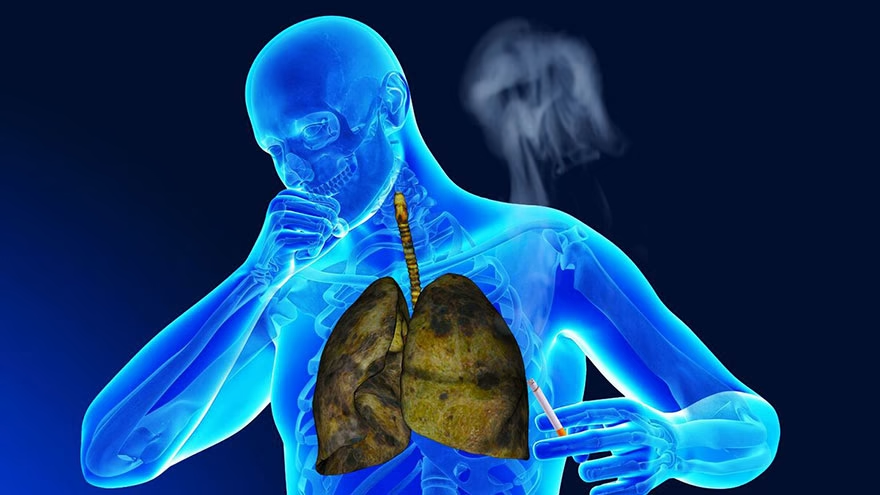
What Is COPD Respiratory Failure? It is a serious state where damaged lungs cannot move oxygen into the blood well enough, remove carbon dioxide well enough, or both. In COPD, this can happen slowly over time or suddenly during an exacerbation.
This is general health education, not medical advice. Severe shortness of breath, blue lips, confusion, chest pain, fainting, or trouble staying awake needs urgent medical care.
COPD Basics
COPD includes chronic bronchitis and emphysema. The CDC explains COPD basics as a long-term lung disease that makes breathing hard and often worsens over time.
COPD respiratory failure is not just feeling winded. It means gas exchange is failing enough to require medical evaluation and often oxygen, ventilation support, or hospital care.
Oxygen And Carbon Dioxide
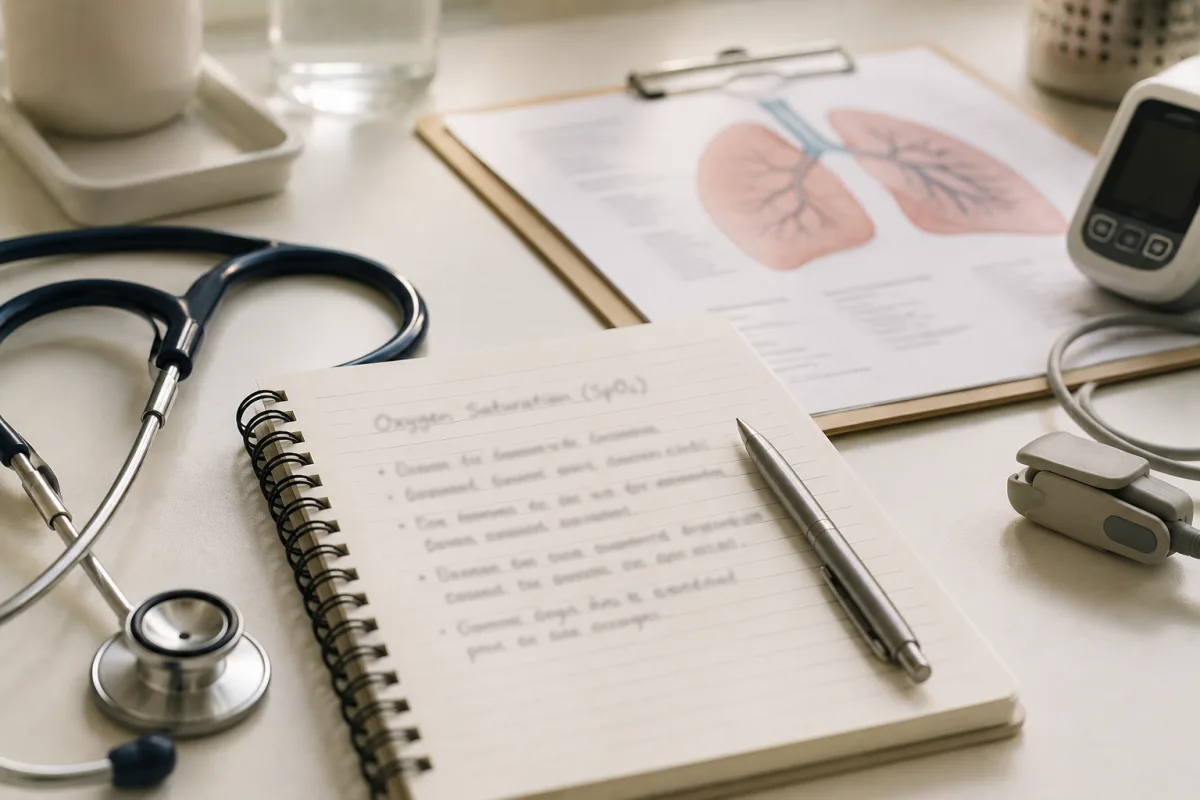
Respiratory failure can mean low oxygen, high carbon dioxide, or both. COPD can trap air, weaken breathing muscles, and make each breath less effective.
High carbon dioxide can cause headache, sleepiness, confusion, and in severe cases loss of consciousness. Low oxygen can strain the heart and brain.
Acute Versus Chronic
Some people live with chronic respiratory failure and use long-term oxygen. Others develop acute respiratory failure during infection, smoke exposure, pneumonia, heart strain, or a COPD flare.
NHLBI's COPD health page explains symptoms, causes, and treatment basics that set the stage for these complications.
Warning Signs
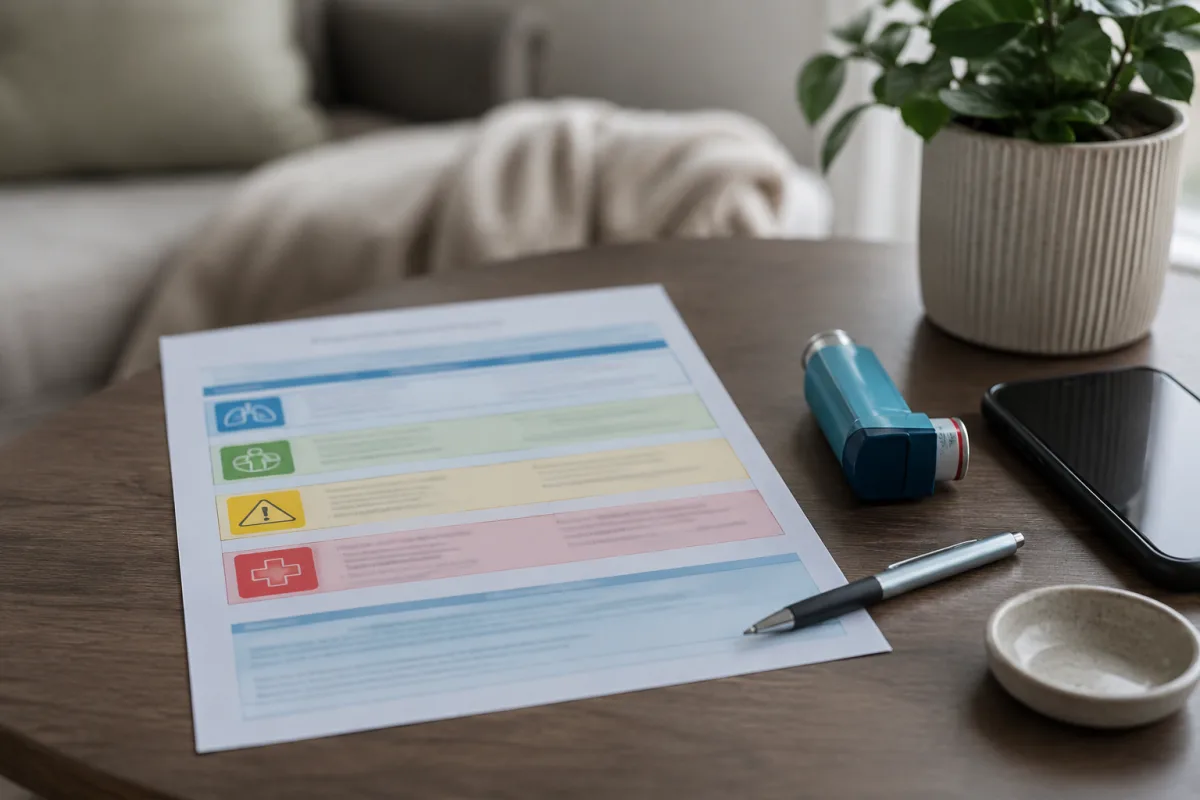
Call for urgent help if breathing is suddenly worse, rescue medicine is not helping, lips or fingernails look blue, speech is difficult, or confusion appears.
Do not drive yourself to care during severe breathing trouble. Emergency teams can give oxygen and treatment on the way.
Exacerbations
A COPD exacerbation is a flare of worse symptoms. It may involve more cough, mucus, wheeze, fatigue, fever, or breathlessness.
Action plans help patients know when to use rescue medicine, call the clinic, or seek emergency care. Ask your clinician for one in writing.
Testing
Clinicians may use pulse oximetry, arterial blood gas testing, chest imaging, lung function tests, ECG, blood work, and infection testing.
Numbers matter, but the patient's appearance matters too. A person can look dangerously tired even before every test is back.
Oxygen Therapy
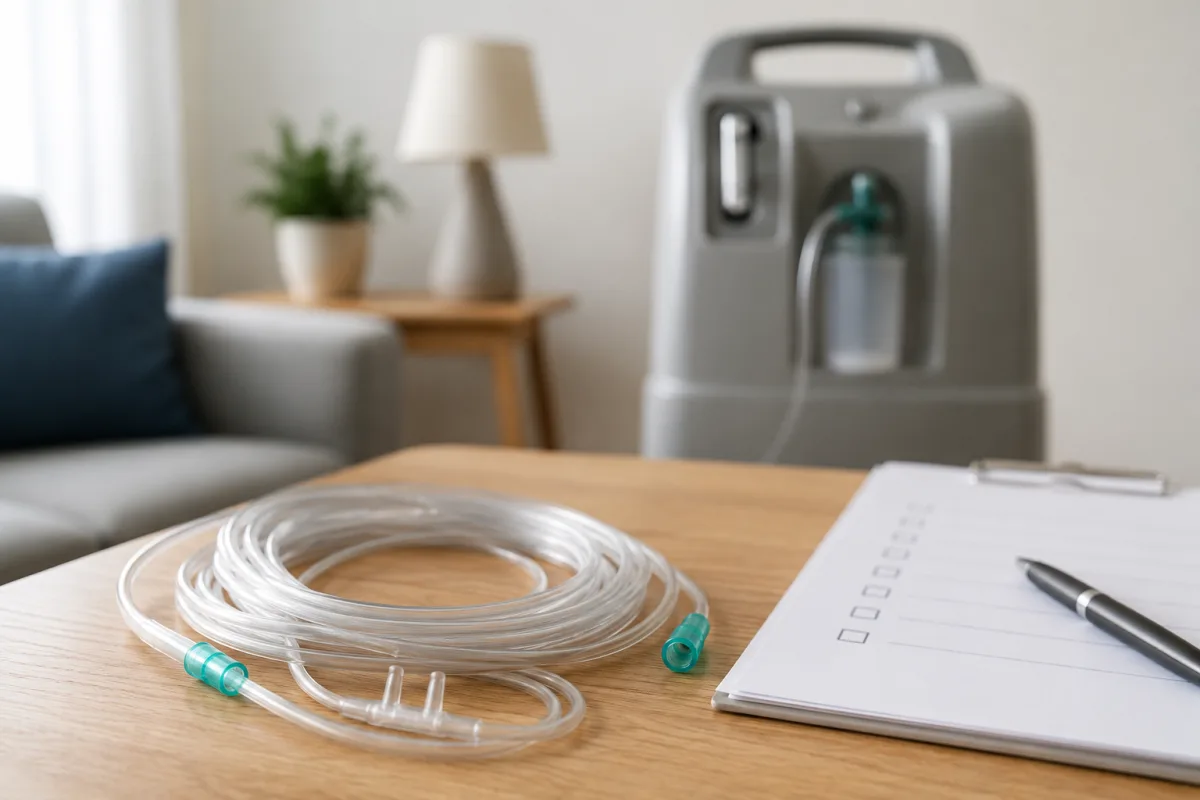
Oxygen can be lifesaving for people who qualify, but it must be prescribed and used as directed. Too much or too little can be risky in COPD.
Never change flow settings without instructions unless an emergency plan tells you exactly what to do.
Ventilation Support
Some people need noninvasive ventilation such as BiPAP. Others may need a breathing tube in severe cases.
These decisions depend on oxygen, carbon dioxide, mental status, infection, fatigue, and goals of care.
Medicines
Treatment may include inhalers, nebulizers, steroids, antibiotics, diuretics, vaccines, pulmonary rehab, oxygen, and smoking cessation support.
Bring all inhalers to appointments so the clinician can check technique. Poor technique can make a good medicine look ineffective.
Daily Tracking
Track breathlessness, rescue inhaler use, mucus color, fever, sleepiness, weight changes, and oxygen readings if prescribed.
Livecub's food journal article is not about COPD, but the habit of tracking patterns can apply to symptoms and triggers too.
Older Adults
COPD respiratory failure can reduce independence. Family support may involve rides, medicine organization, nutrition, oxygen safety, and appointment notes.
Livecub's motivating elderly adults article may help caregivers think about support without nagging.
Anxiety And Breathing
Shortness of breath can trigger panic, and panic can make breathing feel worse. That does not mean symptoms are imaginary.
If fear of symptoms limits activity, Livecub's stage fright article is not COPD care, but it covers body alarm feelings in a different setting.
Prevention
Vaccination, avoiding smoke, using prescribed inhalers, pulmonary rehab, hand hygiene, and early care for infections can reduce some risk.
A prevention plan should be written for the person, not copied from another patient.
Home Warning Plan
A COPD action plan should name usual symptoms, daily medicines, rescue medicines, oxygen instructions, and the signs that mean call now.
Keep the plan where family can find it. During respiratory distress, nobody should be searching through a drawer for instructions.
Pulse Oximeter Limits
A home pulse oximeter can be useful if your clinician recommends it, but it is not perfect. Cold fingers, nail polish, movement, and poor circulation can affect readings.
A number should be read with symptoms. A person who is confused or gasping needs help even if a device seems reassuring.
Carbon Dioxide Clues
High carbon dioxide may cause morning headaches, flushed skin, sleepiness, confusion, or worsening fatigue. These signs can be subtle at first.
Report changes in alertness quickly. Family members often notice mental status changes before the patient does.
Oxygen Safety
Oxygen supports breathing, but it also changes fire risk. Keep oxygen away from smoking, flames, candles, gas stoves, and sparks.
Ask the oxygen supplier for written safety rules and make sure visitors follow them too.
Pulmonary Rehab
Pulmonary rehab teaches breathing techniques, activity pacing, exercise, and education. It can help people feel more capable even when COPD is not curable.
Ask about referral after a hospitalization or when activity is shrinking.
Nutrition And Strength
Breathing takes energy. Some people with COPD lose weight and muscle; others gain weight because movement becomes harder.
Ask about nutrition support if meals, appetite, or strength are changing. Better fuel can make daily activity less draining.
Goals Of Care
Severe COPD can bring hard choices about hospital care, ventilation, and comfort. These talks are better before a crisis.
A goals-of-care conversation does not mean giving up. It means the team knows what the patient would want if breathing worsens.
Hospital Discharge
After a hospital stay, ask what changed: new inhalers, oxygen settings, follow-up dates, warning signs, and who to call after hours.
Discharge papers can be dense. Before leaving, ask the nurse to point out the action steps, not only the diagnosis list.
Caregiver Notes
Caregivers should know the normal breathing pattern, usual oxygen plan, rescue medicine location, and signs of confusion or severe fatigue.
They should also know when not to argue. A person in respiratory distress may be scared, irritable, or too tired to explain.
Smoking And Air Quality
Smoke exposure, wildfire smoke, dust, fumes, and strong odors can worsen breathing for some people with COPD. Avoiding triggers is part of daily care.
Check air quality alerts if symptoms change during smoke or pollution events, and ask the clinician what precautions fit the person's condition.
Pacing Activity
Pacing means breaking activity into smaller parts, sitting for tasks, and resting before severe breathlessness arrives.
This is not laziness. It is energy management for lungs that have to work harder than healthy lungs.
Breathing Positions
Some people breathe easier sitting upright, leaning slightly forward, or resting arms on a table. These positions can reduce the work of breathing for a moment.
They are comfort tools, not treatment for severe respiratory failure. Use them while following the action plan or waiting for help.
Infection Signs
Infections can push COPD into a dangerous flare. Fever, thicker mucus, color change, chills, chest discomfort, or sudden fatigue should be reported according to the plan.
Early treatment may prevent a manageable flare from becoming a hospital crisis.
Medication Technique
Inhalers and nebulizers only help if used correctly. Ask for a demonstration and have the patient show the technique back.
Spacers, timing, cleaning, and breath pattern can all affect how much medicine reaches the lungs.
Sleep And Breathing
Night symptoms, morning headaches, or waking short of breath can suggest the lungs are struggling during sleep.
Report these changes. The clinician may ask about oxygen levels, carbon dioxide, sleep apnea, or medicine timing.
Rehab Mindset
COPD care is not only crisis care. The daily plan matters: movement, nutrition, vaccines, inhaler technique, trigger avoidance, and follow-up.
Small daily steps can reduce risk even when lung damage cannot be reversed.
Frequently Asked Questions
Is COPD respiratory failure an emergency?
It can be. Sudden severe breathing trouble, confusion, blue lips, or chest pain needs urgent care.
Can COPD cause high carbon dioxide?
Yes. Air trapping and weak ventilation can allow carbon dioxide to rise.
Does everyone with COPD need oxygen?
No. Oxygen is prescribed based on testing and clinical need.
What tests diagnose respiratory failure?
Pulse oximetry, arterial blood gas tests, imaging, and clinical assessment may be used.
Can respiratory failure be chronic?
Yes. Some people live with chronic respiratory failure and need long-term management.
COPD respiratory failure is serious because oxygen and carbon dioxide balance is failing. Know the warning signs, follow the action plan, and seek urgent care when breathing changes sharply.

Chiara Bradshaw
Covers education, culture and creative topics with an emphasis on readable explanations and verifiable references.




Leave a reply
Replying to