

What to Bring to Daycare With an Infant? Start with the daycare's written list, then build a practical daily bag around feeding, diapers, sleep rules, weather, and health forms.
The goal is not to pack the whole nursery. It is to send what caregivers need to feed, change, comfort, and identify your baby safely during the hours you are apart.
Ask For The Center List
Every daycare has its own rules for bottles, labels, crib sheets, pacifiers, medication, diaper storage, and breast milk handling. Ask for the list before the first day.
HealthyChildren says starting child care can be harder on parents than on the child and notes that many infants adjust well to good child care: HealthyChildren preparing for child care.
Label Every Bottle
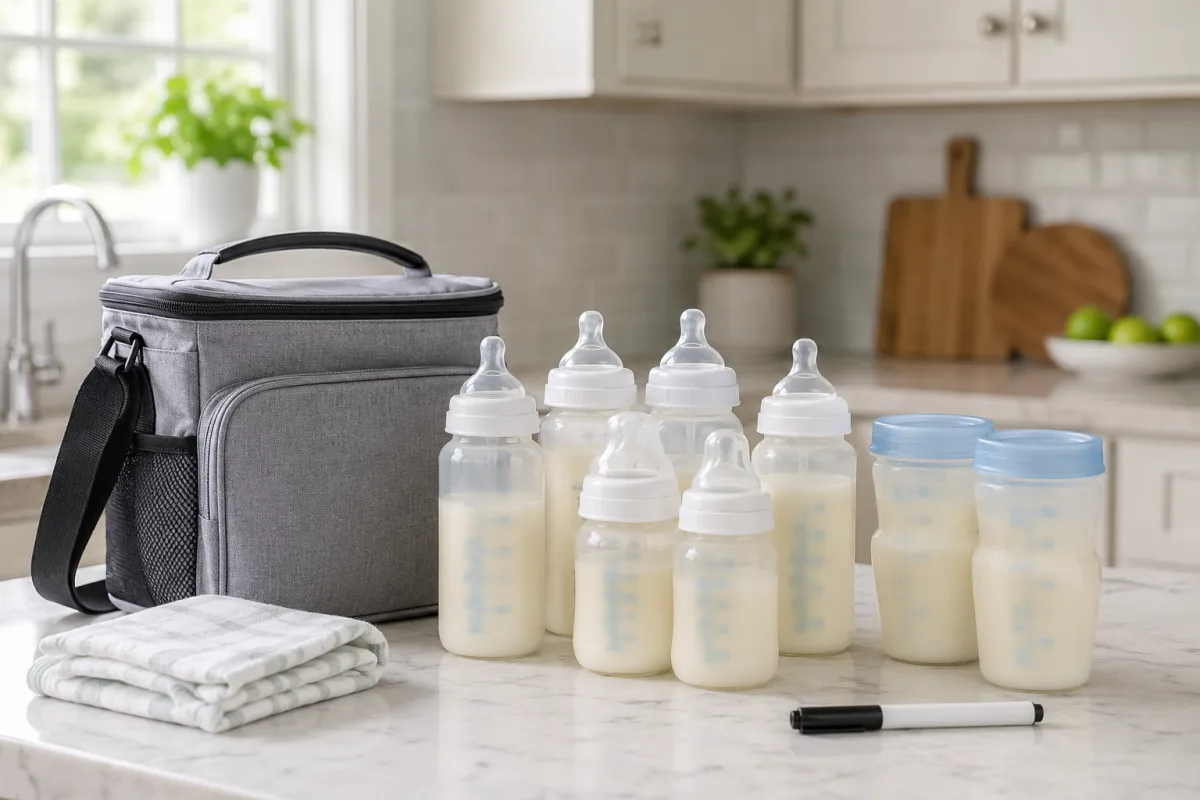
Send bottles labeled with the baby's name, date, and any required milk or formula details. Use waterproof labels or the daycare's preferred system.
Ask whether bottles should arrive pre-measured, pre-mixed, capped, chilled, or ready to warm. Rules vary by center and local licensing.
Pack Feeding Notes
Include feeding times, typical amounts, burping needs, nipple flow, allergies, and what to do if the baby refuses a bottle.
If the baby is breastfed, ask how the center stores milk and handles unused portions. Keep the plan simple enough for a busy room.
Pack A Daily Diaper Set
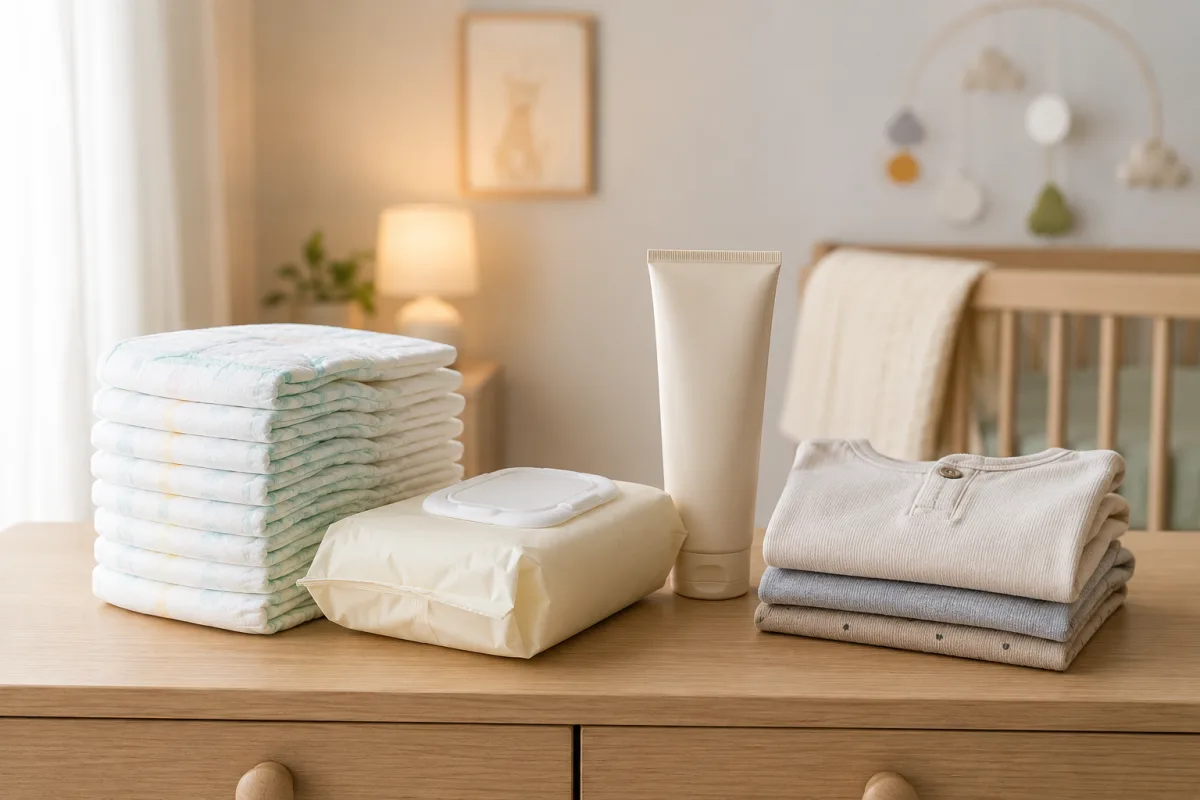
Send enough diapers for the day plus extras. Add wipes, diaper cream if allowed, and any signed medication or cream permission form the center requires.
Livecub's baby rash and blister guide can help parents think about what to report if skin changes appear during daycare.
Extra Clothes
Pack two or three complete outfits, including socks if needed. Leaks, spit-up, weather, and art activities can use clothes faster than expected.
Choose clothes that are easy to change. Daycare is not the place for complicated buttons during a diaper emergency.
Safe Sleep Items
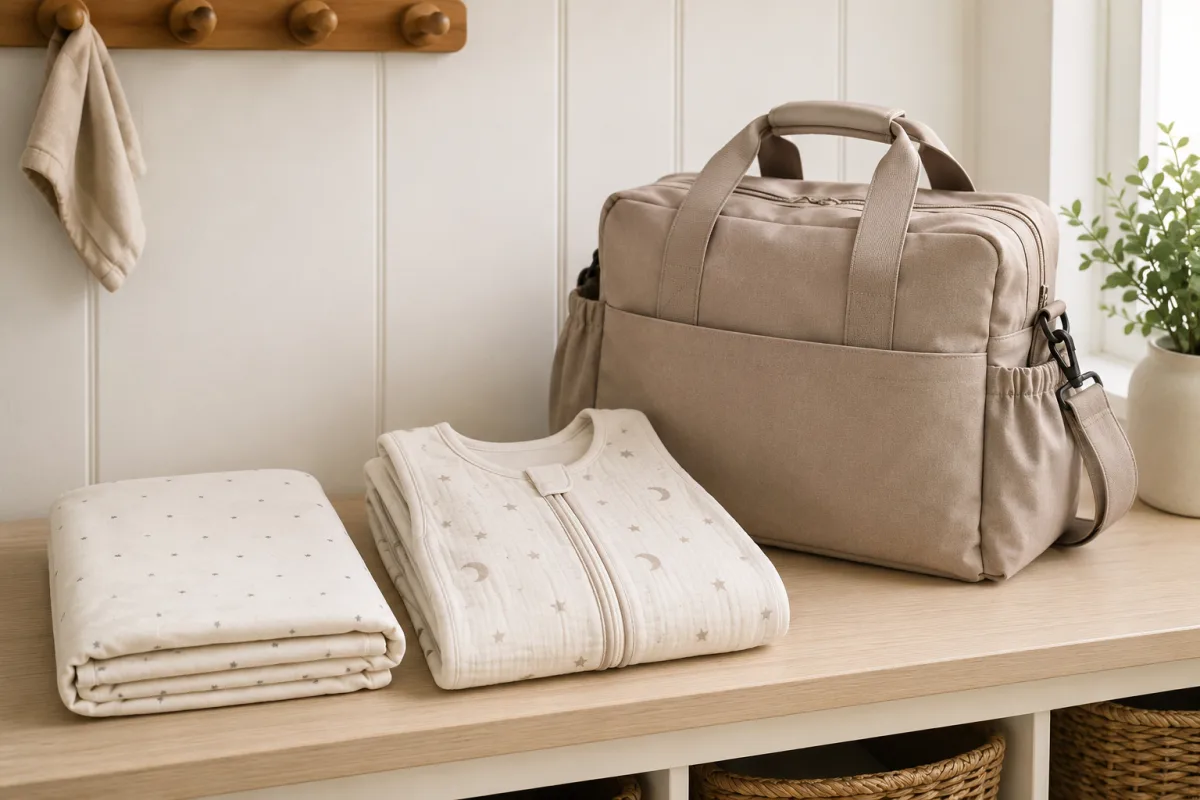
Do not send loose blankets, pillows, stuffed toys, or sleep positioners unless the center specifically says an item is allowed and safe. Safe sleep rules come first.
CDC says babies should sleep on their backs on a firm, flat surface and soft bedding should stay out of the sleep area: CDC safe sleep guidance.
Pacifiers And Comfort
If your baby uses a pacifier, send extras in a labeled container. Ask how the center cleans or stores dropped pacifiers.
Do not send sentimental items you cannot lose. Daycare rooms are busy, and even careful caregivers manage many small objects.
Health Forms
Bring immunization records, emergency contacts, authorized pickup names, allergy forms, medication forms, and pediatrician contact information.
Child Care Aware's center checklist includes safety questions about infant sleep spaces and staff training: Child Care Aware center checklist.
Weather Gear
Send season-appropriate layers, sun hat, warm hat, or rain cover if requested. Label everything, because infant rooms often have similar-looking items.
Avoid strings, loose accessories, or items the daycare does not permit. Their safety policy controls the bag.
Cleaning And Bathing Spillover
Daycare may not bathe babies, but blowouts and spit-up happen. Send a wet bag or plastic bag for dirty clothing if the center asks for it.
Livecub's infant washing guide can help with the home side of cleanup after a messy daycare day.
Circumcision Or Medical Care
If your infant needs special diaper care after circumcision or a medical procedure, bring written instructions and signed forms. Do not rely on a quick verbal note at drop-off.
Livecub's circumcised infant care guide can support parent questions, but the daycare needs clinician instructions if care is specific.
Home Safety Connection
Daycare packing often reveals what home routines need: bottle prep, diaper storage, spare clothes, and safe sleep habits.
Livecub's baby-proofing guide is for home safety, but the same mindset helps parents build predictable systems.
First-Day Communication
Tell caregivers how the baby falls asleep, what cues mean hunger, how they like to be held, and what is unusual for them.
At pickup, ask what was used and what needs restocking. A two-minute check prevents a missing-diaper problem tomorrow.
What To Leave At Home
Leave expensive toys, loose blankets, teething jewelry, medicines without forms, unlabeled bottles, and anything the center bans.
A daycare bag should make care easier, not create extra decisions for the caregiver.
Restock System
Make a simple restock note in the daycare bag or phone: diapers, wipes, clothes, milk bags, pacifiers, and forms. Check it at pickup, not during the morning rush.
A predictable restock system prevents the center from running out of basics and prevents parents from packing under pressure.
Medication Rules
Do not send medicine, ointment, or supplements casually in the bag. Most centers require original packaging, written permission, dosage instructions, and sometimes clinician forms.
If the baby needs special care, arrange it with the director before the first day rather than surprising the morning teacher.
Milk Storage Questions
Ask where milk is stored, who checks labels, how bottles are warmed, and what happens to unfinished milk. These details matter more than a cute bottle bag.
If your baby uses formula, ask whether powder is mixed at home or at the center. Follow the daycare policy and safe preparation rules.
Daily Sheet
Many centers send a daily sheet with feeds, diapers, naps, mood, and supplies needed. Read it at pickup while the day is still fresh.
If no sheet is used, ask for the three basics: how the baby ate, slept, and diapered. Those answers guide the evening.
Transition Items
A familiar sleep sack allowed by the center, a spare pacifier, or a labeled burp cloth may help the transition. Do not send loose items for the crib.
Keep comfort items boring and replaceable. Daycare is not the place for the only copy of a beloved family item.
Emergency Clothes
Store one extra outfit at the center if allowed, then keep another in the daily bag. Include the size the baby wears now, not the size you hope will last all season.
Check the backup outfit monthly. Babies outgrow emergency clothes before anyone remembers them.
Pickup Routine
At pickup, collect dirty bottles, wet clothes, artwork, forms, and restock notes before leaving the room. A consistent pickup routine prevents lost items.
If another adult picks up, give them the same checklist so the system does not depend on one parent's memory.
Allergy And Sensitivity Notes
If the baby has eczema, formula sensitivity, medication reactions, or family allergy concerns, write what the center should watch for and who to call.
Do not bury this information in a casual text. Use the center's health form so every caregiver can see it.
Diaper Cream Permission
Many centers treat diaper cream like medication and require a form. Ask before sending it, even if it is an over-the-counter product.
Write when it should be used: every change, only redness, or only after stool. Clear instructions prevent both overuse and underuse.
Bottle Count
Send one more bottle than you expect the baby to need, if the center allows it. Growth spurts, spills, and schedule changes happen.
At pickup, compare what was sent with what came home. That tells you whether tomorrow's amount needs adjusting.
End-Of-Week Reset
On Fridays or the last daycare day of the week, bring home sleep sacks, spare clothes, pacifiers, and wet bags for washing and size checks.
This keeps the cubby from becoming a forgotten storage bin of outgrown clothes and missing labels.
First Week Review
After the first week, ask caregivers what they used, what was missing, and what can stay at the center. Adjust the bag based on real use.
The best packing list is not the longest one. It is the one that matches your baby, your center, and your commute.
Frequently Asked Questions
What should I bring to daycare for an infant?
Bring labeled bottles, diapers, wipes, extra clothes, approved sleep items, health forms, emergency contacts, and any center-required supplies.
How many diapers should I pack for daycare?
Ask the center, but send enough for the day plus extras. Many parents restock weekly if the daycare stores diapers.
Can I send a blanket for infant naps?
Usually no for young infants. Follow safe sleep rules and the daycare policy, which should keep loose bedding out of the crib.
Should bottles be labeled?
Yes. Label bottles with your baby's name and any date or feeding information the daycare requires.
What should stay out of the daycare bag?
Avoid expensive toys, loose sleep items, unapproved medicine, unlabeled bottles, and anything the center's policy does not allow.
Bring the daycare items that make infant care safer and clearer: labeled feeding supplies, diapers, clothes, forms, safe sleep items, and a simple restock plan.

Linda Fehrman
Edits general wellness and relationship explainers. Health material is educational, avoids diagnosis and links to health-authority guidance.



Leave a reply
Replying to