
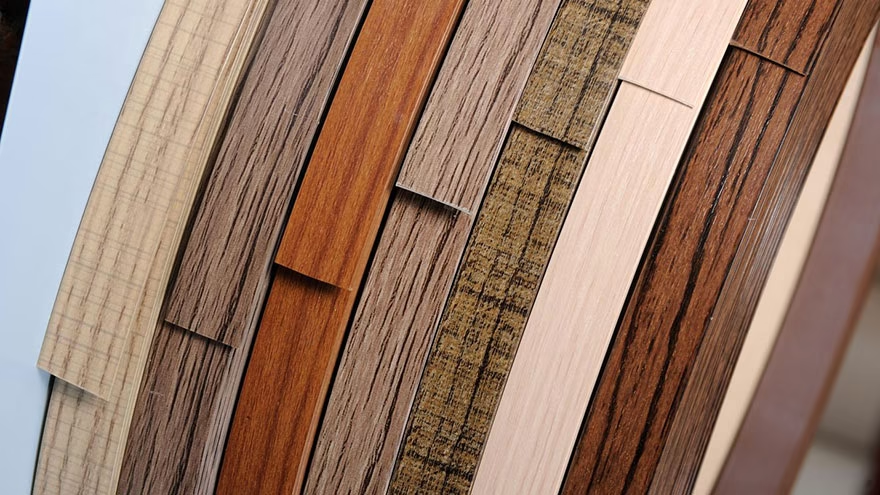
Wood Edgeband Failure Is Usually an Adhesion Problem
Wood edgeband failure happens when the strip covering the edge of plywood, particleboard, MDF, or a panel no longer stays bonded. It may lift at a corner, slide, curl, chip, bubble, or fall away entirely.
The strip is small, but the cause may involve heat, glue, pressure, dust, moisture, substrate movement, trimming, or the wrong product for the job.
The repair works only when the cause is understood. Pressing the loose strip back down without fixing the reason usually buys only a little time.
What Is Edgebanding Supposed to Do?
Edgebanding hides the raw edge of sheet goods and protects the edge from wear, moisture, and visual mismatch. It can be wood veneer, PVC, ABS, melamine, or another manufactured strip.
On cabinets and furniture, the edge is often the part hands touch most. A weak edge catches clothing, absorbs moisture, or chips under everyday use.
The failure may look similar across materials, but repair choices differ. A wood veneer strip can often be reactivated or reglued. A damaged plastic band may need replacement.
If the problem is structural bending or splitting rather than finish adhesion, start with wood stress failure instead. Edgebanding does not fix a panel or shelf that is overloaded.
Why Does Iron-On Edgebanding Come Loose?
Iron-on edgebanding relies on heat to melt adhesive and pressure to set the strip into the edge. If the iron is too cool, moving too fast, or not held evenly, the adhesive may never fully bond.
Too much heat can also cause trouble. Veneer can scorch, adhesive can over-soften, and plastic edging can distort. The correct heat is a controlled process, not a race.
Pressure matters after heat. A roller, block, or firm cloth helps the warm adhesive contact the entire edge. Fingers alone usually do not apply even pressure.
Heat activates the glue; pressure makes the bond. Skipping either step leaves a weak edge.
How Do Dust, Surface Prep, and Substrate Affect the Bond?
Dust is a common cause of failure. Sawdust, sanding powder, old adhesive, wax, oil, and loose fibers can keep the edgeband from touching the actual substrate.
Clean the edge before applying or repairing. Sand lightly if needed, remove loose material, and make sure the edge is flat. A wavy or chipped edge creates gaps that the adhesive may not bridge.
MDF, plywood, and particleboard absorb and move differently. A damaged particleboard edge may need consolidation, filler, or trimming before new edgebanding will hold.
Moisture movement in wood products is real. APA's builder tips discuss wood panel expansion and spacing, which reflects the broader issue: wood-based products change as moisture changes.
Can Moisture Cause Edgeband Failure?
Yes. Kitchen sinks, dishwashers, bathrooms, laundry rooms, plants, wet towels, and unsealed edges can introduce moisture. Once the substrate swells, the edgeband may lift or crack because the edge underneath has changed shape.
The USDA Forest Products Laboratory's Wood Handbook covers wood as an engineering material, including moisture behavior and dimensional changes. Those changes matter even in small furniture parts.
Moisture-damaged particleboard is difficult to repair invisibly because swelling breaks the original edge geometry. You may need to cut back to sound material or replace the part.
If the edge is swollen, dry the cause before repairing the strip. Otherwise the new bond is being asked to solve an active water problem.
How Should You Repair a Loose Edge?
Start by deciding whether the original strip is reusable. If it is clean, flat, and not brittle, you may be able to reactivate heat-set adhesive or add the right glue. If it is cracked, chipped, or stretched, replacement is cleaner.
For a small lifted corner, protect the surrounding finish, warm the strip carefully if it is heat-set, press it flat, and hold it until cool. For non-heat adhesive, scrape loose glue and reapply an adhesive suited to the material.
Trim after the bond is stable, not while the adhesive is still soft. A dull trimmer can catch the strip and start a new failure line.
Some failures look like other home material problems. A lifted edge is not the same as wallpaper over plaster or drywall primer failure, but all three punish poor surface prep.
When Should You Replace Instead of Reglue?
Replace the strip when it is brittle, stretched, chipped, stained, swollen, or contaminated with old adhesive that will not scrape clean. Regluing a bad strip can make the edge look worse than a clean replacement.
Replacement is also better when the original color is wrong or the panel edge is uneven. A fresh strip gives you a chance to square the edge, clean the substrate, and trim cleanly.
For cabinet doors and visible shelves, test on an inconspicuous area first. Veneer thickness, grain direction, and finish sheen affect whether the repair blends into the piece.
A neat replacement often beats a heroic patch. The goal is an edge that disappears, not a repair that keeps reminding you where it failed.
How Do You Prevent Edgeband Failure Next Time?
Store materials dry, let panels acclimate, clean the substrate, use the right heat, apply firm pressure, trim with sharp tools, and seal vulnerable edges near moisture.
Do not overload shelves or use edgebanding to hide damage that should be repaired first. If a shelf is sagging, the edge strip may fail because the panel is moving under load.
Use compatible materials in high-wear areas. A desk edge, cabinet door, or bathroom shelf may need a more durable band than a decorative panel edge.
Good edgebanding is quiet. It disappears into the piece because the surface, adhesive, and environment are working together.
What Tools Make Edgebanding Repairs Cleaner?
Useful tools include a sharp utility knife, edge trimmer, sanding block, clean cloth, household iron or heat tool for heat-set strips, roller or wood block, clamps, and a scrap piece for testing.
Sharp tools matter because dull blades tear veneer and lift the strip you just bonded. Trim lightly in several passes instead of forcing one heavy cut.
Use painter's tape or a protective layer near finished surfaces. Heat, glue squeeze-out, and trimmer slips can damage the face of a cabinet faster than the loose edge did.
A careful setup prevents a repair from becoming a refinishing job. Prepare the tools before warming glue or opening adhesive.
How Do You Match a Replacement Edge?
Matching matters most on visible cabinet doors, shelves, desktops, and built-ins. Compare species, color, grain direction, thickness, sheen, and edge profile before cutting a replacement strip.
Unfinished wood veneer can be stained after installation, but test stain on scrap first. End grain, plywood edges, and veneer faces can absorb color differently, making a close match look striped.
Plastic or melamine edging is less forgiving. If the color is no longer available, replacing a longer continuous run may look cleaner than patching one small damaged section.
Finish compatibility matters too. Some clear coats, waxes, and cleaners can interfere with later touch-up. Clean gently and avoid flooding the edge with solvent.
The repair should match the viewing distance. A utility shelf can be functional; a kitchen door at eye level needs more patience.
Buy a little extra edging so test cuts and mistakes do not force a second trip. Store the leftover strip flat and dry for future repairs later.
Label the leftover by room or cabinet so the match is easy to find.
Frequently Asked Questions
Can loose edgebanding be glued back down?
Often yes, if the strip is intact and the substrate is sound. Clean old glue and choose adhesive that matches the edging material.
Why does iron-on edgebanding peel?
Common causes include low heat, uneven heat, weak pressure, dust, moisture, or trimming before the adhesive has set.
Can swollen particleboard be repaired?
Minor swelling may be stabilized and covered, but severe swelling often requires cutting back to sound material or replacing the part.
Should I use a household iron for edgebanding?
It can work for iron-on veneer if temperature is controlled and pressure follows heat. Protect the finish and test on scrap first.
How do I stop cabinet edges from peeling near a sink?
Fix the moisture source, dry the area, seal exposed edges, and use edging suited for wet or high-use locations.
Repair the Edge and the Cause
Wood edgeband failure is rarely solved by glue alone. Fix the moisture, dust, heat, pressure, or substrate problem first, then bond and trim the edge with enough care that it stays quiet.

Timothy Davidson
Edits step-by-step general-interest guides for clarity, realistic limits and source verification.


Leave a reply
Replying to