
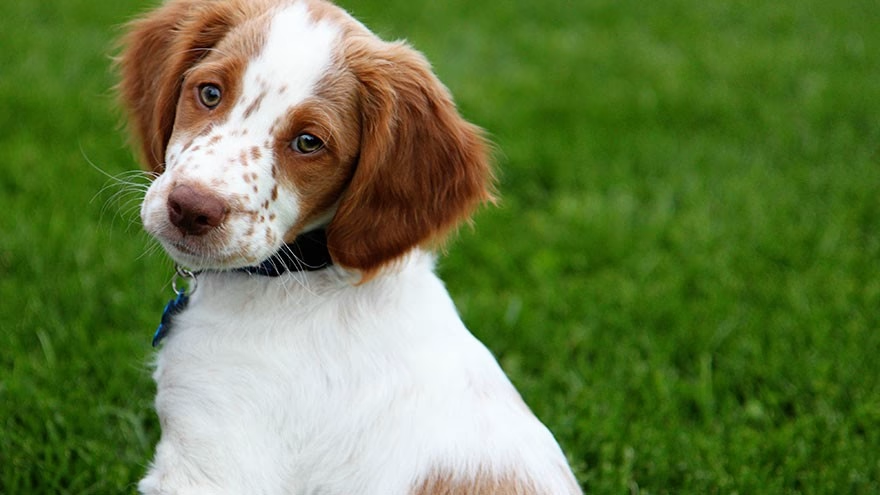
The Brittany is often still called a Brittany Spaniel by people who grew up with the older name, but the modern breed is usually called the Brittany in major kennel references. Either way, good Brittany Spaniel breed information should start with the same truth: this is a bright, fast, people-focused gundog that needs daily work.
A Brittany can be a joyful family dog, hunting partner, sport dog, and hiking companion. It can also become frantic, noisy, destructive, or hard to live with when treated like a casual medium-size pet. The breed is not huge, but the energy and sensitivity are real.
What Is A Brittany?
The American Kennel Club describes the Brittany as agile, energetic, bright, eager at home, tireless in the field, and in need of a lot of exercise with favorite humans. That is the short version of the breed. Brittanys were developed as versatile bird dogs, so they notice scent, motion, distance, and people.
The breed's size can fool new owners. A Brittany is easier to lift than many sporting dogs, but it still needs training, recall practice, mental work, and safe outlets. If you are comparing active gundogs, Livecub's German Shorthaired Pointer questions show a larger dog with similar exercise pressure.
What Is The Temperament Like?
Brittanys are often affectionate, eager, alert, and quick to respond. Many want to be near their people and do best when treated as family dogs with jobs, not yard dogs. The sensitivity can be lovely in training because the dog notices your voice and body language. It can also make harsh handling a poor fit.
Use calm, reward-based training. Teach name response, come, wait, leave it, drop it, settle, polite greetings, and cooperative grooming. A Brittany that learns how to relax indoors is easier to live with than one that only knows how to run.
How Much Exercise Does A Brittany Need?
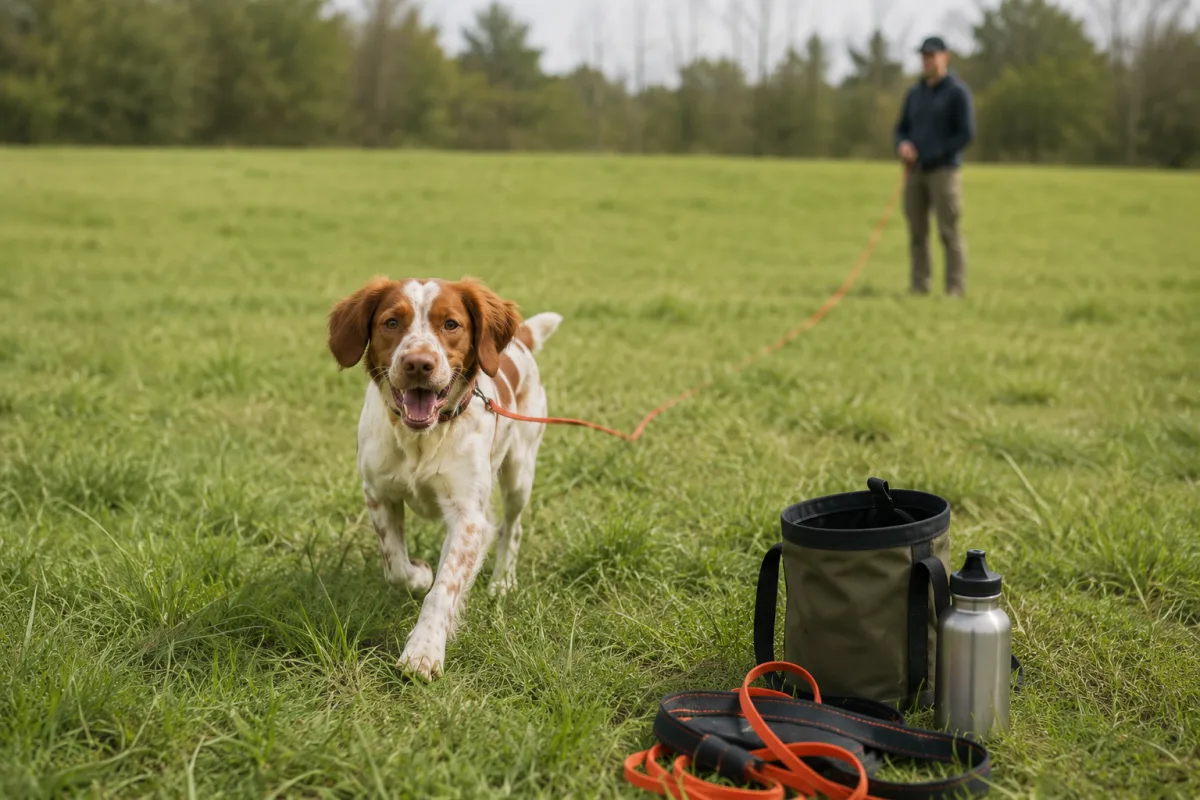
Most Brittanys need daily exercise that uses both body and brain. Long walks, running in safe areas, hiking, field work, scent games, retrieving, agility foundations, obedience, and puzzle feeding can all help. A quick potty walk around the block will not be enough for many young adults.
VCA notes that Brittanys need daily exercise such as long walks, jogging, or energetic games, and that obedience training gives mental exercise too. That point matters because a tired dog without manners can still jump, pull, bark, and chase.
Can Brittanys Live In Apartments?
Some can, if the owner builds a serious daily routine. Apartment success depends on exercise, quiet training, alone-time practice, and access to safe outdoor outlets. A bored Brittany may bark at hallway sounds, pace, scratch, or become restless at windows.
A yard is helpful, but it does not replace human-led activity. A fenced yard with no training can become a place where the dog rehearses barking and fence running. Apartment or house, the question is the same: can you meet the dog's need for movement, training, scent work, and rest?
Are Brittanys Good Family Dogs?
They can be excellent family dogs for active homes. They are often affectionate and playful with respectful children, but speed and excitement need management. Young Brittanys may jump, mouth, or chase running children if they have not learned calmer choices.
Adults should supervise children and dogs, teach children not to grab or tease, and give the dog a quiet resting place. The dog should learn that children's games are not always invitations to join. If you are comparing family dogs by size, Livecub's biggest dog breeds article is a useful reminder that size is only one part of family fit.
What Health Issues Should Buyers Ask About?

The American Brittany Club health statement recommends CHIC checks that include hip evaluation, eye exams during adult years, and another submitted health exam such as cardiac, elbow, patella, thyroid, or shoulder evaluation. The club's code of ethics also warns against breeding dogs with serious inherited defects such as hip or elbow dysplasia, primary epilepsy, eye disorders, heart defects, extreme shyness, or viciousness.
Buyers should ask for registered names, health records, eye history, hip results, seizure history, temperament, and relatives' longevity. A breeder who says the breed has no issues is not being honest. Livecub's Brittany Spaniel breeder recommendations can help turn those concerns into practical interview questions.
How Much Grooming Does A Brittany Need?
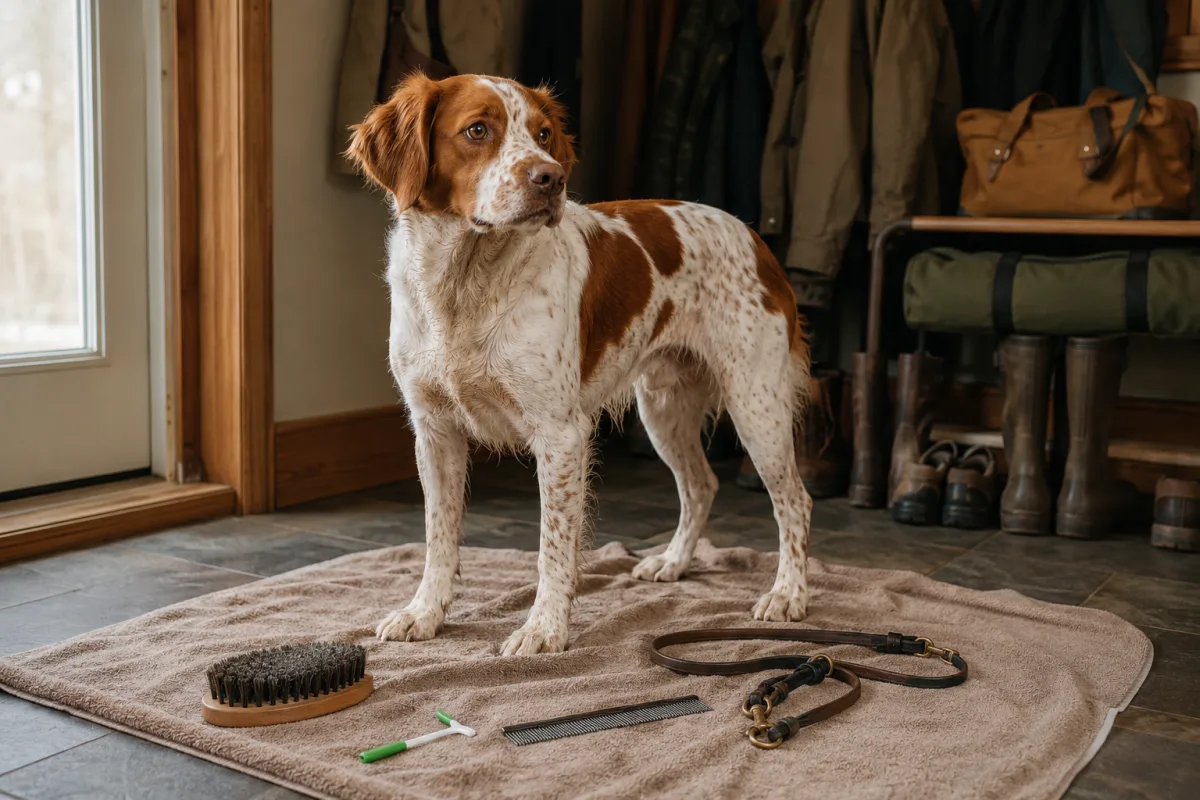
The coat is not as demanding as many long-coated breeds, but it still needs weekly brushing, nail trims, ear checks, dental care, and burr removal after outdoor work. Feathering can collect seeds, mud, ticks, and debris. Ears deserve attention because active dogs with drop ears can hold moisture and dirt.
Use grooming time as a body check. Feel for cuts, sore muscles, lumps, ticks, hot spots, and changes in weight. For another coat-care example, Livecub's longhair Dachshund grooming guide shows why grooming is also health observation, not only appearance.
Are Brittanys Easy To Train?
They are usually very trainable, but quick dogs learn both good and bad patterns. Reward recall, checking in, calm greetings, and settling. Practice around mild distractions before trying open fields, birds, wildlife, or dog parks. Hunting instinct can outrun casual recall training.
Keep sessions short and upbeat. A sensitive dog can shut down under pressure or become frantic when confused. A Brittany needs boundaries, but the best boundaries are clear, consistent, and taught before the dog is overexcited.
Can A Brittany Be Left Alone?
Some handle alone time well after practice. Others struggle because they are people-focused and energetic. Build independence gradually: short departures, safe confinement, food toys, exercise before rest, and calm returns. Do not wait until the first full workday to discover the dog panics.
If the dog destroys doors, drools, screams, soils, or injures itself when left alone, get help from a qualified trainer or veterinarian. This is not revenge. It is a welfare and training problem. A good routine should include activity, attention, and sleep.
What Should First-Time Owners Know?
A prepared first-time owner can do well with a Brittany, especially with training support and an active lifestyle. A casual owner who wants a medium dog that entertains itself may struggle. Before choosing a puppy, meet adult Brittanys. Adults show the real speed, voice, coat, focus, and off switch.
Ask yourself what happens on rainy days, workdays, illness days, and travel days. The breed does not stop needing outlets because the calendar gets busy. Build a plan the whole household can repeat, not a plan that works only on perfect weekends.
What Daily Routine Works Best?
A useful Brittany day usually has movement, training, sniffing, food work, and rest. For example, a morning walk with recall practice, a midday puzzle meal, an evening field session or long walk, and a quiet mat routine can give the dog clear expectations. The exact schedule can vary, but the dog should not spend most days guessing what to do with its energy.
Rest deserves planning too. Some Brittanys stay busy because no one teaches them how to switch off. Reward lying on a mat, calm chewing, and relaxed body language after exercise. A dog that only knows action can become harder to live with than a dog that knows both action and recovery.
What Costs Should Owners Expect?
Plan for training classes, safe long-line gear, outdoor supplies, tick prevention, quality food, veterinary care, and occasional grooming help. Hunting or sport homes may also need travel, club fees, and equipment. The breed is not giant, but an under-managed Brittany can create costs through damaged items, poor recall, or preventable injuries.
Frequently Asked Questions
Is Brittany Spaniel the same as Brittany?
Many people use the older phrase Brittany Spaniel, but major breed references commonly use Brittany today.
Do Brittanys need a fenced yard?
A safe fenced area helps, but it does not replace walks, training, scent work, and human time.
Are Brittanys good off leash?
Only after strong recall work in safe areas. Bird and wildlife interest can be intense.
Do Brittanys shed?
Yes, though coat care is moderate for many dogs. Brush weekly and check for outdoor debris.
Are Brittanys good first dogs?
They can be, for active owners ready for training, exercise, and daily structure.
Should You Choose A Brittany?
Choose a Brittany if you want an affectionate, quick, athletic dog and can provide exercise, training, companionship, and health-minded breeder research. Skip the breed if you want a calm, low-input pet that does not need a job. A Brittany gives a lot back, but it asks for a lot too.

Chiara Bradshaw
Covers education, culture and creative topics with an emphasis on readable explanations and verifiable references.



1 Comment
Join the discussion. Comments are moderated before appearing.