
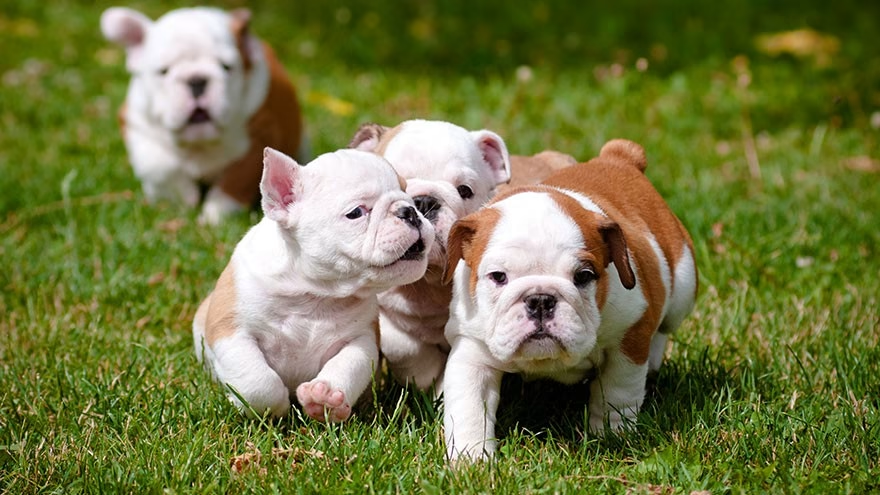
Bulldog Health Requires Daily Management
A Bulldog health guide should be honest about the breed's needs. Bulldogs can be affectionate, funny, and loyal companions, but their body shape means owners must plan around breathing, heat, weight, skin folds, eyes, joints, and veterinary care.
The AKC's Bulldog breed page describes the breed as kind, courageous, friendly, dignified, and adaptable. Adaptable does not mean rugged in every condition.
Bulldog care works best when owners prevent problems early.
Breathing and Airway Awareness
Bulldogs are brachycephalic, meaning they have a short-muzzled head shape. Some dogs breathe comfortably in daily life, while others struggle with snoring, noisy breathing, exercise intolerance, gagging, or overheating.
Ask your veterinarian what is normal for your individual dog. Labored breathing, blue or pale gums, collapse, or distress should be treated as urgent.
Noisy breathing should not be dismissed as just a breed sound.
Heat Safety Is Non-Negotiable
Tufts University notes that short-snouted dogs can have trouble cooling themselves through panting and may be at high risk in hot weather. Bulldogs need shade, cool indoor rest, water, and short outings during safer parts of the day.
Never leave a Bulldog in a hot car, and be cautious with warm pavement, humidity, and excitement. Heavy panting, weakness, vomiting, confusion, collapse, or failure to cool down needs emergency guidance.
Heat planning is everyday Bulldog care.
Weight Control Protects Breathing and Joints
Extra weight can make breathing harder, movement slower, and skin folds more irritated. Bulldogs should be kept in lean body condition with help from a veterinarian.
Measure meals, count treats, and use low-impact activity. A Bulldog does not need intense workouts, but it does need movement that fits the weather and the dog's airway comfort.
Exercise Should Be Short and Smart
Bulldogs often do best with short, calm walks and indoor play rather than long workouts. Choose cool parts of the day, avoid humidity, and stop before breathing sounds strained.
Use a pace that lets the dog recover quickly. If your Bulldog cannot tolerate gentle exercise, ask your veterinarian whether airway, weight, heart, orthopedic, or other medical issues need evaluation.
Exercise should support health, not test the airway.
Skin Fold and Tail Pocket Care
Wrinkles and folds can trap moisture and debris. Check the face, nose rope, tail area, paws, and skin folds for redness, odor, discharge, hair loss, or discomfort. Ask your vet how to clean and dry the folds safely.
Do not use harsh products or over-clean irritated skin. Some fold problems need medical treatment, not more wiping.
Dry, comfortable folds are part of health care.
Eyes Need Prompt Attention
Bulldog eyes can be vulnerable because of facial structure. Redness, squinting, discharge, cloudiness, pawing at the eye, or sudden light sensitivity should be checked quickly.
Eye pain can worsen fast. Do not wait several days to see if a sore eye improves.
Joints, Spine, and Movement
Bulldogs can have orthopedic concerns, and their body shape can make stairs, heat, and jumping harder. Keep exercise controlled, use non-slip surfaces, and avoid forcing activity during hot or humid weather.
Limping, reluctance to rise, dragging feet, sudden weakness, or pain should be discussed with a veterinarian. Do not assume low activity is only laziness.
For another strong-breed health comparison, Livecub's Staffordshire Bull Terrier health problems shows why breed patterns should lead to better vet questions.
Dental and Ear Care
Dental disease can affect comfort, breath, eating, and behavior. Brush if your Bulldog tolerates it, use vet-approved products, and ask about professional cleanings. Bad breath, drooling, loose teeth, or chewing changes need attention.
Ears should also be checked for redness, odor, debris, or head shaking. Ear infections and skin issues can be connected, so repeated problems deserve a vet plan.
Breeder Testing and Records
The Bulldog Club of America's health testing page explains that the club supports testing and health improvement. Puppy buyers should ask breeders what tests were done and where results can be verified.
Ask about airway history, skin issues, orthopedic concerns, eyes, temperament, and how relatives age. Clear answers matter more than sales language.
Health records should be visible before the puppy comes home.
Choose a Vet Before There Is a Crisis
Bulldogs benefit from a veterinarian who understands brachycephalic care, heat risk, skin folds, eyes, anesthesia questions, and weight management. Do not wait until an emergency to find out which clinic is comfortable with the breed.
Ask where to go after hours, what signs should trigger an emergency visit, and how to handle hot-weather concerns. Keep those instructions where the whole household can find them.
A Bulldog emergency plan should be written before summer.
Daily Routine for a Bulldog
A steady routine includes measured meals, short walks in safe weather, fold checks, water, cool rest, dental care, ear checks, and weight monitoring. Keep excitement and heat in mind when planning outings.
For grooming-body-check habits in another breed, Livecub's longhair dachshund grooming guide shows how routine care can reveal early changes.
Travel and Car Safety
Car rides can become risky if the vehicle heats up or the dog becomes stressed. Keep the cabin cool, use safe restraint, carry water, and avoid leaving the dog unattended. Even a short stop can be dangerous in warm weather.
Plan lodging and activities around cooling access. A Bulldog should not be dragged through long outdoor events because the family schedule is full.
Travel plans should be built around the dog's breathing and heat limits.
Skin and Allergy Patterns
Bulldogs can have recurring skin irritation, paw licking, ear problems, or fold issues. Track when symptoms appear, what food and treats changed, what products were used, and whether weather or pollen may be involved.
Repeated skin problems need a vet plan. Random wipes, shampoos, and diet changes can make the pattern harder to interpret.
Senior Bulldog Care
Older Bulldogs may need softer bedding, shorter walks, more frequent weight checks, dental attention, pain assessment, eye care, and closer heat management. Aging should not be used as an excuse to ignore new symptoms.
Watch for slower recovery, new breathing noise, reduced appetite, slipping, confusion, lumps, or changes in sleep. Bring notes to the vet visit.
Home Setup for Comfort
A Bulldog home should support cooling, traction, and easy rest. Use non-slip flooring where the dog turns or rises, keep water accessible, and provide a bed that does not trap heat.
Stairs, slick floors, and high furniture can add strain. If the dog struggles to climb or jump, change the setup instead of waiting for an injury.
Comfortable homes reduce daily stress on the body.
Do Not Normalize Distress
Some Bulldog owners get used to snoring, snorting, panting, and slow movement. Familiar does not always mean safe. If breathing gets louder, recovery takes longer, or exercise tolerance drops, schedule a vet visit.
Record short videos of breathing or movement changes when safe to do so. Videos can help your veterinarian understand what happens at home.
Changes from your dog's normal pattern deserve attention.
Cost and Commitment
Bulldog care can include routine veterinary visits, skin treatment, eye care, dental care, airway discussions, weight management, grooming supplies, and emergency planning. Buyers should budget for more than food and toys.
The breed can be deeply affectionate, but it is not a low-maintenance health choice. Choose a Bulldog because you are ready for the care, not only because you love the look.
When to Call a Vet
Call urgently for breathing distress, collapse, heat illness signs, blue or pale gums, eye pain, repeated vomiting, inability to urinate, severe weakness, or sudden severe pain. Schedule visits for chronic skin fold irritation, ear problems, dental signs, weight gain, limping, or reduced stamina.
A Bulldog should have a veterinarian familiar with brachycephalic breeds. That relationship is part of responsible care.
Livecub's biggest dog breeds article is a different topic, but it shows the same principle: body structure changes daily care.
Frequently Asked Questions
Are Bulldogs healthy dogs?
Some Bulldogs live comfortably, but the breed needs careful management of breathing, heat, skin, weight, eyes, joints, and veterinary care.
Why do Bulldogs overheat easily?
Their short-muzzled anatomy can make cooling through panting less effective, especially in heat, humidity, or excitement.
How often should Bulldog folds be cleaned?
Follow your veterinarian's advice. Folds should be checked often and kept clean and dry without irritating the skin.
What Bulldog symptoms are urgent?
Breathing distress, collapse, heat illness signs, blue or pale gums, eye pain, repeated vomiting, or sudden weakness need urgent care.

Chiara Bradshaw
Covers education, culture and creative topics with an emphasis on readable explanations and verifiable references.

Leave a reply
Replying to