
Start With Safety and Rhythm
A toddler is still learning to chew, swallow, sit still, and notice when hunger arrives, which is why a snack that works for a nine-year-old can be genuinely unsafe for a fifteen-month-old. Good snacking for young children is less about nutrition charts and more about matching food to a child's age, chewing ability, allergies, and the gap until the next meal.
The goal is not a perfect snack every time. It is a steady rhythm that keeps children fed without turning the whole day into grazing. Snacks work best when they have a time, a place, and a simple mix of food groups, which gives kids predictable fuel and protects their appetite for real meals. CDC's foods and drinks guidance for children six to twenty-four months is a solid starting point for how textures and routines shift as a child grows.
Know the Choking Hazards
Choking prevention matters more than creative presentation. Round, hard, sticky, and coin-shaped foods are the usual culprits, and many of them can be made safer with a small change rather than banned outright. The CDC's page on choking hazards lists foods to avoid or modify for infants and toddlers, and the same logic — cut it small, cook it soft, spread it thin — turns most risky foods into workable ones.
| Risky food | Why it's a hazard | Safer form for toddlers |
|---|---|---|
| Whole grapes | Round shape can seal the airway | Quartered lengthwise into small pieces |
| Raw carrot | Hard, breaks into sharp chunks | Cooked soft, or grated fine |
| Nut butter | Thick, sticky, clings to the throat | Spread thinly on toast, not by the spoonful |
| Whole nuts, popcorn | Hard, small, easily inhaled | Avoid until the child is older |
| Cheese cubes | Large firm pieces block the airway | Thin slices or small shreds |
Serve snacks while the child is seated and supervised, and skip snacks in the car when you can, since a choking child is harder to see and reach quickly. Safety is the first ingredient, and it costs nothing but attention.
Build Snacks From Two Parts
A useful snack usually pairs two things: produce plus protein, grain plus dairy, or fruit plus a little fat. Banana with yogurt, soft-cooked apple with cottage cheese, whole-grain toast with thinly spread nut butter, or cucumber sticks with hummus for older children who can chew them safely all follow that pattern. The pairing is what makes a snack hold a child until the next meal instead of spiking and fading.
For toddlers, texture changes everything. Apples may need to be grated or cooked, grapes cut into small pieces, cheese cut small rather than cubed. Think of snacks as bridges: a child who eats dinner in an hour needs only fruit or yogurt, while a child home from preschool may need toast with egg. Matching snack size to the next meal is what protects appetite. If you want vegetable-forward ideas for older kids, Livecub's asparagus rolls adapt into small portions once texture is adjusted.
Fruit and Protein That Actually Fill
Fruit is easy, but pairing it makes it last. Berries with plain yogurt, banana slices in oatmeal, soft pear with ricotta, or applesauce stirred into cottage cheese all beat fruit alone. Keep portions small so a child can ask for more. Dried fruit is sticky and concentrated, so use it sparingly, and offer fresh, soft, or cooked fruit for younger children. When fruit gets rejected, change the form before giving up — a soft baked apple often succeeds where a raw slice failed, because the problem was the texture, not the food.
Protein helps a snack go the distance. Yogurt, cottage cheese, hummus, mashed beans, well-cooked eggs, finely shredded chicken, or tofu are all reliable, and the right choice depends on the child's allergies, age, and what they already eat. It does not need to be a large serving; a few spoonfuls of yogurt or a small egg portion is enough to steady a snack. Keep salt low for toddlers, and follow pediatric guidance carefully for any known allergy, keeping safe foods clearly separated and telling every caregiver exactly what is allowed.
Grains, Dairy, and Busy-Day Prep
Whole-grain crackers, toast strips, mini pita, oatmeal, rice cakes, and soft tortillas all work when they match a child's chewing ability. Pair them with something filling — cheese, yogurt, hummus, avocado, or a thin spread — so the snack is not only crunch. Plain yogurt with mashed fruit gives you more control over sugar than flavored tubs, and snack muffins with pumpkin, banana, or grated carrot can be part of a snack as long as they are not treated like cupcakes.
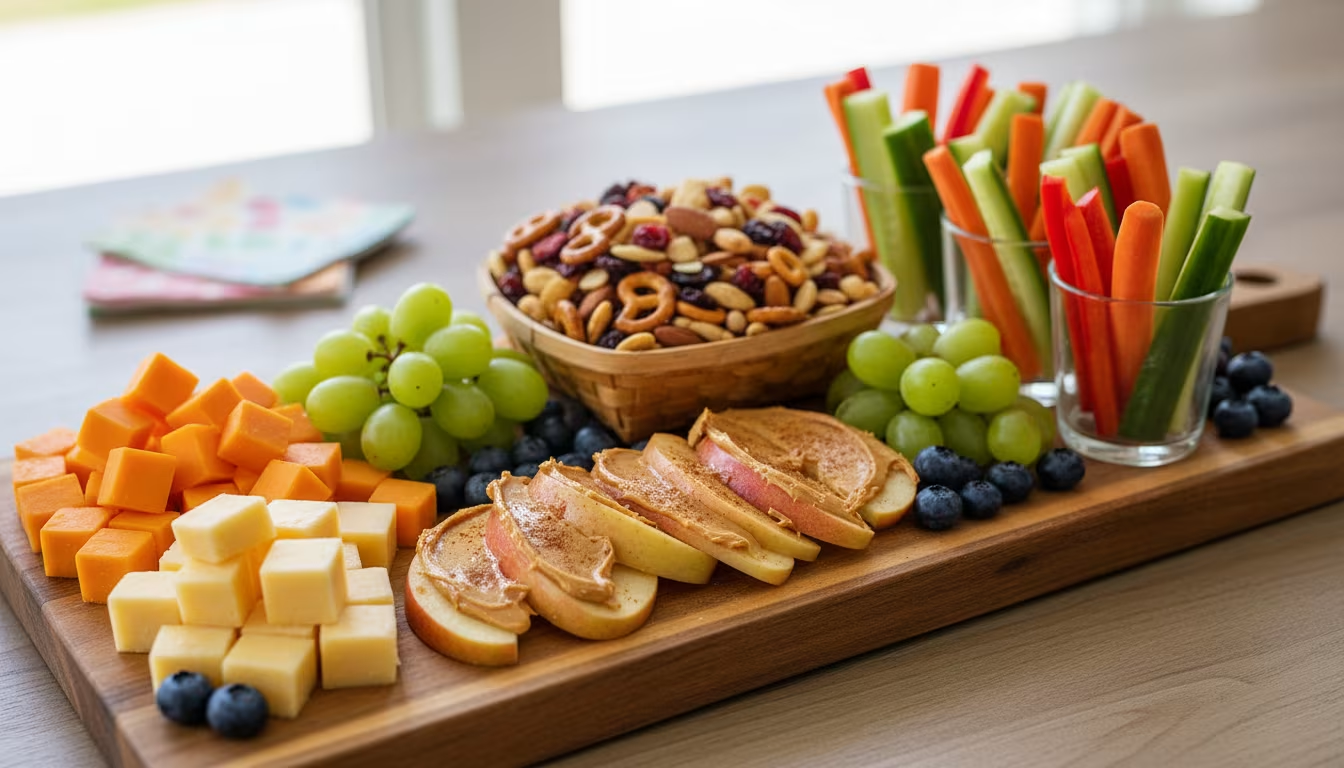
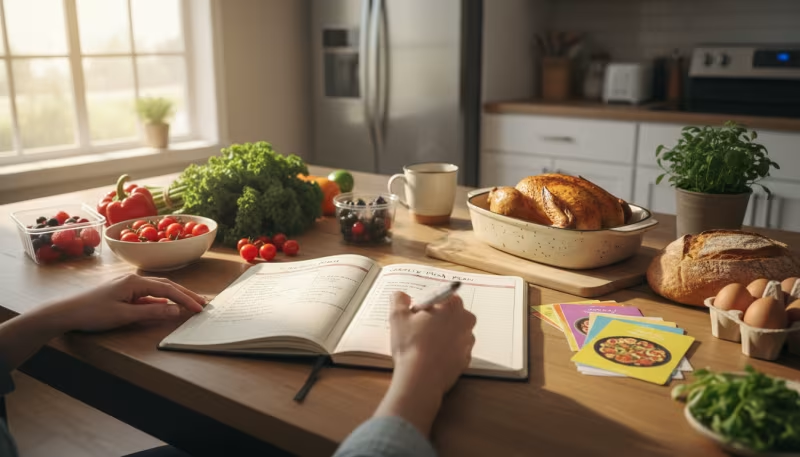
The realistic move on busy days is to prep components, not whole snacks. Wash berries, cook a batch of apples, portion yogurt, and boil eggs so assembly takes seconds. A simple snack box — one fruit, one protein, one grain, one vegetable — cuts decisions, and children often accept a familiar food more easily when one small new item appears beside it. At parties, keep toddler-safe options separate from bowls of popcorn, whole nuts, and hard candy that should stay out of small reach.
Prepping for the week also lets you sidestep the most tempting shortcut: reaching for packaged snacks every time. Fruit pouches, cereal bars, and puffs have a place for travel or emergencies, but they are easy to over-rely on, and many are sweeter than they look. Keeping a few ready components in the refrigerator means the quick option and the whole-food option take about the same effort, which is usually what decides which one a tired parent grabs. Storing them at a child's height, in small containers they can open, also nudges older toddlers toward choosing for themselves.
Handle Picky Eating Calmly
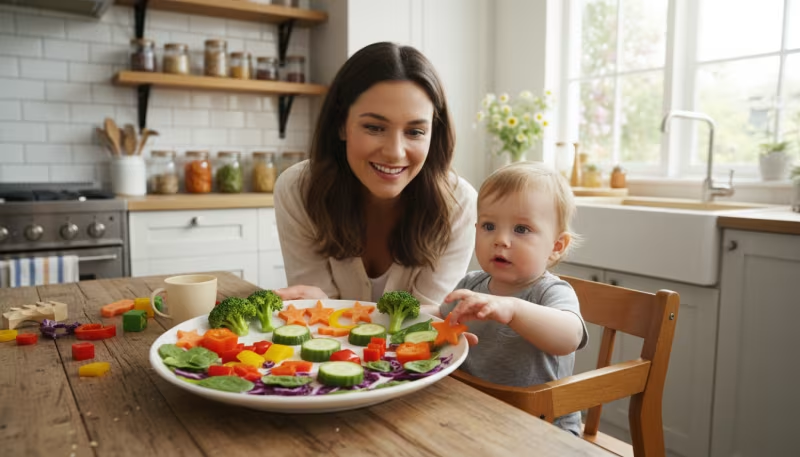
Picky eating is normal, and pressure tends to make it worse. Keep offering small amounts without turning snack time into a negotiation, since a child may need many exposures before accepting a food. Use tiny portions for anything new — one pea, one soft carrot coin, one spoon of yogurt — and pair it with something familiar. Praise a brave try without demanding a clean plate.
Healthy snacking is not a fixed list of approved foods. It is a pattern: safe textures, steady timing, reasonable portions, calm repetition, and enough variety across a week that no single afternoon has to go perfectly. Pick two or three snacks your child already accepts, prep their parts this weekend, and let the rhythm do the work.
Frequently Asked Questions
What makes a toddler snack healthy?
It is age-appropriate, safe to chew, modest in portion, and built from foods such as fruit, vegetables, grains, dairy, or protein.
What snacks should toddlers avoid?
Avoid or modify choking hazards such as whole grapes, nuts, popcorn, hard candy, raw carrot chunks, thick nut butter, and large cheese cubes.
How often should kids have snacks?
Many children do well with planned snacks between meals, but timing depends on age, appetite, meals, and family routine.
How can I make snacks more filling?
Pair food groups. Fruit with yogurt, toast with egg, or vegetables with hummus lasts longer than one food alone.

Linda Fehrman
Edits general wellness and relationship explainers. Health material is educational, avoids diagnosis and links to health-authority guidance.


Leave a reply
Replying to