
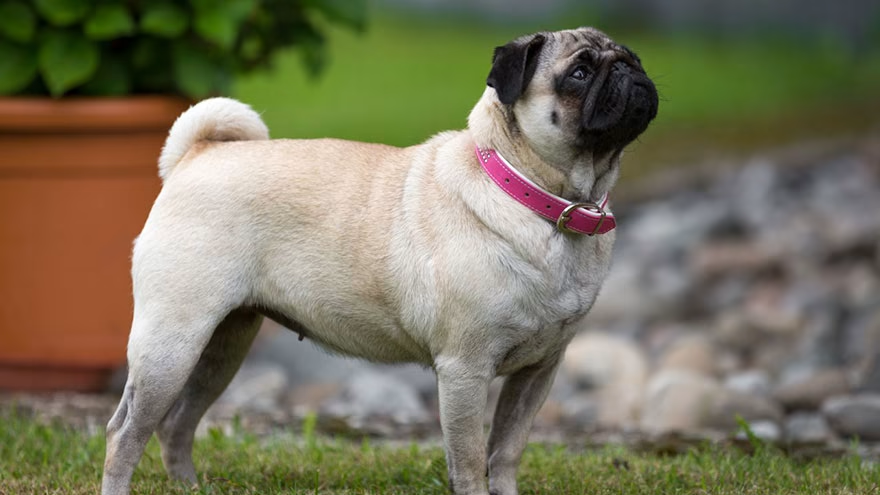
Start Pug Care With Breathing and Heat
Pug care is different from care for a long-nosed, athletic dog because the breed's short muzzle changes how it breathes, cools, exercises, sleeps, and handles stress. A pug can be playful and sturdy in the living room, then struggle quickly in heat, humidity, or heavy exertion. The daily goal is not to make a pug tough. It is to keep the dog comfortable enough to breathe, move, eat, and rest well.
The American Kennel Club's pug breed page describes the breed as small, solid, affectionate, and smooth-coated. Those traits explain the appeal, but they do not remove the care work. A pug owner needs to watch the face, body weight, skin folds, eyes, teeth, and breathing sounds as routine home checks.
Any pug with blue-tinged gums, collapse, repeated fainting, severe coughing, noisy breathing at rest, or heat distress needs veterinary help right away. Snoring can be common in the breed, but struggling to breathe is not something to normalize.
Keep Weight in a Narrow Healthy Range
Pugs often act hungry even when they have had enough food. Their compact bodies hide weight gain until the neck, waist, and breathing all change. Extra fat makes movement harder and can worsen heat tolerance because the dog has to work more to cool and move.
The Pug Dog Club of America notes in its AKC pug standard page that the desirable show-weight range is 14 to 18 pounds, while also warning that pugs are food motivated and prone to obesity. Pet pugs can vary, so use that range as context, not as a rule that overrides your veterinarian's body-condition advice.
Feed measured meals instead of free-choice food. Use a real measuring cup or kitchen scale, then adjust based on body condition, age, activity, neuter status, and veterinary guidance. Treats should count as food. A tiny dog can gain weight from "just a bite" repeated all week.
Check body shape with your hands. You should be able to feel ribs under a light fat cover, see a waist from above, and notice a tuck behind the ribs from the side. If the dog becomes round from shoulder to hip, use measured meals before the problem grows.
Exercise Gently and Skip Heat
Pugs need movement, but they do not need long hot runs, forced jogging, or hard play in humid weather. Short walks in cool parts of the day, indoor play, scent games, and easy training sessions often work better. Stop before panting turns harsh or recovery takes too long.
Use temperature and humidity together. A mild-looking day can still be hard on a flat-faced dog if the air is humid and there is little shade. Carry water, avoid hot pavement, and choose air conditioning over stubbornness when the dog sounds labored.
A pug's best workout is short and repeatable. Two or three gentle sessions may suit the dog better than one long push. If your pug lies down, slows suddenly, or pulls toward shade, listen.
Breed comparisons can help owners see why one routine does not fit every dog. Livecub's Miniature Schnauzer questions article shows how grooming, energy, and temperament can change care needs from one small breed to another.
Clean Face Folds and Skin Carefully
The wrinkles that make a pug expressive also trap moisture, food, dirt, and yeast. Face-fold care should be gentle and regular. Use a soft damp cloth or veterinary-approved wipe, clean inside the fold without scraping, and dry the area afterward.
Redness, odor, brown discharge, hair loss, swelling, or the dog rubbing its face can signal irritation or infection. Do not keep applying random creams from home. The fold is close to the eye, and the wrong product can make the problem worse.
Bathing should fit the dog, not a fixed calendar. Smooth coats do not need heavy grooming, but pugs shed. Brush weekly, wipe folds as needed, and dry the dog well after baths or rainy walks. Livecub's guide to grooming a longhair dachshund is for a very different coat, but it reinforces the same habit: skin checks matter as much as appearance.
Keep bedding clean. A pug that sleeps with its chin pressed into damp fabric can irritate face folds and chin skin. Wash soft beds often and let them dry fully.
Protect the Eyes, Teeth, and Nails
Pug eyes are large and prominent, which makes scratches, dryness, and irritation easier to miss until the dog squints or rubs. Keep walks away from thorny brush and rough play that hits the face. If an eye becomes cloudy, red, painful, or partially closed, call a veterinarian promptly.
Dental care is another daily job. A small jaw can crowd teeth, which gives plaque more places to build. Use dog-safe toothpaste, start with short sessions, and ask your veterinarian how often your pug needs professional dental cleaning.
Nails affect posture. Overgrown nails change how the foot hits the ground and can make a pug slip on smooth floors. Trim small amounts regularly or ask a groomer or veterinary technician for help. The best nail routine is calm and frequent, not a stressful battle every few months.
Watch ears too. A mild smell, head shaking, dark debris, or tenderness can point to infection. Clean only with products your veterinarian approves, and do not push cotton swabs deep into the ear canal.
Plan Regular Veterinary Checks
A large UK veterinary study published in Scientific Reports found that pugs had increased odds for many common disorders compared with other dogs in the study population. Its pug health paper is not a reason to panic, but it is a reason to treat preventive care seriously.
Ask your veterinarian about airway assessment, weight, eyes, skin folds, dental care, knees, hips, vaccines, parasite prevention, and safe exercise. If you are choosing a breeder or rescue pug, ask about health testing and veterinary history instead of focusing only on color or personality.
Livecub's article on Staffordshire Bull Terrier health problems is a useful reminder that every breed carries different risk patterns. Good ownership means learning the risks of the dog in front of you.
This article is for general dog-care information and is not veterinary advice. If your pug has breathing trouble, eye pain, heat distress, sudden weakness, or ongoing skin problems, contact a veterinarian.
Make Training and Home Life Easy
Pugs are usually people-focused, which can make training pleasant if sessions are short and reward-based. Use tiny food rewards, praise, toys, or access to a favorite person. Keep training cool, light, and brief so food motivation does not turn into weight gain.
Teach practical cues: come, wait, leave it, touch, settle, and walking politely on leash. A pug that can pause at a door, ignore dropped food, and rest on a mat is easier to keep safe.
Set up the home for easy breathing and stable footing. Use cooling mats or air conditioning in warm months, keep water available, and avoid slick floors where a compact dog may skid. A raised resting spot is fine only if the pug can climb down safely.
Watch sleep patterns. Loud snoring can be common, but restless sleep, repeated waking, coughing, or sleeping with the neck stretched forward can point to airway strain. Share those details with your veterinarian because sleep quality is part of daily health.
Social life should be thoughtful. Pugs can be friendly, but rough dogs may accidentally injure eyes or overwhelm breathing. Choose playmates with calm body language and stop play before panting becomes heavy.
Small-breed care questions often overlap. Livecub's Maltese common questions article covers a different coat and body type, but it shares one lesson with pug care: daily routines prevent many avoidable problems.
A well-cared-for pug does not need a complicated life. Keep the dog cool, lean, clean, supervised, and checked. The breed's charm is easiest to enjoy when breathing, weight, and skin are managed before they become problems.
Frequently Asked Questions
How often should I clean a pug's face folds?
Check them daily and clean when moisture, debris, odor, or redness appears. Dry the fold after cleaning.
Can pugs exercise safely?
Yes, but choose short, gentle sessions in cool conditions and stop quickly if breathing becomes harsh or recovery is slow.
Why do pugs overheat easily?
Their short muzzle can make cooling through panting less effective, especially in heat, humidity, stress, or hard exercise.
What health signs should pug owners treat as urgent?
Blue gums, collapse, severe breathing trouble, eye pain, heat distress, repeated fainting, or sudden weakness need prompt veterinary care.

Timothy Davidson
Edits step-by-step general-interest guides for clarity, realistic limits and source verification.
Leave a reply
Replying to