
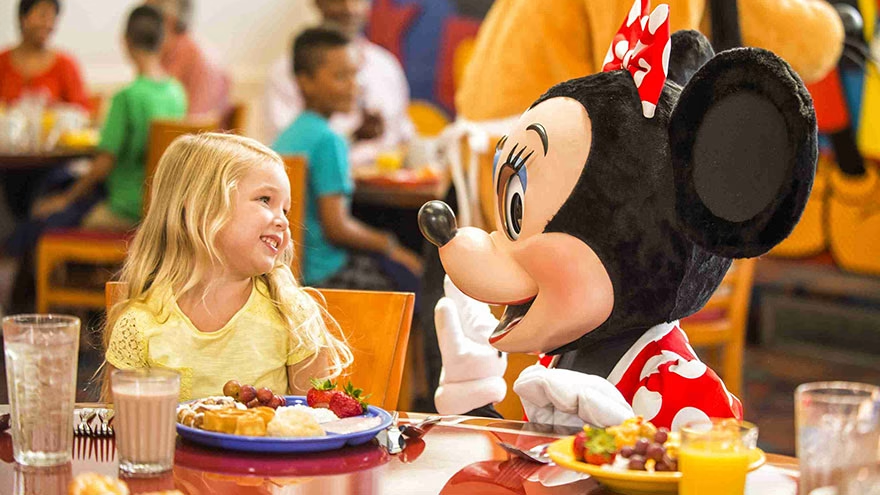
Start With a Food Budget Before the Trip
Eating cheap at Walt Disney World is easier when the food budget is decided before anyone is hungry. Park days are long, weather can be hot, and convenience costs money. A simple plan keeps snacks, water, and quick-service meals from becoming a string of impulse buys.
Do not build the plan around exact old prices from a blog post. Menus and prices change. Use Disney's official app and website close to your travel dates, then choose a daily food number that your group can actually follow.
The cheapest meal is the one you planned before the line got long.
Bring Food That Disney Allows
Walt Disney World says guests may bring outside food and nonalcoholic beverages into the parks for self-consumption, with restrictions such as no glass containers. This is one of the simplest ways to cut spending without leaving the park.
Pack food that survives heat and walking: granola bars, trail mix, crackers, fruit pouches, sandwiches in a soft cooler, jerky, apples, pretzels, and electrolyte packets. Avoid messy items that need heating, refrigeration, or a lot of cleanup.
If you are organizing snacks in a hotel room or vacation rental, Livecub's cookie display guide can give ideas for keeping treats visible without turning the room into a mess.
Use Water Refill Stations
Disney lists water bottle refill stations across Walt Disney World Resort. Bring a reusable bottle for each person, then refill through the day instead of buying bottled drinks whenever someone gets thirsty.
Florida heat changes food math. A family that stays hydrated is less likely to buy extra drinks, extra frozen treats, and extra sit-down meals just to recover. Water planning is budget planning.
Hydration is the least glamorous money saver in the parks.
Use Mobile Order Before Hunger Peaks
Disney's mobile food ordering lets guests choose a participating location, set an arrival time, customize items, and pay in the My Disney Experience app. That can prevent panic ordering at the nearest counter.
Look at menus while waiting for a show or riding transit, not when everyone is tired. Compare entrees, side portions, kids meals, and shareable items. Mobile order will not make every meal cheap, but it gives you time to choose.
Livecub's walking sticks adjustment guide is unrelated to dining, but useful for travelers thinking about comfort on long walking days.
Choose Quick-Service More Often
Quick-service restaurants usually cost less than table-service meals and take less time. Disney's dining plan page describes quick-service locations as counter-style places where guests order, pay, and sit down to eat. For budget trips, that format is usually easier to control.
Use table-service meals selectively. One character meal or themed dinner may be worth it for a special day, but booking one every day can crush the food budget. Put the expensive meal where it adds the most value.
Share Meals When Portions Allow
Some quick-service entrees are large enough for a light eater and a child, or for two adults who also packed snacks. Sharing works best when you are honest about hunger. It works badly when one person ends up eating half a meal and buying dessert ten minutes later.
Order one shareable entree first, then add sides or another meal if needed. This is easier with mobile order because you can look at the menu without feeling rushed by a line.
Sharing saves money only when everyone still gets enough food.
Make Breakfast Cheap
Breakfast is often the easiest meal to control. Eat in the room before leaving, or bring portable breakfast items for the bus, monorail, Skyliner, or walk to the gate. Oatmeal cups, yogurt from the resort shop, bananas, bagels, and protein bars can all reduce morning spending.
Save paid meals for lunch or dinner when the group needs a real break. A calm room breakfast also helps families leave faster because no one is deciding between pastries at the last minute.
Pick Snacks With a Job
Some snacks are part of the Disney fun, and cutting all of them can make the trip feel stingy. Choose snacks with a job: one iconic treat, one cooling treat, and one filling snack. Skip the random extras that happen only because the cart is nearby.
Set a snack rule before entering the park. For example, each person gets one paid snack, and packed snacks cover the rest. Children handle limits better when the rule is clear early.
Think Beyond the Park Gates
Disney Springs, resort quick-service locations, grocery delivery, and off-site restaurants can all help depending on where you stay. Leaving a park for every meal wastes time, but using your hotel room for breakfast and late-night snacks can save real money.
If your trip includes other destinations, Livecub's Gatlinburg shopping guide is a reminder that tourist areas reward people who separate food, souvenirs, and impulse spending before the day starts.
Use Dining Plans Carefully
Disney Dining Plans can make sense for some families, especially when the group likes included drinks, snacks, and planned meals. They are not automatically cheaper. Compare the plan to how your group actually eats, not how much food the plan appears to include.
Disney's official dining plan page notes that 2026 guests can book Quick-Service Dining Plan or Disney Dining Plan options, with plan details and participating locations subject to the official booking flow. Check the current terms before treating any plan as a discount.
A One-Day Cheap Food Example
Eat breakfast in the room. Bring one bottle, two packed snacks, and one sandwich or filling snack per person. Use a quick-service lunch where two people share one larger entree plus a side. Refill water through the day. Buy one planned treat in the afternoon.
For dinner, choose quick service again or leave the park if your lodging makes that easy. This is not the most luxurious Disney food day, but it keeps spending from drifting without making the day feel empty.
A budget Disney day can still include one treat.
Common Budget Mistakes
The first mistake is buying drinks all day because no one packed bottles. The second is skipping breakfast, then overbuying before lunch. The third is booking table-service meals because they feel easier than planning.
Another mistake is ignoring fatigue. A hungry group may choose the closest option, not the best value. Build rest and food into the day before the group is worn out.
Use the Resort Room Like a Pantry
A small room pantry can save more than one clever park order. Keep breakfast items, fruit, salty snacks, and a few late-night options where everyone can find them. If the room has a fridge, use it for yogurt, cheese sticks, and simple sandwich supplies.
Grocery delivery can help, but only if the order is realistic. Do not buy a full kitchen's worth of food for a room with no cooking tools. Buy the items that stop expensive emergency snacks: breakfast, water flavor packets, simple protein, and something salty for hot days.
The room plan should solve predictable hunger.
Time Meals Around Crowds
Eating at peak lunch or dinner time can make every decision feel worse. Try an early lunch, a planned snack during the busiest ride window, and an earlier dinner. Shorter lines make it easier to compare options instead of grabbing the closest tray.
If your group wants one paid treat, put it after a meal rather than before. A sweet snack on an empty stomach often turns into another purchase soon after. A treat after lunch feels more like part of the plan.
Budget Differently for Kids and Adults
Children may want the look of a snack more than the full portion. Split one popcorn, pretzel, or frozen treat first, then buy another if people still want it. Adults may need the opposite: a filling entree instead of several small snacks.
Do not make the cheapest choice for every person if it causes more buying later. The right budget meal is the one that keeps the group fed long enough to enjoy the park.
Frequently Asked Questions
Can you bring food into Walt Disney World?
Yes, Disney allows outside food and nonalcoholic beverages for self-consumption, with restrictions such as no glass containers.
Is quick service cheaper than table service?
Usually, yes. Quick-service meals are often easier to control because there is no long sit-down meal, tip, or multi-course temptation.
Should I buy the Disney Dining Plan?
Compare it against your actual eating style. It can be convenient, but it is not automatically the cheapest choice.
What should I pack to save money?
Bring a reusable bottle, shelf-stable snacks, simple breakfast items, and food that will not melt or need heating.

Timothy Davidson
Edits step-by-step general-interest guides for clarity, realistic limits and source verification.
Leave a reply
Replying to