
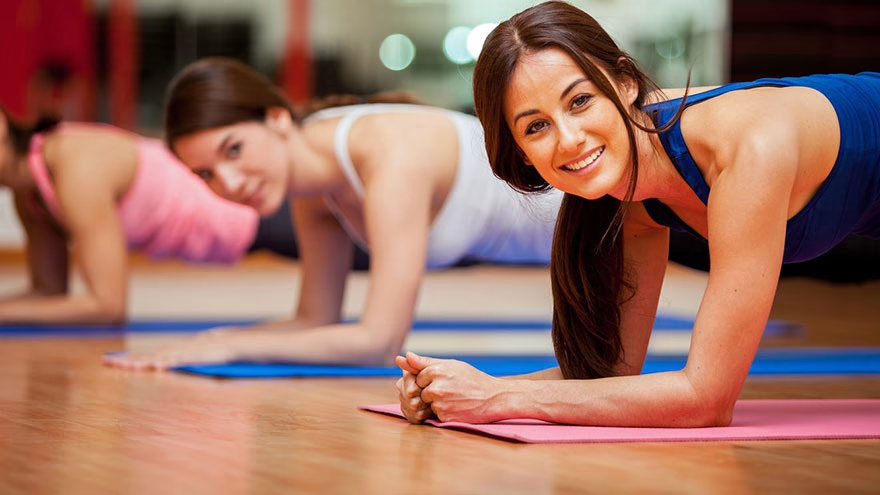
Define lighter before changing anything
People use the phrase make yourself lighter in different ways. Some mean losing body weight. Others mean jumping more easily, moving with less strain, or feeling less heavy during sport. The right plan depends on which meaning you actually need.
Do not confuse lighter with dehydrated, underfed, or exhausted. Those shortcuts can make performance worse and increase risk. The useful goal is less strain with more control.
Start with basic movement economy
A body can feel lighter when movement becomes cleaner. Shorter ground contact, better posture, stronger hips, and relaxed shoulders can make walking, running, dancing, and jumping feel less labored. This is not magic; it is practice and strength.
Simple drills such as marching, step-ups, low skips, and controlled landings can help. If you train with boards or spring surfaces, ideas from jump board work show how control matters more than height.
Use strength to reduce effort
Strength training can make everyday movement feel easier because the same task uses a smaller share of your capacity. Squats to a chair, glute bridges, calf raises, rows, and carries can all support a lighter-feeling body without needing extreme workouts.
For jumping or quick footwork, focus on hips, calves, trunk control, and landing mechanics. A person who lands quietly often looks lighter because force is being managed better.
Approach weight change slowly
If body weight loss is part of the goal, use steady habits rather than crash tactics. The NIDDK offers practical guidance on eating and activity for long-term weight management. The main idea is consistency, not punishment.
A small calorie deficit, protein at meals, enough fiber, and regular movement can change body weight over time. Severe restriction can leave you flat, irritable, and more likely to rebound.
Hydrate instead of cutting water
Cutting water to feel lighter is a poor trade for most people. Dehydration can hurt focus, heart rate control, digestion, and heat tolerance. If you have to perform, travel, or exercise, being underhydrated often makes the body feel heavier, not lighter.
Use normal hydration and reduce bloating triggers more gently: very salty meals, huge late meals, carbonated drinks for some people, and foods that you know upset your stomach.
Improve posture and breathing
Rounded shoulders, stiff ribs, and shallow breathing can make movement feel cramped. A few minutes of walking tall, relaxed nasal breathing if comfortable, and gentle mobility work can change how heavy the body feels before a workout.
This is especially helpful before dance, aerobics, or sprint work. A better starting position helps the feet move under you instead of dragging behind.
Train impact gradually
Jumping, sprinting, and quick direction changes need gradual exposure. Start with small hops, soft landings, step-downs, and short intervals. Use a safe surface, not a slippery floor or uneven yard.
If you need a practice area, even a project such as making a tumbling mat points to the same issue: landing surface changes how confident and controlled movement feels.
Use cardio without overdoing it
Cardio can support weight change and stamina, but more is not always better. Mix easier sessions with harder ones and keep at least some days comfortable enough to recover from. The CDC activity guidance at cdc.gov is useful because it treats activity as a weekly pattern.
Energetic workouts such as Tae Bo, stairs, or intervals should be placed where your joints can handle them. A lighter-feeling body is often a recovered body.
Track the right signals
Use more than the scale. Track sleep, waist or clothing fit if relevant, workout effort, pain, mood, and how stairs or walking feel. If performance is dropping while weight drops, the plan may be too aggressive.
A good sign is that daily movement feels easier without constant hunger or soreness. That is a better target than chasing a number by a certain date.
Use shoes and surfaces to reduce drag
Sometimes the body feels heavy because the surface or footwear is working against you. Worn shoes, stiff soles, slippery floors, and uneven ground can make every step feel dull. Before blaming fitness, check the basic setup.
Good equipment does not need to be fancy. It needs to fit, grip appropriately, and let you move without fighting the floor.
Practice quiet landings
Quiet landings teach the body to absorb force. Start with small step-downs, gentle hops, or low skips. Listen for noise and feel for control. The goal is not silence at any cost; it is smoother contact with the ground.
A quieter landing often feels lighter because the hips, knees, and ankles share the work instead of dumping it into one joint.
Reduce friction in daily habits
Sleep, meal timing, stress, and long sitting can affect how heavy the body feels. A person can be fit and still feel sluggish after poor sleep or a rushed day. Look at the whole routine, not only the workout.
Small changes help: walk after meals, stand up during long work blocks, prepare a steady breakfast, and stop training hard when recovery is clearly behind. Lightness is partly readiness.
Avoid comparison traps
Another person's body may look springy because of years of practice, different proportions, lower injury history, or sport-specific skill. Copying the surface result without the base can lead to frustration.
Track your own signs: stairs feel easier, jumps feel cleaner, walks feel faster, or workouts require less effort. Those changes count even before anyone else notices.
Food timing can change how movement feels
A huge meal right before training can make the body feel heavy even when fitness is fine. A too-small meal can make you feel weak. Experiment with timing, portion size, and familiar foods before important workouts.
The goal is steady energy. Feeling lighter should not mean feeling empty, shaky, or distracted by hunger.
Carry less outside the body too
Backpacks, heavy bags, stiff clothing, and poor work shoes can make daily movement feel harder. Lightening what you carry may be the fastest fix for sore shoulders, tired feet, and sluggish walking.
Load is load, even when it is not body weight. Look at bags, gear, and posture before assuming the body is the whole problem.
Make lightness measurable
Choose two or three signs to track: stair comfort, walking pace, jump landing noise, workout recovery, or how a familiar run feels. These markers show progress that a mirror may miss.
Review them every few weeks. A body that moves with less strain is doing something right, even when the scale changes slowly.
Use mobility where you feel stuck
Stiff ankles, hips, or upper back can make movement feel heavier because the body has to work around blocked positions. Add a few minutes of targeted mobility before training and see whether stride, squat, or jump mechanics feel smoother.
Keep it specific. Random stretching is less useful than choosing the two areas that actually limit your movement.
Do not confuse light with fragile
The goal is not to become delicate. A lighter-feeling body should still be strong, fed, hydrated, and able to handle daily work. Strength and lightness can support each other.
If a plan makes you weaker, colder, moodier, or more fearful around food, it is moving in the wrong direction.
Keep the plan boring enough to repeat
Dramatic changes often feel exciting for a few days, then collapse. A lighter-feeling body usually comes from ordinary habits repeated long enough to matter: walks, strength, sleep, steady meals, and practice.
Frequently Asked Questions
Can I make myself lighter in one day?
You can reduce temporary heaviness by sleeping, hydrating, eating normally, warming up, and avoiding foods that bother your stomach. You cannot safely create meaningful fat loss in one day.
For sport or performance, focus on feeling prepared rather than trying to force a rapid change.
Does losing weight always make movement easier?
Not always. Strength, coordination, mobility, shoes, recovery, and pain also affect how light movement feels.
Some people feel better after gaining strength even before body weight changes much.
Should I cut carbs to feel lighter?
Some people feel less bloated with certain food changes, but cutting carbs hard can reduce training energy. The better choice depends on your body, sport, and health needs.
Use personal data. If a food change makes workouts worse, it may not be helping the real goal.
When should I get medical advice?
Get help if weight change is rapid, unexplained, tied to disordered eating, or paired with dizziness, fainting, chest pain, or persistent fatigue.
A clinician or registered dietitian can help you separate safe body-composition goals from risky shortcuts.

Olivia Prete
Edits culture and personal-development articles, distinguishing opinion and experience from verifiable claims.
Leave a reply
Replying to