
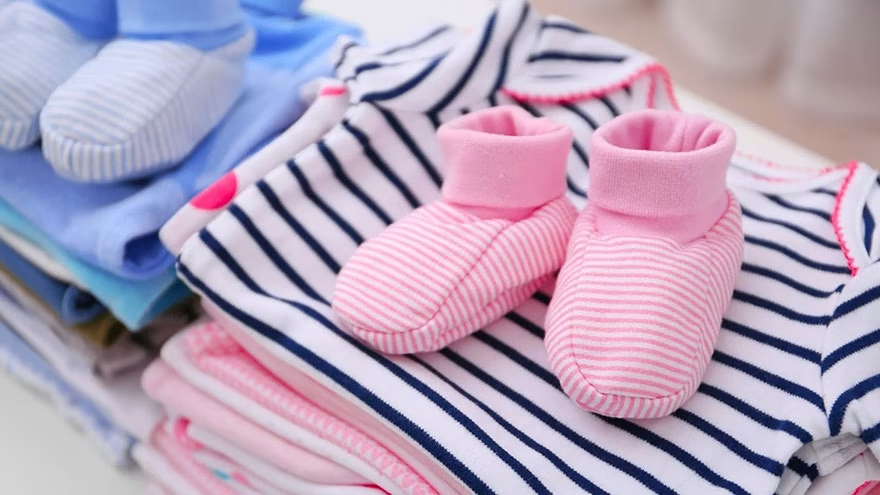
List of Necessities for Newborn Babies should start with safety and daily care, not with a decorated nursery. A newborn needs a safe place to sleep, a way to feed, diapers, simple clothes, basic health supplies, clean air, and adults who can reach what they need at 3 a.m.
The list gets easier when you separate true needs from nice extras. Buy or borrow the basics first, then wait to see what your baby, home, feeding plan, climate, and budget actually require.
Safe Sleep Comes First
A newborn needs a crib, bassinet, or play yard made for infant sleep, with a firm flat mattress and a fitted sheet. That is enough for the sleep surface.
The American Academy of Pediatrics says babies should sleep on their backs, on a firm flat non-inclined surface, and without soft bedding: AAP safe sleep guidance.
Skip pillows, loose blankets, bumpers, sleep positioners, stuffed animals, and decorative bedding. A bare sleep space can look plain, but plain is the point.
Choose Sleep Products Carefully
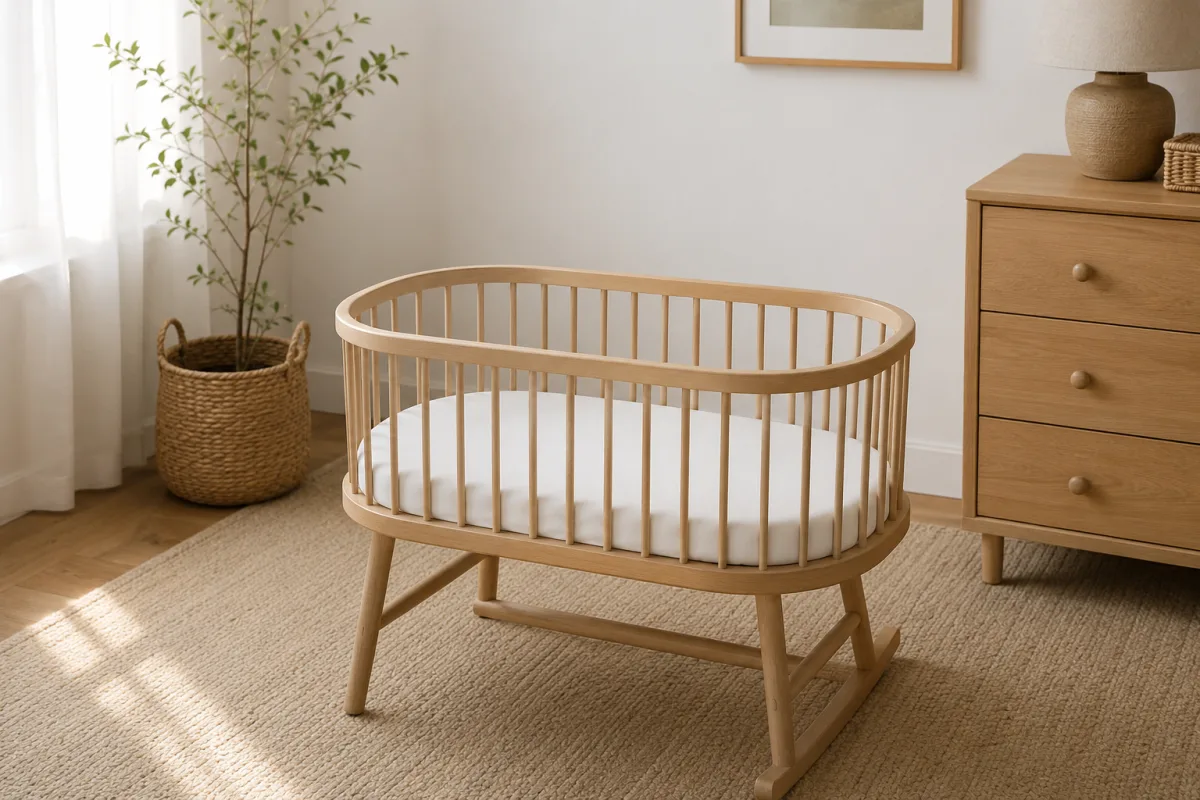
Not every baby product is safe for sleep. Loungers, swings, car seats outside travel, nursing pillows, and inclined products are not replacements for a crib, bassinet, or play yard.
CPSC's infant sleep guidance repeats the Bare is Best message and tells caregivers to use products intended for sleep: CPSC safe sleep guidance.
If a product's marketing sounds vague, look for whether it is actually made for infant sleep. Convenience should not outrank a safe sleep surface.
Diapering Basics
Start with newborn or size 1 diapers, wipes, diaper cream, a changing pad or washable mat, and a small trash setup. You do not need a full changing table if your space is tight.
Keep one hand on the baby during raised changes. If you are exhausted or the surface feels awkward, change the baby on a floor mat.
Set up a refill basket near the sleep area and another near the main daytime area if your home has more than one floor.
Feeding Supplies
Feeding needs depend on the plan. Breastfeeding parents may want burp cloths, nursing pads, nipple care if recommended, water bottles, snacks, and a few bottles in case pumping or supplementation is needed.
Formula-feeding families need bottles, nipples, formula, a safe way to wash and dry parts, and clear preparation instructions. Do not buy huge bottle sets before you know what shape your baby accepts.
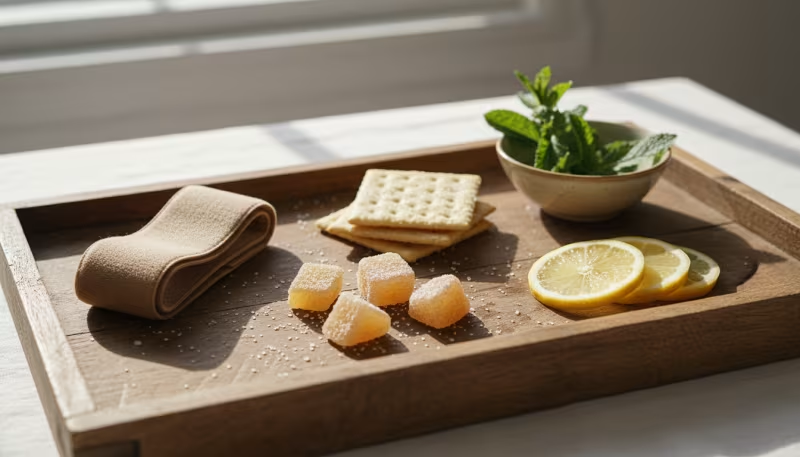
If pregnancy nausea or recovery makes food hard for the parent, bland pregnancy foods can help with gentle meal ideas while the baby supply list stays practical.
Simple Clothing
Newborn wardrobes should be boring and washable: side-snap shirts or bodysuits, sleepers, socks if needed, a few hats depending on climate, and enough spares for spit-up and diaper leaks.
Avoid complicated outfits for daily life. Tiny buttons and stiff fabrics become annoying fast during night changes.
Buy lightly at first. Some babies skip newborn size quickly, while smaller babies may need it longer.
Bath And Skin Supplies
A few soft washcloths, mild baby cleanser, towels, and a safe bathing spot are enough at first. Newborns do not need a cabinet full of lotions and fragrances.
Use products with simple labels and avoid strong scents, especially if the baby has sensitive skin or the family has eczema history.
Keep bath supplies within reach before starting. Never leave a baby alone in water, even briefly.
Health Basics
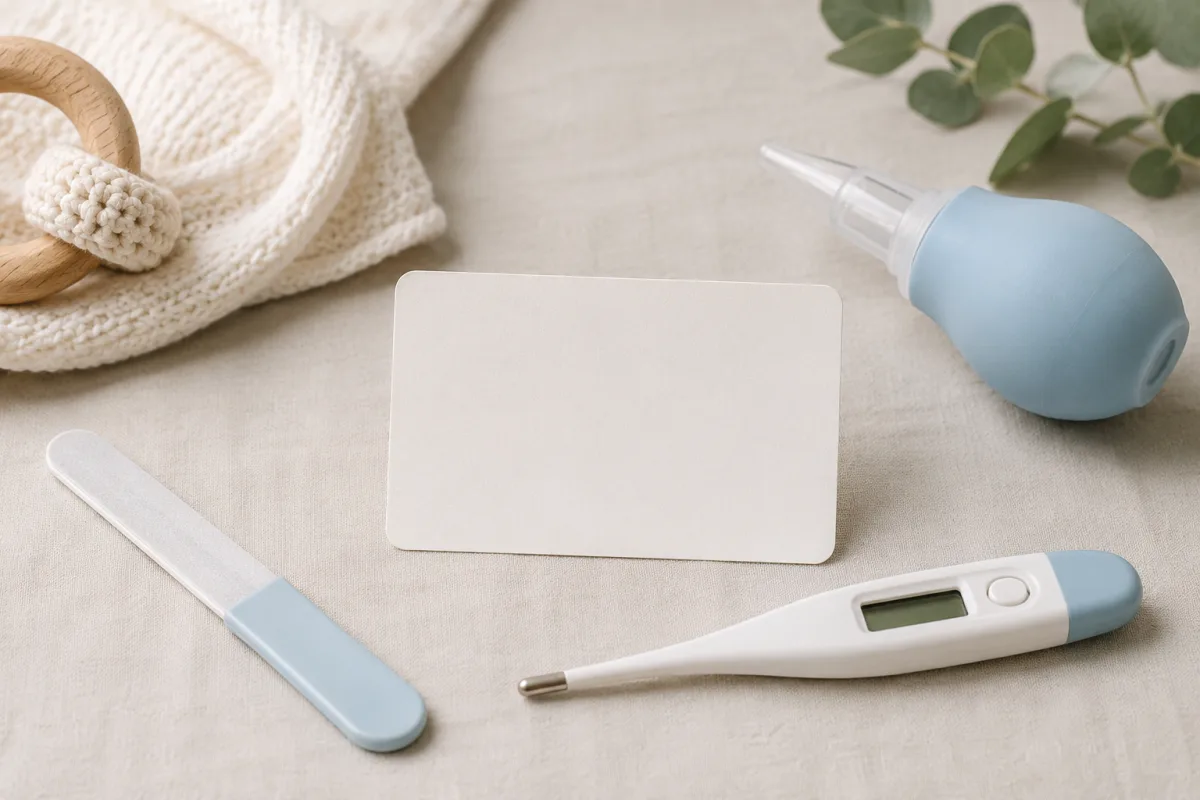
A digital thermometer, baby nail file or clippers, saline drops if your clinician recommends them, a bulb syringe or nasal aspirator, and the pediatrician's phone number are useful basics.
Ask the pediatrician what fever threshold and symptoms require a call. Fever advice for newborns is stricter than for older children.
Write the baby's birth date, weight, medication allergies if any, and pediatrician details in a place caregivers can find.
Car Seat Or Safe Transport
If the baby will travel by car, an appropriate rear-facing car seat is needed before leaving the hospital or birth center. Install it before the due date if possible.
Do not use a car seat with an unknown crash history, missing labels, expired date, or missing parts. If the seat is borrowed, check the manual and expiration date.
A car seat is for travel, not routine sleep. Move the baby to a safe sleep surface when the trip ends.
Clean Air And Temperature
Newborns benefit from smoke-free air, moderate temperature, and simple layers. Do not overheat the baby with heavy blankets, hats indoors, or multiple thick layers.
CDC explains that secondhand smoke is linked with sudden infant death syndrome and breathing problems in children: CDC secondhand smoke information.
If visitors smoke, ask them to smoke outside, wash hands, and change smoky outer layers before holding the baby.
Parent Recovery Supplies
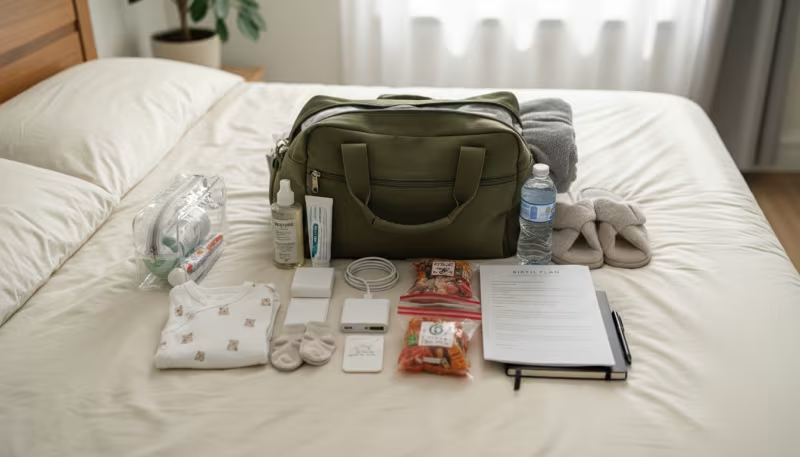
The birthing parent needs supplies too: pads, peri bottle if given, comfortable underwear, pain medicine if prescribed, water, snacks, and a reachable charging cable.
If a partner or support person is involved, early labor support may help them practice calm, practical help before birth.
A list that ignores adult recovery will fail when the baby comes home.
A Place For Night Care
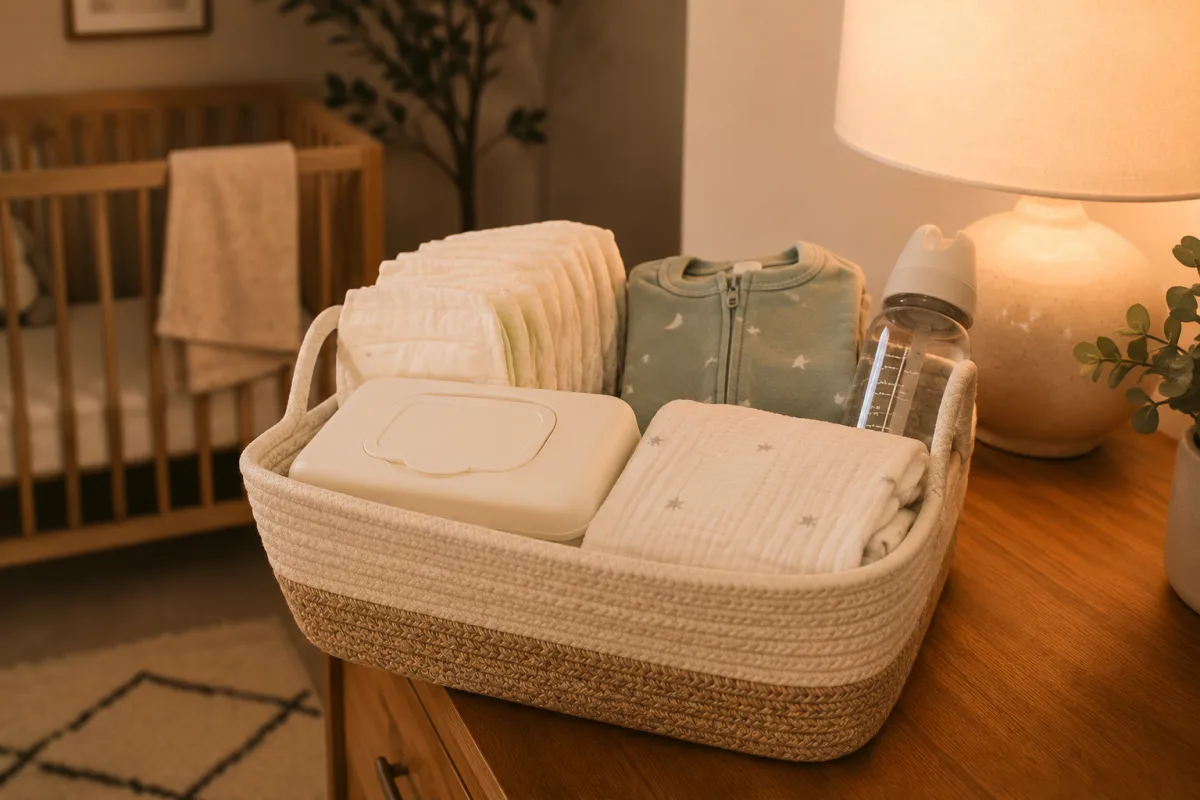
Put diapers, wipes, burp cloths, a spare sleeper, water, and a dim light near the night sleep area. This prevents full-room searches during feeds and changes.
Use one small basket or cart so supplies do not spread everywhere. Refill it during the day, not while the baby is crying at night.
If you live in a small space, the best setup is the one you can use half asleep without tripping.
What To Skip At First
Many families can wait on wipe warmers, fancy bottle systems, baby shoes, large toy sets, elaborate bedding, and several seats or swings.
Some extras become useful later, but buying everything early creates clutter and pressure. Start with the first two weeks of real care.
If pregnancy body changes are making preparation emotionally loaded, feeling attractive during pregnancy may help with the personal side.
Visitor And Help Supplies
Keep hand soap, hand sanitizer if used, tissues, a trash bin, and a simple visitor rule ready. People should not visit while sick, and smokers need clear boundaries.
Ask visitors for useful help: food, laundry, dishes, pharmacy runs, or holding the baby while you shower.
If you are planning family news before birth, gender announcement ideas can stay separate from the safety list.
Laundry And Backup Items
Newborns do not need a huge wardrobe, but they do need backups. Diaper leaks, spit-up, and milk spills can use several outfits and burp cloths in one day.
Keep extra fitted sheets, sleepers, and burp cloths where you can grab them quickly. If laundry is shared or far away, a slightly larger stash may reduce stress.
Choose fabrics that wash easily. Delicate outfits are fine for photos, not for ordinary nights.
Organize By Use, Not By Category
A perfect closet does not matter if the wipes are across the room during a diaper change. Store supplies where the task happens.
Put feeding items near the feeding chair, diaper items near the changing spot, and backup clothes near the night station.
This is especially helpful in small homes where one basket may do more than one job.
Borrow Carefully
Borrowing can save money, but check safety first. Avoid used car seats with unknown history, old cribs with missing hardware, recalled products, or sleep items that no longer meet current guidance.
Soft items such as clothes and blankets can often be borrowed more safely if they are clean and in good condition, but blankets still stay out of the sleep space.
When in doubt, check the product model and current recall information before using it.
Frequently Asked Questions
What does a newborn need on day one?
Safe sleep space, diapers, wipes, feeding supplies, simple clothes, a thermometer, and adult recovery supplies cover most day-one needs.
How many newborn outfits should I buy?
Start small. A handful of sleepers and bodysuits is usually enough until you know the baby's size and laundry rhythm.
Do I need a changing table?
No. A washable mat on a safe surface can work if supplies are close and the baby is supervised.
What should not be in the crib?
Keep pillows, blankets, bumpers, toys, and loose bedding out of the sleep space.
Should I buy everything before birth?
Buy the safety and feeding basics first. Many extras can wait until you know what you use.
This article is for general information only and isn't a substitute for medical advice. Talk to a clinician who knows your full history before making changes.

Alyssa Curlin
Edits general health, nutrition and education explainers. Medical topics are educational and link to public-health guidance.


Leave a reply
Replying to