

Basset Hound breeder recommendations should start with the dog you are trying to avoid buying: a sweet-looking puppy from parents with no clear health records, no thoughtful selection, no support, and no honest discussion of the breed's real upkeep. Bassets are charming, but their body shape, ears, eyes, joints, and stubborn hound temperament all deserve careful breeding.
A good breeder does more than produce low, long puppies with soft eyes. They know the pedigree, screen for inherited problems, raise puppies around normal household handling, ask buyers hard questions, and remain available after the sale. The right breeder may make you wait. That is usually a good sign.
The waiting period is useful. It gives you time to learn the breed, check records, meet adults, compare breeders, and prepare the house. A rushed purchase often means the seller's timeline mattered more than the puppy's long-term placement.
What Should A Basset Hound Breeder Know?
A breeder should know Basset structure, temperament, health risks, breed standard, socialization, feeding, weight control, ear care, and the difference between a pet puppy and a show prospect. The American Kennel Club describes the Basset as low-slung, low-key, and sometimes stubborn. That stubborn hound nature should not surprise the breeder or the buyer.
Ask what the breeder loves about the breed and what makes it difficult. If every answer is sales language, keep looking. A serious Basset person will talk about drool, odor, ears, stairs, weight, training, and why a hound nose can make recall unreliable.
What Health Testing Should You Ask For?
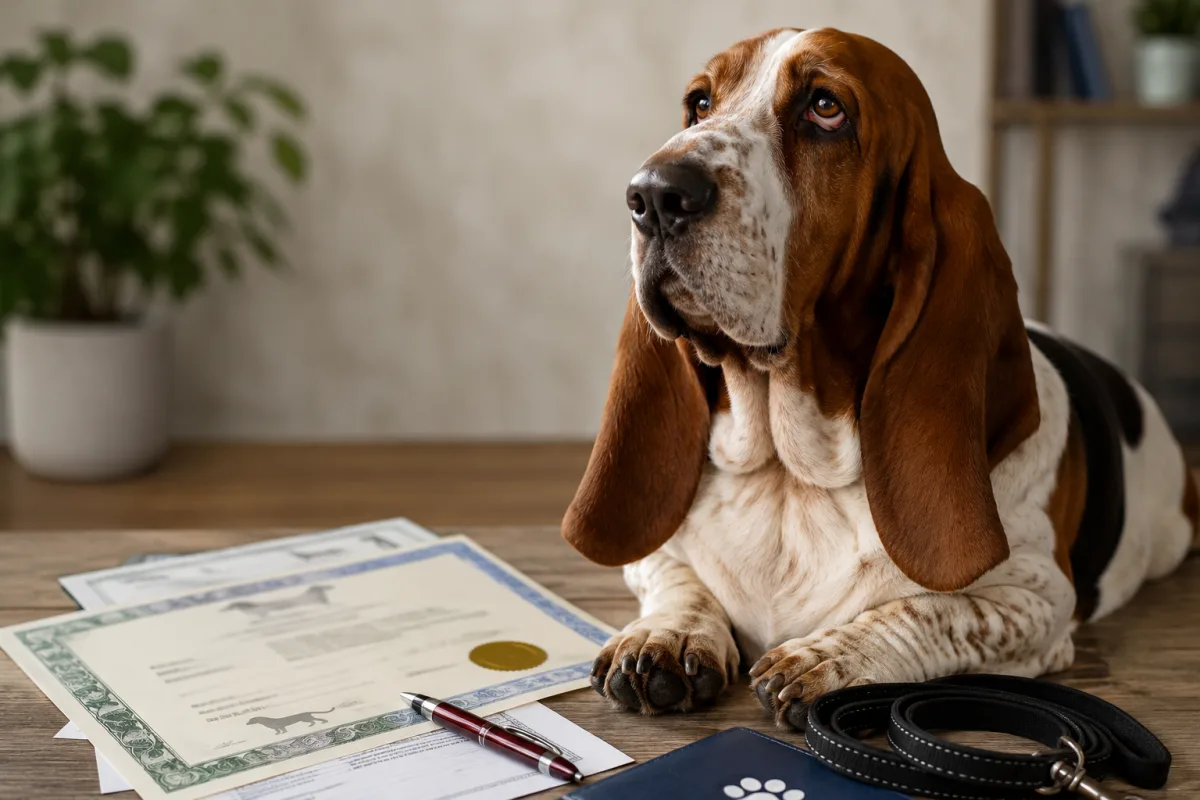
Ask for documented health testing on the sire and dam, not only a vet check on the puppy. The Basset Hound Club of America's health statement identifies DNA-testable inherited conditions including thrombopathia, primary open angle glaucoma, MPS1, and Lafora disease. Breeders should be able to explain what they test, why it matters, and how they avoid risky pairings.
The BHCA also encourages careful breeding practices through its Health and Research Committee. Health testing is not about perfection. It is about transparency and informed decisions. If a breeder says their line has never had a problem, that is not reassuring.
Ask to see certificates or database entries. If the breeder says testing was done but cannot show records, treat that as unfinished information. Livecub's Staffordshire Bull Terrier health problems article shows why health claims need specifics, even across different breeds.
Also ask how results affect breeding choices. A carrier result is not automatically disqualifying if paired responsibly and explained clearly. Silence is the problem. A breeder should be able to describe how testing, pedigree knowledge, and puppy placement reduce risk.
How Should A Breeder Discuss The Parents?
You should be able to learn about both parents: temperament, age, health testing, strengths, weaknesses, show or performance record if any, and why this pairing was made. A breeder may not own both parents, but they should still know the stud dog and have records.
Meet the dam if possible. Watch how she moves, how she reacts to people, and whether she seems comfortable in the environment. A tired mother with puppies is not a performance animal, but she should not appear neglected, terrified, or hidden without explanation.
What Questions Should The Breeder Ask You?
A careful breeder interviews buyers. Expect questions about your home, yard, stairs, work schedule, children, other pets, training plans, previous dog experience, and what you will do if the dog develops a health issue. That is not nosiness. It is placement work.
AKC breeder-question guidance recommends asking about parent health testing, breeder experience, puppy socialization, and medical records. A good conversation goes both ways. You interview the breeder; the breeder interviews you.
How Are Basset Puppies Raised Well?
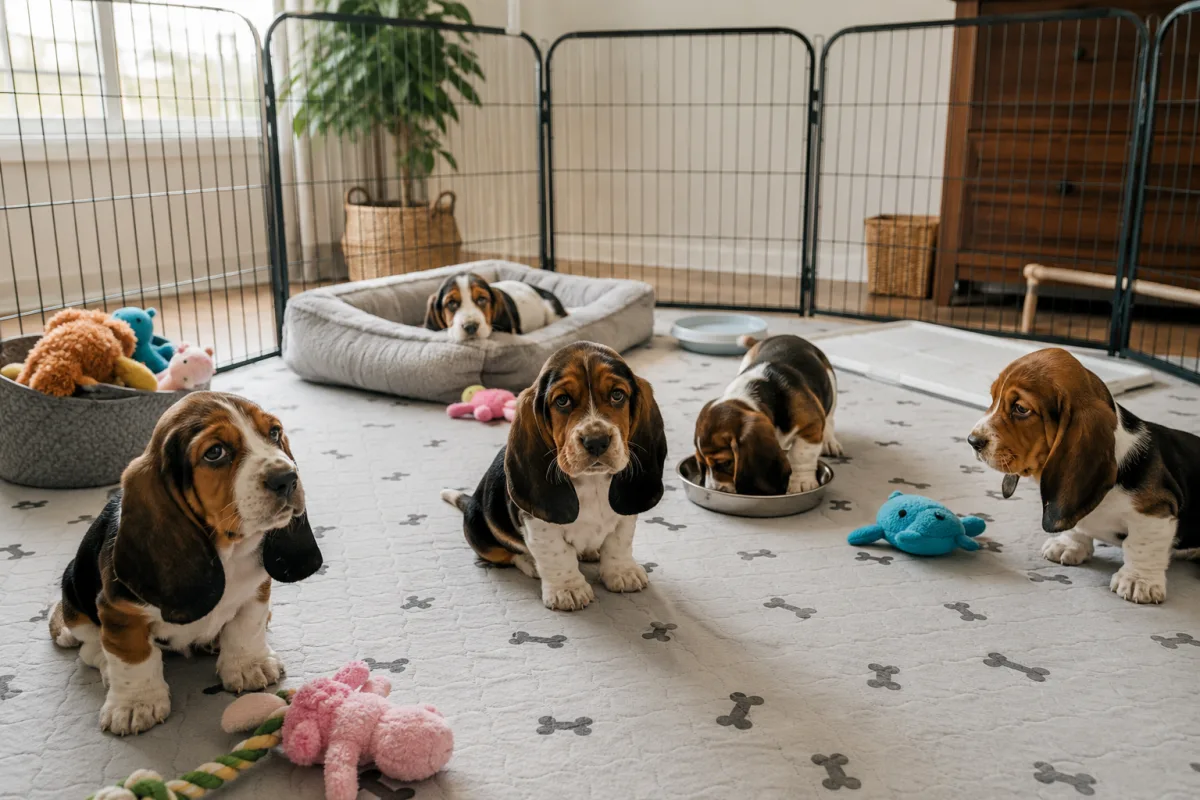
Puppies should be clean, alert, handled gently, and exposed to ordinary household life at an age-appropriate pace. That can include surfaces, soft sounds, nail handling, short crate introductions, visitors, car rides, and early potty routines. It should not include chaos, rough handling, or constant isolation.
Ask what the puppies have experienced before they leave. A breeder who can describe the socialization plan in plain detail has usually done the work. If you are still learning breeder questions, Livecub's Brittany Spaniel breeder recommendations gives a useful comparison for another breed.
What Should Be In The Contract?
A contract should identify the puppy, buyer, seller, registration terms, health records, return policy, spay or neuter agreement if any, show or breeding restrictions if any, and what happens if the buyer can no longer keep the dog. Read it before pickup day.
The Basset Hound Club of America buyer-beware guidance warns buyers to listen carefully to health guarantee claims and ask what problems breeders have had in the past. A guarantee is not a substitute for testing, honesty, and support.
Ask how disputes are handled. Some contracts require the dog to be returned to the breeder, some require notice before rehoming, and some include limited remedies for health findings. You do not need to like every clause, but you should understand every clause before money changes hands.
What Red Flags Should Make You Walk Away?

Walk away from breeders who always have puppies, will not discuss health testing, refuse records, pressure quick payment, ship without conversation, hide where puppies live, use only vague promises, or cannot explain why the litter was bred. Be cautious with dramatic "rare" color marketing too.
Also be wary if the breeder dismisses Basset weight, ears, eyes, skin, or back concerns as buyer overthinking. A Basset's structure is part of the breed, and care is part of ownership. Livecub's Basset Hound common questions can help you check whether the breed itself fits before choosing a breeder.
Photos can hide conditions. Ask for a live video call or a visit if distance allows. Look for clean footing, safe puppy areas, access to water, appropriate body condition, and dogs that seem accustomed to people. A pretty advertisement should not be the full evaluation.
Should You Choose Pet Or Show Quality?
Most buyers want a healthy companion, not a show prospect. Pet quality should still mean sound temperament, thoughtful breeding, records, and support. It does not mean second-rate care. It usually means the dog has a cosmetic or structural detail that makes it less suited to showing or breeding.
If you want to show, say that early. The breeder will look at structure, movement, bite, temperament, and pedigree differently. If you want only a family companion, say that too. Clear goals help the breeder place the right puppy.
How Do You Prepare Before Bringing A Basset Home?
Prepare for weight management, ear care, nail trimming, low-impact exercise, training, and stairs. Long ears need regular checks. A heavy body on short legs needs careful weight control. A scent hound nose needs leash management and secure outdoor space.
Buy supplies for the adult body, not just the puppy. Choose a supportive bed, easy-clean bowls, safe ramps if needed, a well-fitted collar or walking setup, grooming wipes for ears and folds, and treats small enough for training without overfeeding.
Livecub's Rottweiler questions may seem unrelated, but it makes the same ownership point in a different breed: a good match depends on the adult dog, not only puppy appeal.
Frequently Asked Questions
How do I know if a Basset Hound breeder is responsible?
Look for records, health testing, clean conditions, thoughtful questions, contract terms, and honest discussion of breed problems.
Should I see both Basset Hound parents?
Meet the mother if possible. The father may live elsewhere, but records and details should be available.
Are health guarantees enough?
No. A guarantee helps only after a problem. Testing, records, and honest breeding decisions matter before purchase.
What age should a Basset puppy go home?
Follow local law and breeder guidance. Many responsible breeders keep puppies long enough for socialization and early vet care.
Is a cheaper Basset puppy a bad idea?
Not always, but a low price without testing, support, and records can become expensive later.
What Is The Best Breeder Choice?
Choose the breeder who is willing to slow the sale down. The best Basset Hound breeder recommendations point toward records, transparency, health testing, socialization, and support after pickup. A careful breeder wants the right home as much as the buyer wants the right puppy. That patience protects the dog and the family that brings it home. Slow choices age better.

Tory Stearns
Edits practical household, travel and lifestyle explainers. Claims that can change are linked to current primary or subject-authority sources.



Leave a reply
Replying to