
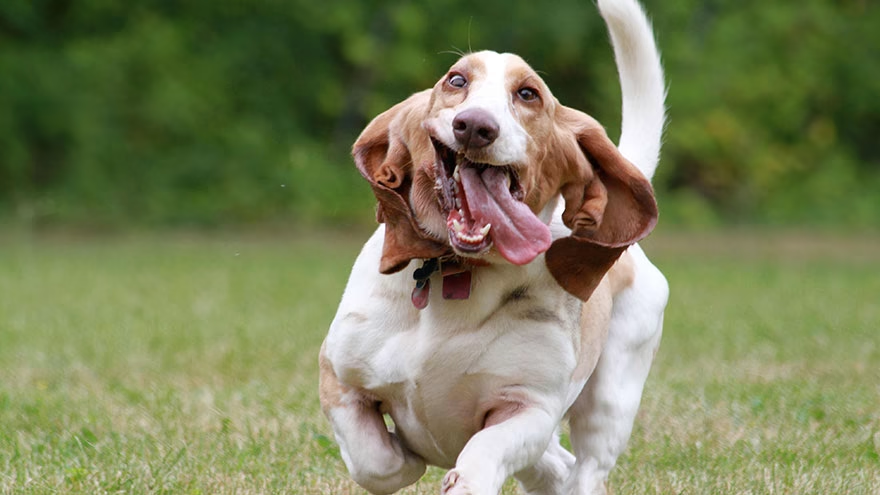
Problems With Basset Hounds are usually tied to the same traits people love: long ears, loose skin, heavy bone, short legs, strong nose, big appetite, and a stubborn streak. The breed can be wonderful, but it is not maintenance-free.
This does not mean every Basset is unhealthy or difficult. It means owners should know the likely trouble spots before they bring home a low-slung hound with sad eyes and very strong opinions.
What Problems Are Most Common?
The American Kennel Club describes Bassets as scent hounds built for endurance rather than speed, with long ears and a deliberate way of moving. That body shape affects care.
The big owner concerns are obesity, ear infections, skin problems, back and joint strain, bloat risk, eye issues, stubborn training, barking or baying, drool, shedding, and scent-led wandering.
Why Is Weight Such A Big Problem?

Bassets love food, and many are excellent actors at the empty-bowl tragedy. Extra weight puts pressure on the back, elbows, hips, knees, feet, and breathing. A few pounds can matter on a dog built low and heavy.
PetMD's Basset Hound care guide emphasizes measured meals and feeding routines. Owners need to count treats, use body condition, and work with a veterinarian before weight becomes a crisis.
Why Do Basset Ears Cause Trouble?
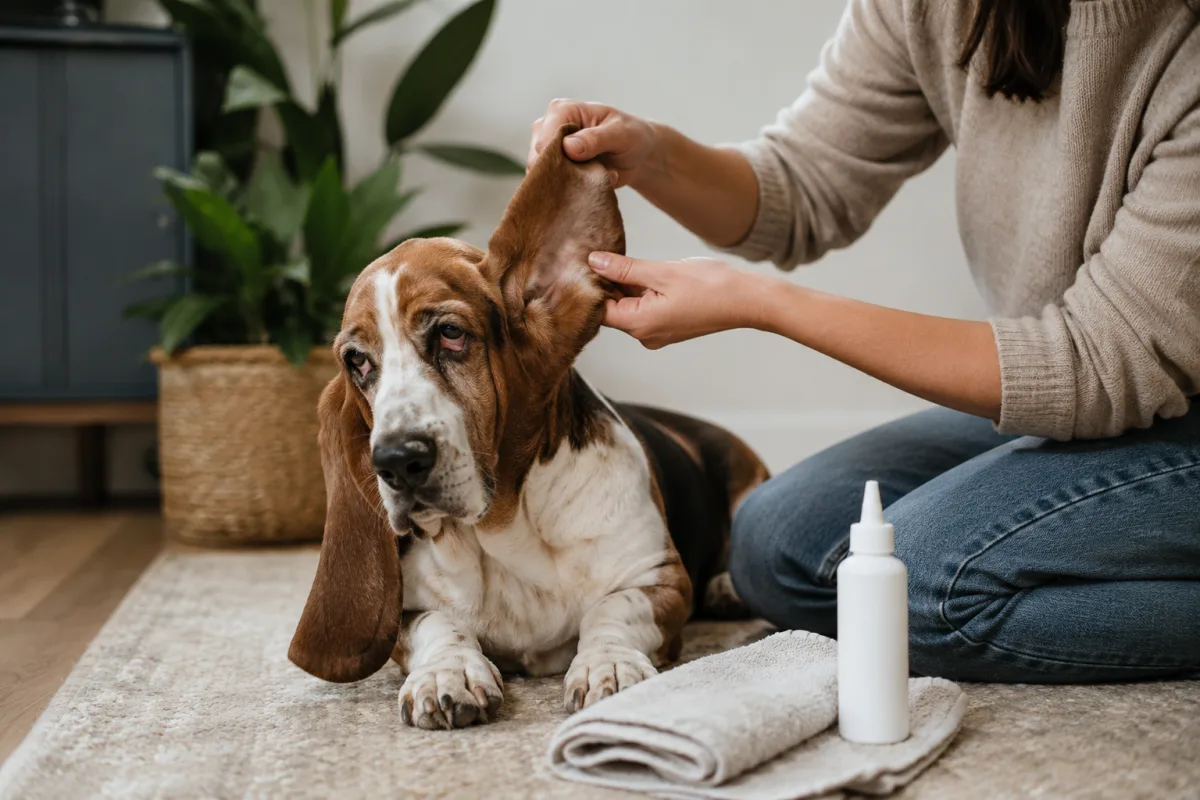
Those long ears are charming, but they limit airflow and can trap moisture, wax, and debris. Ear infections can become painful and recurrent if owners treat odor as normal hound smell.
Check for redness, scratching, head shaking, discharge, swelling, or strong smell. Ask your vet what cleaner to use and how often. Over-cleaning can irritate ears too, so get a plan rather than guessing.
What Skin Issues Happen?
Loose skin and folds can hold moisture. Allergies, yeast, bacterial infections, hot spots, and greasy coat issues may show up as odor, licking, redness, flakes, or repeated irritation.
Regular brushing and fold checks help. Livecub's longhair Dachshund grooming guide is for another long-bodied dog, but the inspection habit is similar: grooming is also a health check.
Can Bassets Have Back And Joint Problems?
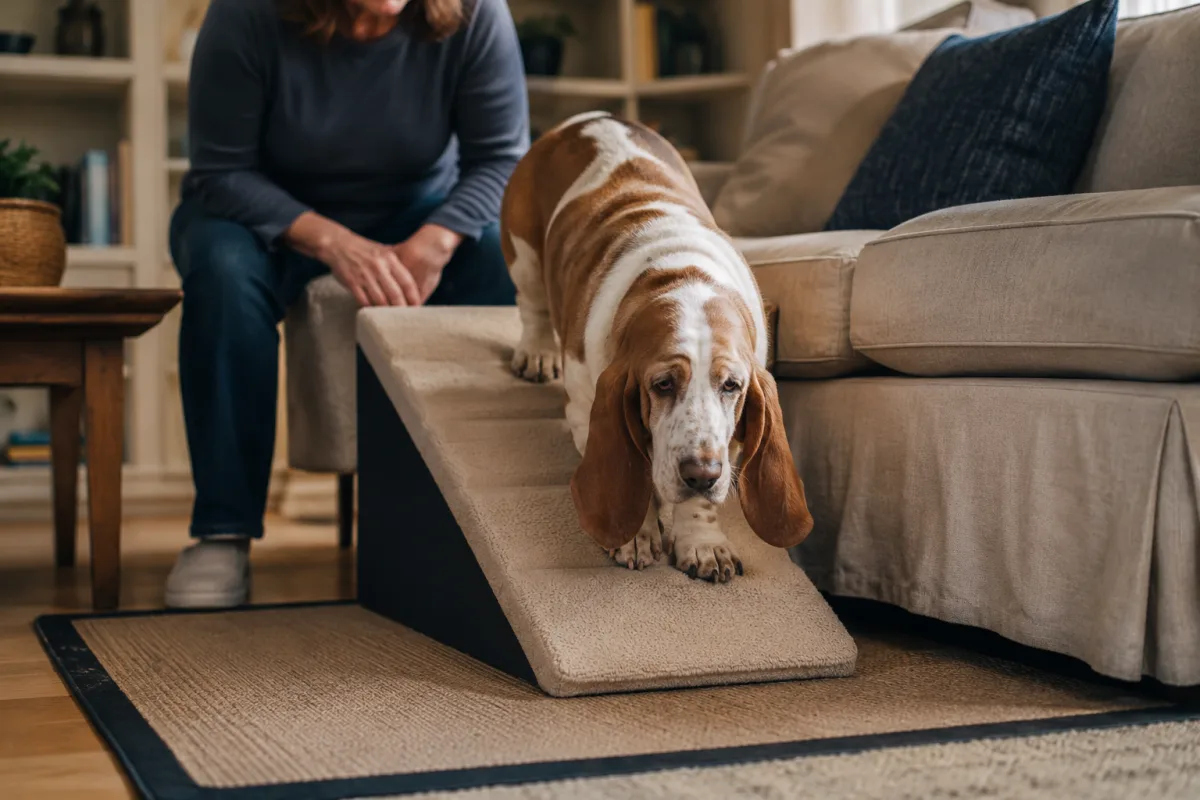
Yes. The long, heavy body and short legs can make jumping, stairs, slippery floors, and obesity harder on the dog. Not every Basset needs to live in bubble wrap, but repeated impact is not wise.
Use ramps when helpful, keep nails trimmed, provide traction, and avoid letting puppies launch off furniture. If limping, weakness, dragging, crying, or sudden movement changes appear, call the vet.
What Eye Problems Can Show Up?
Basset eyes can look droopy and expressive, but redness, squinting, discharge, cloudiness, rubbing, or sudden vision changes are not just part of the look. Eye pain can worsen fast.
Owners should get eye concerns checked instead of using leftover drops or waiting for a dramatic change. The earlier a vet sees a painful eye, the better the chance of protecting comfort and sight.
What Is The Bloat Concern?
Bloat and gastric dilatation-volvulus are emergency concerns. Signs can include a swollen belly, unproductive retching, drooling, restlessness, pain, weakness, or collapse. Suspected bloat needs urgent veterinary care.
The Basset Hound Club of America's health and research page points owners toward breed health policy and best-care practices. Ask your vet about feeding routines, meal size, exercise timing, and emergency signs.
Are Bassets Hard To Train?
They can be. Bassets are scent hounds, so their nose may outrank your cue. They are not usually trying to insult you. They are following the most interesting information in the room.
Use food rewards, short sessions, patient repetition, and secure leashes. Harsh training often makes a Basset slower and less interested. The goal is cooperation, not speed.
Do Bassets Bark Or Howl A Lot?
Some do. The baying voice can carry through walls and yards. Boredom, loneliness, window watching, wildlife smells, and attention-seeking can all feed noise.
Exercise, scent games, curtains, white noise, companionship, and teaching a quiet cue may help. If you live in a noise-sensitive apartment, meet adult Bassets before assuming the breed is silent because it looks sleepy.
Do Bassets Struggle With Being Alone?
Some do. Bassets often enjoy company and may bark, howl, chew, or become stressed if left with no gradual training. Build alone time slowly and leave safe chews or food puzzles if your vet and trainer agree.
A second dog is not an automatic fix. It can help some households, but it can also double the noise, cost, and training work. Solve the routine before adding another hound.
Can A Basset Be Trusted Off Leash?
Usually not without a truly secure area. A scent can pull a Basset away faster than the body shape suggests. Recall training helps, but fences and leashes are still the safer plan.
For comparison, Livecub's German Shorthaired Pointer questions show a very different hunting-dog energy level, but both breeds remind owners that instinct matters.
Are Bassets Messy Dogs?
They can be. Expect shedding, drool, wet ears in water bowls, muddy belly lines, and a hound smell if grooming slips. A washable bed, towels near the door, and regular cleaning make life easier.
If you want a spotless, low-odor, no-shedding dog, a Basset may frustrate you. If you can handle some mess in exchange for hound personality, the trade may be fine.
What Costs Surprise Owners?
Food, ear care, skin treatment, dental work, ramps, larger beds, nail care, parasite prevention, and emergency visits can add up. A Basset may have short legs, but the bills are not always small.
Pet insurance or a dedicated savings fund can make hard choices less sudden. At minimum, price routine care before bringing a puppy home. The cheapest dog to buy is not always the cheapest dog to keep healthy.
Do Nails And Feet Become Problems?
Yes. Long nails can change posture and make a heavy, low dog move poorly. Bassets also have large feet that can collect mud, grass seeds, irritation, or yeast smell between toes.
Handle feet early, trim nails regularly, and check pads after walks. If the dog suddenly refuses movement, do not assume laziness. A painful nail, sore toe, or irritated pad can change the whole walk.
Can Bassets Have Bathroom Accidents?
Puppies can be slow if owners do not keep a schedule, and older Bassets may have accidents from medical issues, mobility trouble, or delayed outdoor access. Treat sudden changes as health clues, not spite.
Use routine, easy exits, praise for outdoor success, and vet advice if accidents return after training. A dog with back pain or urinary trouble may not be able to wait as long as before.
Clean accidents with enzyme cleaner so old odor does not keep inviting repeats. If accidents come with thirst, pain, blood, confusion, or sudden weakness, call the vet rather than blaming the dog.
A written routine helps families notice changes before they become household arguments later.
What Breeder Questions Reduce Problems?
Ask about weight, ears, eyes, elbows, hips, bleeding disorders where relevant, bloat history, skin issues, temperament, and longevity. Ask what health records are available and what support the breeder gives after sale.
Livecub's Basset Hound common questions and Brittany breeder recommendations can help shape a better buyer conversation.
Who Should Not Get A Basset?
A Basset may be wrong for someone who wants instant obedience, off-leash hiking, a low-maintenance coat, a quiet apartment dog, or a pet that can stay lean without strict food control.
The breed may be right for someone who likes scent walks, patient training, weekly care routines, vet partnership, and a dog with comic timing. Problems feel smaller when the owner chose the breed with open eyes.
Frequently Asked Questions
Are Basset Hounds unhealthy?
Not automatically, but their body shape and ears create care needs owners should take seriously.
Do Basset Hounds smell bad?
They can if ears, skin, teeth, or bedding are not maintained, or if infections are present.
Are Bassets good apartment dogs?
Sometimes, but barking, stairs, weight, and exercise routines need planning.
Why are Bassets so stubborn?
They are scent hounds bred to follow trails. Motivation and patience work better than force.
Do Bassets need a lot of exercise?
They need regular moderate walks and sniffing, not intense running. Movement helps weight and mood.
What Is The Honest Bottom Line?
The main problems with Basset Hounds are manageable for prepared owners and exhausting for careless ones. Keep the dog lean, protect ears and skin, respect the back, train patiently, and do not underestimate the nose.

Timothy Davidson
Edits step-by-step general-interest guides for clarity, realistic limits and source verification.

Leave a reply
Replying to