
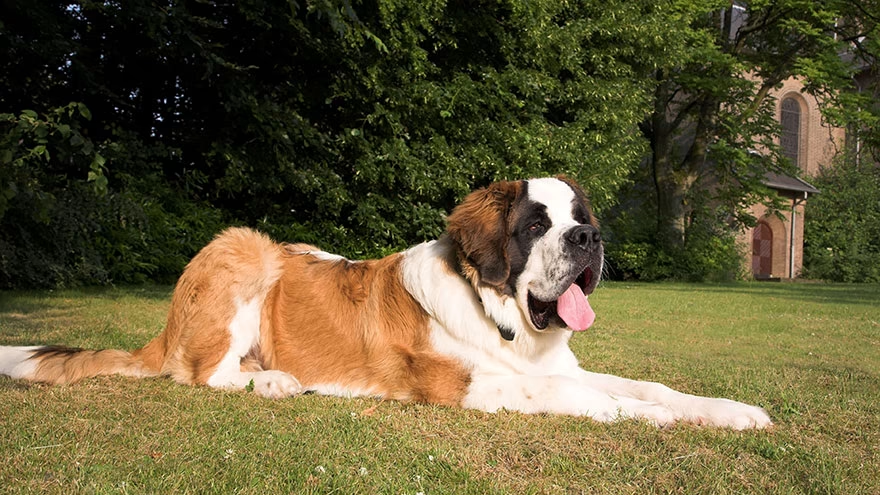
Owning a Saint Bernard : Breeder Recommendations should start with the truth about size. A Saint Bernard puppy is charming, but the adult dog is huge, expensive to feed, messy, strong, and deeply dependent on careful breeding and early raising.
A good breeder helps you understand the breed before money changes hands. A poor breeder sells the fantasy: giant fluffy rescue dog, gentle with everyone, no mention of hips, elbows, bloat, drool, heat, stairs, or cost.
What Should You Know About Saint Bernards First?
The American Kennel Club describes the Saint Bernard as a famous gentle giant, watchful, patient, and careful with children. Those traits are real in good dogs, but they do not cancel the practical demands of giant-breed ownership.
Saints need space, training, weight control, grooming, careful growth, and owners who can handle a powerful dog without roughness. If you want a low-cost, low-mess, easy-to-transport pet, pause before contacting breeders.
Where Should You Start Looking?
Start with the national breed club, local breed clubs, referrals from serious owners, and breeders who compete, health test, and support puppy buyers. The Saint Bernard Club of America's breeder referral page gives buyers a foundation for discussions with breeders.
Do not shop only by puppy photos. A Saint Bernard puppy can look perfect in a basket while the breeding program behind it is careless. You are choosing parents, health decisions, temperament, and support, not just markings.
What Health Testing Should You Ask About?
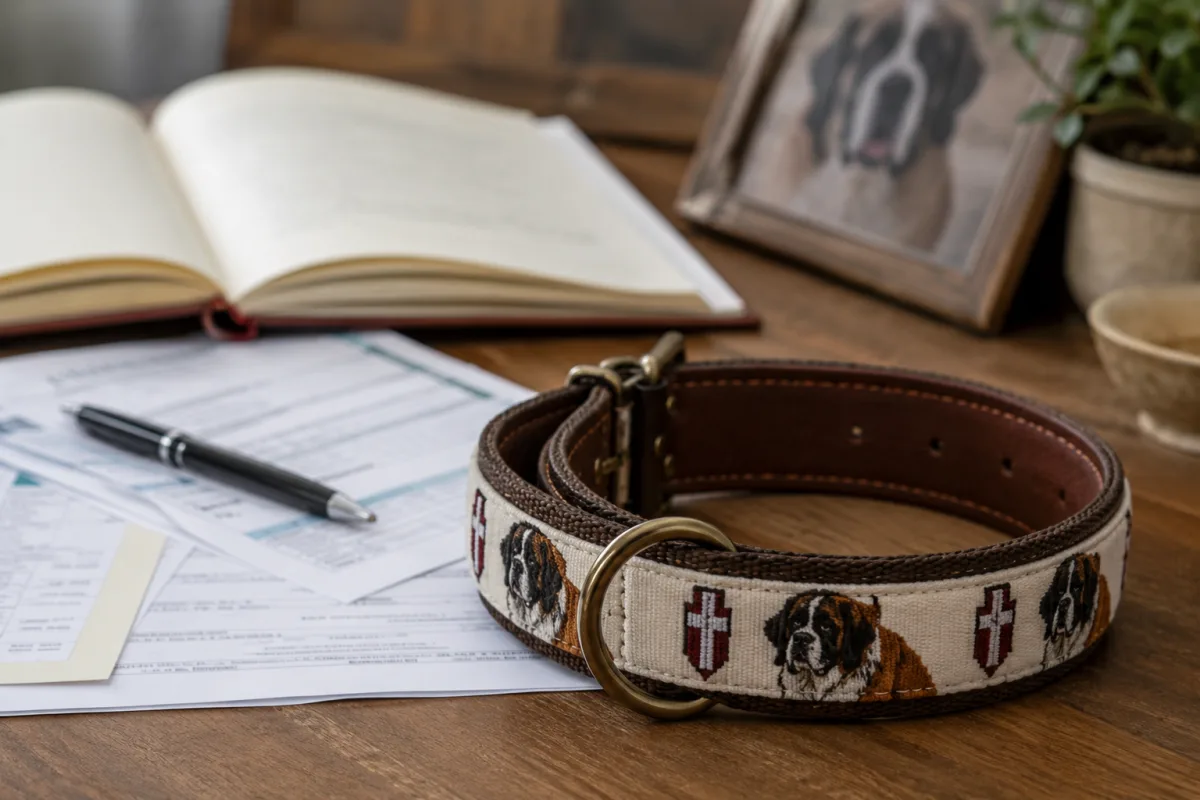
Ask about hips, elbows, eyes, heart, degenerative myelopathy, thyroid if relevant, bloat history, orthopedic issues, and longevity. The SBCA breeder referral material points buyers toward basic health screening and CHIC certification as a sign that health is part of selection.
PetMD's Saint Bernard care guide discusses common care needs for the breed, including grooming and health concerns. A responsible breeder should be able to explain what they screen, what they cannot guarantee, and what appears in their lines.
Why Does Giant-Breed Growth Matter?

Saint Bernard puppies should grow steadily, not as fast as possible. Overfeeding and poor exercise choices can stress developing joints. Ask the breeder what food, portion plan, activity limits, and growth monitoring they recommend.
Do not reward the biggest puppy or the fastest weight gain. In giant breeds, slow and sound is better than huge and unstable. Livecub's biggest dog breeds list can help set realistic expectations for scale.
What Temperament Should You See?
Look for stable adult dogs that are calm, social, and controlled. Saint Bernards should not be frantic, fearful, or unmanaged. Gentle does not mean untrained. A 150-pound dog jumping on visitors is not cute.
Ask how the breeder evaluates puppies and matches them to homes. A family with small children, stairs, and limited giant-breed experience may need a different puppy than an experienced Saint owner with a fenced yard.
What Should A Breeder Ask You?
Expect questions about your home, fencing, stairs, children, other pets, work schedule, climate, training plan, finances, and why you want a Saint Bernard. This is not an interrogation. It is placement.
Livecub's Brittany breeder recommendations covers a different breed, but the buyer mindset applies: a good breeder asks hard questions because the dog has to live with the outcome.
What Red Flags Should Stop You?
Walk away from sellers who always have puppies, refuse health records, avoid parent temperament, push rare colors, dismiss bloat and orthopedic concerns, or say giant breeds do not need training. Also be careful with sellers who will ship a puppy without a serious conversation.
A cheap Saint Bernard can become expensive quickly. Food, surgery, imaging, anesthesia, grooming, and medications often cost more for giant dogs. Price alone is a poor measure of value.
What Should The Contract Include?
The contract should cover health records, registration, return policy, spay or neuter terms if any, breeding restrictions, support, and what happens if you cannot keep the dog. Read it before paying a deposit.
A return clause is a good sign. Responsible breeders do not want their dogs abandoned, resold casually, or passed through online listings.
How Should Puppies Be Raised?
Puppies should be raised cleanly, handled gently, introduced to household sounds, and given age-appropriate surfaces, play, grooming, and people contact. Giant puppies need confidence, not chaos.
Ask about nail trims, brushing, crate introduction, car rides, visitors, and early vet care. Early handling matters because the puppy will soon be too large to wrestle through every routine. Livecub's longhair Dachshund grooming guide is a different coat, but the early-handling habit is shared.
Are Saint Bernards Good With Children?
Many are patient, but size changes everything. A gentle Saint can knock over a child by turning around. Children need rules: no climbing on the dog, no bothering the dog while resting, no teasing with food, and no unsupervised rough play.
Choose a breeder who talks honestly about children, not one who uses "great with kids" as a sales slogan. Temperament, training, and supervision all matter.
What Should The First Month Look Like?
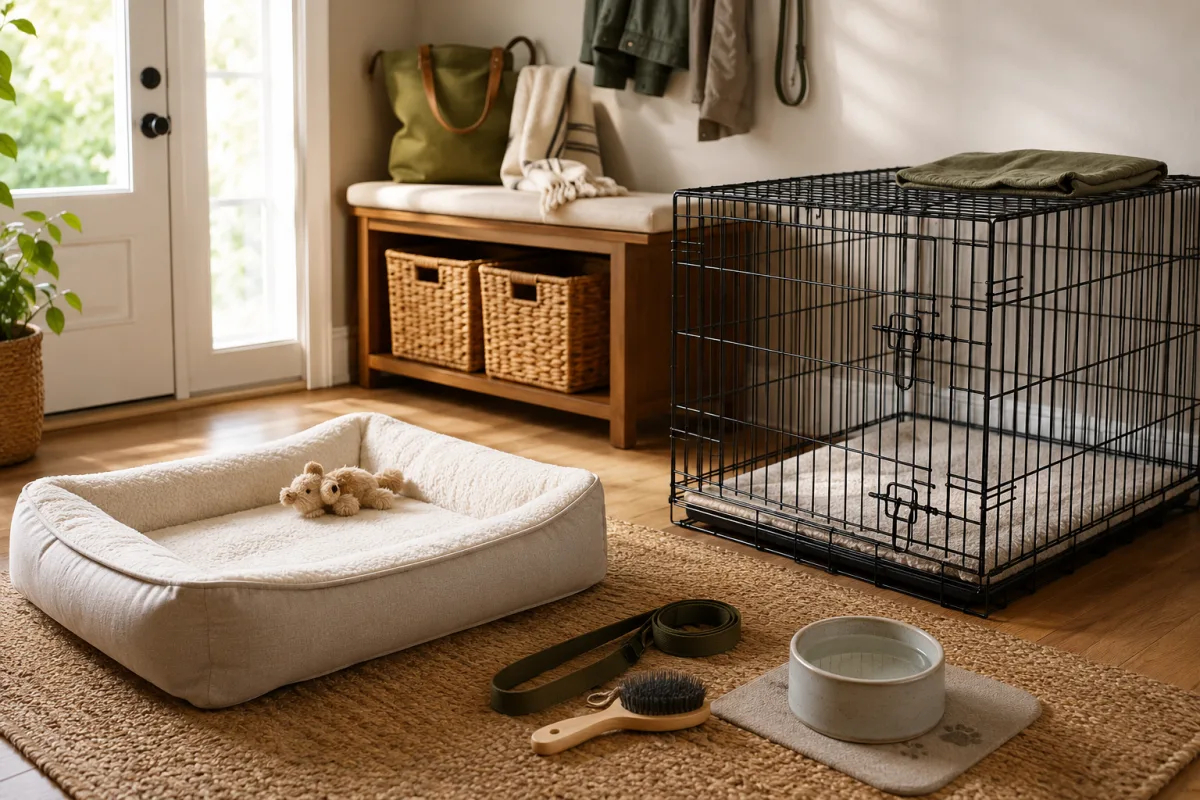
Plan the first month before pickup: crate or safe area, giant-breed food plan, vet appointment, training class, non-slip flooring, gates, grooming tools, and a vehicle plan. A Saint puppy grows into logistics fast.
Keep introductions calm. Do not let every neighbor crowd the puppy. Build confidence through gentle, controlled exposure and plenty of sleep.
What Home Setup Should You Check?
Look at your house from a giant dog's height and weight. Slippery floors, narrow stairs, small cars, delicate furniture, and tiny yards can all become problems. A Saint Bernard does not need a mansion, but it does need safe space.
Plan for washable bedding, wide water bowls, towels for drool, baby gates, and a place where the dog can rest without being stepped over. If you live in a hot climate, cooling plans matter before summer arrives.
How Do You Evaluate Ongoing Support?
Ask what the breeder does after pickup. Will they answer questions about growth, food, training, grooming, and health? Do they want updates? Will they take the dog back if life changes?
Support matters because Saint Bernard problems can become large quickly. A breeder who disappears after payment is not offering the same value as one who stays connected through the dog's life.
What Costs Should You Price Beforehand?
Price food, crates, beds, grooming tools, parasite prevention, insurance, training, imaging, surgery, and emergency care before you bring a puppy home. Giant-dog anesthesia, medication, and equipment often cost more because of size.
Also think about travel. Not every hotel, rental car, friend's house, or daycare can handle a Saint Bernard. The dog is not only expensive at the vet; it changes ordinary logistics.
What About Rescue Or Adult Dogs?
Saint Bernard rescue can be a good path for prepared owners. Ask about weight, joints, temperament, children, other pets, separation stress, grooming tolerance, and medical history. Adult size is known, which can be helpful.
An adult rescue still needs a transition plan. Give structure, vet care, slow introductions, and realistic time to settle. Do not assume a giant dog will automatically be calm just because it is no longer a puppy.
Ask who will help if the adjustment is harder than expected.
For either rescue or breeder puppy, line up training support before trouble starts. Giant dogs are easier to guide when the plan is in place early. Waiting until the dog is dragging someone down the sidewalk makes every lesson harder.
Preparation is part of kindness with this breed, especially before the dog reaches full size.
Small early choices become large daily realities.
Frequently Asked Questions
Is a Saint Bernard good for first-time owners?
Some first-time owners succeed, but they need preparation, budget, training help, and realistic expectations.
What health tests should breeders discuss?
Ask about hips, elbows, eyes, heart, degenerative myelopathy, and any breed-club recommendations.
Are Saint Bernards expensive?
Yes. Food, veterinary care, grooming, equipment, and medications often cost more for giant dogs.
Do Saint Bernards need a lot of exercise?
They need regular moderate activity, careful growth management as puppies, and protection from heat.
Should I meet the parents?
Meet the mother when possible and ask about both parents' temperament, health, age, and records.
What Is The Best Breeder Choice?
Choose the breeder who tells the whole truth about Saint Bernard life: health testing, size, cost, training, drool, heat, bloat, children, and long-term support. The right breeder is not selling a giant fantasy. They are placing a living dog in a prepared home.

Chiara Bradshaw
Covers education, culture and creative topics with an emphasis on readable explanations and verifiable references.



Leave a reply
Replying to