
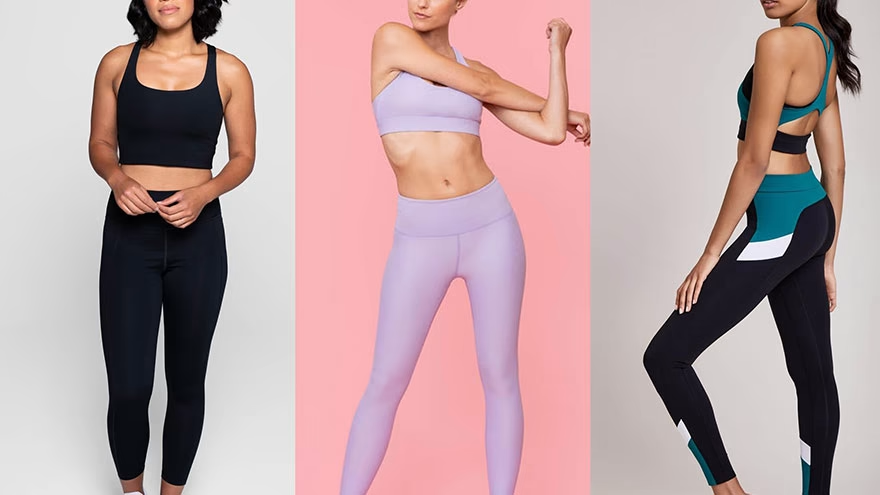
Pilates Clothes Should Help You Move and Be Seen
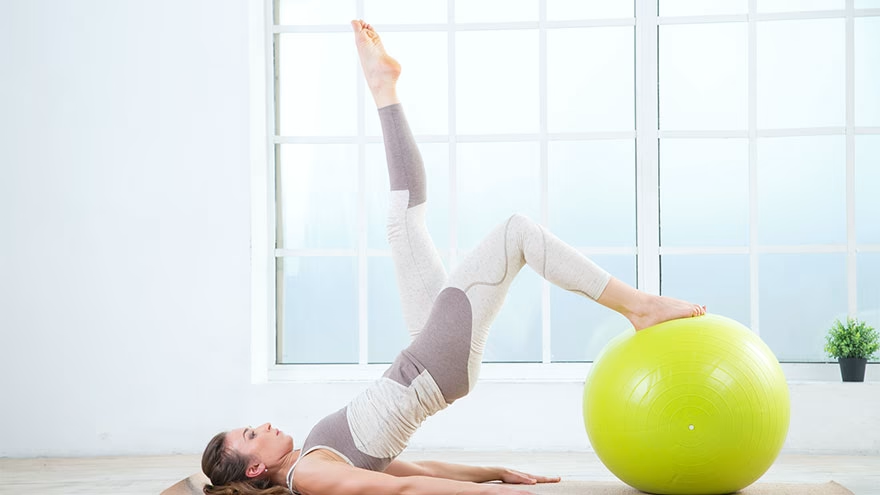
Pilates Workout Clothes are not about dressing for a studio mirror. They are about movement, safety, and clear alignment. Your teacher needs to see where your ribs, pelvis, knees, and shoulders are going.
That does not mean everything has to be tight or expensive. It means clothing should stay in place while you roll, bridge, plank, lie on your back, and move through springs or straps.
The best Pilates outfit disappears once class begins.
Choose Close-Fitting, Stretchy Layers
Look for leggings, bike shorts, fitted joggers, tanks, tees, or long sleeves that stretch without twisting around the body. Fabric should move with you and return to shape.
Loose shirts can fall toward your face during inversions or hide your rib position during core work. Baggy shorts can shift during leg work and make some positions feel exposed.
If you prefer more coverage, layer a fitted tank under a light top you can remove before class starts.
Think About the Type of Class
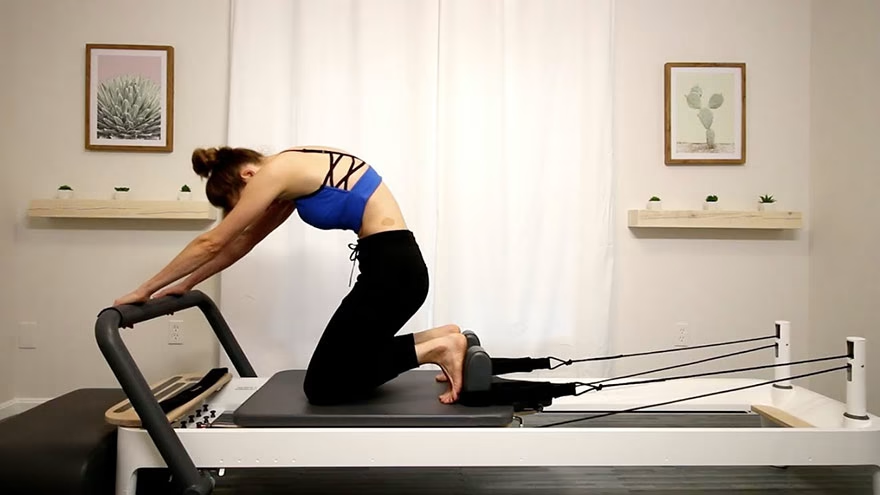
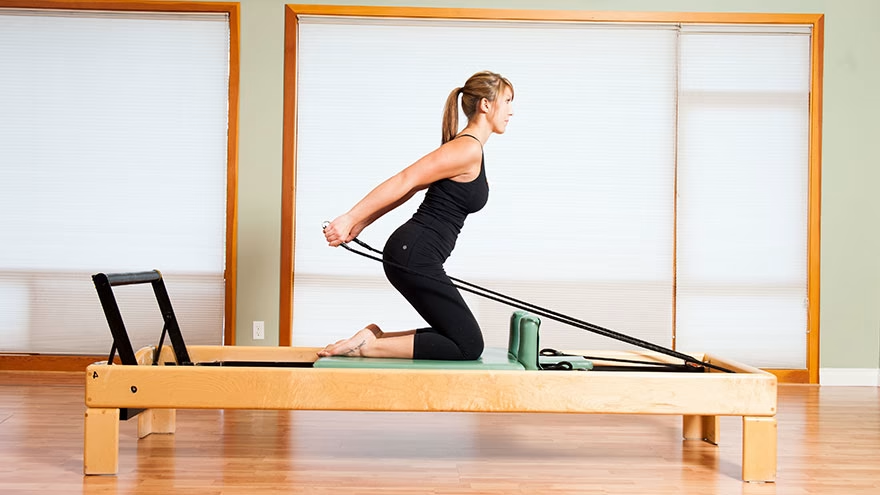
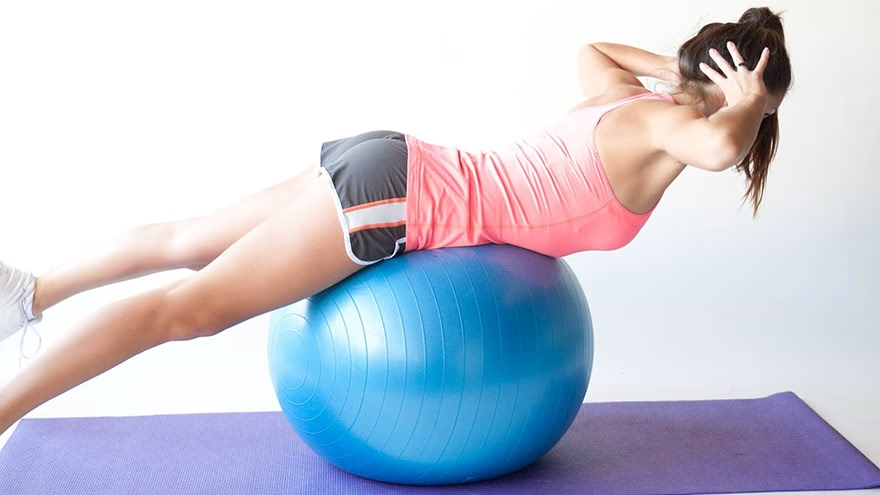
Mat Pilates needs clothing that handles floor work, rolling, and kneeling. Reformer Pilates adds moving parts, straps, springs, a carriage, and a footbar, so loose fabric and dangling accessories become more annoying.
Complete Pilates' guide to what to wear to Pilates advises comfortable clothes that allow free movement and warns against bulky seams, zips, buttons, loose clothing, jewelry, and accessories that can catch on equipment.
Dress for the equipment you will actually use.
Pick Bottoms That Stay Put
Leggings are popular because they stay close to the body and make alignment easier to see. Fitted joggers can also work if the cuffs do not catch or slide.
Shorts are fine when they are secure, but test them first. Sit, lie on your back, lift one leg, and hinge forward. If you feel distracted at home, the feeling will be stronger in class.
For dynamic reformer work, Livecub's jump board reformer guide shows why clothing should stay secure when the carriage moves.
Use Tops That Let the Instructor See Alignment
A top does not need to be skin-tight. It should simply stay in place and show enough shape for an instructor to cue posture, breathing, and shoulder placement.
Very loose shirts can hide rib flare, rounded shoulders, or low-back arching. Cropped tops can work if they feel secure, but they are not required.
Comfort matters, but visibility helps the teacher help you.
Choose Support for the Movement
Pilates is lower impact than running, but many people still prefer a sports bra or supportive top. The right support depends on body, class style, and personal comfort.
Try a few Pilates motions before class: arm circles, plank, roll-down, bridge, and side-lying leg lifts. If the top shifts or straps dig, choose something else.
Support should make you think less about clothing, not more.
Check Fabric Before Class
Fabric should stretch, breathe, and recover. Very thin material can become see-through during bridges or leg lifts, while heavy cotton can feel damp and distracting.
Look for seams that do not rub at the waist, inner thigh, or shoulder. Pilates includes many positions on the back, side, stomach, and knees, so a seam that feels harmless while standing may bother you on the mat.
If you sweat easily, moisture-wicking fabric can help. If you run cold, a fitted layer may be more useful than thicker pants.
Grip Socks Are Often the Smart Default
Many reformer studios require grip socks. Even when they are optional, they can help on footbars, platforms, mats, and standing exercises.
Choose socks with grip across the ball of the foot and heel, not just a few dots under the toes. They should fit snugly so the fabric does not bunch inside straps.
For slower movement options, Livecub's Pilates or Tai Chi guide can help readers compare styles where balance, control, and footwear needs differ.
Avoid Zippers, Belts, and Dangling Details
Hard details can press into your spine during rolling, scratch equipment, or catch when moving through straps. Belts, long ties, loose drawstrings, and dangling jewelry are rarely worth the distraction.
Check the back of your waistband too. A bulky pocket or zipper may feel fine standing up but uncomfortable in supine work.
Smooth clothing is kinder to your body and the equipment.
Dress for Temperature Changes
Studios can feel cool before class and warm after ten minutes of work. Wear layers that can come off easily before you lie down or use equipment.
A light fitted long sleeve, zip layer, or sweatshirt can help before and after class. During class, avoid anything that bunches behind the neck or slides over the hands.
If you attend hot Pilates or a warmer studio, moisture-wicking fabric may feel better than heavy cotton.
Think About Kneeling and Rolling
Pilates clothes need to handle pressure as well as movement. You may kneel, sit, roll through the spine, lie prone, or place straps near the legs.
Test whether the waistband rolls down, whether knee fabric feels too thin, and whether a back clasp or zipper presses into the spine.
A good outfit should work in all directions, not only while standing in front of a mirror.
Do a Home Movement Test
Before wearing a new outfit to class, move in it at home for two minutes. Squat, hinge, lie down, lift one leg, twist gently, and reach overhead.
Notice whether fabric becomes see-through, slides, bunches, rolls, or needs constant fixing. The best time to learn that is not during the first feet-in-straps exercise.
Livecub's basic aerobic steps guide covers a different workout style, but the same clothing rule applies: movement reveals fit.
Keep Hair and Accessories Out of the Way
Long hair should be tied so it does not get trapped under your shoulders or distract you during rolling. A low bun may bother some exercises, so a braid, ponytail, or clip may work better.
Remove rings, bracelets, large earrings, watches, and necklaces if they interfere with straps or floor work. If you track workouts, make sure the device does not catch on equipment.
Small changes can make the session feel cleaner and safer.
Bring the Small Things
A water bottle, hair tie, towel, grip socks, and a simple layer are usually enough. Some studios provide mats and props, while others expect you to bring a mat for mat classes.
Check the studio's email before the first class. It may list grip sock rules, arrival time, cancellation policy, and whether street shoes stay outside the room.
Arriving with the basics handled makes it easier to listen during the setup instructions.
Plan for Laundry and Repeat Classes
If you plan to attend Pilates more than once a week, buy slowly and repeat what works. Two reliable outfits are more useful than five pieces that need adjusting.
Wash grip socks inside out if the care label suggests it, and let sweaty clothes dry before they sit in a gym bag. Clothing that smells stale can make a small studio feel uncomfortable for you and nearby students.
Replace pieces when waistbands roll, fabric thins, or socks lose traction. Pilates clothing does not need to be trendy, but it does need to function.
Ask the Studio Before You Guess
Some studios have specific rules for grip socks, jewelry, zippers, or fragrance. Others are relaxed but still expect clothing that will not damage equipment.
A quick email can save an awkward first class. Ask what to wear, what to bring, and whether the class uses mats, reformers, towers, chairs, or props.
The studio's answer is more useful than a generic outfit checklist.
Do Not Overbuy Before Your First Class
Start with clothes you already own: leggings or fitted pants, a secure top, and grip socks if required. After a few classes, you will know what you actually need.
Cleveland Clinic's Pilates overview describes Pilates as a low-impact, full-body workout and recommends finding a good instructor and talking with a doctor when needed for a safe entry point.
You do not need a matching set to begin. You need clothing that lets you pay attention to the work.
Frequently Asked Questions
What should a beginner wear to Pilates?
Wear fitted, stretchy clothes that stay in place, plus grip socks if the studio requires them. Avoid loose fabric, hard zippers, and dangling jewelry.
Do I need shoes for Pilates?
Most Pilates classes are done barefoot or in grip socks. Reformer studios often require grip socks for traction and hygiene.
Are leggings required for Pilates?
No. Leggings are common, but fitted joggers, bike shorts, or secure athletic pants can work if they allow movement and show alignment.
Can I wear a loose T-shirt to Pilates?
You can, but it may fall, twist, or hide alignment. A closer-fitting top usually works better, especially on the reformer.

Alyssa Curlin
Edits general health, nutrition and education explainers. Medical topics are educational and link to public-health guidance.
Leave a reply
Replying to