

Weeknight cooking falls apart at the same predictable moment: it is 6 p.m., everyone is hungry, and the plan that looked reasonable on Sunday now needs thawing, chopping, and a pan nobody washed. A dinner that lands in half an hour depends less on speed and more on removing steps before you ever pick up a knife. The families who pull it off are not faster cooks; they lean on a small set of shortcuts they use again and again.
Build every dinner from five parts
Most fast family meals share the same skeleton: one quick-cooking protein, one vegetable, one starch, one sauce, and one pantry backup for the night the plan falls through. Once you see dinner as a formula instead of a recipe, you stop hunting for ideas and start assembling them. The formula also keeps the grocery list short, because the same handful of components rotates through the week.
| Component | Fast options | Why it saves time |
|---|---|---|
| Protein | Eggs, canned beans, shrimp, thin cutlets, rotisserie chicken | Pre-cooked or thin-cut items are ready in minutes |
| Vegetable | Frozen mixed vegetables, bagged greens, pre-cut peppers | Frozen needs no washing or chopping |
| Starch | Couscous, small pasta, quick rice, tortillas | Couscous just steeps off the heat for five minutes |
| Sauce | Jarred salsa, pesto, canned tomatoes, soy and ginger | Pantry-stable, no measuring or reduction |
| Backup | Pasta with jarred sauce, quesadillas, eggs on toast | Rescues the night a fresh ingredient is missing |
A pot of couscous with canned chickpeas, wilted spinach, and jarred pesto is dinner in under fifteen minutes. Rotisserie chicken shredded into tortillas with cheese and pre-cut peppers is faster still. For a repeatable house dinner you can vary endlessly, an easy chicken dish served over whatever starch is open works most nights. The point of the formula is that no single ingredient is essential — swap frozen peas for the spinach, rice for the couscous, or beans for the chicken, and dinner still comes together the same way.
Cook the same base three ways
The fastest weeknight cooks are not making a different dinner every night; they are cooking one base and dressing it up differently. Brown a pound of ground meat or a bag of lentils, split it, and Monday's taco filling becomes Tuesday's pasta sauce and Wednesday's stuffed-pepper base with almost no extra effort. A tray of roasted vegetables can top grain bowls one night and get folded into an omelette the next.
This is where a well-stocked pantry does the heavy lifting. Canned tomatoes, broth, a few spice blends, and a couple of sauces turn the same plain protein into an Italian, Mexican, or curry-leaning dinner without a special shopping trip. Cooking once and reusing twice quietly cuts your active time in half across the week, which is often the difference between cooking at home and ordering out.
Keep the clock honest
A recipe that claims thirty minutes but assumes you marinated at lunch or diced everything in advance is not a thirty-minute recipe. Read the ingredient list for hidden prep before you commit: soaking, marinating, or bringing meat to room temperature all happen earlier in the day, not during that half hour. Choose cuts that cook quickly on their own, such as ground meat, shrimp, eggs, or thin cutlets, and let a hot pan do the work instead of a long braise.
Do the slow step first. Put water on to boil, heat the oven, or start the protein before you chop anything else, so the equipment is working while your hands are. Reading the recipe start to finish once, before the first pan goes on, prevents the classic scramble of discovering step four needs an ingredient still frozen in step one.
Handle raw food and leftovers safely
Speed is where kitchen safety usually slips, so keep the basics visible. The four steps to food safety — clean, separate, cook, chill — cover almost everything a rushed cook needs to remember. Keep raw meat and its juices away from ready-to-eat foods, use a separate board, and wash hands and surfaces between tasks even when you are hurrying.
Leftovers are half the value of cooking, but only if they are cooled quickly. Get them into the refrigerator within two hours, and sooner in a warm kitchen. Dividing a hot dish into shallow containers helps it chill fast instead of sitting warm in a deep pot. USDA's leftovers guidance is worth a glance if you batch-cook, since reheating and storage timing matter more than most people assume.
Make next week easier
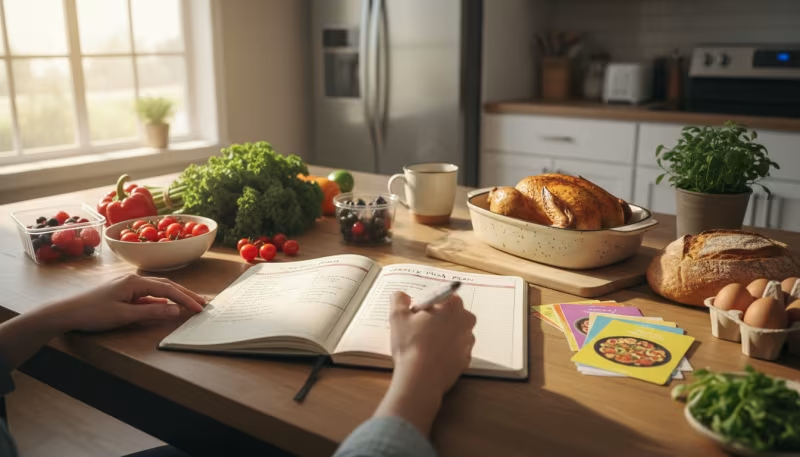
The fastest weeknight dinners are decided before the week starts. Pick three or four meals you already know work, write the components on a list, and shop for those instead of improvising at the store. Keep a stocked shelf of backups — pasta, canned beans, eggs, frozen vegetables, a jar of sauce — so a missing ingredient never becomes a takeout order by default.
After a meal that landed smoothly, note it somewhere you will see it again: a phone list, a card on the fridge, a folder of screenshots. A short running list of dinners that actually worked on a chaotic night is more useful than any new recipe, because it removes the hardest part of the evening, which is deciding what to cook at all. Start tonight by writing down one dinner that went well, and you have already made next week faster.

Linda Fehrman
Edits general wellness and relationship explainers. Health material is educational, avoids diagnosis and links to health-authority guidance.



Leave a reply
Replying to