
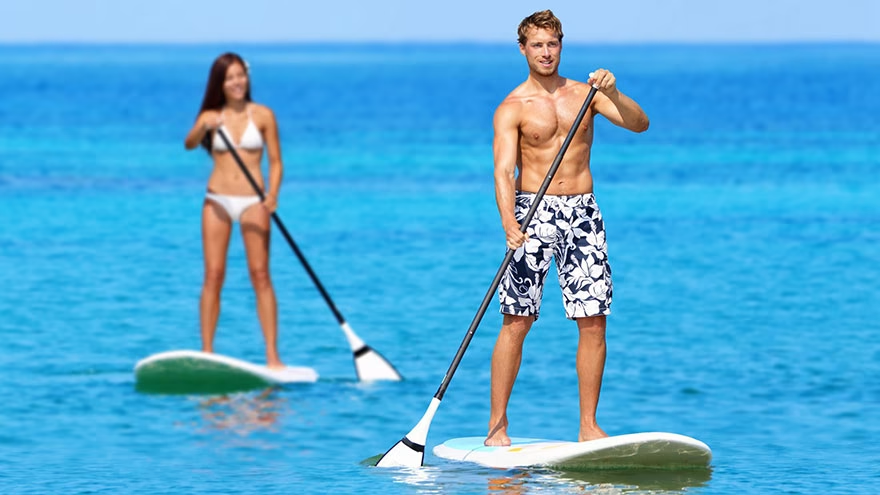
St. Thomas Paddleboarding Depends on Conditions
Stand-up paddleboarding in St. Thomas in the Virgin Islands can be calm, scenic, and beginner-friendly, but only when the spot, wind, current, and equipment match your ability. The board may feel simple on the beach and very different once wind starts pushing it sideways.
Think of SUP as a small-craft activity, not a floating photo prop. A good session starts with local advice, a route limit, sun protection, and a plan for getting back before you are tired.
The water decides the day. If conditions are wrong, choose another beach activity and paddle later.
Pick Calm Water for a First Session
Beginners should look for protected water, light wind, and easy entry. Bays, lagoons, and guided tour routes are usually better than exposed shorelines when you are learning balance, turns, and how the board handles current.
The U.S. Virgin Islands tourism site at VisitUSVI.com is a useful starting point for official island context, but paddle conditions still need local checking on the day you go.
Pretty water is not the same as easy water. Clear, blue, and calm-looking from shore can still have wind or current offshore.
Ask Rental Shops Specific Questions
Do not only ask for the price. Ask what route they recommend for your level, where the wind is coming from, what time to return, what happens if you fall, and what safety gear is included.
Check the board, fin, leash, paddle adjustment, life jacket, and any dry bag before leaving the beach. A loose fin or wrong paddle height makes a beginner session harder than it needs to be.
If cruise timing shapes your day, Livecub's How to Identify Cruise Lines by Their Smoke Stacks is relevant because port schedules and return buffers matter for shore activities.
Understand Wind Before Distance
Wind is the main surprise for many new paddlers. A light tailwind can make the start feel easy, then turn the return into a slow fight. Plan to paddle into the wind first when possible so the return is easier.
Stay close enough to shore that you can kneel and paddle back if standing becomes tiring. Sitting or kneeling is not failure; it is a normal way to control the board.
Distance feels different on a board. A route that looks short from the beach can feel long once sun, wind, and balance start adding up.
Protect Reefs and Marine Life
St. Thomas water activities often happen near sensitive marine environments. Do not stand on coral, drag fins through seagrass, chase turtles, feed wildlife, or drop trash from the board.
VI Now's St. Thomas water sports guide gives a broad look at water activities on the island. Use that kind of planning context with reef-safe behavior and local operator instructions.
Good paddleboarding leaves the place quieter than it found it.
Use Safety Gear Without Making It Awkward
A life jacket, leash where appropriate, whistle or sound device, sun shirt, hat, and water can make the session safer and more comfortable. The Florida Fish and Wildlife Conservation Commission's paddleboard regulations page is not a St. Thomas rulebook, but it gives useful U.S. paddlecraft safety context.
Follow local laws and rental-shop instructions for the exact gear required where you launch. If you are unsure, choose more safety, not less.
For another gear-adjustment topic, Livecub's How to Adjust Walking Sticks shows the same lesson on land: small setup errors can make an activity harder.
Time the Session Around Sun and Energy
Morning often gives calmer conditions and less harsh sun, though this is not guaranteed. Late afternoon can be beautiful, but fatigue and changing wind can make the return harder.
Bring more water than you think you need. Reflection from the water, Caribbean sun, and balance work can dehydrate paddlers quickly.
Stop before you are cooked. A short good paddle is better than a long session that ends with sunburn, cramps, or panic.
Use a Guide When Conditions Are New
A guided tour can be worth it if you are new to the island, new to SUP, or interested in mangroves, wildlife, or routes that are not obvious from the beach. Guides can help with entry, pace, route choice, and local etiquette.
Do not choose only by the lowest price. Look for clear communication, appropriate gear, realistic routes, and a group size that matches your comfort level.
For remote-place planning, Livecub's How to Visit the Spiral Jetty on Utah's Great Salt Lake has a different landscape but the same idea: conditions and return timing matter.
Make It Work With a Travel Day
If SUP is one part of a St. Thomas day, avoid overpacking the schedule. Saltwater, sun, changing clothes, transportation, and food take time. Leave a buffer before dinner, ferry plans, or cruise boarding.
For a calmer sightseeing comparison, Livecub's Top 5 Places to See In Petoskey, Michigan shows how a trip can feel better when one main activity has space around it.
Learn the Basic Technique Before Going Far
Start on your knees, place the paddle blade fully in the water, and keep strokes short and controlled. Stand only when the board feels steady. Keep your feet parallel, knees soft, and eyes toward the horizon instead of staring at your toes.
Practice turning near the launch area before heading farther out. If you cannot turn comfortably, you are not ready for a longer route.
Technique saves energy. A paddler who fights the board gets tired long before the scenery pays off.
Know How to Fall and Get Back On
Falling is normal. Fall away from the board if you can, keep hold of the paddle if safe, and return to the board calmly. Climb on from the middle rather than the nose or tail.
Practice a remount in shallow, safe water before you need it. If you cannot get back on the board without help, stay closer to shore and consider a guided session.
A planned fall is less scary than a surprise fall. Confidence grows when you know the recovery step.
Respect Boat Traffic and Swim Areas
Stay out of marked swim-only areas if boards are not allowed, and avoid boat channels unless a guide or local operator has told you the route is appropriate. Small paddleboards are hard to see from larger vessels, especially in glare.
Wear bright colors when possible and keep the group together. If the wind rises or traffic increases, shorten the route early instead of waiting until everyone is tired.
Good judgment is part of the activity. Turning back can be the best decision of the day.
Plan for Sun, Salt, and Skin
Sun exposure on a board is stronger than many travelers expect because light reflects off the water. Use reef-conscious sunscreen, a rash guard or sun shirt, sunglasses with a retainer, and a hat that can handle wind.
Saltwater can irritate skin and eyes during longer sessions. Rinse off when you can, drink water after the paddle, and do not schedule another demanding outdoor activity immediately after a hot session.
Comfort is a safety detail. Burned, thirsty, overheated paddlers make worse decisions.
Keep Photos Secondary
Photos are tempting in St. Thomas, but phones and cameras change balance and attention. If you bring a device, secure it in a waterproof case and stop paddling before taking pictures.
The best memory may be the quiet part of the paddle, not the proof of it. Look up, watch the water, and keep enough awareness for boats, swimmers, and weather.
Ask a guide or friend for one shore photo, then let the paddle be the main event.
Stand-up paddleboarding in St. Thomas is at its best when it feels simple: good conditions, checked gear, modest distance, respect for the water, and enough time to enjoy the view.
Frequently Asked Questions
Is St. Thomas good for beginner paddleboarding?
Yes, if you choose calm protected water, use proper gear, and follow local advice about wind, currents, and route limits.
Do I need a guided tour?
Not always, but a guide helps if you are new to SUP, unfamiliar with the island, or paddling near mangroves or wildlife areas.
What should I bring?
Bring sun protection, water, secure footwear if needed, a dry bag, and any safety gear required by the rental operator or local rules.
Can I paddle from any beach?
No. Access, conditions, boat traffic, reef protection, and rental rules vary. Ask locally before launching.

Linda Fehrman
Edits general wellness and relationship explainers. Health material is educational, avoids diagnosis and links to health-authority guidance.


Leave a reply
Replying to