
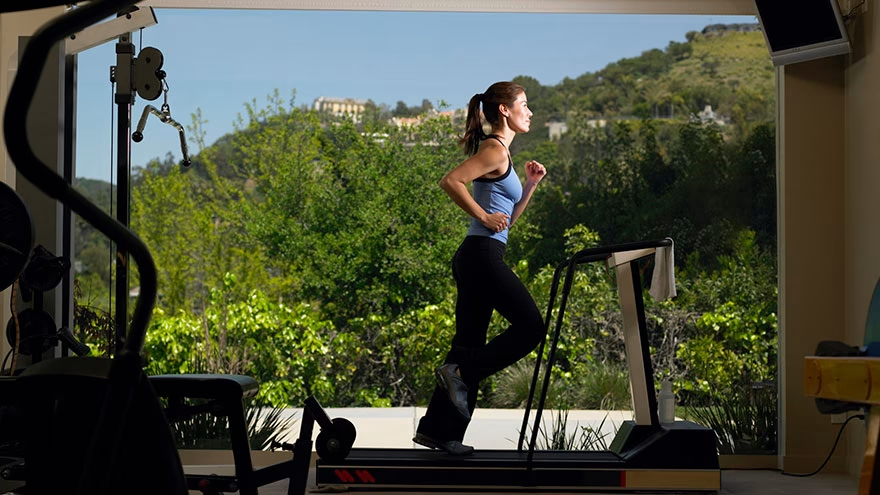
Watch Something That Supports the Run
Things to Watch While Running on a Treadmill should help the workout, not steal the workout. The right screen can reduce boredom, keep you moving, and make indoor miles feel less flat.
The wrong screen can pull your head down, twist your stride, or distract you from speed changes. Start with safety, then choose the entertainment.
The run comes first; the screen is only a tool.
Set the Screen at Eye Level
A screen that is too high can make you lift the chin. A phone placed low can make you look down and round the shoulders. Both can affect running posture.
Use a treadmill console screen, wall-mounted television, tablet holder, or safe stand that keeps your gaze mostly forward. Do not hold a phone while running.
Mayo Clinic News Network's treadmill safety guidance advises keeping eyes focused forward, knowing the emergency stop button, wearing the safety key, and letting the belt stop before stepping off.
Choose Low-Plot Shows for Easy Runs
Easy runs pair well with shows that do not demand close visual attention. Sitcoms, familiar comfort shows, light documentaries, travel programs, cooking shows, and low-stakes competition episodes can work well.
A complicated thriller may pull your focus every few seconds. Save that for walking, cycling, or the couch if it makes you stare down or drift on the belt.
The best treadmill show lets you miss ten seconds without losing the thread.
Use Sports for Steady Effort
Sports broadcasts can be useful because they provide long stretches of attention without requiring constant plot tracking. Basketball, tennis, soccer, baseball, and race coverage can all carry an easy run.
If the game gets intense and your pace creeps up, notice it. Entertainment can accidentally turn an easy day into a harder workout.
For another indoor-outdoor conditioning contrast, Livecub's running bleachers guide shows how intensity changes when terrain and effort change.
Save Movies for Walks or Long Easy Days
Movies can work for long treadmill walks or very easy runs, but they can be too engaging for workouts that need speed changes.
If you choose a movie, pick one you know or one with a simple story. Avoid reading small subtitles, leaning forward during quiet scenes, or speeding up during action scenes without noticing.
A movie should make the session feel shorter, not make the belt feel less predictable.
Try Scenic Running Videos
Scenic routes, trail videos, city walks, and virtual races can make treadmill running feel less repetitive. They work best when the camera moves smoothly and the route does not create motion discomfort.
If the video makes you dizzy or changes your stride, switch to something steadier. The treadmill belt is already moving; the screen does not need to create extra disorientation.
Scenic videos can be especially useful for long walks, recovery jogs, and winter training.
Watch Workout Data When It Helps
Sometimes the best thing to watch is the console: time, incline, speed, distance, heart rate, or interval countdown. Data can help if the workout has a purpose.
It can also make time feel slow. For long easy runs, cover part of the display or check it only at song breaks.
Livecub's Polar T31 battery guide is a different kind of gear article, but it fits runners who use heart-rate tools during indoor training.
Use Music Videos for Shorter Runs
Music videos can work well for short treadmill sessions, warmups, or intervals because songs create natural time blocks.
Choose playlists with a steady mood if you are trying to control effort. A sudden fast song can push pace higher than planned.
If videos make you look down at a phone, use audio only or move the screen higher.
Try Race Footage for Motivation
Marathon recaps, track races, trail races, and behind-the-scenes training videos can make indoor running feel connected to the sport.
Use race footage carefully. It can inspire you, but it can also pull you into a pace that does not match the workout.
If you are doing an easy run, let the athletes on screen race while you keep your own plan.
Save Subtitles for Walking
Reading subtitles while running can pull the eyes downward and reduce awareness. If you need subtitles, use them during walking, incline walking, or an easy cooldown.
For running, choose content you can follow by sound and quick glances. Podcasts and audiobooks may be better for harder workouts.
Your eyes should not have to work harder than your legs.
Match Content to Workout Type
Intervals need simpler content because speed and incline changes require attention. Easy runs can handle a show. Long walks can handle a movie. Hill sessions may be better with music or a timer.
The American Heart Association's adult physical activity recommendations encourage at least 150 minutes of moderate-intensity aerobic activity weekly, or 75 minutes of vigorous activity, plus muscle strengthening.
Entertainment can help you reach consistency, but the workout plan still decides the intensity.
Keep Volume and Awareness Reasonable
If you run at a gym, keep headphones at a level that lets you notice announcements, nearby people, and equipment sounds. At home, stay aware of children, pets, and anything near the treadmill.
Do not cover the emergency stop area with a towel or device. Keep cords, chargers, and remotes away from the belt.
Mayo's treadmill safety advice about space, stop buttons, and forward focus matters even more when entertainment is involved.
Use News Carefully
News can keep some runners occupied, but it can also raise stress or pull attention into details. If the story makes you tense, your shoulders, breathing, and pace may change.
For easy runs, choose news summaries or familiar programs instead of breaking coverage that makes you keep checking the screen.
If you finish feeling more agitated than trained, switch to music, sports, or a scenic route next time.
Use Comedy for Recovery Runs
Comedy can be useful on recovery days because it keeps attention light. Choose something familiar enough that a missed joke does not matter.
Be careful with hard laughter while running fast. If laughing changes your breathing or balance, slow to a walk or save that show for cooldown.
Recovery runs should feel controlled. The screen should help you stay easy, not push the effort higher.
Keep Hands Off the Rails
If a show makes you grip the rails, the content is probably too distracting or the speed is too high. Holding the rails changes posture and can hide how hard the run really is.
Use the rails briefly for balance only when needed, then reduce speed or incline. If you need the rails often, pause the screen and refocus on the workout.
The safest viewing choice is the one that lets your stride stay natural from start to finish.
Use TV to Make Easy Days Easier
Research on television viewing during exercise has explored TV as a way to increase enjoyment during exercise. That lines up with how many runners use shows: not for speed, but for consistency.
If watching a familiar show helps you stay on the treadmill for a planned easy run, that can be useful. Just keep form, safety, and effort in charge.
Entertainment is successful when the run still feels controlled.
Know When to Turn the Screen Off
Turn the screen off if you keep drifting to one side, grabbing the rails, missing belt speed changes, or feeling dizzy. Turn it off for technical workouts that need focus.
Some days are better with music, breathing, or the sound of the belt. Boredom is not always bad; it can teach pacing.
For broader cardio variety, Livecub's Tae Bo weight loss guide shows a different way to stay engaged through movement rather than a screen.
Frequently Asked Questions
Is it safe to watch TV while running on a treadmill?
It can be, if the screen is stable, forward, and not distracting. Use the safety key, know the stop button, and step off only after the belt stops.
What shows are best for treadmill runs?
Easy runs pair well with familiar shows, light documentaries, travel videos, sports, scenic routes, or anything that does not require constant reading.
Should I watch subtitles while running?
Subtitles are better for walking or cooldowns. Running while reading can pull your eyes down and reduce awareness.
What should I watch during intervals?
Use simple content, music, or a timer. Intervals need attention for speed, incline, recovery, and form.

Linda Fehrman
Edits general wellness and relationship explainers. Health material is educational, avoids diagnosis and links to health-authority guidance.


Leave a reply
Replying to