
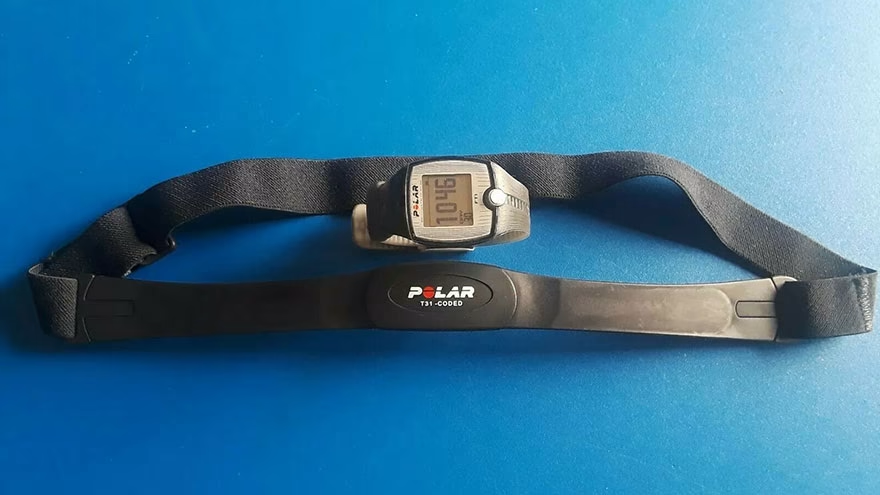
How to Replace the Battery in a Polar T31 HRM Chest Strap starts with the answer many owners do not want: the classic Polar T31 transmitter was designed as a sealed strap, not a normal do-it-yourself battery door device. Some people cut sealed transmitters open, but that can ruin water resistance, damage the electronics, and turn a training tool into trash.
The safer route is to confirm the battery is really the problem, clean and test the strap, then use Polar service or replace the transmitter with a compatible model. This guide covers the practical checks before you spend money.
Confirm You Have A T31
Look at the printing on the transmitter. Polar has sold several chest sensors, and many newer models use a separate connector with a user-replaceable coin cell. A T31 or T31 coded transmitter is the older slim sealed style. Advice for H7, H9, H10, WearLink, or other sensors may not apply.
Polar's support page for the T31 coded transmitter is the best starting point because model names, compatibility, and support options can change. Check the exact product rather than following a random video for a different sensor.
Do Not Cut The Strap Open First
The internet has do-it-yourself battery surgery examples, but cutting a sealed transmitter is a last-resort experiment, not normal maintenance. Once the case is opened, the seal, warranty, sweat protection, and water resistance can be compromised.
If the strap is used for frequent training, gym equipment, or outdoor sessions, reliability matters more than saving a few dollars. A repaired sealed case may work briefly and fail during the next sweaty workout.
Check The Easy Problems
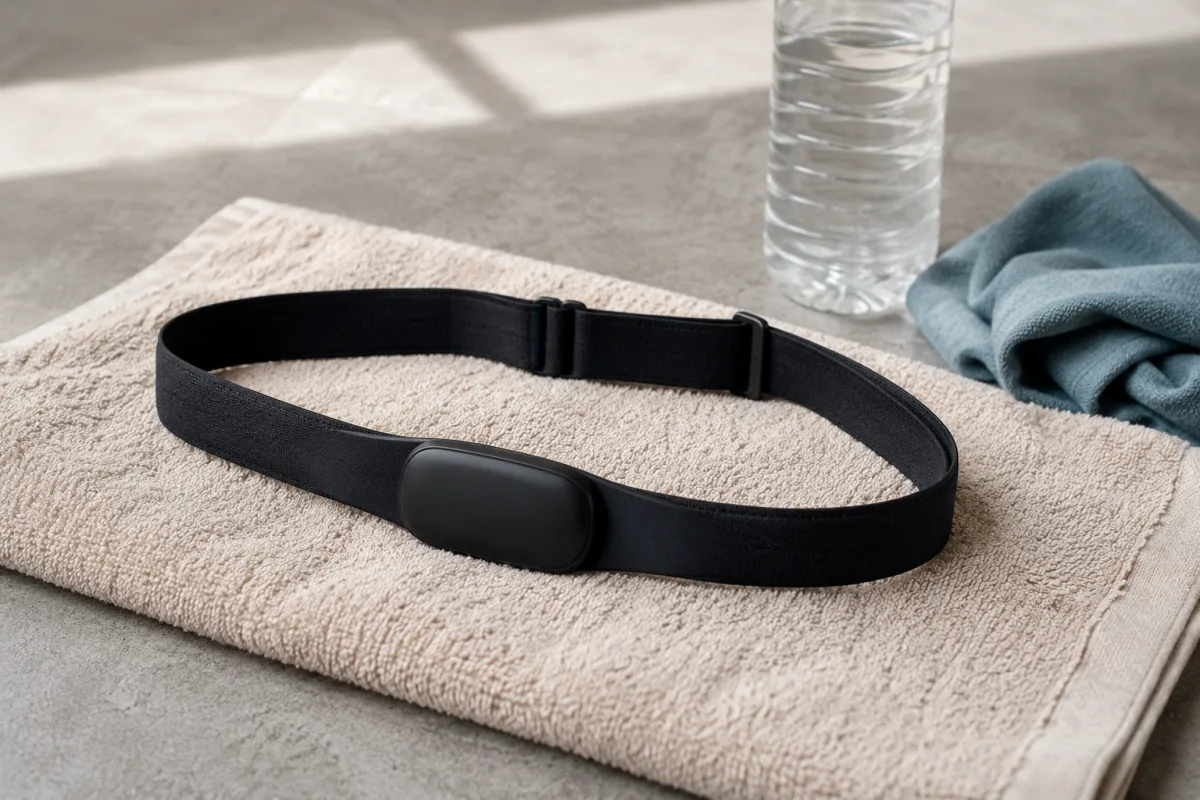
Before blaming the battery, rinse the strap, dry it, and inspect the electrode areas. Make sure the strap is snug against damp skin, not over clothing. Try fresh water or electrode gel on the contact areas. Pair or connect again if your watch, bike, treadmill, or rowing machine needs pairing.
Move away from other transmitters and strong electronic interference. If the signal appears and disappears, the issue may be contact, strap position, or compatibility rather than a dead battery.
Clean And Dry The Transmitter
Sweat salt can interfere with readings. Rinse the strap after use and let it dry away from direct heat. Do not store it damp in a gym bag. If you train often, strap care can extend useful life more than any battery trick.
For training context, Livecub's running bleachers guide and basic aerobic steps show why heart-rate feedback can be useful during interval and aerobic sessions. The data only helps if the sensor is reading cleanly.
Test With Another Receiver
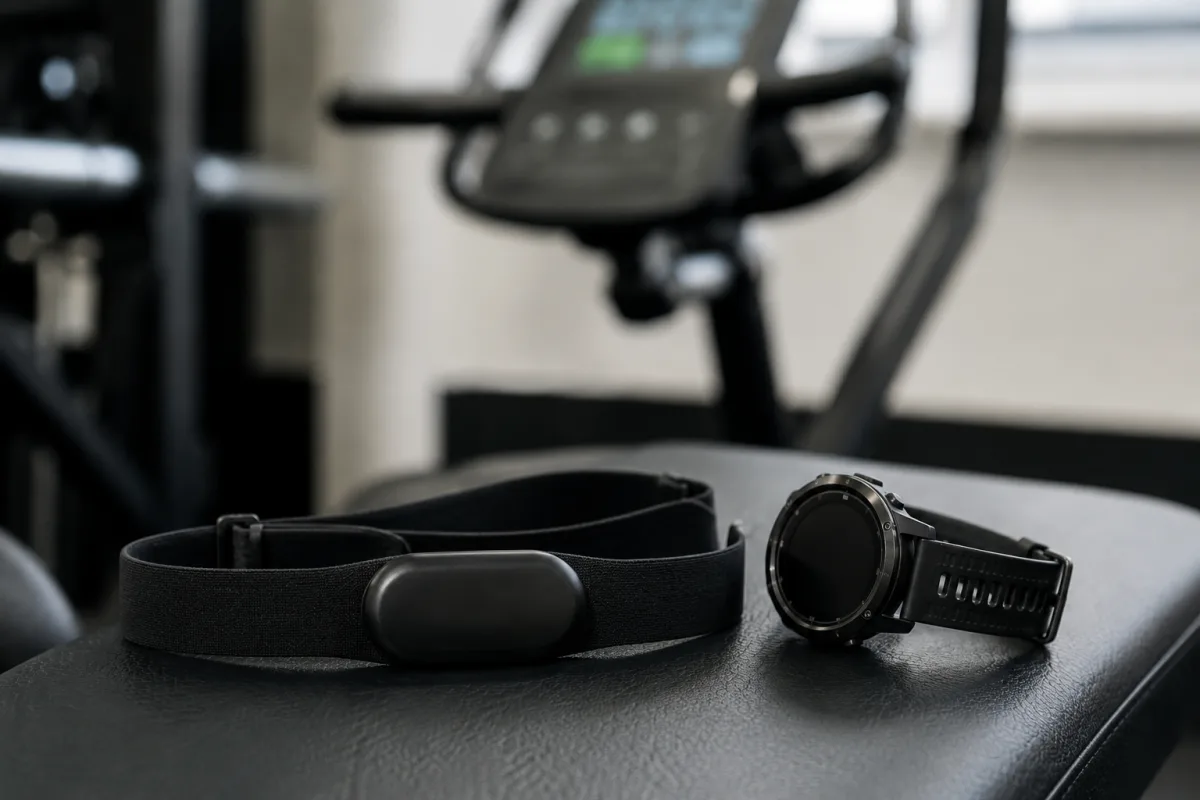
If possible, test the strap with another compatible Polar receiver or piece of gym equipment. If a second receiver reads the strap, the first device may be the problem. If neither receiver reads it after cleaning and wetting the electrodes, the transmitter is more likely at fault.
Also check compatibility. Some older gym consoles accept non-coded 5 kHz straps; some watches need coded transmission or newer Bluetooth sensors. A working strap can look dead if the receiver does not understand its signal.
If you use the strap with gym equipment, test it away from a crowded cardio area too. Nearby transmitters can confuse older receivers. If the signal returns at home or on another machine, the problem may be the environment rather than the strap.
Contact Polar Or A Service Center
Polar's battery change support page explains that some Polar products require Polar service and approved components rather than home replacement. For a sealed T31, contact Polar support or an authorized service option in your region before attempting a repair.
Ask three questions: Can this exact T31 be serviced? What will it cost? Would Polar recommend replacement instead? For many older straps, replacing the transmitter may be more sensible than trying to revive a sealed unit.
Have the product name, approximate purchase date, receiver model, and symptoms ready before contacting support. "No reading at all" and "readings drop during hard intervals" may point to different problems. Clear details save time.
Decide Between Service And Replacement
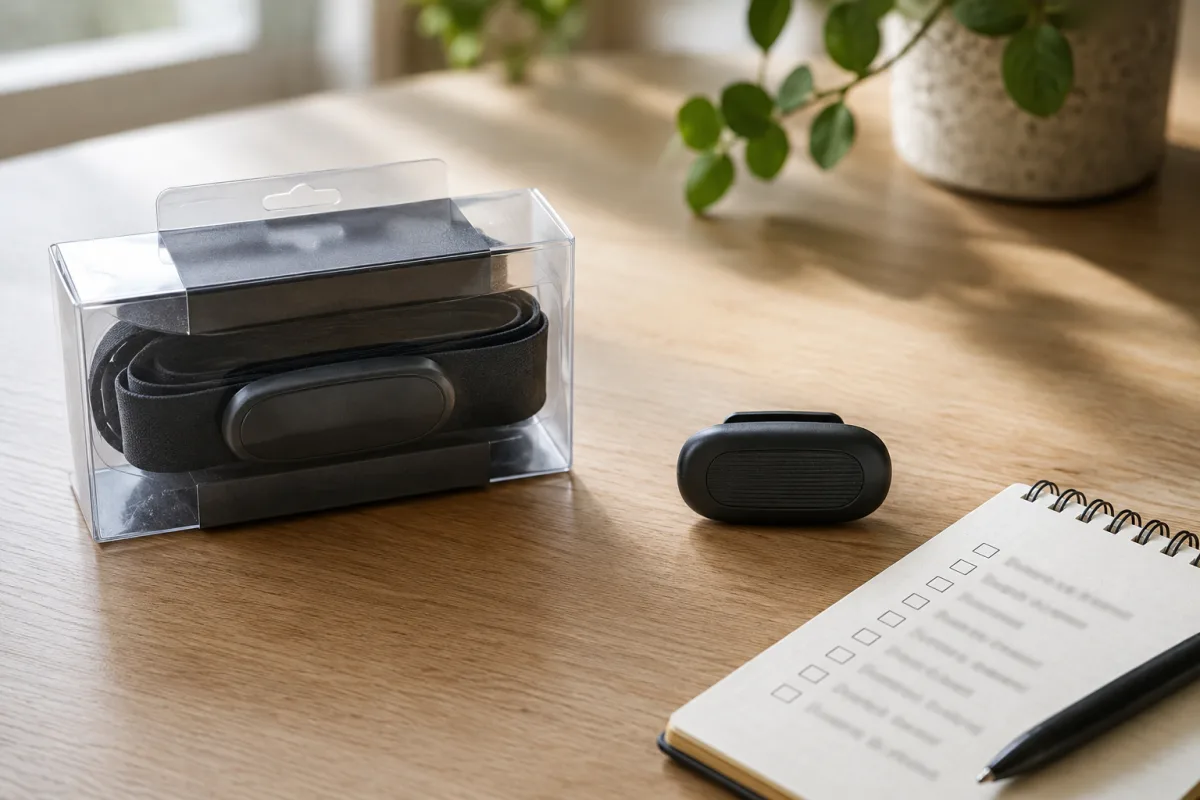
If service costs nearly as much as a new strap, replacement is usually cleaner. A newer Polar sensor with a replaceable battery may be easier to maintain, but make sure it works with your watch or gym equipment before buying.
Older exercise machines may need 5 kHz compatibility. Newer watches and phones may need Bluetooth or ANT+. Read the receiver manual. A shiny new sensor is not useful if it cannot talk to the device you use.
Write down the receiver model before shopping. A treadmill, bike computer, older Polar watch, and phone app may all have different needs. Search by receiver compatibility, not only by chest strap price.
What If You Still Want To DIY?
Understand the risk before touching tools. Cutting a sealed chest strap can crack the case, damage the circuit, expose the battery poorly, or leave sweat paths into the electronics. It can also create a sharp or uncomfortable edge against your skin.
If the strap is already dead and you accept losing it, a DIY attempt is a personal experiment. It should not be presented as the standard way to replace a T31 battery. For most people, service or replacement is the cleaner answer.
Also think about skin contact. A chest strap sits against sweat, movement, and pressure. Any rough seam, exposed adhesive, or uneven repair can rub during a run. A device that feels fine on the table may be irritating after 30 minutes of exercise.
Keep Heart-Rate Data In Perspective
A heart-rate strap is useful, but it is not the workout. If your strap dies before a session, use perceived exertion, pace, breathing, and talk-test cues. Livecub's Tae Bo weight loss guide, Pilates jump board guide, and endurance exercises for kids all point to the same training truth: effort can be managed without a perfect gadget.
Still, if you rely on heart-rate zones for medical, coaching, or race reasons, do not guess for long. Replace unreliable gear before it changes your training decisions.
If readings spike or vanish only during certain exercises, note the movement. Rowing, floor work, and very loose shirts can shift strap contact. A fit adjustment may solve what looks like battery failure.
How To Make The Next Strap Last
Rinse after workouts, dry fully, avoid folding the transmitter sharply, store away from heat, and do not leave it pressed against wet towels. Detach connectors on models that allow detaching. Replace elastic straps when they stretch and lose contact.
If you train in pools, rain, or heavy sweat, water resistance and seals matter. This is another reason to avoid cutting open sealed transmitters unless you are willing to lose waterproofing.
Keep the strap off your body between sessions. Leaving electrodes damp against skin or packed in a bag can shorten strap life and create odor. A few seconds of rinsing and drying after each workout is easier than troubleshooting unreliable readings later.
If you coach a group or share gym equipment, label your own strap and keep it with your kit. Borrowed straps can create pairing confusion, hygiene concerns, and wrong readings if several athletes train close together.
Retire a strap that keeps failing after cleaning, testing, and compatibility checks. Training time is worth more than chasing a dying sensor.
Frequently Asked Questions
Can I replace the Polar T31 battery at home?
The classic T31 is sealed and not designed like a normal user-replaceable battery sensor.
How do I know the battery is dead?
Clean and wet the electrodes, test with another receiver, check compatibility, and rule out strap contact problems first.
Should I cut open a T31 transmitter?
Only as a risk-accepted experiment on a strap you are willing to lose. It is not the standard maintenance method.
What should I buy instead?
Choose a Polar sensor compatible with your watch, phone, or gym equipment. Check 5 kHz, Bluetooth, and ANT+ needs first.
Can a bad strap give wrong readings?
Yes. Poor contact, sweat salt, dry electrodes, interference, or low power can cause missing or unstable readings.
The Practical Answer
To replace a Polar T31 HRM chest strap battery, first accept that the sealed T31 is not a simple battery-door device. Clean it, test it, confirm compatibility, ask Polar about service, and replace the transmitter if service no longer makes sense.

Olivia Prete
Edits culture and personal-development articles, distinguishing opinion and experience from verifiable claims.


Leave a reply
Replying to