
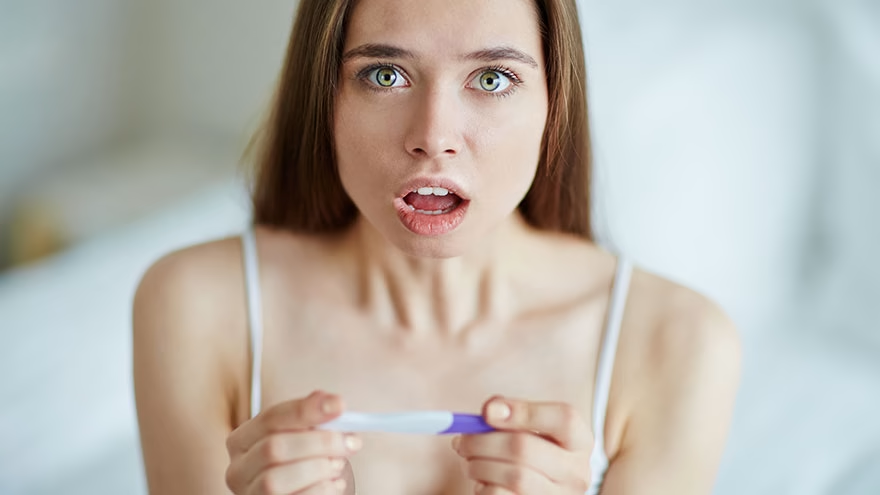
Top Ten Signs You Are Pregnant can help you decide when to test, but symptoms alone cannot confirm pregnancy. PMS, stress, illness, travel, medication, and cycle changes can mimic early pregnancy.
The most useful approach is to notice patterns, take a home test at the right time, repeat if needed, and call a clinician for pain, heavy bleeding, fainting, or severe nausea.
Symptoms Are Clues
Pregnancy symptoms vary widely. Some people notice changes before a missed period; others feel almost nothing for weeks.
Cleveland Clinic's first trimester guide notes signs like nausea and tender breasts, but it also tells people to find pregnancy care once they know they are pregnant.
Missed Period
A missed period is often the sign that leads someone to test. It is not perfect, especially with irregular cycles, breastfeeding, recent birth control changes, stress, or perimenopause.
If your period is late and pregnancy is possible, test instead of trying to read every symptom. A test gives cleaner information than symptom checking.
Breast Tenderness
Sore, swollen, tingling, or heavy breasts can show up early. Nipples may feel sensitive, and the areola may look darker for some people.
This sign overlaps strongly with PMS. It becomes more meaningful when combined with a late period, fatigue, nausea, or a positive test.
Nausea

Morning sickness can happen at any time of day. ACOG's morning sickness FAQ explains nausea and vomiting of pregnancy and lists warning signs that may point to another problem.
Call if you cannot keep fluids down, lose weight, feel faint, have fever, or nausea begins for the first time later than expected. Severe symptoms deserve care.
Fatigue
Early pregnancy fatigue can feel different from ordinary tiredness. Hormones, sleep changes, nausea, and emotional stress can all contribute.
Fatigue alone does not prove pregnancy. If exhaustion is severe, sudden, or paired with shortness of breath, chest pain, or depression, get medical advice.
Frequent Urination
Peeing more often can start early and become more obvious later. It can also come from fluids, caffeine, urinary infection, diabetes, or anxiety.
Burning, fever, back pain, blood in urine, or pelvic pain should be checked. Do not assume every urinary symptom is normal pregnancy.
Food Aversions And Smell
A sudden dislike of coffee, meat, perfume, soap, or favorite foods is common enough to make people suspicious. Cravings can happen too.
If nausea follows, simple foods may help. Livecub's bland diets for pregnancy guide can help while you wait for an appointment.
Light Spotting
Some people notice light spotting around the time a period is due. It may be harmless, but bleeding can also have other causes.
Heavy bleeding, one-sided pain, shoulder pain, dizziness, or fainting needs urgent medical advice. Do not self-diagnose implantation bleeding if symptoms feel wrong.
Mild Cramping
Mild cramps can happen early, but cramps are not a reliable pregnancy sign. They can also signal a coming period, digestion changes, or other issues.
Severe pain, pain on one side, fever, heavy bleeding, or faintness is not something to watch casually. Call for guidance.
Mood Changes
Hormonal shifts, sleep, uncertainty, and life stress can make emotions feel sharper. Some people cry easily; others feel irritable or anxious.
If sadness, panic, or hopelessness feels intense, Livecub's pregnancy depression guide may help you take the next step.
Testing Still Decides
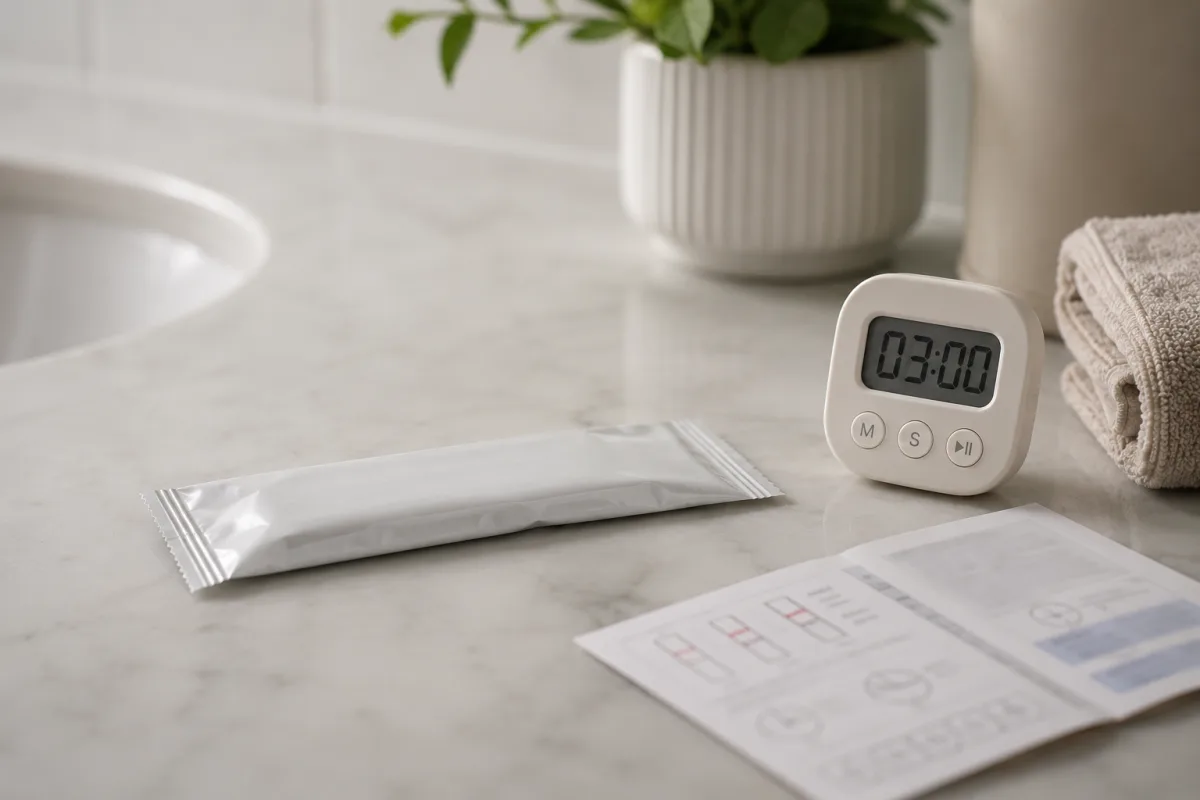
Home pregnancy tests detect hCG. Mayo Clinic's pregnancy symptoms guide explains that symptoms can happen at different times, so testing matters.
If a test line is confusing, Livecub's evaporation lines on EPT results guide can help you avoid reading an old or invalid result as positive.
Early Signs In Week One
Very early signs are easy to overread because the body is still close to the normal luteal phase of the cycle. Timing matters.
For a deeper timing breakdown, Livecub's signs of pregnancy in the first week guide is the better internal next read.
Relationship Context
Pregnancy suspicion can affect sex, plans, mood, and privacy. You do not have to announce uncertainty to everyone before you test.
If a partner is involved, choose calm facts: period date, test date, symptoms, and what support you need. Livecub's pregnancy intimacy guide can help later if the test is positive.
Test Instructions Matter
Read the test instructions before using it. Timing, urine concentration, reading window, and expiration date can change how reliable the result is.
A faint valid line within the reading window may mean something different from a gray line that appears much later.
When To Call Early
Call early for severe pain, heavy bleeding, fainting, shoulder pain, fever, or vomiting that prevents fluids. These symptoms should not wait for a routine appointment.
If the test is positive, ask when your first visit should happen and what medicines or supplements to review now.
Basal Body Temperature
People who track basal body temperature may notice it stays higher after ovulation. That can be a clue, but it is not a stand-alone pregnancy test.
Illness, poor sleep, alcohol, travel, and tracking errors can change temperatures. Use the chart as context, then test.
Discharge Changes
Some people notice more discharge early in pregnancy. It is usually mild, but itching, bad odor, pain, or greenish color should be checked.
Do not self-treat possible infection with leftover medicine. Pregnancy changes which products are appropriate.
Headaches And Dizziness
Headaches or dizziness can happen early, but they are broad symptoms. Dehydration, caffeine changes, stress, low blood sugar, or illness can also cause them.
Fainting, severe headache, vision changes, chest pain, or one-sided weakness needs urgent care, pregnant or not.
Cramps Versus Pain
Mild cramps can be watched with context, but pain that is sharp, one-sided, severe, or paired with bleeding is different.
If you are unsure, call. A nurse line or clinician can help decide whether testing, labs, ultrasound, or urgent care makes sense.
Repeat Testing
If your test is negative and the period still does not come, repeat it in a few days. Testing too early is a common reason for a negative result.
Use first-morning urine if the instructions suggest it, and check the expiration date before trusting the result.
After A Positive Test
Once a test is positive, start prenatal steps: call for an appointment, review medicines, avoid alcohol, check caffeine, and ask about prenatal vitamins.
You do not need every symptom to be sure. A valid positive test is enough reason to move from guessing to care.
Irregular Cycles
If your cycles are irregular, a missed period may not stand out. In that case, testing after possible exposure or symptoms may be more useful than waiting for a predictable date.
Track sex dates, bleeding, and test dates. Those details help if you need blood testing or dating ultrasound later.
Birth Control Context
Birth control can change bleeding patterns, breast tenderness, nausea, and mood. Missing pills, late shots, vomiting after pills, or device concerns can also change pregnancy risk.
If you use birth control and symptoms feel unusual, test and call the prescribing clinician for method-specific advice.
Recent Pregnancy Or Loss
After a recent birth, miscarriage, abortion, or pregnancy loss, cycles and hCG timing can be confusing. Symptoms may not follow the pattern you expect.
Ask a clinician how and when to test in that situation. A home test may need follow-up if the timing is unclear.
Keep Notes
A short symptom note is better than trying to remember everything. Write down period date, test date, bleeding, pain, nausea, and any medicine you took.
If symptoms become concerning, those notes make the phone call calmer and more useful.
Frequently Asked Questions
What is the most common early pregnancy sign?
A missed period is often the sign that leads someone to test, but it is not perfect for people with irregular cycles.
Can pregnancy symptoms start before a missed period?
Yes, some people notice breast tenderness, fatigue, nausea, smell sensitivity, or spotting early, but symptoms alone cannot confirm pregnancy.
When should I take a pregnancy test?
Testing around or after a missed period is usually more reliable. Repeat if the first result is negative but your period still does not come.
Is spotting always implantation bleeding?
No. Spotting can have many causes. Heavy bleeding, one-sided pain, dizziness, or severe cramping should be checked quickly.
Can PMS feel like pregnancy?
Yes. Breast tenderness, mood changes, cramps, fatigue, and cravings can overlap with early pregnancy.
The top signs of pregnancy are clues, not proof. Use them to decide when to test, then get care early if the result is positive or symptoms feel concerning.

Olivia Prete
Edits culture and personal-development articles, distinguishing opinion and experience from verifiable claims.




Leave a reply
Replying to