
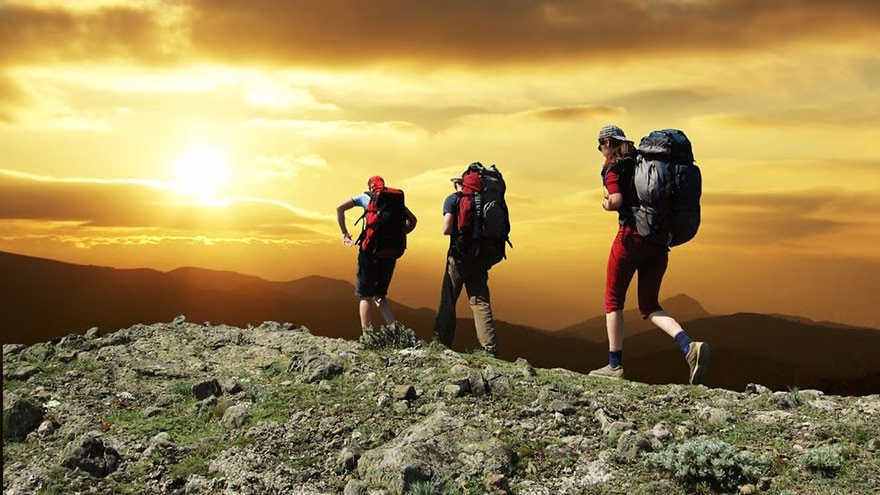
Start With the Kind of Trail Day You Want
Trails near Oshkosh, Wisconsin can mean a paved walk by the water, a long bike ride on a rail-trail, a family park loop, or a quiet birding stop. The best choice depends on time, surface, weather, and who is coming with you. A stroller walk, a half-day ride, and a winter leg-stretcher are different trips.
Oshkosh sits between Lake Winnebago, the Fox River, parks, neighborhoods, and regional trail corridors. That gives visitors and locals several ways to get outside without turning the day into a backcountry expedition. The smartest plan is to choose distance and surface first, then add scenery.
Check conditions before you leave. Wisconsin weather can change quickly, and trail surfaces vary by season. Bring water, a charged phone, layers, and basic courtesy for shared paths. If a route crosses roads, ride and walk defensively.
Also decide whether the goal is exercise or exploring. Exercise days can use an out-and-back route with a clear turnaround. Exploring days work better with shorter mileage, extra time for photos, and a nearby meal plan. Mixing those goals can frustrate a group.
Wiouwash State Trail
The Wiouwash State Trail is one of the major trail names around Oshkosh. The Wisconsin DNR's Wiouwash State Trail page describes a trail built on a former rail corridor, with separate northern and southern segments. Around Oshkosh, the southern segment is the one many visitors look for.
This kind of trail works well for biking, walking, and longer out-and-back plans because grades are usually manageable. Rail-trail riding can feel easy at first, so pay attention to distance. If you ride ten miles out, you still need to ride back unless you planned a pickup.
Bring a repair kit if biking, and check whether a state trail pass is required for your use. Rules can change by trail and activity, so use official sources before assuming. A comfortable rail-trail day is often about small preparation rather than dramatic scenery.
For families, set a turnaround point before anyone is tired. Rail-trails can feel repetitive to children, so use small goals: a bridge, a snack stop, a bird sighting, or a certain time on the clock. The best ride is the one everyone would repeat.
Oshkosh Riverwalk and Waterfront Paths
For a shorter urban outing, the Oshkosh Riverwalk and nearby waterfront paths offer a different mood. These routes are useful when you want a walk close to food, parking, lodging, and downtown stops. They also work well for visitors who do not want to drive far from the city.
The City of Oshkosh's parks and trails information is the right place to check local facilities and maps. The city's Parks Department page can help you connect riverfront spaces, parks, and recreational details before heading out.
Urban paths require the same courtesy as rural ones. Keep right, pass with warning, leash dogs where required, and slow near children. A river walk is not a race lane. It is a shared public space.
Winnebago County Parks and Trail Links
Winnebago County has parks and trail resources that can help you build a larger outing around Oshkosh. The county's parks department page is useful for checking facilities, park rules, and regional recreation details. Use it alongside city and state pages because trail ownership and maintenance can differ.
County parks are useful for families because they often combine open space, restrooms, picnic areas, playgrounds, or water access with shorter walks. If you have mixed ages in the group, pick a place where people can do different amounts of walking without splitting the day completely.
That flexibility helps with grandparents, young children, new walkers, and anyone recovering from an injury. A park loop lets one person rest while another adds distance. Good trail planning is not only about the map; it is about keeping the outing enjoyable for the people who actually came.
If you use walking sticks, adjust them before the trailhead rather than once everyone is waiting. Livecub's guide on adjusting walking sticks is a simple companion for uneven or longer routes.
Lake and Birding Walks
Lake Winnebago and nearby wetland areas can make short walks feel more interesting. Birding, sunrise views, changing ice, and wind off the lake all shape the experience. A trail that feels easy in summer can feel exposed in winter or on a windy spring day.
Bring binoculars if birding matters. Stay on marked paths where required, and avoid disturbing nesting or resting wildlife. Dogs should be leashed where rules require it and kept away from birds and shoreline habitat. A quiet walk usually rewards patience more than speed.
Morning and evening light can make simple shoreline walks feel more memorable. Wind changes the mood quickly near open water, so pack a layer even if the forecast looks mild. In buggy seasons, repellent can decide whether the group enjoys the route or turns back early.
For travelers who like water-focused routes, Livecub's waterfalls on Skyline Drive article is a different region, but it has the same trip-planning habit: match route difficulty to time, weather, and group ability.
Bike, Walk, or Winter Outing?
Biking opens more distance, especially on rail-trails, but it also adds planning. Check surface, crossings, trail pass rules, repair needs, and wind. Around open stretches, wind can make the return ride harder than expected. Plan snacks and water even if the map looks simple.
Walking is easier to improvise. Choose a park, riverfront section, or short trail, then turn around when the group has had enough. Families with children may do better with a short route plus a picnic than a long route with no reward at the end.
Winter changes everything. Ice, snow, wind, early darkness, and closed facilities can affect a trail day. Wear traction when needed, bring layers, and check whether the route is maintained for winter use. A short safe walk beats a longer route that becomes a cold problem.
Planning Tips for Oshkosh Trails
Before you leave, decide the route, distance, surface, parking, bathroom plan, and weather backup. Send someone your plan if you are heading out alone. For a group, agree on the turnaround time before the walk begins. It prevents one person's enthusiasm from becoming everyone else's forced march.
Keep trail manners simple. Stay right, pass left, control dogs, avoid blocking the path for photos, and carry out trash. Cyclists should slow around walkers and announce passes. Walkers should avoid spreading across the full path.
If you are visiting from out of town, choose one primary trail and one backup. A backup can be a riverfront walk if rain makes a longer route less appealing, or a park loop if wind near the lake is too sharp. This keeps the day flexible without turning it into indecision.
A simple half-day plan might start with a riverfront walk, continue with lunch nearby, and end with a short park loop if the weather holds. A bike-focused day can use the Wiouwash as the main event, then leave the evening open. Keeping one open slot is practical planning, especially when trail conditions, children, or wind change the pace. Pack a small trail kit with water, layers, simple first aid, and a backup battery if you rely on phone maps. It prevents small delays from becoming larger problems for the whole group.
If your trip includes other Wisconsin or Midwest stops, build the trail day as one anchor, not as a rushed extra. Livecub's guide to places to see in Petoskey shows the value of choosing a few good stops instead of trying to do everything. Trails are better when the day has room to breathe.
Frequently Asked Questions
What is the best long trail near Oshkosh?
The Wiouwash State Trail is the main long rail-trail option many people consider near Oshkosh. Check the Wisconsin DNR page for current segment and use details.
Are there easy walks in Oshkosh?
Yes. Riverwalk and park paths can be good for shorter, easier outings close to town. Check city parks information for facilities and access.
Can I bike trails near Oshkosh?
Yes, several routes can work for biking, especially rail-trail sections. Check surface, crossings, trail pass rules, and seasonal conditions before riding.
What should I bring for a trail day?
Bring water, layers, a charged phone, route information, snacks for longer outings, bike repair items if riding, and traction in winter if conditions require it.

Tory Stearns
Edits practical household, travel and lifestyle explainers. Claims that can change are linked to current primary or subject-authority sources.



Leave a reply
Replying to