
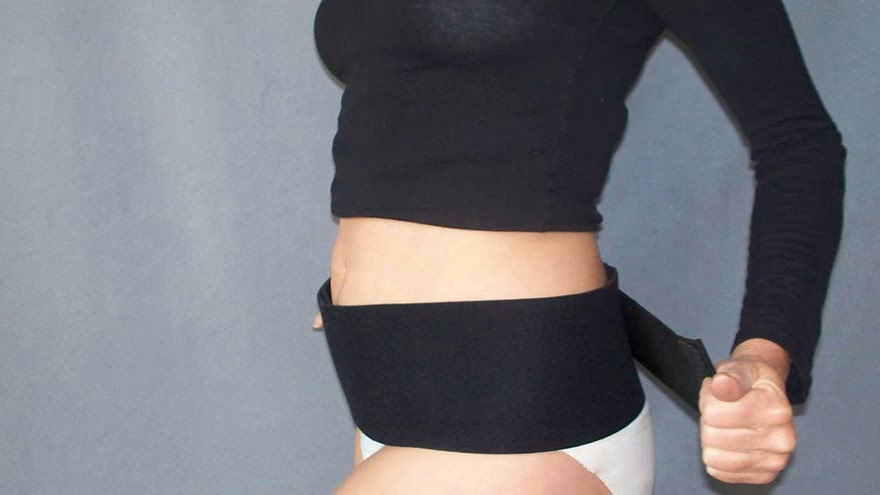
What Are Belly Bands? Belly bands are stretchy pregnancy support garments worn around the lower belly, hips, or waistband area. Some are light fabric bands used to cover unbuttoned pants. Others are firmer maternity support belts meant to lift or support the belly and pelvis.
This is general pregnancy education, not medical advice. Belly bands do not treat every pain and should not be tight enough to cause numbness, breathing trouble, swelling, contractions, dizziness, or skin injury. Ask an OB, midwife, or physical therapist if pain is severe, one-sided, sudden, or paired with bleeding, fever, fluid leak, or decreased fetal movement.
Two Common Types
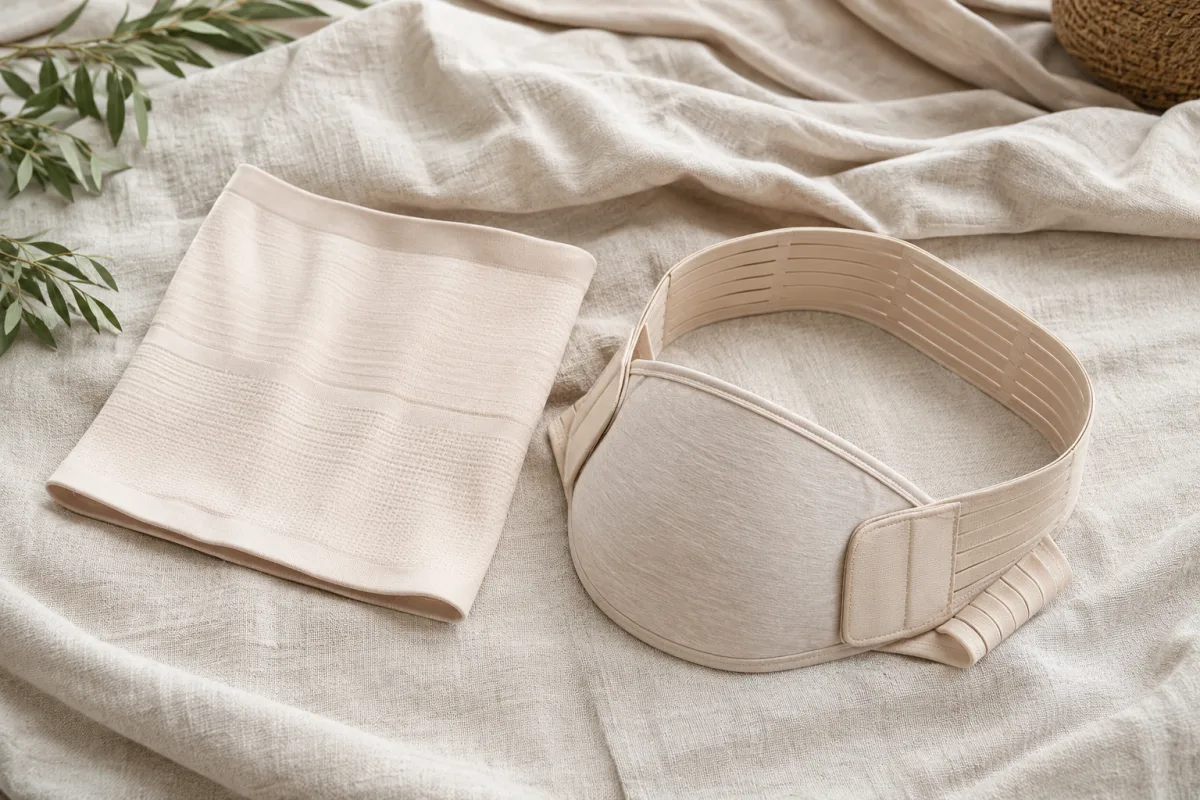
The first type is a soft fabric band. It smooths the waistband, gives light coverage, and helps regular pants last longer. The second type is a support belt with more structure. It may sit under the belly and around the hips to reduce strain during walking, standing, or daily tasks.
People use the same phrase for both, so check the product style before buying.
What They Can Help With
Some pregnant people use a belly band for mild low back ache, pelvic heaviness, round ligament discomfort, or waistband coverage. A support belt may feel useful during errands, work shifts, or short walks. Relief should be noticeable but not dramatic enough to hide a serious symptom.
ACOG's guidance on back pain during pregnancy discusses posture, support, exercise, and when to call a clinician.
What They Cannot Do
A belly band cannot hold the pregnancy in place, prevent miscarriage, turn a baby, treat preterm labor, or fix severe pelvic pain. If marketing suggests that a band can solve medical problems, be skeptical. Support garments are comfort tools, not prenatal care.
If you are checking early pregnancy signs, Livecub's first week pregnancy signs article is more relevant than a band.
Fit Matters
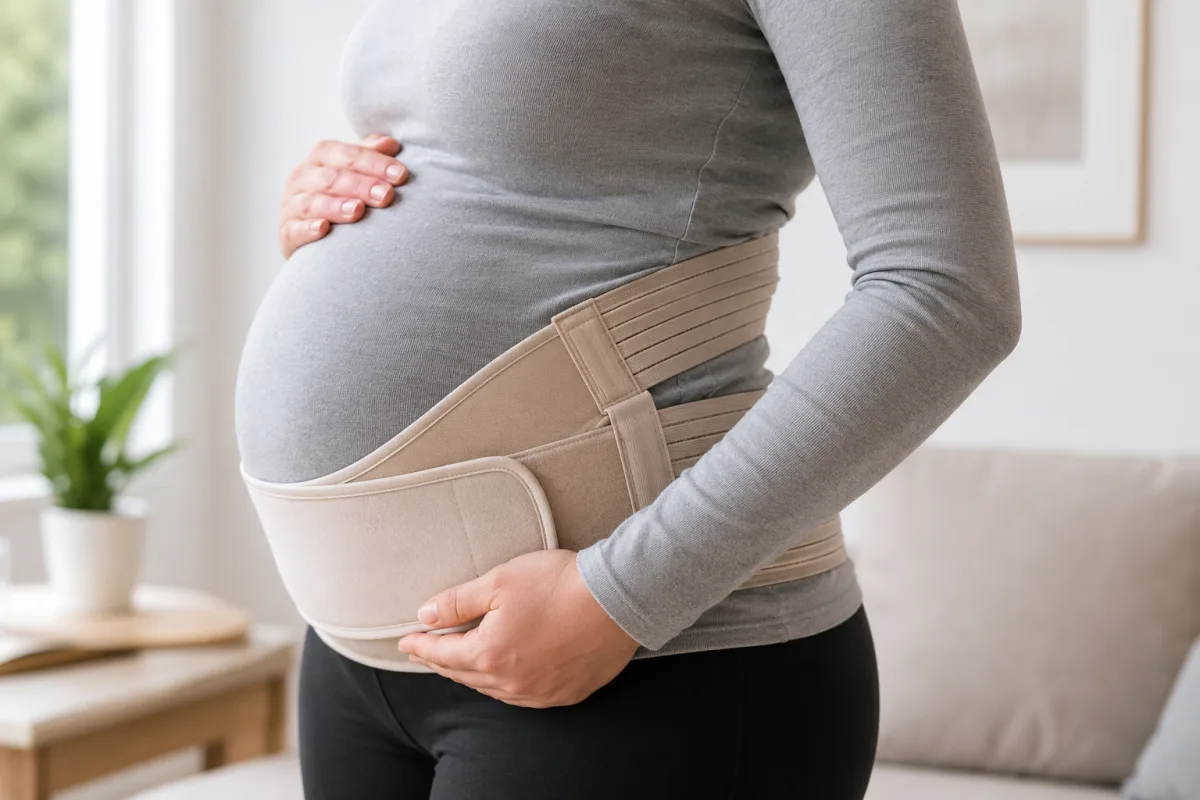
A band should feel supportive, not restrictive. You should be able to breathe, sit, and walk without numbness or pressure marks. If the band rolls, pinches, or pushes pain into the ribs or pubic bone, try another size or skip it.
Do not sleep in a firm support belt unless your clinician specifically says to. Skin and circulation need breaks.
When To Wear One
Many people wear a belly band for limited periods: commuting, grocery shopping, standing at work, exercise approved by a clinician, or the part of the day when the belly feels heavy. Wearing it all day can make some people rely on external support instead of adjusting movement and rest.
If intimacy or body image feels harder as the belly changes, Livecub's feeling attractive during pregnancy guide may help with the emotional side.
Pelvic Girdle Pain
Pelvic girdle pain can feel like pain at the pubic bone, hips, buttocks, or lower back. A support belt may help some people, but physical therapy, movement changes, sleep positioning, and clinical assessment may matter more.
NHS guidance on pelvic pain in pregnancy describes symptoms and support options, including referral for physiotherapy.
Work And Daily Tasks
A belly band can be useful for jobs that involve standing, but it should be paired with breaks, shoes that do not increase strain, water, and a plan for lifting limits. If work duties cause pain or contractions, talk to the care team rather than tightening the band.
Pregnancy support is not proof that a task is safe.
Exercise And Walking
During clinician-approved walking or light exercise, a support belt may reduce the bouncing or pulling feeling. Start with short use and remove it if you feel pressure, overheating, or pain. The band should support movement, not force a pace your body is resisting.
For food tolerance during pregnancy, Livecub's bland diets for pregnancy article can help on days when discomfort and nausea overlap.
Postpartum Use
Some belly bands are sold for postpartum support. Postpartum bodies vary: cesarean incision healing, pelvic floor symptoms, abdominal separation, bleeding, and pain all affect what is safe. A postpartum binder should not replace medical follow-up or pelvic floor care.
Ask before using firm compression after surgery or if pain increases.
How To Choose
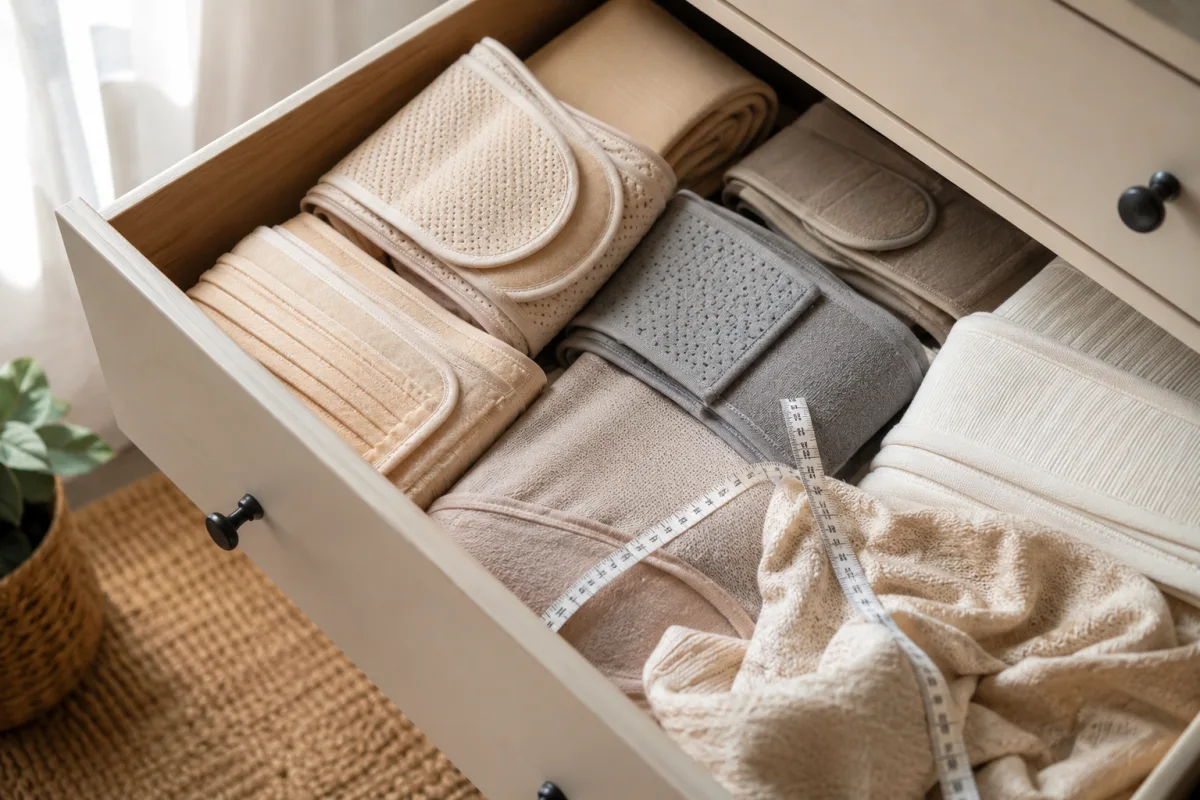
Choose based on the job: light coverage, firm support, breathable fabric, adjustable closure, or pelvic support. Read return policies because comfort is hard to predict. Avoid bands that promise medical results without clinician input.
Try it over a thin layer first. Skin irritation is easier to prevent than calm down.
When To Call A Clinician
Call for severe pain, bleeding, fluid leak, regular contractions, fever, fainting, severe headache, calf swelling, chest pain, or decreased fetal movement. A belly band is not the answer to warning signs.
If labor support planning is on your mind later, Livecub's early labor support article can help partners prepare.
Round Ligament Discomfort
Round ligament pain often feels sharp or pulling on one or both sides of the lower belly, especially with movement. A light band may reduce the pulling sensation for some people. Pain that is severe, constant, paired with bleeding, or paired with fever is different and should be checked.
The band should make ordinary movement feel easier, not hide symptoms that need medical care.
Skin And Summer Heat
Pregnancy skin can be sensitive, and a band can trap sweat. Choose breathable fabric, wash it often, and take breaks if skin becomes itchy or red. In hot weather, a lighter band may be better than firm compression. Hydration and rest still matter.
If a rash spreads, blisters, or becomes painful, ask a clinician rather than continuing to cover it.
Sizing Changes
A band that fit at twenty weeks may not fit at thirty-two weeks. Adjustable styles can last longer, but no product needs to work for the whole pregnancy. If it starts rolling or digging into the belly, it is no longer the right fit.
Keep the receipt if possible, and avoid buying only for the earliest bump size.
Physical Therapy
For ongoing pelvic or back pain, a pelvic health physical therapist may teach safer movement, support options, strengthening, and rest positions. The band can be one tool in that plan. It should not be the only tool if pain is changing how you walk, sleep, work, or climb stairs.
Ask your pregnancy care team for referral options if pain is limiting daily life.
Sitting And Driving
Some people like a band while walking but hate it while sitting or driving. The lower edge can press into the hips or bladder when the body folds. If that happens, remove it before the car ride or choose a softer band for seated time.
Comfort should be tested in the positions you actually use during the day, not only while standing in front of a mirror.
Cost And Practicality
The most expensive band is not always the best. A washable, adjustable, breathable option that you will actually wear may be more useful than a complicated brace. If pain is mild, borrowing a clean band or buying one returnable style can prevent wasted money.
If pain is strong enough that you are buying multiple products, ask for clinical help rather than continuing to shop around the problem.
Try Short Wear Windows
Start with thirty to sixty minutes instead of a whole day. Notice whether walking, stairs, or standing feel easier, and whether any new pressure appears. Short trials make it easier to tell whether the band helps or simply feels new.
If the benefit disappears as soon as you sit down, use it only for active parts of the day.
Frequently Asked Questions
Are belly bands safe during pregnancy?
They are often safe when worn loosely and briefly, but ask your clinician if you have pain, risk factors, or circulation concerns.
Can a belly band help back pain?
It may help mild strain for some people, especially during standing or walking, but it does not replace assessment.
How tight should it be?
Supportive, never restrictive. Remove it for numbness, pressure marks, dizziness, contractions, or breathing trouble.
Can I wear one all day?
Many people do better with limited use and breaks. Ask a clinician if you feel dependent on it.
Is a belly band the same as a maternity belt?
Not always. A soft band is often for coverage; a maternity support belt is usually firmer.
The Practical Takeaway
Belly bands are pregnancy support garments used for coverage or mild support. Choose the style for the problem, keep the fit gentle, take breaks, and treat severe pain or warning signs as medical issues.

Olivia Prete
Edits culture and personal-development articles, distinguishing opinion and experience from verifiable claims.



Leave a reply
Replying to