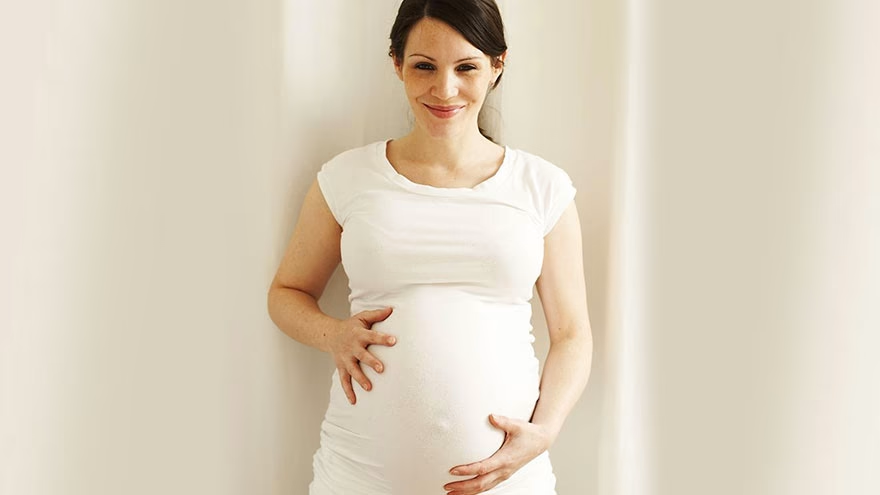
What Is the First Symptom of Being Pregnant? For many people, the first useful sign is a missed period. For others, it is breast tenderness, fatigue, nausea, smell sensitivity, spotting, or simply feeling off.
There is no single first symptom that works for everyone. The better question is when symptoms appear in your cycle and when a pregnancy test can give a reliable answer.
There May Not Be One First Symptom
Some people feel pregnant early. Some feel exactly like their period is coming. Some have no clear symptoms until a test is positive.
Mayo Clinic's pregnancy symptoms guide lists missed period, tender breasts, nausea, increased urination, and fatigue, but timing varies.
Missed Period
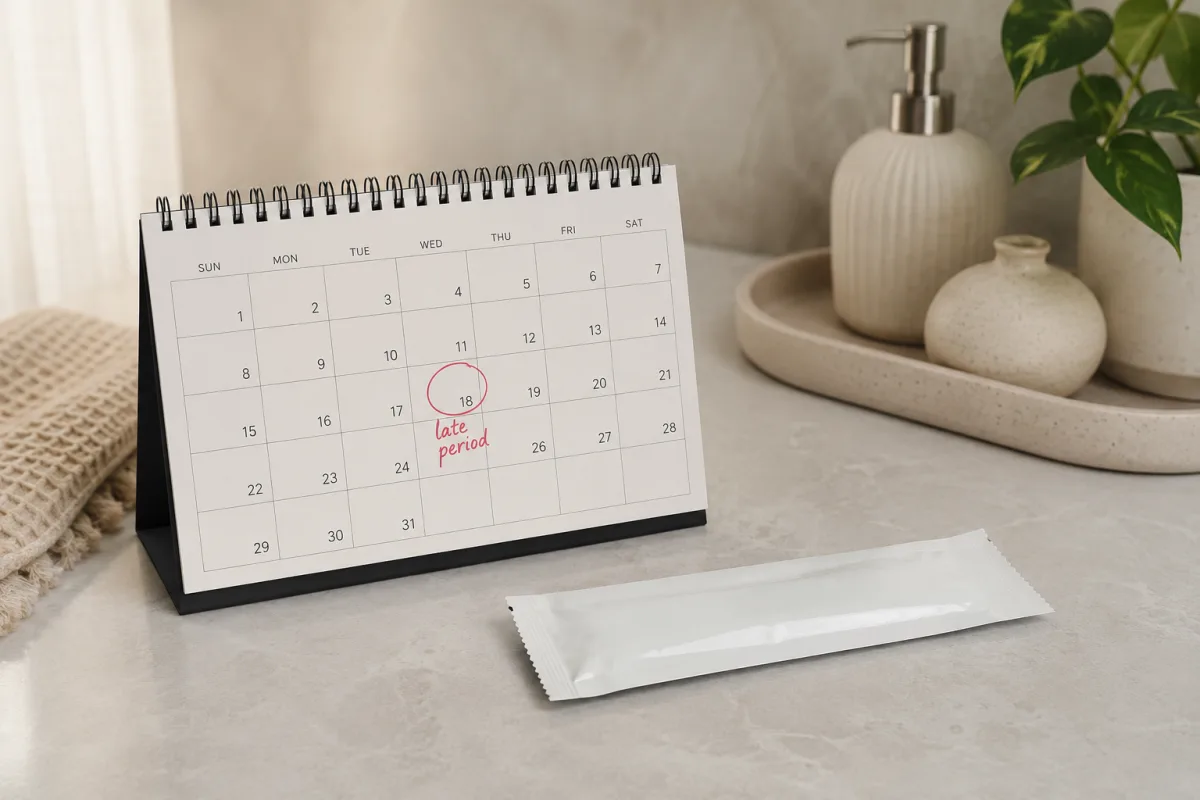
A missed period is often the first symptom people trust because it is measurable. Still, it can be misleading with irregular cycles, stress, illness, travel, weight change, or birth control changes.
If your cycle is late and pregnancy is possible, test with first-morning urine or follow the test instructions. Do not rely on cramps or cravings alone.
Breast Tenderness
Breast soreness may begin early because hormones shift quickly. The feeling can be fullness, tingling, nipple sensitivity, or pain like PMS.
Because PMS can feel the same, breast tenderness becomes more useful when paired with a late period or a positive test.
Fatigue
Fatigue may show up before nausea for some people. It can feel like hitting a wall in the afternoon or needing sleep after normal tasks.
Fatigue also comes from poor sleep, anemia, stress, depression, thyroid problems, and illness. A test is still needed.
Nausea Timing
Nausea can start early, but many people feel it later. ACOG notes that nausea and vomiting beginning for the first time after 9 weeks should raise other questions: ACOG morning sickness FAQ.
If you cannot keep fluids down, have weight loss, fever, pain, or severe weakness, call. Do not wait for the first prenatal appointment.
Spotting
Light spotting near the expected period can happen in early pregnancy, but it is not proof. It can also be an early period, cervical irritation, infection, or another concern.
Heavy bleeding, severe cramps, one-sided pain, shoulder pain, or fainting needs urgent medical advice.
Cramping
Mild cramps can occur early, but cramps are one of the easiest signs to misread. They overlap with PMS, constipation, gas, and cycle changes.
Track severity, location, bleeding, and dizziness. A mild tug is different from severe one-sided pain.
Smell And Taste
A sudden dislike of coffee, meat, perfume, toothpaste, or a favorite food can be one of the first clues. Metallic taste can also happen.
These changes are real for some people, but they are not diagnostic. Illness, reflux, medication, or migraine can also change smell and taste.
Testing Timeline
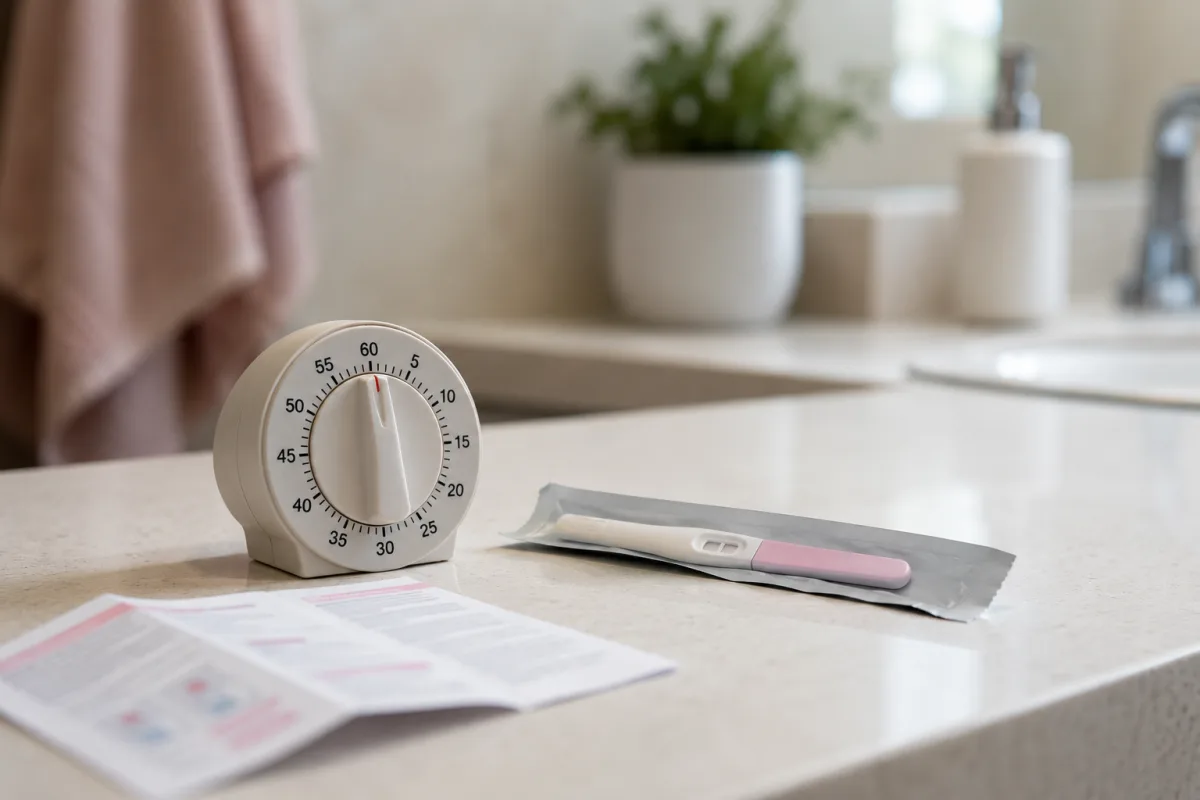
Cleveland Clinic explains that the first trimester begins before many people know they are pregnant and that care should start once pregnancy is known: first trimester overview.
If a test is negative but the period still does not come, repeat in a few days or call your clinician. If the line appears after the reading window, Livecub's evaporation line guide can help.
Week One Confusion
The phrase first week of pregnancy is confusing because medical dating starts from the last menstrual period, before conception has usually happened.
For that timing issue, Livecub's first-week pregnancy signs guide is the internal article to read next.
Food And Nausea
If the first symptom is nausea, keep food simple while you confirm pregnancy. Crackers, toast, rice, applesauce, soup, and small snacks may be easier than full meals.
Livecub's bland pregnancy diet guide can help you eat gently without turning every meal into a fight.
Emotional First Signs
Some people notice mood changes before physical signs. Irritability, crying, anxiety, or feeling unusually tender can happen, but they also overlap with PMS and stress.
If emotions feel dark, intrusive, or unsafe, do not wait for pregnancy confirmation to ask for help. Livecub's pregnancy depression guide may help you name the concern.
Use Dates
Write down the first day of your last period, the date of sex that could have led to pregnancy, test dates, and symptom dates. Dates help more than vague memory.
If cycles are irregular, dates still help the clinician decide whether blood testing or ultrasound timing makes sense.
Do Not Overread Apps
Cycle apps estimate. They do not know for sure when you ovulated or implanted unless paired with accurate biological data.
Use apps as a notebook, not a diagnosis. A real test and medical follow-up matter more than a predicted fertile window.
Tender Smell Response
For some people, smell sensitivity is the first clue. Coffee, garlic, laundry detergent, or a partner's shampoo can suddenly feel unbearable.
This can happen before nausea is obvious, but it can also come from migraine, illness, or stress. Treat it as a clue, not proof.
Early Urination
Frequent urination can start early, but it is easy to confuse with drinking more fluids, caffeine, anxiety, or a urinary tract infection.
Burning, fever, pelvic pain, back pain, or blood in urine should be checked. Do not write those off as early pregnancy.
Negative Test Timing
A negative test does not always end the question if it was taken early. hCG rises over time, and tests vary in sensitivity.
If your period is still late, repeat the test in a few days or ask about blood testing.
Positive Test Next Steps
After a positive test, call for prenatal care, start or confirm prenatal vitamins, review medicines, and avoid alcohol and overheating.
If you have pain or bleeding, say that when you call. The appointment timing may change based on symptoms.
No Symptoms
Having no symptoms does not automatically mean something is wrong. Some people feel normal early in pregnancy and only discover it through testing.
If you have a positive test and no symptoms, still schedule care. Pregnancy needs dating and routine screening even when you feel fine.
Privacy
You can take time before telling others. Testing, confirming, and arranging care can happen before a public announcement.
If a partner needs to know, keep the first talk practical: result, timing, next appointment, and what kind of support would help right now.
Breast Versus Period Symptoms
Breast tenderness before a period can feel almost identical to early pregnancy tenderness. Timing, test result, and a missed period matter more than the feeling itself.
If the symptom is severe, one-sided, or paired with redness or fever, it deserves medical advice for reasons beyond pregnancy.
Fatigue Versus Illness
Early pregnancy fatigue can be heavy, but so can flu, anemia, depression, thyroid issues, or poor sleep. Do not treat exhaustion as proof by itself.
If fatigue is disabling or paired with shortness of breath, chest pain, fainting, or dark mood, ask for help.
Symptom Apps
Symptom apps can organize notes, but they can also make people check their body every hour. That can raise anxiety without giving a clearer answer.
Use the app to record facts, then step away until the test timing makes sense.
Call If Unsure
Clinics are used to questions about late periods, faint lines, spotting, and early nausea. Calling does not mean you are overreacting.
The safest question is direct: Based on my dates and symptoms, should I test again, get blood work, or be seen? If pain, heavy bleeding, or fainting is present, say that before anything else. Keep the test package nearby when you call, along with your period dates and symptom notes.
Frequently Asked Questions
What is usually the first sign of pregnancy?
A missed period is often the first useful sign, but some people notice breast tenderness, fatigue, nausea, spotting, or smell changes earlier.
Can I feel pregnant before a missed period?
Some people do, but early symptoms overlap with PMS. A test near or after the missed period gives better information.
Is nausea always an early pregnancy symptom?
No. Some people never have nausea, and others develop it later. Severe nausea or dehydration should be reported.
Can spotting be the first symptom?
Light spotting can happen, but it is not proof of pregnancy. Heavy bleeding or one-sided pain needs medical advice.
When should I test?
Follow the test instructions, usually around the missed period. Repeat if negative but your period still does not arrive.
The first symptom of pregnancy is often a missed period, but bodies vary. Use symptoms as clues, test at the right time, and call for pain, heavy bleeding, or severe nausea.

Linda Fehrman
Edits general wellness and relationship explainers. Health material is educational, avoids diagnosis and links to health-authority guidance.




Leave a reply
Replying to