

What Is the Purpose of the NICU? The NICU exists to give premature, very small, or medically fragile newborns care that a regular nursery cannot provide safely.
For parents, the unit can feel frightening because monitors, tubes, alarms, and strict routines appear all at once. The purpose is not to separate a baby from family; it is to stabilize the baby, watch changes closely, and teach parents how to care for the baby before discharge.
A Higher Level Of Newborn Care
NICU stands for neonatal intensive care unit. MedlinePlus describes it as a hospital unit for babies born preterm, very early, or with serious medical conditions, supervised by clinicians trained in newborn care. Its NICU consultants page explains the range of staff families may meet.
Babies may be admitted because of prematurity, breathing trouble, infection risk, low birth weight, blood sugar concerns, birth defects, surgery needs, feeding problems, or trouble keeping warm. Some stays are brief, while others last weeks or months.
Monitoring Small Changes
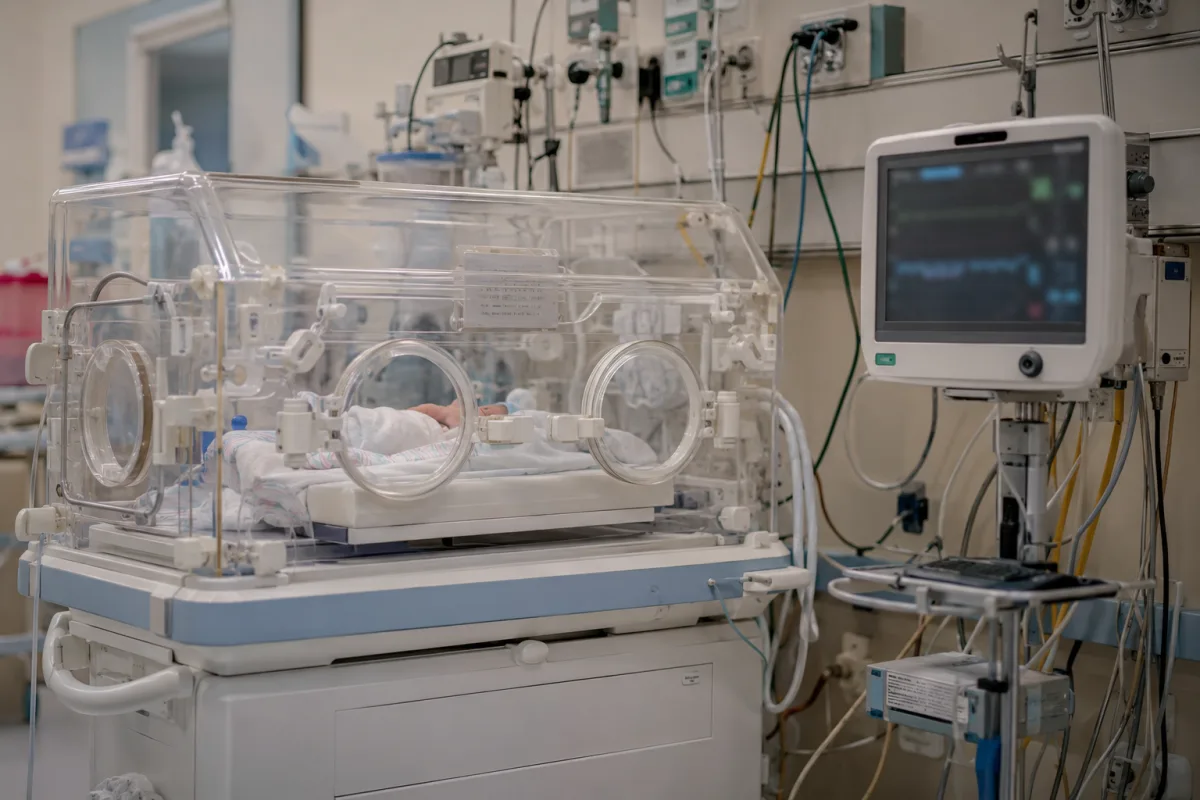
Newborns can change quickly, especially if they are premature. NICU monitors track breathing, heart rate, oxygen levels, temperature, and sometimes blood pressure. Alarms do not always mean crisis, but they tell staff to check the baby.
Parents often learn which sounds matter and which are routine. Asking nurses to explain alarms can reduce fear and help parents understand the baby's patterns.
Breathing Support
Many NICU babies need help breathing. Support may range from extra oxygen to CPAP, a ventilator, or medication that helps premature lungs work better. The team adjusts support as the baby grows stronger.
March of Dimes lists breathing issues among common NICU conditions and explains that specialized equipment may be used to monitor and support the baby's health. Its NICU conditions guide is written for families.
Feeding And Growth
Feeding can be a medical task in the NICU. Some babies are too immature or tired to coordinate sucking, swallowing, and breathing. They may need IV nutrition, tube feedings, breast milk fortification, donor milk, formula, or speech and feeding therapy.
Growth is not only about weight. The team watches digestion, blood sugar, hydration, stooling, reflux, and stamina. Livecub's premature baby development guide can help parents understand why premature milestones are often tracked by adjusted age.
Temperature And Infection Control
Premature and low-birth-weight babies can lose heat fast. Incubators, warmers, hats, and careful handling help protect body temperature while the baby gains strength and fat stores.
Infection control is another purpose of the NICU. Handwashing, visitor rules, line care, and cleaning routines protect babies whose immune systems are still developing. Parents should ask exactly what they need to do before touching or holding the baby.
The NICU Team
A NICU team may include neonatologists, neonatal nurse practitioners, nurses, respiratory therapists, lactation consultants, pharmacists, dietitians, social workers, physical or occupational therapists, and specialists such as cardiologists or surgeons.
HealthyChildren, from the American Academy of Pediatrics, explains that parents can take part in NICU care and should ask staff how to be present during routines or procedures. Its NICU participation article is useful for daily involvement.
Parents Are Part Of Care
Parents may feel sidelined at first, but they are part of the baby's care team. Depending on the baby's condition, parents may change diapers, take temperature, provide skin-to-skin care, help with feeding, read softly, or learn soothing cues.
If the baby was born early or small, Livecub's low birth weight and preterm infant guide gives related background on why size and gestational age can create different needs.
Learning The Baby's Cues
NICU staff watch for stress cues such as color changes, hiccups, finger splaying, arching, grimacing, oxygen dips, or fatigue during feeding. Parents can learn these signs too, then pause care before the baby becomes overwhelmed.
Some cues look ordinary outside the NICU. For example, hiccups may be harmless, but in a fragile baby they can also mean the baby needs a break. Livecub's newborn hiccups guide covers the everyday side of that topic.
Getting Ready For Home
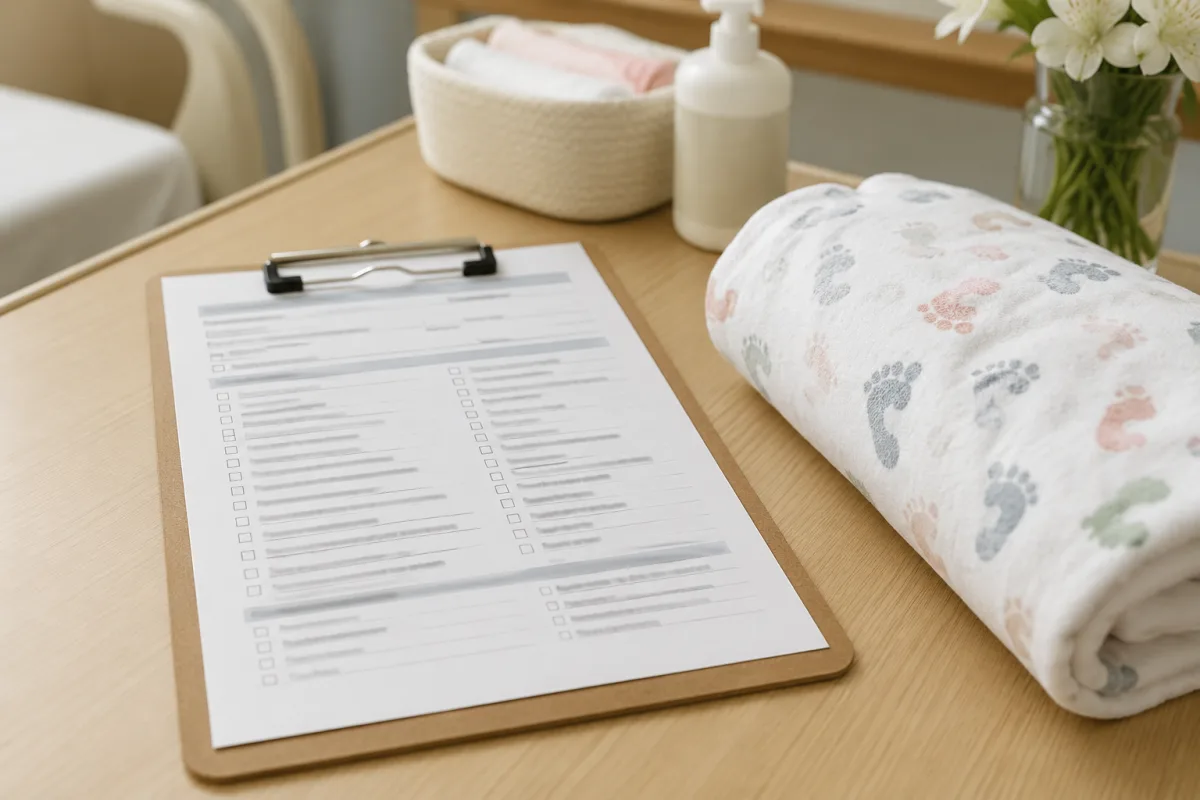
Discharge is usually based on stability, not a single date. Many babies need to breathe without major support, keep temperature in an open crib, gain weight, feed safely, pass screening tests, and have follow-up plans in place.
Parents may need training for medications, feeding equipment, oxygen, monitors, safe sleep, CPR, or appointments. Before leaving, ask who to call after hours and what symptoms should bring the baby back for urgent care.
Bathing And Daily Care
Daily care in the NICU is gentle and timed around the baby's energy. Baths may be sponge baths, swaddled baths, or delayed if the baby is unstable. Staff often teach parents how to wash without chilling or overstimulating the baby.
For later home routines, Livecub's infant washing guide gives a parent-focused review of bathing basics, though NICU discharge instructions should come first for a baby with special needs.
Why Babies Move Rooms
Some babies move from intensive care to a step-down nursery before going home. This does not mean care stopped; it usually means the baby needs less intensive monitoring while practicing feeding, temperature control, and growth.
A transfer can also bring the baby closer to home. Ask what will change, which team takes over, and whether the discharge goals stay the same.
Rounds And Questions
Many NICUs hold daily rounds where the team reviews the baby's status and plan. Parents may be invited to listen, ask questions, or share what they noticed during care time.
Write questions down before rounds because stress makes details easy to forget. Ask for one plain-language goal for the day rather than trying to absorb every lab value at once.
Skin-To-Skin Care
Skin-to-skin care, often called kangaroo care, may help bonding and comfort when the baby is stable enough. The team will decide timing based on lines, breathing support, temperature, and the baby's tolerance.
If you cannot hold yet, you may still be able to provide scent cloths, hand hugs, voice, or milk. Parent care starts before full cuddling is possible.
Emotional Support
The NICU can create grief, guilt, anger, jealousy, fear, and exhaustion, sometimes in the same hour. Those reactions do not mean a parent is failing.
Ask for the social worker, chaplain, parent mentor, lactation support, or mental health referral if the stress is too much to carry alone. Supporting parents also supports the baby.
Follow-Up After Discharge
Going home does not always end the medical story. Some babies need weight checks, specialist visits, early intervention, feeding therapy, medication changes, or developmental follow-up.
Before discharge, confirm the first appointments, pharmacy plan, feeding plan, safe sleep setup, and warning signs. Keep the NICU number handy until your pediatrician has fully taken over care.
Milk And Feeding Choices
NICU feeding plans can involve pumped milk, donor milk, formula, fortifier, tube feeding, or bottle practice. The plan may change as the baby gains strength.
Parents should ask what the current feeding goal is, how milk is stored, and what signs show the baby is ready for the next step.
Safe Sleep Transition
NICU babies may need medical positioning during care, but discharge planning should include a safe sleep plan for home. Ask when the baby will begin practicing the home sleep setup.
This helps parents understand the difference between hospital monitoring and the sleep environment used after discharge.
Frequently Asked Questions
Is every premature baby admitted to the NICU?
No. Many premature babies need NICU care, but some late preterm babies may stay in a regular nursery or step-down unit if they are stable. The hospital team decides based on the baby's condition.
Can parents touch a baby in the NICU?
Often yes, but the type of touch depends on the baby's stability. Parents may start with hand hugs, then skin-to-skin care or holding when the team says it is safe.
Why do NICU alarms go off so often?
Alarms are set to detect changes quickly. Some are urgent, while others reflect movement, loose leads, or brief dips. Ask the nurse what each alarm means for your baby.
How long does a NICU stay last?
It depends on the reason for admission, gestational age, breathing, feeding, growth, and medical issues. Some babies stay days; very premature babies may stay much longer.
What should parents ask during rounds?
Ask what changed overnight, what the main goal is today, what could delay discharge, what you can do, and what signs the team is watching.
The NICU's purpose is focused care: stabilize the newborn, support growth, prevent complications, include parents, and prepare the family for the safest possible move home.

Linda Fehrman
Edits general wellness and relationship explainers. Health material is educational, avoids diagnosis and links to health-authority guidance.




Leave a reply
Replying to