Press Enter to search or ESC to close
Health

Why Phone Snubbing is Damaging Your Romantic Relationship

Chiara Bradshaw
· · Updated Feb 09, 2026 · 15 min read

Why Phone Snubbing is Damaging Your Romantic Relationship

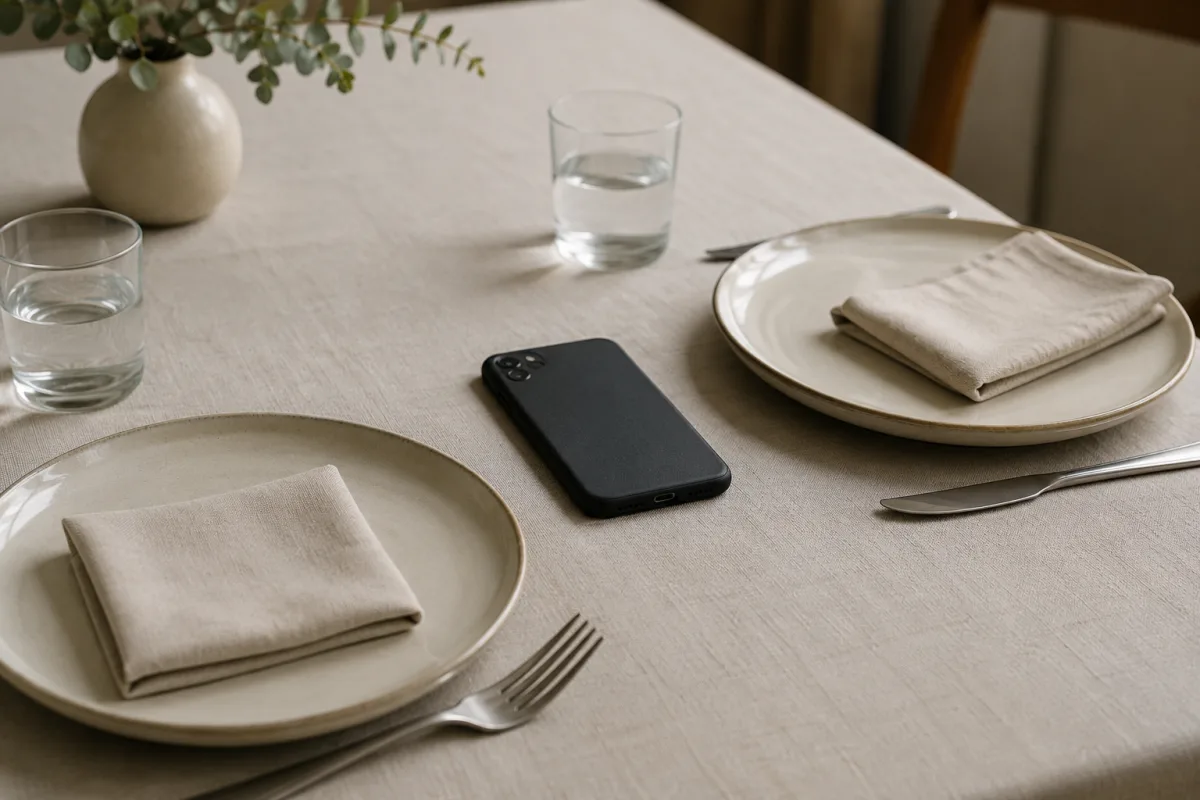
Picture this: You're out to dinner with your partner, a rare moment of peace away from the everyday hustle. You've got so much to share, so much to talk about, but as you begin to open up about your day, their eyes drift. Not to your face, but to the glowing rectangle in their hand.

A notification dings, a quick scroll, a half-hearted "uh-huh" thrown your way. Sound familiar? That sinking feeling, that subtle shift from connection to invisibility, is something many of us know all too well.

It’s called phubbing – phone snubbing – and it's quietly, insidiously, chipping away at the foundation of our most intimate relationships. We've all been guilty of it, myself included. But what if those seemingly innocent glances at our screens are doing more harm than we realize, slowly eroding the very bond we cherish?

Why This Matters

Here’s the thing about phubbing: it’s not just about being rude. It’s a profound act of non-verbal communication that tells your partner, "Whatever is on my phone is more important than you are right now." Think about that for a second. That message, delivered repeatedly, consciously or unconsciously, builds up over time.

It creates a subtle, but deep, chasm in emotional connection. In my experience, even the most resilient relationships aren't immune to its corrosive effects. When you're constantly competing with a device for your partner’s attention, you start to feel devalued, unimportant, and frankly, a little lonely even when they're right there next to you.

It messes with your sense of self-worth within the relationship and makes you question your partner's commitment and affection. It's not just a minor annoyance; it's a direct threat to the intimacy, trust, and communication that are the lifeblood of a healthy romantic partnership. We might rationalize it as multitasking, or just "checking something quickly," but to the person on the receiving end, it often feels like a dismissal, a micro-rejection that stings and leaves a lasting impression.

It’s time we truly understood the gravity of these small, habitual actions.

The Erosion of Connection and Intimacy

When you're constantly diverting your attention to your phone, even for just a few seconds, you're creating an emotional distance between you and your partner. It’s like putting up a tiny, invisible wall. Over time, these little walls build into a fortress, making it harder and harder to genuinely connect.

Intimacy thrives on shared presence, on vulnerability, on feeling seen and heard. How can you truly feel close to someone whose eyes are glued to a screen, even if they're sitting right beside you on the couch? You can’t.

What I've seen firsthand, and what research consistently shows, is that phubbing reduces relationship satisfaction because it directly interferes with quality time. Those moments of silence, those impromptu conversations, those shared glances that deepen a bond – they all get hijacked by a notification, an email, or a social media feed.

We start to miss the subtle cues, the fleeting expressions, the opportunities for deeper engagement because we're not fully present. Your partner might be trying to tell you something important, or simply share a funny anecdote from their day, and if you’re half-listening, half-scrolling, you're sending a clear message: "I'm here physically, but emotionally, I'm somewhere else." This constant competition for attention breeds resentment, making one partner feel consistently secondary to a piece of technology.

It's not just about the phone itself; it's about the message it conveys about priorities within the relationship. It's a slow leak in the emotional gas tank, and before you know it, you're running on empty, wondering where all the connection went.

Rebuilding Intentional Presence

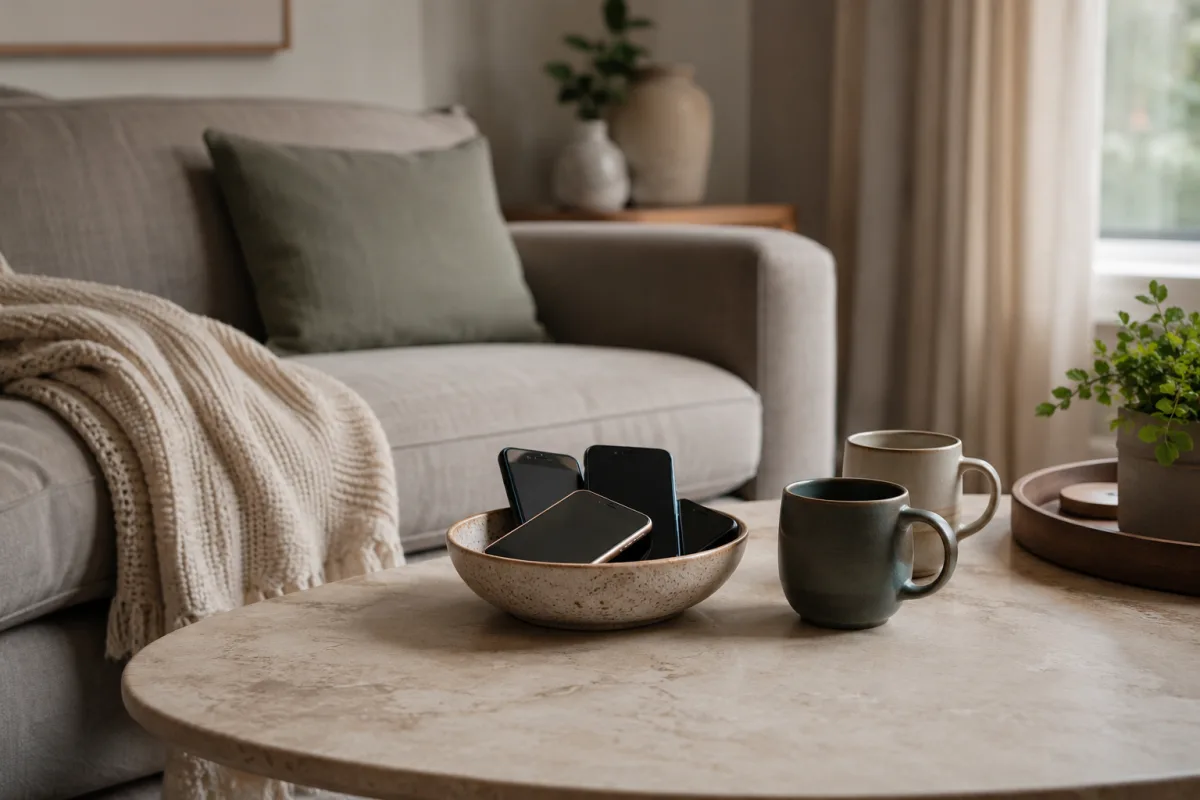
  • Designate Device-Free Zones: This is a powerful step, and it really works! Decide with your partner which areas or times in your home will be sacred, completely free from phones. The bedroom is a huge one – make it a sanctuary for intimacy and rest, not scrolling. The dinner table is another. When you're eating together, commit to putting phones away and truly engaging in conversation. I've found that simply having a basket by the door where we drop our phones when we walk in makes a massive difference in how present we are with each other in the evenings. It creates a clear boundary that says, "This space, this time, is for us."
  • Scheduled "Us" Time: In our busy lives, intentionality is key. Set aside specific, non-negotiable times each day or week that are dedicated solely to each other, with no phones allowed. This could be 30 minutes in the morning over coffee, an hour after work, or a weekly date night. During this time, the goal isn't just to be in the same room, but to actively engage. Talk, listen, dream, plan, or just enjoy comfortable silence together. What matters is that your attention is undivided. After trying this for 30 days, I noticed a dramatic improvement in how connected my partner and I felt, even during short bursts of focused interaction.
  • Eye Contact Challenge: This might sound simple, but it’s incredibly effective. During conversations, make a conscious effort to maintain genuine eye contact with your partner. When one person is looking at a phone, the other tends to look away too, or their eyes dart around, feeling dismissed. By holding eye contact, you're not just listening with your ears; you’re communicating with your whole being, showing respect and engagement. It's a non-verbal cue that says, "I'm fully here for you." Try it for a week, and you’ll be amazed at how much deeper your conversations become and how much more heard and seen you both feel.

Misinterpreting Cues and Escalating Conflict

When our attention is split between our phone and our partner, we often miss crucial non-verbal cues. That slight frown, the subtle shift in tone, the way someone fidgets – these are all vital pieces of information that help us understand what our partner is truly feeling or trying to say. If you're looking at your phone, you simply won't catch them.

This leads to misunderstandings and, predictably, more arguments. Imagine your partner expressing a vulnerable thought, and you miss the anxiety in their eyes because you're scrolling through Instagram. You might respond superficially, or not at all, which then makes them feel unheard and dismissed.

This can quickly escalate a minor issue into a full-blown conflict because one person feels constantly neglected. Here's the thing: our brains aren't actually designed to multitask effectively. When we think we're doing two things at once, we're actually rapidly switching between tasks, and that switch costs us cognitive energy and focus.

So, when your partner is talking, and you're checking your phone, you're not really listening to either. You're giving them fragmented attention, which is often worse than no attention at all because it feels like a slight. This pattern breeds resentment.

One partner might start to feel like they’re constantly competing with a digital device, leading to a sense of exhaustion and frustration. They might even stop trying to initiate conversations or share things, because what's the point if they're just going to be phubbed?

Improving Communication and Empathy

  • Active Listening Practice: This is more than just hearing words; it's about truly understanding and reflecting. When your partner is speaking, put your phone down, turn your body towards them, and make eye contact. Don't interrupt. Instead, listen fully, and then, before responding, try to paraphrase what they've said to ensure you've understood it correctly. Something like, "So, if I'm hearing you right, you're feeling frustrated because [X] happened?" This shows you're engaged and validates their feelings. It's a simple technique, but it can utterly transform how heard and valued your partner feels, drastically reducing misunderstandings.
  • "I" Statements for Feelings: When you need to address phubbing, it's easy to fall into accusatory language like, "You're always on your phone!" This often leads to defensiveness. Instead, focus on how their behavior makes you feel. For example, "When you look at your phone while I'm talking, I feel unimportant and a little hurt," rather than, "You always ignore me for your phone." This shifts the conversation from blame to vulnerability, making it easier for your partner to hear and empathize with your experience without feeling attacked. It opens a door for connection instead of slamming it shut.
  • The "Check-in" Habit: Make it a regular practice to check in with your partner about your tech habits and their impact on the relationship. This doesn't have to be a heavy, formal discussion. It can be a gentle question like, "Hey, how do you feel about how much time we spend on our phones when we're together?" or "Have you noticed us getting a bit too absorbed in our screens lately?" This creates an open dialogue, allowing both of you to express concerns, set boundaries, and adjust behaviors proactively before resentment builds. It’s about building a partnership where you're both aware and accountable for the health of your connection.

The Impact on Trust and Self-Esteem

Being consistently ignored for a phone takes a serious toll on a person’s self-esteem within the relationship. When your partner consistently prioritizes their device over your presence, it sends a clear message: "You are not my priority." Imagine trying to share a triumph, a fear, or just a funny story, only to have your partner’s eyes glaze over as they check a notification.

Over time, this makes you feel small, uninteresting, and frankly, not good enough to hold their attention. It can lead to self-doubt, making you question your own value and desirability. Why aren't you as captivating as whatever's on their screen?

This insidious erosion of self-worth can then manifest as insecurity, leading to clinginess, withdrawal, or even seeking validation from outside the relationship – all outcomes that further destabilize the partnership. Moreover, phubbing can chip away at trust. Trust isn't just about fidelity; it's about reliability, about knowing your partner will be there for you, emotionally present when it counts.

If you can’t trust them to be fully present during a conversation, how does that translate to other areas of your relationship? It creates a subtle, underlying suspicion that perhaps their true focus lies elsewhere. It’s like a quiet betrayal of the agreement to be present in the relationship.

When one partner feels consistently dismissed, it’s hard to maintain that deep, unwavering trust that forms the bedrock of a secure and loving bond. The feeling of being secondary to a device can lead to a sense of loneliness even when you’re together, fostering a growing emotional distance that becomes incredibly difficult to bridge without intentional effort.

Cultivating Mutual Respect and Validation

  • "First Attention" Rule: This is a powerful, yet simple, habit to adopt. When your partner speaks to you, or enters the room, make an immediate effort to give them your full attention before anything else. Put down your phone, pause your game, or turn away from your screen. Acknowledge them with a greeting, a smile, or by asking how their day was. This small act of prioritizing them, even for a few seconds, sends a massive message of respect and importance. It shows that they are your immediate focus, not whatever digital distraction was occupying your time. I've found that just this one rule can dramatically increase feelings of being valued and seen.
  • Positive Affirmations: It's not enough to just reduce negative behaviors; we need to actively build positive ones. Make a conscious effort to regularly express appreciation and importance to your partner, both verbally and through your actions. Tell them, "I really appreciate your presence," or "I love spending this time with you." Be specific: "I loved that conversation we just had because you were so present." These affirmations counteract the negative messages sent by phubbing and reinforce their value in your eyes. When your partner feels genuinely appreciated and important, their self-esteem within the relationship blossoms, and trust is strengthened.
  • Tech-Free Dates: Beyond just designated zones at home, plan entire dates that are intentionally tech-free. Go for a walk in nature, visit a museum, cook a meal together, or have a coffee shop conversation where both phones are left at home or in the car. The goal isn't just to be away from screens, but to rediscover the joy of shared experiences and uninterrupted interaction. These dates become opportunities to reconnect deeply, without the constant pull of notifications. They help you remember what it feels like to truly see and hear each other, reinforcing the bond that initially brought you together.

Common Mistakes to Avoid

When tackling phone snubbing, it's easy to make a few missteps that can actually worsen the situation. One of the biggest mistakes is assuming your partner "gets it" without a direct conversation. You might think your eye-rolls or frustrated sighs are enough to convey your feelings, but often, the phubber is genuinely unaware of the impact they're having.

They might be caught in a habit, or truly believe they're multitasking effectively. So, don't stew in silence; initiate an open, calm discussion. Another pitfall is being defensive when confronted.

If your partner brings up your phone use, your first instinct might be to justify it ("I was just checking work email!" or "It was important!"). This shuts down communication and invalidates their feelings. Instead, try to listen with an open mind and acknowledge their experience.

A simple, "I hear you, and I'm sorry that made you feel ignored," can go a long way. Then, work together to find solutions. Also, don't try to go cold turkey and not set realistic goals.

Expecting perfection overnight is a recipe for frustration. Digital habits are deeply ingrained. Instead of demanding an immediate, complete cessation of phone use, suggest gradual changes or specific times/places where phones are off-limits.

Start small, celebrate successes, and build from there. Finally, avoid blaming the phone itself rather than the behavior. The phone isn't the enemy; it's how we choose to interact with it, and crucially, how we allow it to impact our interactions with others.

It's about personal responsibility and setting boundaries, not demonizing technology. Focusing on the device rather than the behavior can make the conversation feel less productive and more like an attack on a tool they might find genuinely useful.

Expert Tips

For those of you ready to really level up your presence game and truly reclaim your relationship from digital distractions, here are some expert-level tips I've seen work wonders. First, consider the "Parking Lot" Method. When you're with your partner and a thought or notification pops into your head, acknowledge it mentally, but instead of immediately reaching for your phone, "park" that thought.

Tell yourself, "I'll deal with that later, when I'm not engaged with my partner." This teaches your brain to defer gratification and prioritize the human connection in front of you. It's about conscious delay. Second, try a full-blown Digital Detox for Two.

This means planning a weekend getaway or even just a dedicated day where both of you agree to completely power down your devices. No checking emails, no social media, no texts (unless it's an emergency). This isn't just about being phone-free; it's about experiencing uninterrupted, focused time together, allowing your brains to decompress from constant digital stimulation and reconnect with each other on a deeper level.

You'll be amazed at how much you notice and share when the digital noise fades. Third, practice Mindful Notifications. We're often slaves to our notifications.

Take control! Go into your phone settings and turn off all non-essential notifications. Only allow calls and perhaps texts from critical contacts to interrupt your flow.

For everything else – social media, news alerts, games – check them on your own terms, during designated "phone time," not when you're with your partner. This reduces the constant pull and allows you to be more present without feeling like you're missing out. Lastly, and perhaps most importantly, Lead by Example.

If you want your partner to be less on their phone, you need to be less on yours. Be the change you want to see. Your consistent, present behavior will speak volumes and often inspire them to follow suit far more effectively than any lecture ever could.

They'll feel the difference in your presence, and that's a powerful motivator for them to reciprocate.

Final Thoughts

Reclaiming presence in your romantic relationship isn't about ditching technology entirely; it's about conscious choice. It's about remembering that your human connection, the person right in front of you, is infinitely more valuable than any fleeting notification or endless scroll. Phubbing might seem like a small habit, but its cumulative impact can be profound, subtly eroding the very foundations of love, trust, and intimacy.

By making intentional changes, setting boundaries, and communicating openly, you can shift from a pattern of digital distraction to one of genuine, heartfelt connection. It won't always be easy, because these habits are deeply ingrained, but I promise you, the effort is worth it. What you gain in deeper connection, richer conversations, and a more fulfilling partnership will far outweigh anything you might miss on your screen.

So, today, start small. Put your phone away during dinner, make eye contact, and truly listen. Your relationship will thank you for it.

Why Phone Snubbing is Damaging Your Romantic Relationship

Save for later

Found this helpful?

Pin this article to your Pinterest board and come back to it whenever you need a reminder.

Save to Pinterest
Written by

Chiara Bradshaw

Chiara Bradshaw has been writing for a variety of professional, educational and entertainment publications for more than 12 years. Chiara holds a Bachelor of Arts in art therapy and behavioral science from Mount Mary College in Milwaukee.

More posts
Chiara Bradshaw

Responses (0)

0%