
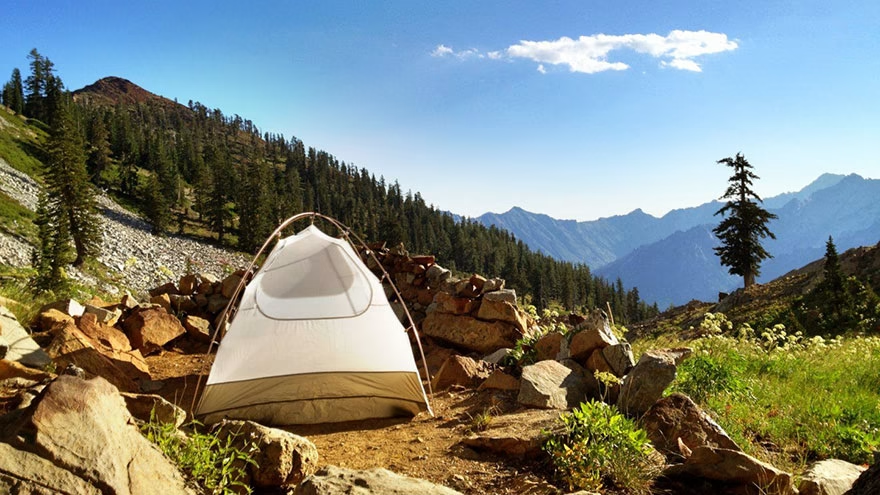
The Alpine Loop is not a casual campground road with a mountain view attached. It is a rugged high-country route between Lake City, Silverton, and Ouray, with rough passes, fast weather changes, thin air, and long stretches where a bad campsite choice becomes everyone else's problem. Good Alpine Loop camping starts with the drive plan, not the tent.
What is the Alpine Loop in Colorado?
The Bureau of Land Management describes the Alpine Loop Backcountry Byway as a rugged 4x4 road through the San Juan Mountains connecting Lake City, Silverton, and Ouray. BLM says the byway traverses passes up to 12,800 feet and is easily an all-day experience when tackled in full.
The BLM Alpine Loop page is the first planning stop because road access, public land rules, and seasonal conditions can change. Do not treat a social media trip report as current road guidance.
If your Colorado trip includes other scenic stops, compare effort honestly. Livecub's Skyline Drive waterfalls guide is a drive-and-hike plan, but the Alpine Loop adds high-clearance driving and altitude to the equation.
Do you need a 4x4 vehicle for Alpine Loop camping?
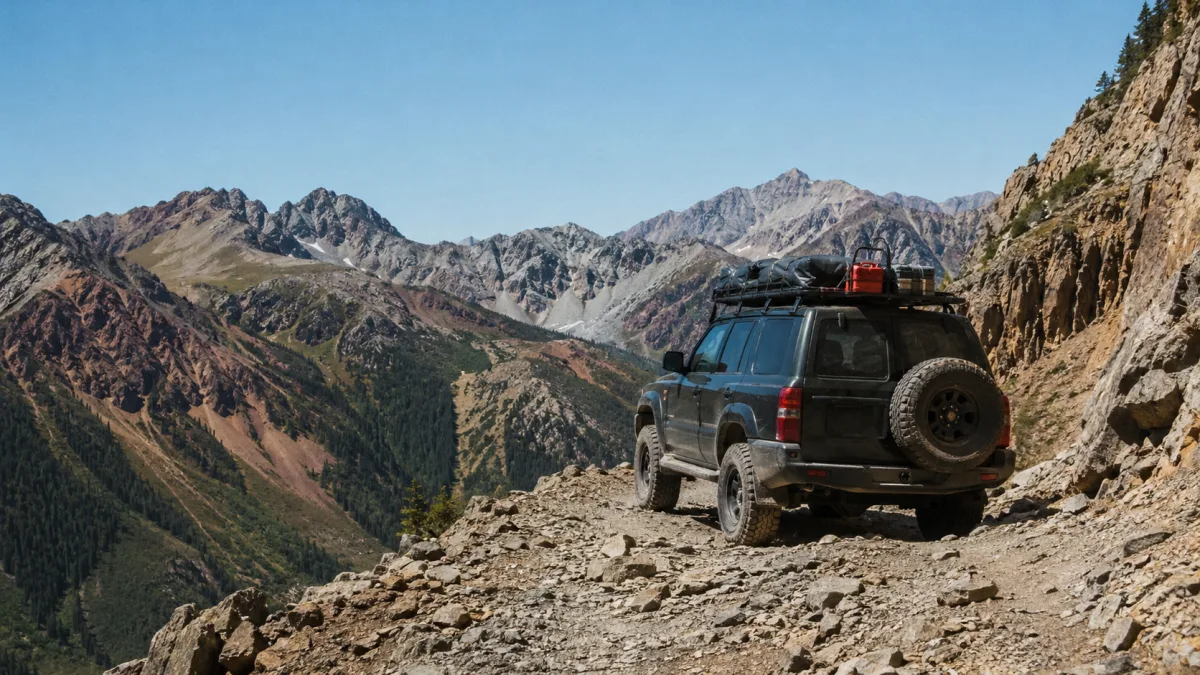
Yes, if you plan to drive the full high passes. Colorado Department of Transportation lists the Alpine Loop as 63 miles with a 4 to 6 hour driving time and says Cinnamon and Engineer passes require a high-clearance four-wheel-drive vehicle. That is a baseline, not a dare.
The CDOT Alpine Loop byway page also emphasizes the route's remote, rugged character. A low-clearance crossover may reach some lower areas, but it is not the right tool for the full loop.
Turn around early if the road starts exceeding your vehicle, tires, driver skill, or weather margin. Pride is expensive above treeline. A safe partial route is better than a full loop that needs rescue.
Where can you camp near the Alpine Loop?
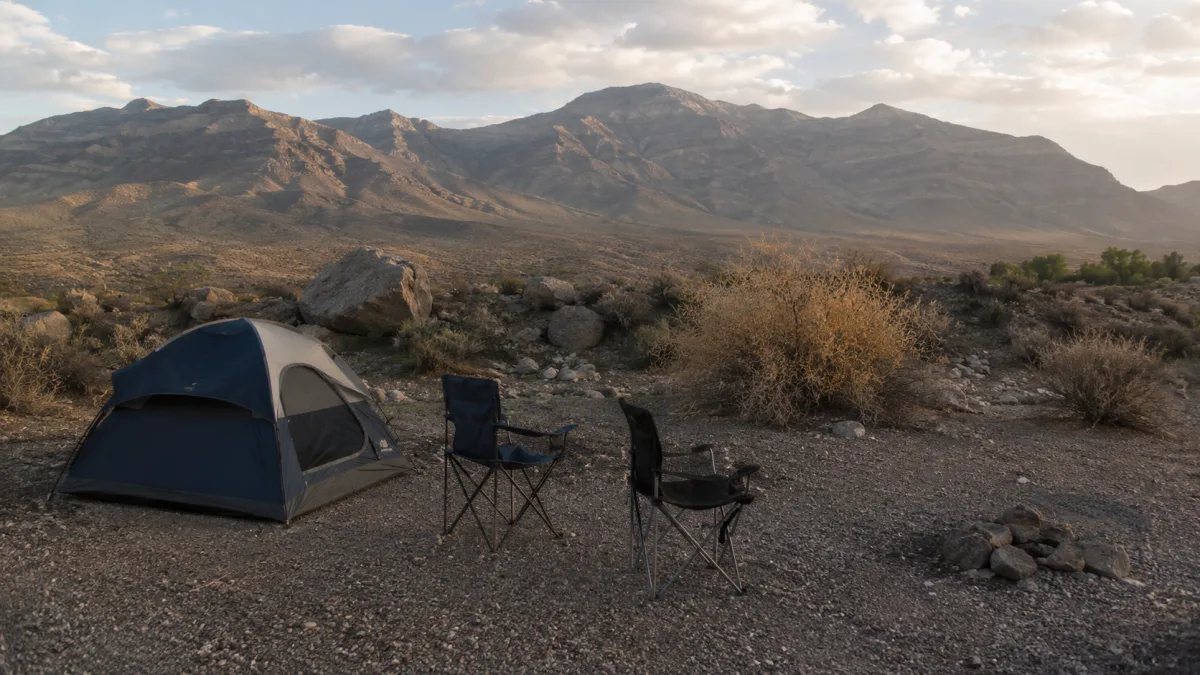
Camping choices fall into three broad groups: developed campgrounds, dispersed public-land sites, and private campgrounds near the gateway towns. Choose based on vehicle, comfort, toilets, water, noise tolerance, and tow status.
Developed public campgrounds
Developed campgrounds are better for first-time visitors because they reduce uncertainty. The San Juan National Forest camping page says the forest offers developed campgrounds and more isolated dispersed camping areas, and notes that most campgrounds have drinking water, picnic tables, fire rings, and vault toilets while sewer, water hookups, and showers are not available.
Dispersed camping
Dispersed sites can be quiet and beautiful, but they ask more from you. You need your own water, toilet plan, trash plan, and map. Use existing sites where allowed, keep vehicles on legal routes, and avoid fragile tundra, wet meadows, and blocked pullouts.
Private campgrounds and town bases
Private campgrounds around Silverton, Ouray, and Lake City can make sense if you want showers, easier access, or a recovery night after rough driving. They also reduce pressure on public-land sites during busy weekends.
The San Juan National Forest camping page is useful for checking developed campground options and dispersed camping guidance before you leave cell service.
Is Mill Creek Campground a good base camp?
Mill Creek Campground is one official BLM option near Lake City. BLM describes it as an ideal base camp for the Alpine Loop Backcountry Byway and the San Juan Mountains, with access to off-highway vehicle riding, fishing, mining history, nearby Lake San Cristobal, wildflowers, wildlife, and 14,000-foot peak hiking.
The BLM Mill Creek Campground page should be checked for current status, fees, seasons, and rules before you go. Do not assume every campground is open just because the pass road looks open on a map.
A base camp is a strategy. Leaving the tent in one legal place and day-driving the rough sections can be safer than trying to find a new campsite while tired, cold, and low on daylight.
How should you choose a campsite after a rough drive?
Choose camp while you still have daylight and patience. Look for a durable, already-used surface, enough room to park without blocking the road, and a flat tent spot that does not drain into a puddle. If you need to level a vehicle by stacking rocks or driving over plants, the site is wrong.
Wind matters in the San Juans. A ridge-top view can become a loud, sleepless night if gusts hit the tent broadside. Lower, protected sites may photograph less dramatically, but they cook, sleep, and pack up better.
Do not chase privacy into damage. A legal, durable, visible site is better than a new track pushed into tundra or wet meadow. The next camper will copy what you leave behind.
What gear do you need for high-country camping?
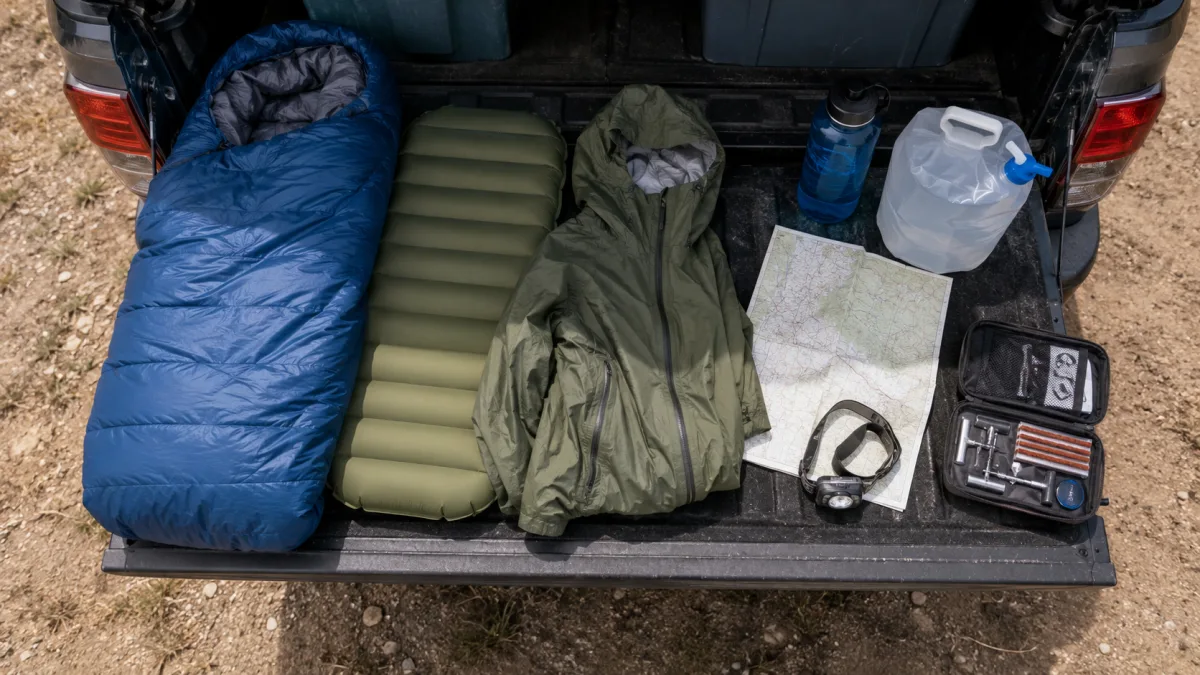
Pack for altitude and sudden weather. Nights can turn cold even after a warm afternoon. Bring a sleeping bag rated below the forecast low, an insulated pad, rain gear, warm layers, gloves, a hat, sun protection, and more water than a lowland camping trip would require.
Navigation should not depend on cell service. Download maps, carry a paper map, and know the nearest exit towns. If you use poles for side hikes, Livecub's walking-stick adjustment guide can help on steep talus, wet trails, and loose descents.
Vehicle gear matters as much as camp gear. Bring a full-size spare if possible, tire repair tools, air compressor, shovel, traction boards if appropriate, tow points, extra food, and a plan for changing weather. A recovery kit you do not know how to use is not a plan.
How do fires, water, and waste work?
Check fire restrictions before lighting anything. High, windy country can move from damp to dangerous quickly. If fires are allowed, use existing fire rings where permitted, keep fires small, drown them fully, and never leave a coal bed for the next camper to discover.
Carry water or know the official potable sources before you arrive. Streams may look clean and still need treatment. Camp cooking, dish washing, and hand washing use more water than people expect.
Waste planning is part of camping. Pack out trash, secure food from wildlife, and have a legal human-waste plan before you leave town. A campsite is not better because someone else already damaged it.
When is the best season for Alpine Loop camping?
The realistic season depends on snowpack, road work, storms, and fire conditions. Many travelers think summer means guaranteed access, but high passes can hold snow late and storms can arrive fast. Always check current official pages, local ranger districts, and weather before committing.
Fall can be beautiful, colder, and quieter. It can also bring early snow and shorter daylight. If photography is the goal, leave time for slower driving, not just camera stops. Livecub's Spiral Jetty travel guide is another reminder that remote landscapes reward flexible timing.
What mistakes should first-time campers avoid?
The first mistake is treating the route as a scenic shortcut. The second is arriving late and trying to find a dispersed site in the dark. The third is towing too much trailer into terrain that leaves no easy turnaround.
Do not camp on road shoulders, block passing room, or build new fire rings. Do not trust a single app pin without checking whether the road and land status allow camping. If your plan depends on squeezing into one famous site, you do not have a plan.
Leave a backup exit. Know whether you can return to Lake City, Silverton, or Ouray if weather blocks the route you wanted. A backup motel, town campground, or lower-elevation site can save the trip.
Frequently Asked Questions
Can you drive the Alpine Loop in a regular car?
Not for the full loop over the high passes. CDOT says Cinnamon and Engineer passes require a high-clearance four-wheel-drive vehicle.
Can RVs camp on the Alpine Loop?
Large RVs are better kept to developed campgrounds or town bases. The rough pass roads are not suited to big rigs or trailers.
Is dispersed camping allowed everywhere near the Alpine Loop?
No. Rules vary by land manager, road, closure, and resource protection need. Check official BLM and Forest Service guidance before choosing a site.
Do you need reservations for Alpine Loop camping?
Some developed or private campgrounds may take reservations, while many public-land plans require checking current status and arriving early. Do not assume a weekend site will be open.
Plan the drive first, then the campsite. The Alpine Loop is more rewarding when your vehicle, sleep setup, water, and backup route all match the country.

Chiara Bradshaw
Covers education, culture and creative topics with an emphasis on readable explanations and verifiable references.


Leave a reply
Replying to