
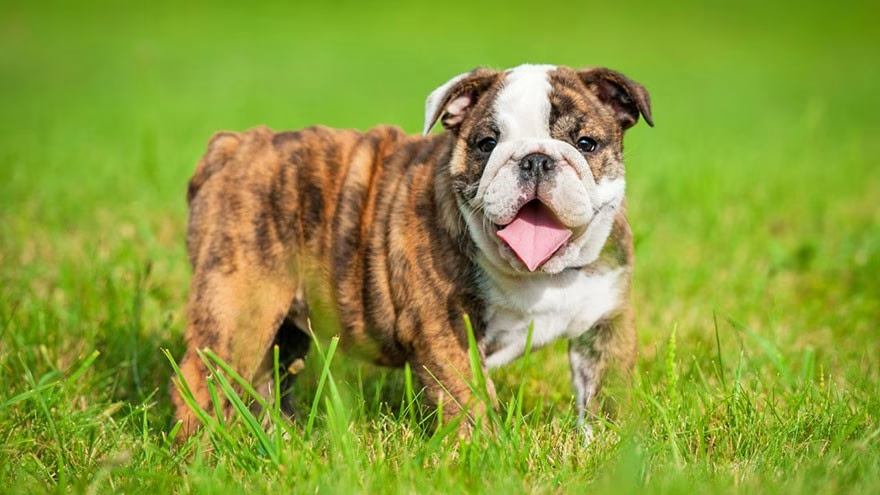
Quick Bulldog Snapshot
Bulldogs are famous for their wide stance, wrinkled face, heavy head, and steady companion-dog personality. They can be affectionate, funny, loyal, and stubborn in a charming way. They are also a breed where structure and health matter a great deal. A Bulldog should never be chosen only because the face looks cute.
The American Kennel Club's Bulldog breed page describes the breed as kind, courageous, and calm. That calm nature appeals to many homes, but buyers also need to understand breathing, heat sensitivity, skin folds, joints, and responsible breeding.
A good Bulldog home is affectionate, climate-aware, and realistic. The breed can be deeply lovable, but good care means planning around comfort and health, not just personality.
That realism should start before a puppy is chosen. Ask whether your home has reliable cooling, safe stairs, a veterinarian comfortable with brachycephalic breeds, and enough budget for health care. Bulldogs can be wonderful companions, but they are not a low-cost shortcut to a quiet dog.
Temperament and Home Life
1. What is a Bulldog like?
Many Bulldogs are easygoing companions that enjoy people, naps, short walks, and a predictable routine. They can be playful in bursts and then done for the day. They may also be stubborn when asked to do something they do not see the point of doing.
2. Are Bulldogs good family dogs?
They can be good family dogs in homes that supervise children and respect the dog's body. Bulldogs are sturdy, but they are not built for rough running, overheating, or constant wrestling. Children should not climb on them, pull wrinkles, or treat snoring as a joke if the dog seems uncomfortable.
3. Do Bulldogs get along with other pets?
Many do, especially with careful introductions. Personality matters. Some Bulldogs are social, while others dislike pushy dogs. Their body shape can make rough play risky, so owners should watch breathing, heat, and fatigue during interactions.
Breathing, Heat, and Exercise
4. Why do Bulldogs need heat caution?
Bulldogs are brachycephalic, meaning they have a shortened muzzle and airway-related risks. Heat, humidity, stress, obesity, and hard exercise can make breathing harder. The Bulldog Club of America's health page gives owners a serious starting point for breed health topics.
Keep Bulldogs cool. Walk early or late in warm weather, provide shade and water, avoid hot pavement, and never leave the dog in a parked car. If a Bulldog is struggling to breathe, collapses, gums look abnormal, or the dog cannot cool down, seek veterinary help. Do not try to "condition" a Bulldog through heat stress.
Owners should learn their dog's normal breathing before there is a problem. Snoring can be common in Bulldogs, but loud, strained, or worsening breathing deserves attention. So does exercise intolerance that seems more than ordinary tiredness. Ask your veterinarian what signs should trigger urgent care for your dog.
5. How much exercise do Bulldogs need?
Most Bulldogs need moderate, controlled activity rather than intense exercise. Short walks, gentle play, and weight management matter. Avoid forced running, long hot outings, and rough stair routines. A Bulldog can be lazy by preference, but too little movement and too much food can create weight problems.
Exercise should help the dog feel better, not prove toughness. A Bulldog that pants heavily, slows down, refuses to move, or seeks shade is giving information. Listen to it.
Weight control is part of exercise safety. Extra pounds make breathing and movement harder. Measure meals, limit table food, and use low-impact activity. A lean Bulldog is usually more comfortable than one praised for being heavy.
Grooming and Daily Care
6. Are Bulldogs hard to groom?
The coat is short, but care does not stop with brushing. Bulldogs need wrinkle care, ear checks, nail trims, dental care, and skin monitoring. Skin folds should be kept clean and dry according to your veterinarian's advice. Moisture and debris in folds can cause irritation.
7. Do Bulldogs shed?
Yes, Bulldogs shed. Regular brushing helps manage loose hair and gives owners a chance to check skin, lumps, scratches, and sore spots. Nails should stay short enough for comfortable walking. For broader grooming habits, Livecub's longhair Dachshund grooming guide covers a different coat but the same habit of routine handling.
Wrinkle care should be gentle and consistent. Do not over-clean with harsh products. If the fold smells bad, looks red, oozes, or seems painful, ask a veterinarian. Home care should support health, not hide a problem.
Health and Breeder Questions
8. What health tests should Bulldog breeders discuss?
The OFA's CHIC page for Bulldogs lists breed-specific testing expectations, including cardiac exam, patellar luxation evaluation, tracheal hypoplasia radiographs, and additional recommended tests such as hip, elbow, eye, and autoimmune thyroiditis evaluations. Ask breeders which tests were done and where results can be verified.
Responsible Bulldog breeders should also talk honestly about breathing, skin, eyes, joints, weight, and delivery history. A seller who treats snoring, overheating, or poor movement as normal and funny is not giving you enough information. Ask for clear health records, not vague reassurance.
Ask to meet adult relatives when possible, or at least ask how they move, breathe, and handle warm weather. A puppy's face can distract buyers from structure and function. Responsible breeders want Bulldogs that can live comfortably, not only look dramatic in photos.
9. Are Bulldogs expensive to own?
They can be. Costs may include higher veterinary bills, skin and ear care, weight management, climate control, insurance, and careful breeding costs. Buying cheaply from poor breeding can become expensive quickly. Budget before the puppy comes home.
Pet insurance or a separate health fund is worth considering before pickup. Bulldogs can need care for skin, eyes, ears, breathing, joints, or digestion. Planning does not mean expecting disaster. It means respecting the breed enough to be ready.
The first weeks should be calm and structured. Keep the puppy cool, use short training sessions, introduce grooming gently, and avoid rough play when the dog is tired. Schedule a veterinary visit early so breathing, skin, eyes, movement, and weight can be checked while you still have fresh breeder information. A good breeder should welcome that early veterinary check.
Choosing and Living With a Bulldog
10. What kind of home fits a Bulldog?
A Bulldog often fits a home that wants a steady indoor companion, can manage heat, and does not expect an endurance athlete. Apartments can work if the dog has potty access, short walks, and climate control. Stairs may be hard for some Bulldogs, especially as they age.
Training should be kind and practical. Teach leash manners, handling, place, leave it, and recall in easy settings. Bulldogs may not love repetition, so keep sessions short and rewarding. If you are comparing temperament across strong breeds, Livecub's Rottweiler questions and Staffordshire Bull Terrier health problems can help separate personality from health responsibility.
A Bulldog also needs safe household rules. Do not encourage jumping from couches if the dog lands heavily. Use ramps or steps when helpful, keep floors from being too slick, and teach calm greetings. The dog may be sturdy, but repeated awkward movement can still be hard on the body.
For many homes, the right routine is simple: short walks, cool rooms, clean folds, measured meals, and affection without overexcitement. That routine is not flashy, but Bulldogs tend to do better when care is steady and observant every day. Small changes should be noticed early, not after they become emergencies. That habit protects comfort.
The right Bulldog owner enjoys the breed's humor while staying serious about care. A Bulldog is not a fitness partner for hot afternoons. It is a companion that needs shade, structure, health-aware breeding, and a household willing to notice small changes before they become large problems.
Frequently Asked Questions
Can Bulldogs swim?
Many Bulldogs are poor swimmers because of body shape and head size. Use extreme caution near water, supervise closely, and ask your veterinarian about safe flotation options.
Do Bulldogs need air conditioning?
In warm or humid climates, climate control is often necessary for safety. Bulldogs can overheat quickly, so indoor cooling, shade, and careful walking times matter.
Are Bulldogs easy to train?
They can learn well, but they may be stubborn. Short, reward-based sessions and clear routines usually work better than pressure or long drills.
What should I ask a Bulldog breeder?
Ask about health testing, breathing, movement, skin, eyes, delivery history, parent temperament, contract terms, return policy, and lifetime support.

Chiara Bradshaw
Covers education, culture and creative topics with an emphasis on readable explanations and verifiable references.



Leave a reply
Replying to