
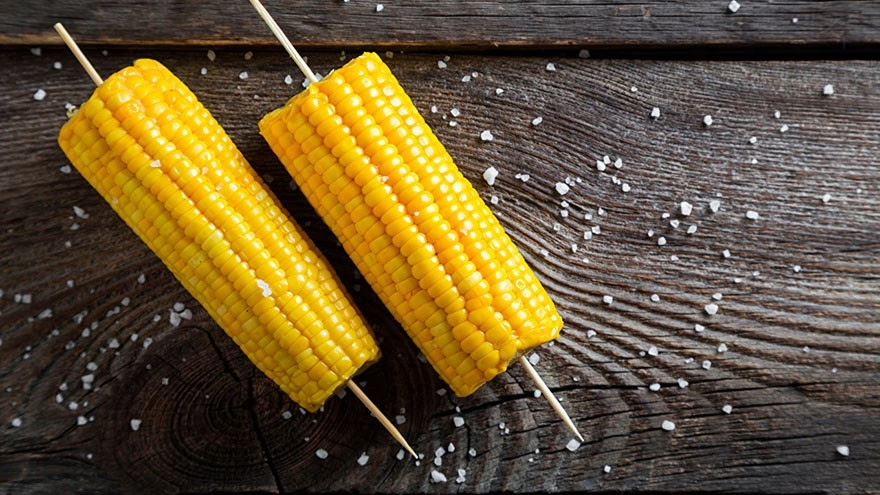
Choosing and cooking corn is mostly a race against dryness and starch. Fresh sweet corn tastes best when the kernels are plump, the husks are still green, and the ears have not spent days warming on a display table. Once you get it home, cold storage and short cooking do more for flavor than fancy toppings. Corn can be grilled, steamed, boiled, cut from the cob, or frozen, but the best method starts with buying ears that still have moisture to protect.
How do you choose fresh sweet corn?
Look for green, snug husks, slightly sticky silk that has not dried into dust, and ears that feel heavy for their size. The tassel end should not smell sour or look slimy. If the store allows a small peek, kernels near the top should look full, not dented or shriveled.
Do not strip back every husk in the bin. Peeling dries the ear and leaves the next shopper with exposed corn. A gentle feel through the husk gives enough information in most markets.
Weight is a useful clue. A heavy ear usually holds more moisture, and moisture is what keeps corn sweet and tender during cooking.
Store corn cold and cook it soon
Iowa State Extension notes that sweet corn quality declines after harvest and that corn should be used or refrigerated as soon as possible. The exact speed depends on variety and handling, but the kitchen rule is simple: buy corn close to the day you plan to cook it.
Keep ears in their husks in the refrigerator. The husks slow moisture loss, while the refrigerator slows quality decline. If the corn came pre-shucked, wrap it loosely and cook it sooner because it has lost its natural cover.
The same cold-first thinking applies to other vegetables. If you already use careful storage for cooking greens, treat fresh corn with the same respect instead of leaving it in a warm bag.
Shuck corn without making a mess
Shuck corn over a trash bowl, compost container, or newspaper so silk does not spread across the counter. Pull the husk down in sections, snap it off at the stem, and rub away remaining silk with a damp towel or clean vegetable brush.
Rinse the ear under running water after shucking, especially if silk, dirt, or field debris remains. The FDA's produce safety guidance covers washing produce before preparation, and corn is no exception once the husk is open.
Keep raw corn separate from raw meat packages and marinades. Corn often becomes a ready-to-eat side, so the board and tongs matter.
Boil or steam corn gently
Boiling is straightforward: bring water to a boil, add shucked ears, and cook just until the kernels are tender. Very fresh corn needs less time than older corn. If kernels start to wrinkle, the ear has gone past tender into tired.
Steaming uses less water and can preserve a clean corn flavor. Use a covered pot with a steamer basket and check early. Salt, butter, herbs, and lime can wait until after cooking so you can judge the corn itself first.
Short cooking protects snap. Corn should pop slightly when you bite it, not collapse into starch.
Grill corn with or without the husk
For husk-on grilling, trim loose silk, place the ears over medium heat, and turn them as the husks darken. The husk helps steam the kernels while the grill adds a smoky edge. Let the ears cool briefly before peeling because trapped steam is hot.
For husk-off grilling, brush the corn lightly with oil and turn often. Direct heat gives more char but also dries the kernels faster, so stay near the grill. Butter and wet sauces can flare if they hit the coals.
Grilled corn pairs well with citrus, chile, scallions, basil, black pepper, smoked paprika, or a spoonful of sauce. If dinner is built around vegetables and rice, a few stir fry sauces can turn cut corn into a quick skillet side.
Cut kernels from the cob cleanly
Let cooked corn cool enough to handle. Stand the cob in a shallow bowl or on a towel-lined cutting board, then cut downward with a sharp knife. Do not saw too deeply into the cob unless you want woody pieces in the bowl.
Cut kernels work in salads, salsas, soups, omelets, pasta, rice bowls, fritters, and cornbread batter. For chowder, scrape the cob after cutting to collect the milky liquid that adds body and corn flavor.
Match the cut to the dish. Whole kernels are better for salads and salsas; scraped corn is better for chowder, creamed corn, and soft casseroles.
Freeze extra corn while it is still good
Freezing is for corn you like today, not corn you hope will improve later. The National Center for Home Food Preservation gives corn freezing guidance, including blanching and prompt cooling for whole-kernel corn. Blanching helps protect flavor, color, and texture during freezer storage.
The workflow is familiar if you have used freezing fresh vegetables methods: blanch, cool, drain, cut, portion, seal, label, and freeze. Small flat bags thaw faster than one large block.
NCHFP's freezing corn guidance also separates whole-kernel, cream-style, and corn-on-the-cob methods. Pick the format that matches how you cook in winter.
Serve corn with less mess
For young children or crowded tables, cut cobs in halves or thirds after cooking. Smaller pieces cool faster, fit plates better, and reduce the chance that a full ear rolls through butter, napkins, and someone else's sleeve.
Choose the cooking method by the meal
The right corn method depends on how the corn will be eaten. Boiled corn is easy for a backyard table, steamed corn keeps flavor clean, grilled corn brings smoke, and cut kernels are better for salads, soups, tacos, and bowls. Start with the final dish, then choose the heat.
For salads and salsas, cook the corn lightly and cool it before cutting. For chowder, cut the kernels and scrape the cobs so the milky liquid can enrich the pot. For tacos, corn can take more char and spice because it has salsa, lime, and tortillas around it.
Do not use one method for every ear. Fresh corn is flexible, but a picnic platter and a soup pot ask for different texture.
Season corn after you taste it
Good corn may need only salt, butter, and a little acid. Taste before covering it with cheese, mayo, hot sauce, or herbs. If the corn is very sweet, lime, chile, black pepper, or vinegar can balance it. If the corn is mild, butter, cream, herbs, or smoked paprika can give it more depth.
Leftover cooked corn should cool and go into the refrigerator in a clean container. Use it in eggs, rice, salads, soups, or quick vegetable skillets. If it smells sour, feels slimy, or has been forgotten too long, do not try to rescue it with seasoning.
Seasoning should support the ear, not hide stale corn. If the corn needs a heavy sauce to seem fresh, it probably waited too long.
Use cobs and leftovers with intention
Do not throw away flavor too quickly. Bare cobs can simmer in water for a light corn stock that works in chowder, rice, or vegetable soup. Keep the simmer gentle and strain well so silk or cob bits do not end up in the dish.
Leftover kernels should have a plan by the next day. Fold them into scrambled eggs, spoon them over tacos, stir them into cornbread batter, or add them to a cold bean salad. Corn turns dull when it waits in a bowl with no purpose.
Use leftovers before freezing more. A small portion in tomorrow's lunch is often better than another bag disappearing into the freezer.
Frequently Asked Questions
Should fresh corn be refrigerated?
Yes. Keep it cold and cook it soon, preferably with the husk still on until prep time.
Is white corn sweeter than yellow corn?
Color alone does not decide sweetness. Variety, freshness, and storage matter more than yellow, white, or bicolor kernels.
Can I cook corn in the microwave?
Yes. Microwave cooking can steam an ear quickly, especially with the husk on. Let it rest before peeling because steam builds inside.
Why did my corn taste starchy?
It may have been old, stored warm, or overcooked. Buy fresh, refrigerate quickly, and stop cooking once the kernels are tender.
Good corn does not need much help. Buy ears that still feel alive, keep them cold, cook them briefly, and freeze the extras before sweetness fades.

Cashie Evans
Covers parenting and practical household topics with clear steps, safety notes and links to current guidance.




Leave a reply
Replying to