
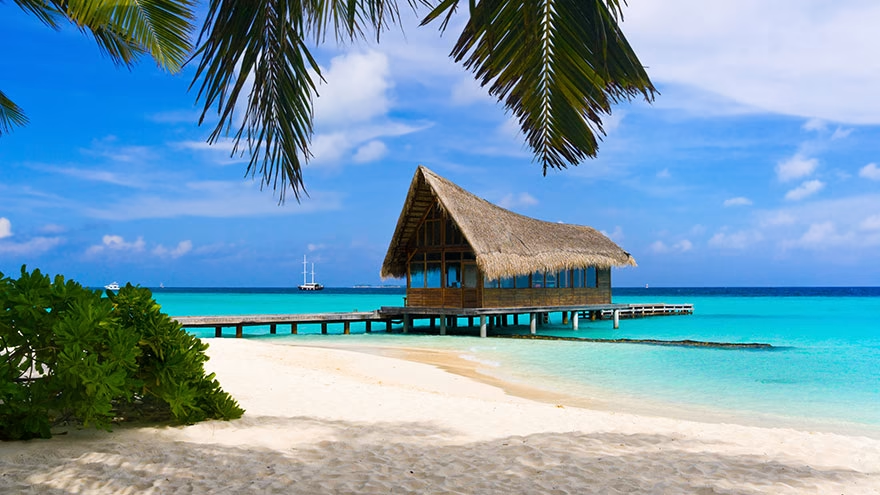
Deserted Island Vacations Are Rarely Truly Deserted
Deserted island vacations sound simple: empty beach, clear water, no emails, no schedules. In reality, most safe versions involve a resort, guide, boat captain, caretaker, park permit, or nearby support. The dream is solitude; the work is planning for everything the brochure crops out.
The first decision is how deserted you actually want it to feel. A private-island resort with staff is different from a remote cay with no fresh water, no clinic, and no dock. Both can be beautiful. Only one comes with room service.
Privacy is not the same as isolation. Many travelers want quiet, not survival training. That distinction should shape the whole trip.
What Kind of Island Trip Fits Your Comfort Level?
Private resorts are the easiest option. They offer empty-looking beaches, controlled access, food, staff, power, and medical procedures. They cost more, but they remove many risks that make true castaway trips difficult.
Bareboat or crewed sailing trips offer more movement and privacy. You may anchor near quiet beaches, snorkel in the morning, and sleep aboard at night. The island may feel deserted, but the boat is your safety system.
A crewed trip is often better for people who want solitude without navigation pressure. The captain watches weather, anchorage, tides, fuel, and communication while guests enjoy the beach.
Bareboat trips are different because the traveler becomes part of the operating system. If you rent without crew, at least one person needs real boating skill, not only enthusiasm and a calm forecast.
Guided camping trips sit between comfort and self-reliance. A guide can handle permits, weather calls, water, waste, and emergency communication. This is often the best choice for travelers who want a rawer trip without pretending they are survival experts.
True remote self-supported trips require navigation, weather judgment, water planning, first aid, communications, and legal access. If those skills sound like a burden, choose a supported version and enjoy the beach.
How Do You Check Legal Access?
Many islands are private property, protected wildlife habitat, tribal land, military land, national park land, or part of a marine reserve. A beach that looks empty from a boat may still be closed to landing, camping, fires, drones, fishing, or pets.
Start with the government or land manager, not a random travel forum. For international trips, the U.S. State Department's travel advisories can point to safety, entry rules, crime risk, and embassy information for the destination.
If the trip depends on a charter captain or local guide, ask who obtains permits, what happens if weather blocks landing, and whether the operator follows local conservation rules. A legal backup plan is part of the trip.
Public-land habits still help. The same respect you would bring to waterfalls on Skyline Drive applies on fragile shorelines: stay where travel is allowed, avoid damaging plants, and do not treat quiet places as ownerless.
What Safety Gear Matters Most?
Water comes first. A hot island can drain a person faster than expected, and many small islands do not have drinkable fresh water. Carry enough water, a reserve, and a way to protect it from sand, heat, and contamination.
Plan water by the day, not by the mood. Heat, salt, swimming, alcohol, and wind can all raise fluid needs, and a remote beach rarely offers a quick store run.
Communication comes next. Cell service may be absent or unreliable. A satellite messenger, marine radio, or scheduled check-in with a boat operator can turn a problem into a pickup instead of a search.
Sun and heat need real planning. CDC travel health information on sun exposure in travelers notes that UV risk can be high near the equator, at elevation, and during midday, even when weather feels pleasant.
Pack shade, a hat, sunglasses, protective clothing, reef-aware sunscreen where required, a first-aid kit, footwear for coral or rocks, and a dry bag for medication. Barefoot beach photos are not a safety plan.
How Do You Protect the Island While You Visit?
Small islands can be fragile because waste has nowhere to hide. Food scraps attract animals, soaps move into water quickly, and one careless fire scar can sit in the sand or vegetation for years.
Leave No Trace's seven principles give a practical framework: plan ahead, travel on durable surfaces, dispose of waste properly, leave what you find, minimize fire impact, respect wildlife, and be considerate of others.
Do not collect shells, coral, eggs, feathers, or artifacts unless local rules clearly allow it. Do not chase wildlife for photos. Do not bury trash and assume tides will solve it. The tide usually moves the problem to another shoreline.
Travelers who enjoy quiet wildlife viewing may also like trips such as seeing moose near North Conway, where patience and distance matter more than getting close.
What Should You Ask a Resort or Charter Operator?
Ask how they handle medical emergencies, storms, evacuation, drinking water, food storage, waste, wildlife, and guests who miss the boat. The answer should be specific. "We take care of everything" is not enough.
Ask where the nearest clinic is and how long evacuation takes in normal weather. A one-hour boat ride in calm seas can become impossible during a storm or after dark.
Ask what is included: meals, transfers, snorkel gear, park fees, taxes, tips, fishing licenses, alcohol, Wi-Fi, and insurance. Quiet trips can still collect fees.
Ask about weather cancellation. A safe operator cancels landings when sea state, lightning, wind, or visibility make them unsafe. If the operator promises to go no matter what, that is not bravery.
If the trip includes hiking, lava rock, salt flats, or uneven trails, prepare your feet and legs. A remote stop can be harder than a city walk, and even a guide to visiting the Spiral Jetty is a reminder that beautiful, open places can be harsh.
Who Should Skip a True Remote Island Trip?
Skip the hard version if you need frequent medical care, cannot manage heat, are uncomfortable without reliable communication, or would panic if pickup is delayed. That is not failure. It is self-knowledge.
Families with young children, travelers with mobility limits, and people with severe allergies should choose supported solitude. A private cottage near staff may provide the quiet you want without turning every small issue into a major decision.
Also skip remote self-support if your plan depends on catching fish, making fire, or finding water. Those are not vacation guarantees. They are skills that fail under weather, injury, or bad luck.
Solo travelers should be stricter. A twisted ankle, infected cut, lost paddle, or dead phone is more serious when nobody else can help make decisions or call for pickup.
Medication needs are another filter. Insulin, rescue inhalers, severe allergy kits, and refrigerated medicine all require a plan for heat, water, delays, and emergency transport.
Travelers who mainly want quiet should not overlook less extreme places. A small inn near a protected beach may feel empty at sunrise while still keeping roads, clinics, and help within reach.
That version may be less dramatic, but it is often the trip people actually enjoy.
It also gives weather delays somewhere safer to land.
The best deserted island vacation leaves you rested, not rescued. Choose the level of emptiness that still lets you sleep well.
Frequently Asked Questions
Are deserted island vacations safe?
They can be safe when legal access, weather, water, communication, medical backup, and evacuation are planned. Unsupported remote trips carry more risk than private resorts or guided trips.
Can I camp on any empty island?
No. Many islands are private, protected, or restricted. Always check ownership, permits, park rules, and local laws before landing or camping.
What should I pack for a remote island day?
Water, sun protection, footwear, first-aid supplies, communication, dry storage, snacks, medication, and a plan for waste are more useful than extra beach outfits.
Do deserted island trips need travel insurance?
Consider insurance that covers medical care, evacuation, weather disruption, and trip cancellation. Remote boat or air evacuation can be expensive.
What is the easiest deserted island vacation?
A private-island resort or guided sailing trip is usually easiest. You get privacy and scenery while staff or crew handle water, meals, weather, and logistics.
Choose Solitude With a Safety Net
The best island escape feels quiet without becoming careless. Pick the level of remoteness honestly, verify legal access, protect the place, and keep enough support nearby for the beach to stay restful.

Linda Fehrman
Edits general wellness and relationship explainers. Health material is educational, avoids diagnosis and links to health-authority guidance.



Leave a reply
Replying to