
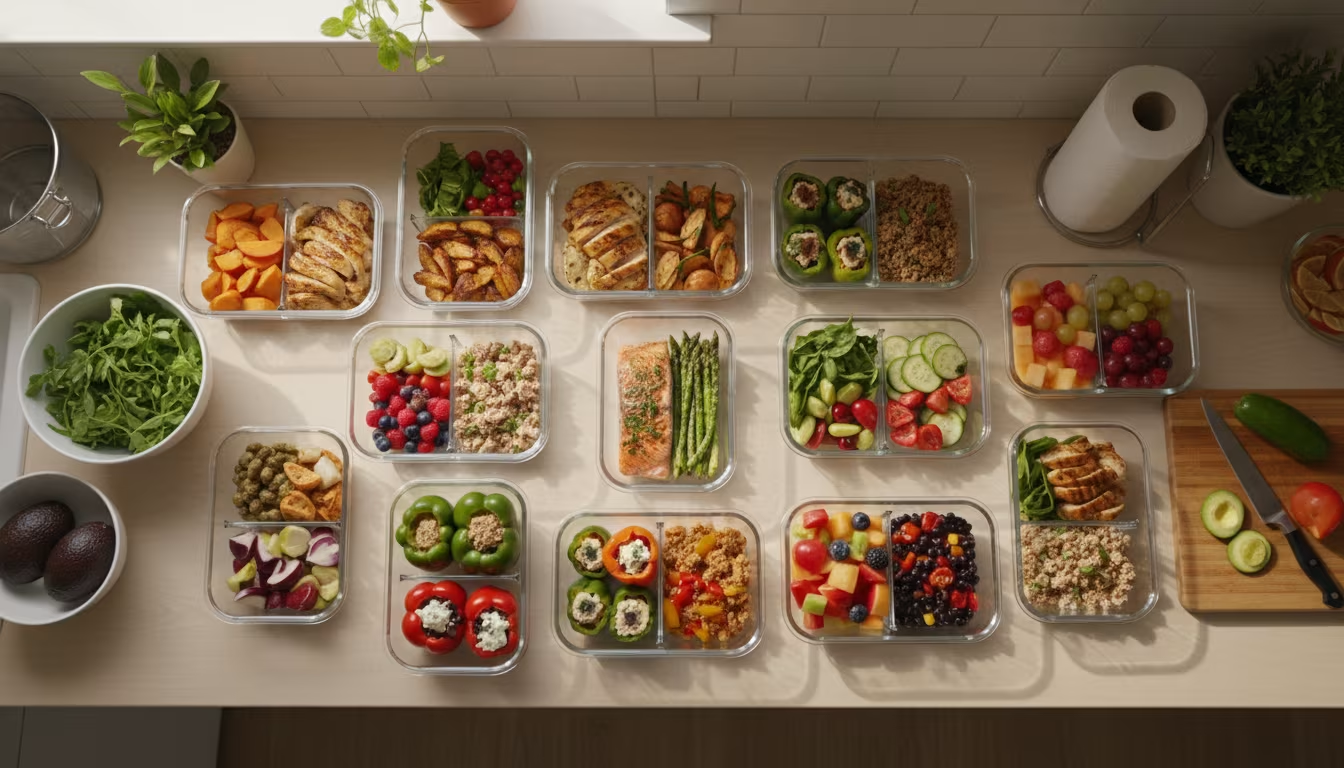
The Sunday-afternoon fantasy of ten identical containers stacked in the fridge falls apart by Wednesday, when nobody wants the same thing for the fourth time. A more durable approach for a busy household is to prep flexible parts rather than finished meals, so the same few ingredients can become different dinners depending on the day. That flexibility, plus safe storage, is what keeps food from turning into a guilt shelf at the back of the fridge.
Prep Components, Not Perfect Meals
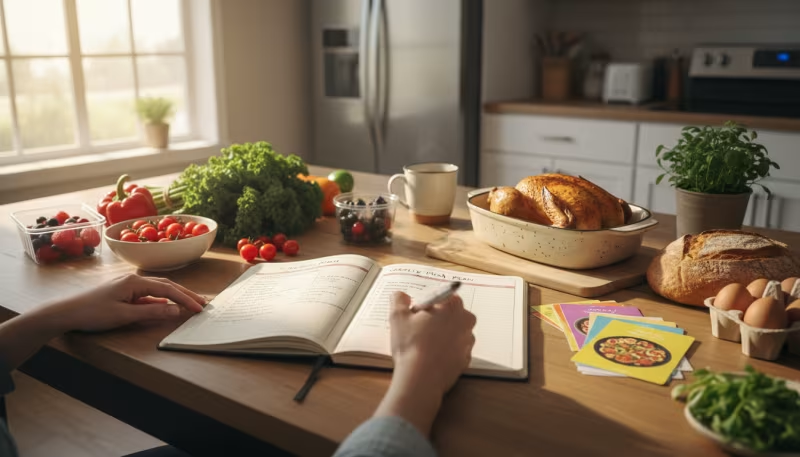
USDA SNAP-Ed notes that planning meals is one of the best ways to save money and eat well: USDA meal planning resources. But a plan built on complete, locked-in meals is fragile. Components are sturdier because they recombine.
In one prep session, cook a grain, roast a tray of vegetables, wash fruit, make one sauce, and cook a single protein. Those five things become bowls, wraps, salads, and quick plates all week. A batch of something like Yugoslavian chicken can headline several different dinners rather than being one meal you have to finish before it goes off.
Build the Week Around Two Bases
Pick two bases and let the rest orbit them: rice and tortillas, pasta and potatoes, salad and soup, or oats and yogurt. Two bases give you variety without forcing you to cook from scratch each night, and they cover both quick meals and slower ones.
Bases also make it easy to slot in a side that reheats well. A batch item like corn souffle can be cooked once and portioned, so a busy evening only needs assembly and reheating rather than real cooking. The point is to lower the number of decisions and pans between you and dinner.
Batch Proteins, Grains, and Produce
Proteins take the most time and dirty the most dishes, so batch them. Roast or poach chicken, brown ground meat, bake tofu, or cook a pot of beans, then portion it. Grains reheat well and can be cooked in a big batch: rice, quinoa, or pasta held plain and dressed later.
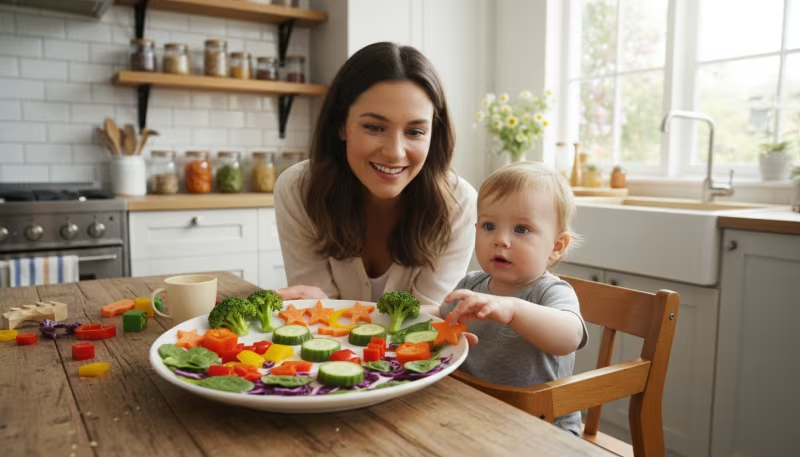
Produce is where prep quietly saves the week. Wash and cut vegetables and fruit while you have the energy, because a bag of pre-cut peppers is used and a whole pepper in the drawer often is not. Keep children's textures in mind: some kids eat raw carrot sticks, others only steamed, so prep in the form your household actually eats. Store sturdier vegetables like carrots and celery in water to keep them crisp, and keep more delicate greens dry with a paper towel so they do not wilt or turn slimy by midweek.
Portioning at prep time, rather than at dinner, is what makes the week feel effortless later. Dividing cooked protein and grains into meal-sized containers or freezer bags the moment they cool means a weeknight dinner becomes assembly instead of cooking. It also makes portions more consistent, which helps with both budgeting and packing lunches.
Store It Safely
Food safety is not optional when you are cooking ahead. USDA FSIS guidance says most cooked leftovers stay good in the refrigerator for three to four days: USDA leftovers and food safety. Shallow containers help food cool quickly, and labeling with a date stops the guessing game later in the week. The table below is a quick reference for common prep items.
| Item | Refrigerator | Freezer | Tip |
|---|---|---|---|
| Cooked chicken or meat | 3–4 days | 2–6 months | Portion before chilling |
| Cooked rice or pasta | 3–4 days | 1–2 months | Cool quickly, store shallow |
| Soups and stews | 3–4 days | 2–3 months | Freeze in single servings |
| Roasted vegetables | 3–4 days | Not ideal | Best reheated in the oven |
| Cut raw fruit | 2–3 days | — | Keep drier fruit separate |
When in doubt, follow the label and the date rather than memory. Freezing is the natural backup for anything you clearly will not eat within a few days, and single-serving portions thaw and reheat faster than one large block. Cool hot food quickly before it goes in the fridge, since crowding warm containers together slows cooling and keeps food in the temperature range where bacteria grow. Thaw frozen portions in the refrigerator overnight rather than on the counter, and reheat leftovers until they are steaming hot all the way through.
Keep Sauces Separate and Snacks Ready
Sauce is what makes leftovers feel new, but stored on the food it turns everything soggy. Keep dressings, yogurt sauces, salsa, and stir-fry sauces in their own small containers and add them at serving time. A rotating set of flavors does more for variety than cooking entirely different meals, and homemade seasoning mixes let you change the character of the same base without starting over.
Snacks deserve the same deliberate prep, because unplanned snacking is where a lot of emergency cooking and spending happens. Washed fruit, yogurt cups, cut vegetables, cheese, boiled eggs, and hummus cover most gaps, with age and texture safety in mind for younger children. A treat still fits the week as long as it is honest about being a treat. Something like fudge icing can have a place in the plan as long as it is not quietly standing in for a meal.
Run the Prep Session Like a Kitchen
A good prep session is mostly about order of operations, not speed. Start whatever takes longest and needs the least attention: get the oven going with a tray of vegetables or a protein, and put a pot of grains or beans on while that roasts. With the slow items handling themselves, you have both hands free for the tasks that actually need you, like washing and cutting produce or mixing a sauce. Working this way, an hour of real effort produces far more than an hour of doing one thing at a time.
Clean as you go so the session does not end in a mountain of dishes that discourages you from doing it again next week. Keep the tools that remove guessing within reach: a sharp knife, a clean cutting board, a food thermometer for checking that proteins reach a safe temperature, and a roll of freezer tape for labeling. Fancy gadgets matter far less than a few reliable basics used at the points where mistakes usually start, which is before heat touches food and before anything goes into storage without a date.
Leave One Flex Night and Repeat
A plan that fills all seven nights breaks the moment a child gets sick, a schedule shifts, or someone simply cannot face the planned meal. Leaving one open night gives the week somewhere to absorb leftovers, surprises, and changes of heart, which is what keeps the rest of the plan intact instead of abandoned.
The last step is to make the routine repeatable. After the first week, keep one useful note: which protein reheated best, which base your kids actually ate, which store was cheaper, or how long the produce lasted. Next week starts from that evidence rather than from scratch, and the whole system gets a little faster each time. Meal prep for a busy household is not about a perfect Sunday; it is about a handful of ready parts and enough flexibility to survive a normal week.
Frequently Asked Questions
What should busy parents meal prep first?
Start with one protein, one grain or starch, washed produce, and a sauce. Components are far more flexible than full meals.
How long do meal prep foods last?
Most cooked leftovers keep three to four days in the refrigerator. Label dates, use shallow containers, and freeze anything you will not eat in time.
How do I avoid meal prep boredom?
Rotate sauces, toppings, and bases, and keep one flex night. Avoid prepping many identical portions you will not want by midweek.
Should snacks be prepped too?
Yes, especially if snacking is a common stress point. Prep washed fruit, cut vegetables, and protein snacks with age and texture safety in mind.

Olivia Prete
Edits culture and personal-development articles, distinguishing opinion and experience from verifiable claims.


Leave a reply
Replying to