
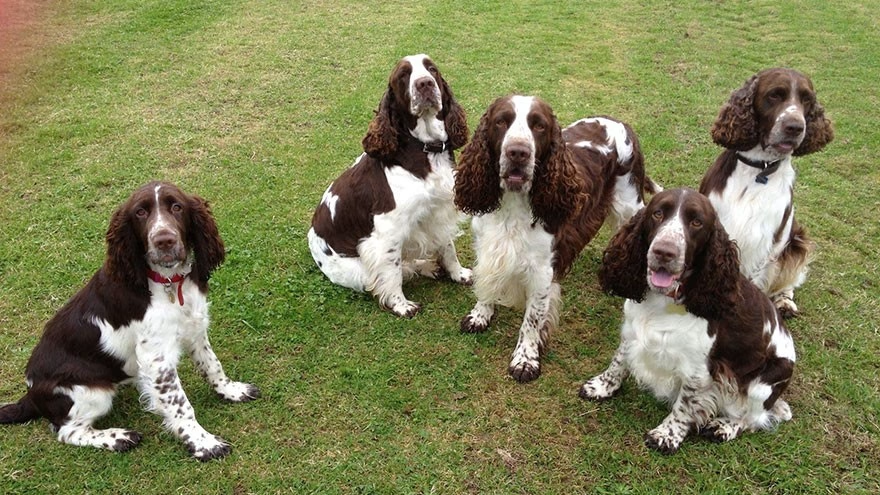
English Springer Spaniel questions usually start with temperament and end with energy. The breed is affectionate, bright, and deeply people-focused, but it was built as a working bird dog. That means a Springer can be a wonderful family companion in the right home and a restless, muddy, barky project in the wrong one. The difference is not love. It is exercise, grooming, training, and honest breeder selection.
Think of the breed as a medium-sized sporting dog with a busy brain. A Springer wants to move, sniff, carry, learn, and stay close to people. If that sounds enjoyable, keep reading. If you want a low-effort couch dog, this breed may not be the kindest match.
How Big Is An English Springer Spaniel?
The AKC English Springer Spaniel profile describes the breed as a bird dog with great energy, stamina, and brains. Adult Springers are medium dogs, large enough for field work but not giant. Most owners experience them as sturdy, athletic, and stronger on leash than their soft expression suggests.
Size alone does not tell you how the dog will feel at home. A Springer moving through a kitchen with a wet coat and a toy in its mouth can feel bigger than the same dog asleep under a desk. Compare that with guides to the biggest dog breeds and the point becomes clear: Springers are not huge, but they are active enough to fill a house.
Are English Springer Spaniels Good Family Dogs?
They can be excellent family dogs when the family likes training, outdoor time, and regular grooming. The English Springer Spaniel Field Trial Association describes the breed as social, trainable, adaptable, and eager to please. Those are strong family traits, but they still need structure.
Young Springers may jump, mouth, steal socks, chase moving children, or bark when under-exercised. That is not a character flaw; it is energy without a job. Teach polite greetings early, reward calm behavior, and give children rules too. No ear pulling, no cornering the dog, no chasing with food.
Supervision matters with visiting children as much as with the family. A Springer that lives calmly with its own kids may still overreact to a neighbor child sprinting, shrieking, or waving snacks. Put the dog on leash or behind a gate before excitement gets high.
If you are comparing sporting breeds, German Shorthaired Pointer questions will feel familiar. Both breeds need more than a walk around the block and a bowl of food.
How Much Exercise Do They Need?
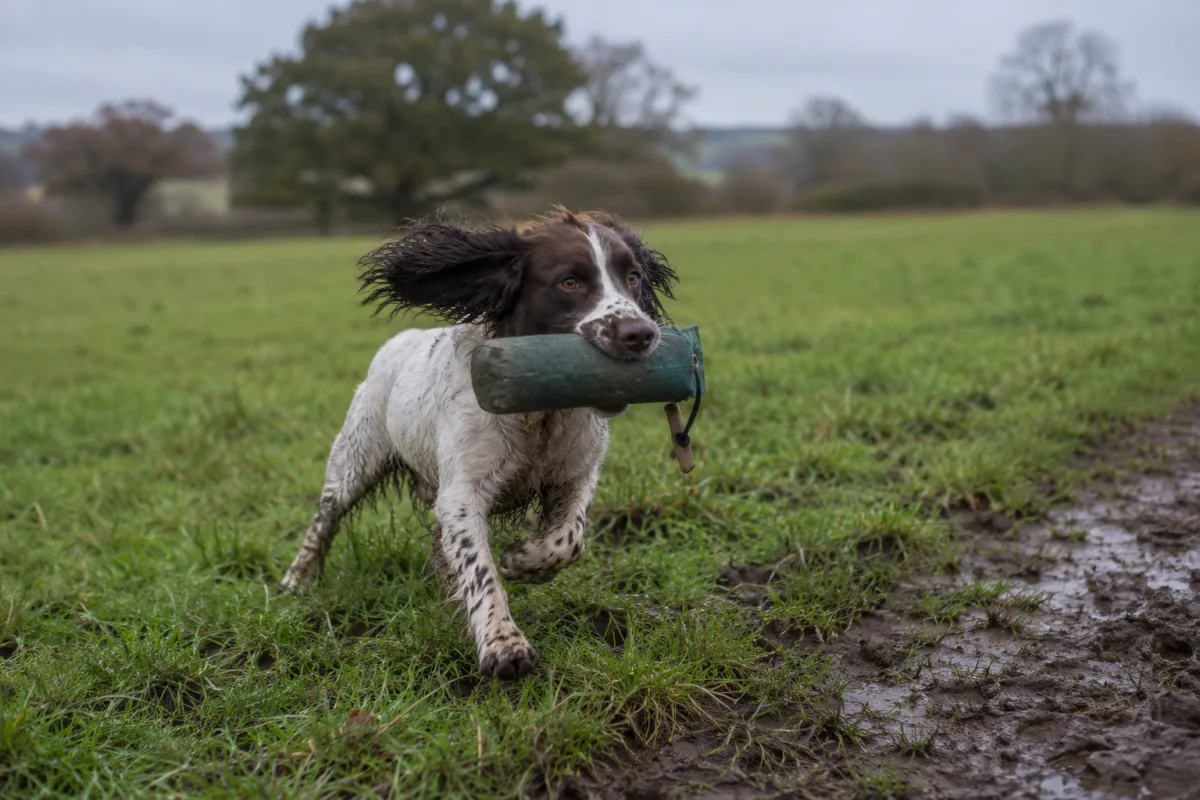
Most Springers need daily aerobic exercise plus mental work. Walks help, but sniffing, retrieving, training games, field work, scent games, hiking, swimming, and obedience drills do more. A tired Springer is not simply physically tired; the brain has had something to solve.
The Royal Kennel Club breed listing for the English Springer Spaniel puts exercise at more than two hours per day. That number will not fit every individual, but it gives a realistic warning: this is not a dog bred for decorative stillness.
Rain does not cancel the need. It only changes the form. Use food puzzles, indoor retrieves, platform training, short obedience sessions, and scent work when weather is bad.
Age changes the recipe. A puppy needs short, gentle sessions and sleep, not forced distance. An adolescent Springer often needs structure more than mileage because the brain is loud and impulse control is still forming. A senior may trade hard running for sniff walks, swimming, and strength-friendly movement. Match the work to the dog in front of you.
How Hard Is Springer Grooming?
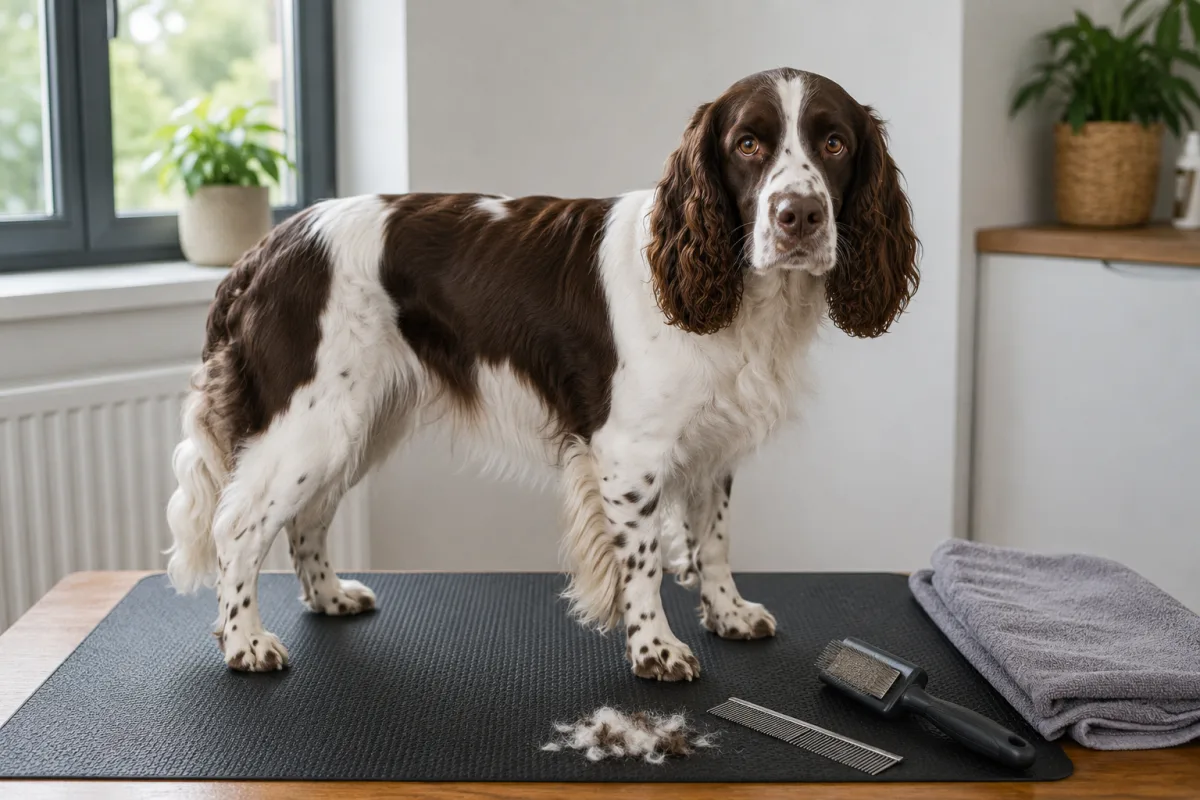
Grooming is moderate to high compared with short-coated dogs. The feathering behind the ears, legs, chest, and belly can mat. Mud, burrs, and seeds cling to the coat. Brush several times a week, check ears, trim feet, and plan professional grooming if you want a tidy outline.
VCA's English Springer Spaniel breed page rates grooming requirements high compared with many breeds and flags exercise, behavior, grooming, and health needs. That fits lived reality: the coat is manageable, but only if you actually manage it.
If you already understand coat maintenance from longhair Dachshund grooming, the Springer will feel more athletic and mud-prone, but the principle is the same: small regular sessions beat emergency detangling.
Do English Springer Spaniels Have Ear Problems?
They can. Long, hanging ears trap moisture and reduce airflow. Check ears after swimming, bathing, heavy exercise, or field time. Redness, odor, discharge, head shaking, and scratching deserve a vet call. Do not pour random cleaners into sore ears without guidance.
Ear care is one reason grooming and health overlap. A Springer that swims twice a week needs a different routine from one that stays dry. Dry the ear area gently and ask your veterinarian what cleaner, if any, fits your dog.
Health topics deserve the same seriousness as articles on Staffordshire Bull Terrier health problems: name the risk, avoid panic, and get real veterinary input.
Food also deserves structure. Springers often train well for treats, but training treats still count as calories. Use part of the daily meal for practice, keep ears out of wet food, and watch body condition through the ribs and waist rather than waiting for the scale to surprise you.
What Health Testing Should Buyers Ask About?
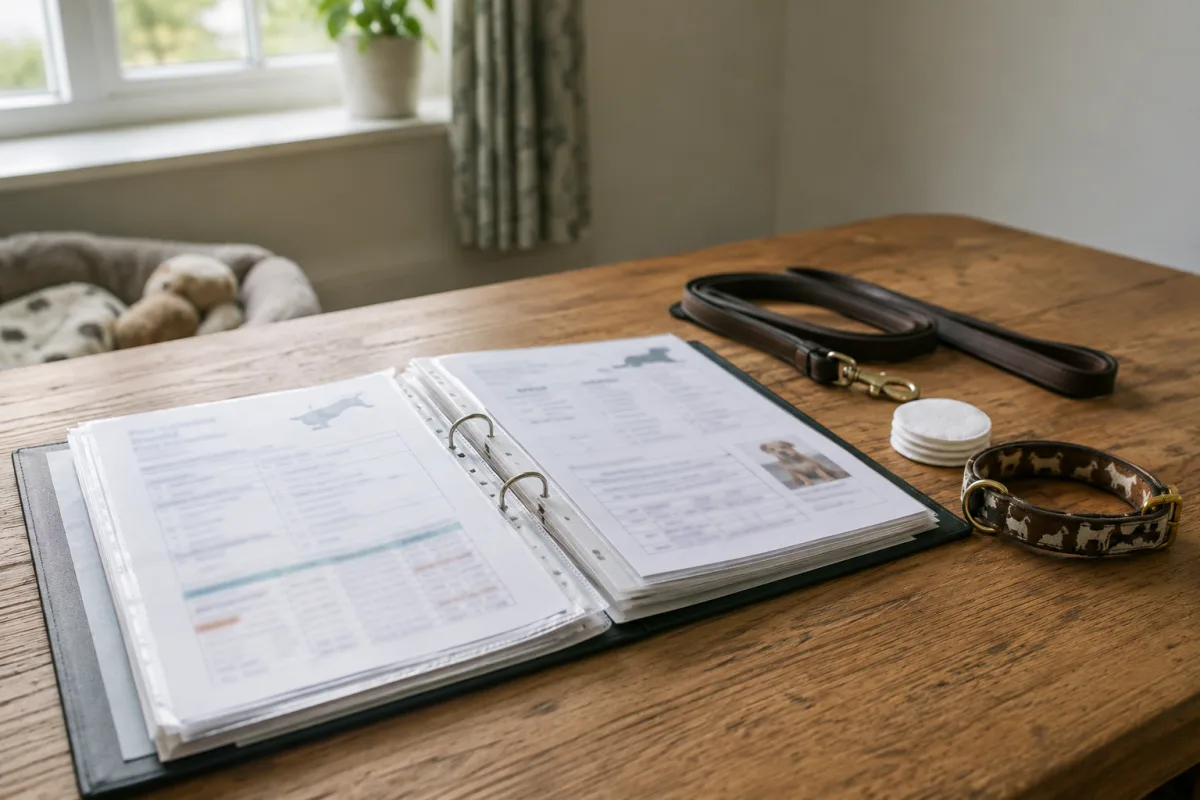
Ask breeders about hips, elbows, eye exams, and breed-relevant DNA testing. The AKC sporting group health testing page lists recommended tests for English Springer Spaniels, including hips, elbows, eyes, cardiac, and DNA-related entries. Requirements can change, so confirm current recommendations before buying.
The OFA CHIC program explains that health testing gives buyers more accurate information about breeder testing results, while still not guaranteeing a disease-free dog. That nuance matters. Testing reduces risk; it does not erase biology.
A breeder who dodges health questions is a red flag. A breeder who explains results, shows certificates, asks about your lifestyle, and says no to a poor match is usually doing you a favor.
Rescue Springers deserve the same practical questions. Ask about bite history, crate comfort, separation distress, resource guarding, ear infections, and how the dog behaves after a full day in a temporary care home. A good rescue will not pretend love alone fixes every pattern.
Field Lines Or Bench Lines?
Field-bred Springers are usually selected for hunting drive, speed, stamina, nose, and biddability. Bench or show lines are often selected more for conformation and coat. Both are English Springer Spaniels, but they may feel different in a home.
Ask what the breeder's dogs do all week, not just what the website says. Hunt tests, field trials, conformation, therapy work, agility, scent work, and family companionship all shape expectations. If you want a calm suburban companion, a high-octane field line may be more dog than you wanted.
For breeder-selection thinking, Brittany Spaniel breeder recommendations are useful because the same sporting-dog questions repeat: health, drive, temperament, and post-sale support.
Meet adult relatives if possible. Puppies are charming and poor predictors of the daily adult dog. An adult Springer shows the coat, noise level, greeting style, recovery time after excitement, and general nerve that a household will actually live with.
Also ask what happens when the dog is bored. Some Springers bark, some dig, some raid counters, and some carry laundry around like a job. The specific failure mode tells you which training and management habits your home will need from week one.
Frequently Asked Questions
Are English Springer Spaniels easy to train?
They are usually eager and smart, but excitement can outrun focus. Short, reward-based sessions work better than long lectures.
Do English Springer Spaniels shed?
Yes. Expect shedding plus feathering that collects dirt and mats. Brushing several times a week helps keep the coat under control.
Can they live in an apartment?
Some can, but only with serious daily exercise, training, and outdoor access. The floor plan matters less than the routine.
Are they good with other dogs?
Many are social, but early training and controlled introductions still matter. High excitement can overwhelm quieter dogs.
What is the biggest mistake new owners make?
Underestimating energy. A bored Springer often invents work: barking, digging, stealing, chewing, or constant attention-seeking.
The English Springer Spaniel is best for people who want an involved dog, not a background dog. Meet adult Springers, ask hard breeder questions, and be honest about how much wet, cheerful energy you want in the house.

Chiara Bradshaw
Covers education, culture and creative topics with an emphasis on readable explanations and verifiable references.

Leave a reply
Replying to