
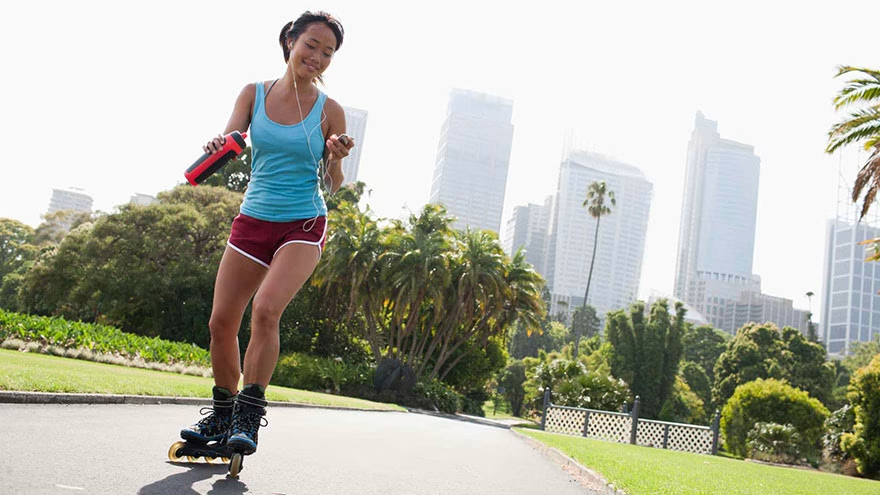
How Many Calories Does Skating Burn? The honest answer is a range, not a single number. Inline skating, roller skating, and ice skating can all burn meaningful energy because the body has to balance, push, glide, turn, and stabilize. The exact burn depends on body size, speed, skill, surface, hills, wind, stops, and how long the session lasts. A relaxed rink lap and a fast outdoor skate are not the same workout.
Why skating can burn plenty of energy
Skating uses the legs in repeated side-to-side pushes while the trunk stabilizes the body. The gliding phase may feel smooth, but balance and direction changes keep muscles working. Faster skating, rougher pavement, headwind, and hills raise the demand.
Unlike running, skating often has lower impact because the feet glide instead of striking the ground repeatedly. That does not mean it is easy. The hips, thighs, calves, and core can work hard, especially when technique improves and speed rises.
Glide is not rest. A smooth motion can still ask a lot from the body.
Body size and intensity change the estimate
A larger person usually uses more energy to move at the same pace than a smaller person. A skater who moves continuously uses more than someone who stops often. Skill also matters because beginners may tense up, while experienced skaters may cover more distance at higher speed.
The American Heart Association's target heart rates page can help frame effort. If breathing rises and talking becomes shorter, the session is likely more demanding.
Use the number as a range. The same thirty minutes can feel easy one day and demanding the next.
Skating for weight management
Skating can support weight management by adding aerobic activity to the week. The result depends on total activity, food intake, sleep, and consistency. A fun skating habit may be easier to repeat than a gym routine you dislike.
CDC's adult activity guidance includes aerobic activity and muscle-strengthening work. Skating can contribute to the aerobic side, while strength training can support joints and body composition.
If fat loss is the goal, compare skating with other enjoyable cardio such as Tae Bo for weight loss. Consistency matters more than choosing the highest estimated burn.
Technique affects effort
Efficient skating uses a controlled knee bend, side push, stable trunk, and relaxed arms. A stiff upright stance wastes energy and can make balance worse. As technique improves, you may skate longer or faster, which can increase total work even if the motion feels easier.
Cross-training can help. Basic balance, hip strength, and simple aerobic patterns transfer well. A resource on basic aerobic steps shows how rhythm and foot placement can be trained away from skates.
Better technique gives options. You can use it to go easier, farther, or faster.
Protect wrists, knees, and head
Skating falls happen fast. Wear a helmet, wrist guards, knee pads, and elbow pads, especially outdoors or while learning. Check wheels, bearings, brakes, laces, and surface conditions before rolling into traffic or crowded paths.
Do not chase calorie burn at the expense of stopping ability. Practice braking, turning, and controlled falls in a safe area. A skater who cannot stop should not add speed.
Safety gear keeps the habit alive. The best calorie burn is useless if one fall ends the month.
Use intervals without racing everyone
Intervals can make skating more challenging: one minute brisk, two minutes easy, repeated several times. On a rink, use music or lap markers. Outdoors, use lamp posts, path sections, or a timer. Keep enough control to avoid other people.
If you enjoy harder leg work, compare the demand with running bleachers. Both can raise heart rate quickly, but skating adds balance and stopping skill.
Speed belongs in clear space. A crowded rink or path is not the place for all-out intervals.
Track skating workouts realistically
Track time, route, effort, and how your legs feel the next day. Wearables may estimate calories, but wrist motion and skating mechanics can confuse some devices. Use the estimate to compare your own sessions, not as exact meal math.
If the goal is fitness, look for other markers: longer sessions, smoother turns, better braking, lower effort at the same route, and fewer sore joints. Those markers often matter more than the calorie number.
Progress is not only burn. Skill and confidence are part of the payoff.
Plan skating inside a balanced week
A balanced week might include two skating sessions, two strength sessions, and one easy walk or mobility day. Strength work for hips, glutes, calves, and trunk can make skating feel more stable and reduce fatigue.
If children skate too, use age-appropriate endurance thinking. A guide to endurance exercises for kids is a reminder that younger skaters need play, breaks, and safe progression more than adult calorie targets.
Skating is movement plus skill. Treat it as both, and the workout becomes easier to keep.
Use terrain to adjust intensity
Flat rinks and smooth paths are easier to control. Hills, rough pavement, wind, and crowded areas raise effort and risk. Choose the surface that matches your skill before chasing a harder workout.
Outdoor skaters should plan the return route too. A downhill finish may sound fun until tired legs and traffic make stopping harder.
Warm up ankles and hips
Skating asks a lot from ankles, hips, and balance. Spend a few minutes with easy glides, gentle turns, and slow stops before pushing speed. Cold stiff movement makes falls more likely.
Off-skate warmups can include calf raises, side steps, hip circles, and bodyweight squats. The goal is to make the first real lap feel less abrupt.
Use rest breaks without guilt
Skating fatigue can show up as sloppy turns and late stops. Take breaks before technique falls apart. A short reset can keep the session safer and often lets you skate longer overall.
Calories are not lost because you rested. The whole session still counts, and safe repeatability beats one reckless push.
Use skill practice as extra volume
Stops, turns, crossovers, and backward basics can add useful movement without making every session a speed workout. Skill practice often raises time on skates while keeping the effort more controlled.
That extra time matters for fitness, and it makes future higher-effort skating safer. Better skill gives the cardio work a stronger foundation.
Plan outdoor routes with exits
Outdoor skating routes should include places to stop, turn around, drink water, and remove skates if needed. A path that looks easy on a map may have rough pavement, road crossings, dogs, sand, leaves, or crowded sections.
Tell someone your route if skating alone, and carry a phone, identification, and enough water for the weather. Fitness gains are easier to enjoy when the route has a backup plan.
Route choice changes workload. Smooth, safe pavement is part of the workout design.
Separate fitness skating from learning days
Not every skating session needs the same goal. A fitness day may focus on steady laps, longer routes, or short speed blocks. A learning day may spend more time on stopping, balance, turning, and safe falling. Both can burn calories, but they stress the body differently.
Keeping those days separate helps you avoid frustration. Skill practice can feel slow while still building the control that later lets you skate harder.
For beginners, skill days are often the better investment. More control usually means more confidence, longer sessions, and fewer breaks caused by fear or poor balance.
Use protective gear as training support
Helmets, wrist guards, knee pads, and elbow pads do more than reduce injury risk. They can help newer skaters relax enough to practice longer. More relaxed practice usually means smoother movement, better balance, and a more useful fitness session.
Frequently Asked Questions
Does inline skating burn more calories than walking?
Often yes at a brisk effort, but pace, body size, terrain, and stops change the comparison.
Is skating good for weight loss?
It can help if it adds repeatable activity and fits a food pattern that supports your goal.
Is roller skating or ice skating harder?
It depends on skill, surface, speed, and balance. Both can be easy or demanding depending on how you skate.
Can beginners use skating for cardio?
Yes, but they should prioritize protective gear, stopping skill, and shorter sessions before chasing intensity.
Skating burns calories because it keeps the body balancing, pushing, and gliding. Treat the number as an estimate, protect your joints, and let skill build the workout.

Alyssa Curlin
Edits general health, nutrition and education explainers. Medical topics are educational and link to public-health guidance.
Leave a reply
Replying to