
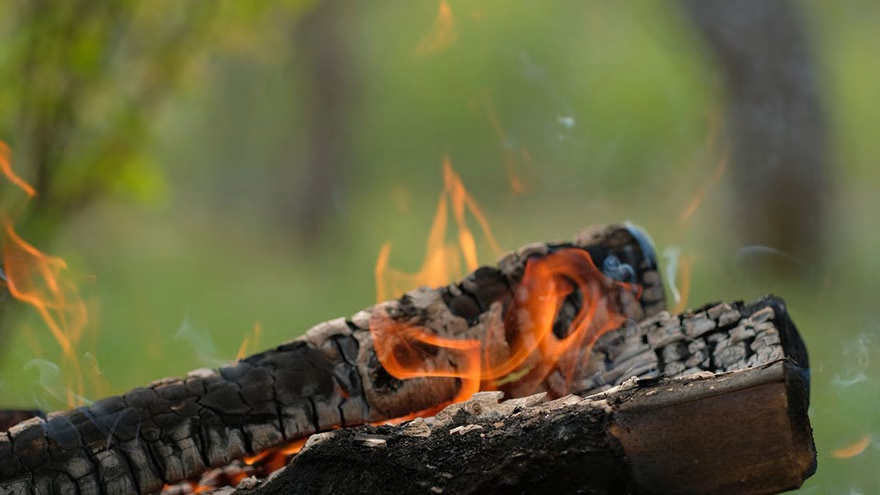
Green firewood is wood with too much moisture
Green firewood has not dried long enough after cutting. Much of the fire's energy goes into boiling off water instead of making steady heat. The result is smoke, hissing, weak flames, creosote concerns indoors, and frustration outdoors.
The EPA's Burn Wise program recommends using dry, seasoned wood in its wood-burning practices. That is the baseline: burning green wood is usually the problem, not the solution.
Know when not to burn it
Do not burn green wood in a stove or fireplace just because it is available. Wet wood can smoke badly, reduce heat, and contribute to chimney buildup. If the home system is involved, use dry wood and follow the appliance manual.
Outdoor travel planning has the same respect for limits. A trip like visiting remote outdoor sites works better when conditions decide the plan, not wishful thinking.
Split it smaller if you have no better option
For an outdoor campfire where local rules allow wood fires, smaller splits expose more surface area and dry faster near the fire. Keep expectations low. Green wood will still smoke more and heat less than seasoned wood.
Never use gasoline, lighter fluid on an active fire, or other accelerants to force wet wood to burn. If the wood will not catch with safe tinder and dry kindling, the answer may be to stop.
Mixing with dry wood is a short-term workaround
Dry kindling and seasoned splits can help a small amount of damp wood burn at the edge of an outdoor fire. That does not make a pile of green logs acceptable fuel for regular heating.
Keep the green pieces small and away from direct cooking smoke. If smoke is blowing into people, campsites, homes, or a road, the fire is already failing the practical test.
Season the wood instead of fighting it
Split logs, stack them off the ground, keep the sides open to air, and cover only the top if rain is the issue. Sun and airflow matter more than wrapping the whole pile in plastic.
Firewood planning belongs with other outdoor basics such as checking gear before a trip. A little preparation changes the whole experience.
Use a moisture meter if heat matters
If you heat with wood, guessing by appearance is not enough. A moisture meter on a freshly split face gives a better sense of readiness. Wood species, split size, climate, and storage all affect drying time.
Heavy bark, cool shade, ground contact, and tight stacking slow the process. If wood feels cold, heavy, and sizzles at the fire, it probably is not ready.
Keep fire safety larger than the fuel question
The U.S. Fire Administration's heating safety page at usfa.fema.gov advises keeping burnable items at least three feet from heat sources and maintaining heating equipment and chimneys.
Green wood is only one risk. Clear space, screens, proper ash disposal, ventilation, and a working smoke alarm matter more than making one stubborn log catch.
Respect air quality and local rules
Many areas restrict burning during high fire danger or poor air quality. Wet wood makes smoke worse, which can affect neighbors, children, older adults, and people with breathing problems.
Outdoor courtesy is similar to the care used at shared scenic sites: your comfort should not make the place worse for everyone nearby.
Make the plan fit real life
The useful version of this topic is the one that fits the reader's actual situation. The decision should fit local burn rules, the setting, the appliance, air quality, available dry fuel, and safety equipment. A plan that only works on paper will not survive a normal week, a tired afternoon, or a small mistake.
Start with the constraint that is least flexible. That may be time, money, safety, access, health, policy, family expectations, or local rules. Once that limit is clear, the rest of the choices become easier to sort.
Watch for the mistake that changes the outcome
The common mistake is trying to force wet wood to burn instead of finding dry fuel or letting the wood season. It usually happens because people want the answer to be simpler than it is. Slow down long enough to separate facts from hopes.
Good judgment is often quiet. It looks like reading the policy, checking the weather, asking one more question, saving a record, or choosing the smaller step before the larger one.
Use a short checklist before you commit
Before acting, check the basics: local rules, dry kindling, safe appliance, split size, smoke direction, moisture, clear space, ash container, chimney condition Keep the list short enough that you will actually use it. A long checklist that nobody opens is just decoration.
If another person is involved, confirm the same points in plain language. Most bad decisions in everyday life are not caused by missing expert knowledge; they are caused by assumptions nobody tested.
Know when to pause
Pause when the wood smokes heavily, the appliance is indoors, air quality is poor, fire restrictions apply, or you need accelerants. A pause is not failure. It is a way to keep a small uncertainty from becoming a costly problem.
If the situation involves health, legal rights, safety, money, or another person's trust, get qualified help instead of forcing a quick answer. The right next step may be slower, and that is often the point.
Turn the advice into one next step
Do not try to solve the whole subject at once. Pick the first item that can change the decision today, then check it against the practical list: local rules, dry kindling, safe appliance, split size, smoke direction, moisture, clear space, ash container, chimney condition That keeps the work grounded instead of letting the topic become a vague intention.
A small verified step is better than a confident guess. In practice, that may mean reading the rule, checking the map, saving the message, measuring the space, asking the clinic, reviewing the profile, or confirming the payment terms before anything else moves.
Keep notes while details are fresh
Good notes do not need to be formal. Write down the date, source, name, rule, price, condition, or answer while it is still fresh. That record gives you something calmer to use later if memory, stress, or another person's version of events starts to blur the issue.
For this topic, notes should focus on the decision point rather than every side thought. Record the fact that would change your choice, then leave room for updates if a source, policy, weather report, profile detail, or schedule changes.
Match the advice to the stakes
Low-stakes choices can move with common sense and a short check. Higher-stakes choices need more patience, especially when safety, health, pay, travel money, family trust, or another person's comfort is involved. The amount of checking should rise with the possible cost of being wrong.
This is where the earlier pause point matters: the wood smokes heavily, the appliance is indoors, air quality is poor, fire restrictions apply, or you need accelerants. If that line is close, slow the plan down. Speed is useful only when the basic facts are solid.
Think about the second effect
Many everyday decisions have a second effect that shows up later. A message changes trust, a campsite affects access, a workplace rule changes morale, a food choice affects leftovers, and a travel booking can affect the whole budget. Look past the first convenient answer.
The second effect is usually where regret hides. Before you finish, ask who else is affected, what becomes harder tomorrow, and what proof you would want if the decision had to be explained later.
Close the loop cleanly
Once the choice is made, finish the small administrative work around it. Save the link, send the note, pack the item, label the container, confirm the route, update the file, or tell the other person what happens next.
A clean close keeps the subject from staying half-open in your head. It also makes the advice easier to repeat the next time, because you are not rebuilding the whole decision from memory. A short final note can also reveal a weak plan before it creates extra work for someone else later. That is often the difference between knowing what to do and actually doing it.
Frequently Asked Questions
Can green firewood burn?
Yes, but it burns poorly because moisture steals heat and creates smoke. It is usually better to dry it first.
Use seasoned wood when heat or safety matters.
Is green wood safe in a fireplace?
It is not a good choice. Wet wood can smoke heavily and contribute to chimney problems.
Follow your appliance manual and use dry wood.
How can I dry green firewood faster?
Split it, stack it off the ground, leave the sides open to air, and protect the top from rain.
Do not wrap the whole stack tightly.
Can I cook over green wood?
It is a poor choice because it smokes and burns unevenly. Use dry, safe cooking fuel instead.
Avoid exposing food and people to heavy smoke.

Chiara Bradshaw
Covers education, culture and creative topics with an emphasis on readable explanations and verifiable references.



Leave a reply
Replying to