

How to Identify and Overcome Barriers means getting specific about what blocks action. Most barriers are not proof that you are lazy; they are clues about time, tools, fear, money, health, skill, support, or environment.
The best barrier plan does not depend on perfect motivation. It changes the next step so the desired action is easier to start and easier to repeat.
Write The Stuck Point
Start with one sentence: I am stuck because. Then finish it without trying to sound mature or impressive.
A real barrier written plainly is easier to solve than a vague feeling of being behind.
Sort Barrier Types
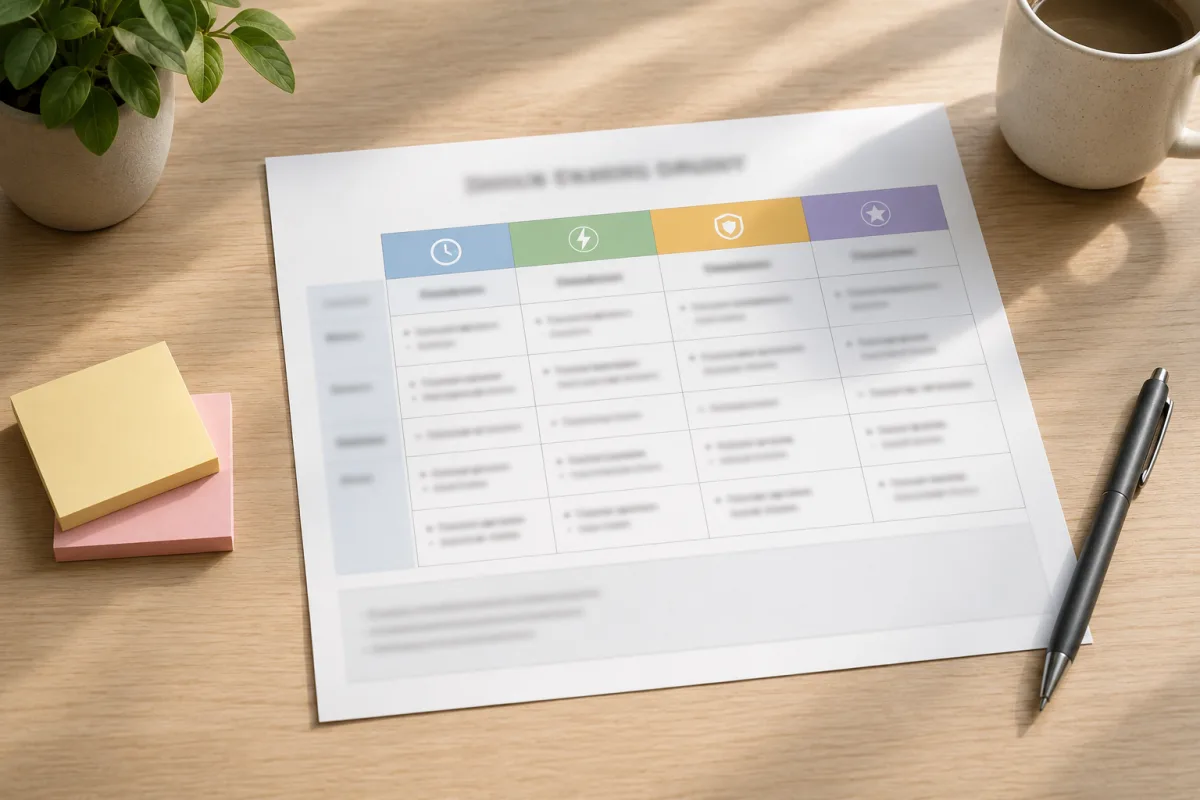
Common barriers include time, energy, money, fear, skill, access, family demands, pain, mood, information overload, and unclear priorities.
NIDDK's habit-change guidance describes stages of change including contemplation, preparation, action, and maintenance: NIDDK changing habits.
Use The Stage
If you are in contemplation, the barrier may be uncertainty. If you are in preparation, it may be supplies. If you are in action, it may be consistency.
Matching the plan to the stage prevents you from demanding action before the setup exists.
Find The Hidden Cost
Every change has a cost: time, comfort, identity, money, attention, or social friction.
Name the cost honestly. A plan that denies the cost usually fails quietly.
Health Barriers
Pain, fatigue, dizziness, depression, medication effects, or illness can block action. These barriers may need medical care, not a pep talk.
Livecub's metastatic bone cancer symptoms guide is a reminder that serious symptoms need proper evaluation.
Food Barriers
Food goals can fail because of hunger, cost, cooking skills, family preferences, stress, or no plan after work.
Livecub's food journal guide can help reveal patterns without turning meals into a courtroom.
Meal Swap Barriers
If healthier meals feel boring, expensive, or unfamiliar, start with one swap instead of a whole diet reset.
Livecub's pasta substitutes guide can help when the barrier is not knowing what to cook.
Movement Barriers
Movement barriers include pain, weather, unsafe routes, embarrassment, no childcare, or not knowing what counts.
CDC says physical activity can bring immediate brain benefits and reduce short-term anxiety for adults: CDC physical activity benefits.
Performance Barriers
Fear can look like procrastination. If the task involves being judged, practice the first exposed step in a smaller setting.
Livecub's sports tryout nerves guide can help with pressure and preparation.
Speaking Barriers
Public speaking barriers often live in the body: tight chest, fast breathing, blank mind, or shaky voice.
Livecub's stage fright guide can help turn a fear response into a practice plan.
Communication Barriers
Some barriers involve anxiety around speech, social settings, or being observed.
Livecub's selective mutism guide shows why patience and skilled help can matter more than pressure.
Support Barriers
If you need help, name the exact help: ride, childcare, reminder, practice partner, quiet hour, or feedback.
People cannot reliably support a vague goal. Give them a job they can actually do.
Environment Barriers
Look at the room where the action should happen. Are shoes hidden, food missing, forms buried, or the phone too close?
Change the space before blaming motivation.
Skill Barriers
Sometimes the barrier is not mindset. It is not knowing how to do the task.
Find the first skill lesson, not the whole course. Practice one piece until it feels less foreign.
Time Barriers
If time is the barrier, shrink the action. Ten minutes may be enough to start a streak.
A tiny repeatable action beats a grand plan that only works on an empty weekend.
Energy Barriers
Low energy may need sleep, food, medical review, pacing, or a smaller task.
Do the hardest action at your best energy time if you can, not after the day has already taken everything.
Emotional Barriers
Shame, fear, grief, anger, and disappointment all block action differently.
Name the feeling before choosing the tool. Fear may need exposure; grief may need rest; shame may need support.
Make A Barrier Map
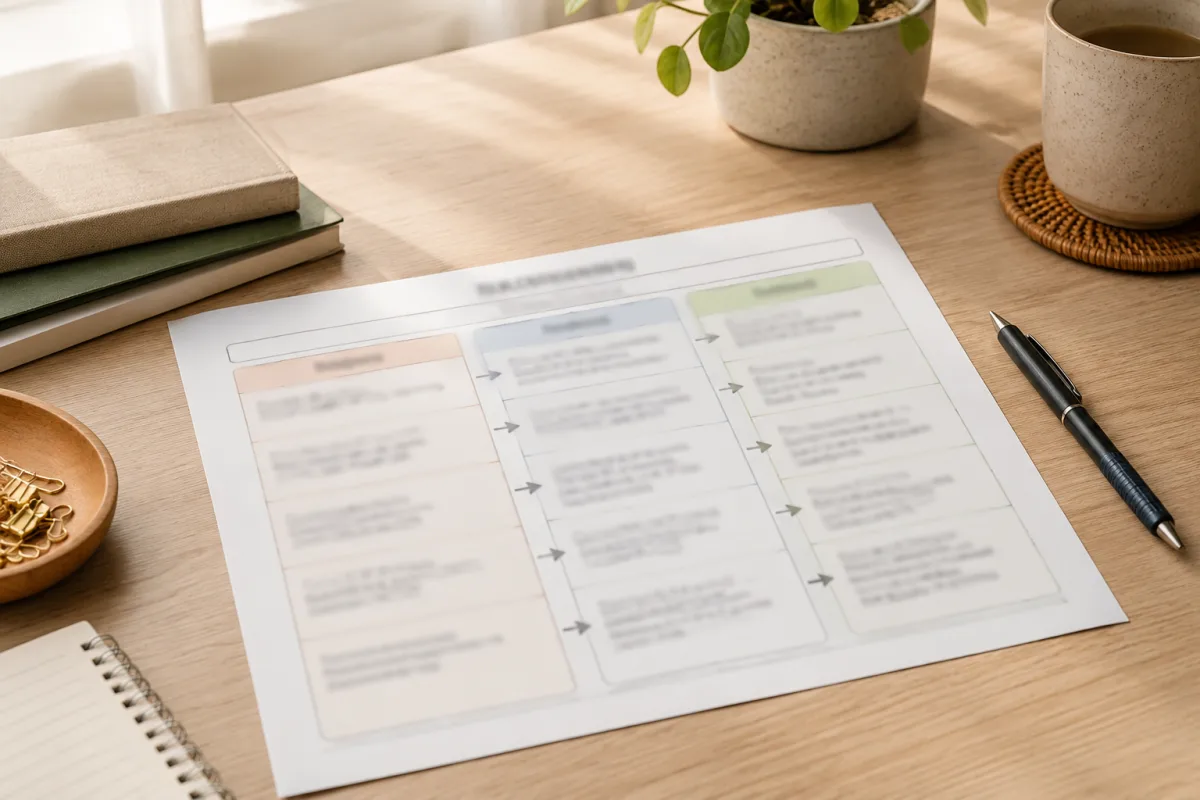
Draw three columns: barrier, cause, next adjustment. Keep the adjustment small enough to try this week.
This turns a complaint into a test.
Review The Test
After a week, ask what changed. Did the barrier shrink, move, or reveal a deeper issue?
If nothing changed, revise the adjustment. Do not jump straight to self-criticism.
Know When To Stop Pushing
Some barriers are warnings. Pain, unsafe situations, abuse, medical symptoms, or severe mental health symptoms need care and protection.
Overcoming a barrier should not mean ignoring danger.
Ask What The Barrier Protects
A barrier may be protecting comfort, privacy, money, rest, status, or a sense of control.
That does not make the barrier correct, but it explains why simple advice may bounce off. Respect the protected need, then look for a safer way to meet it.
Use A Two Minute Start
When a task feels too large, start for two minutes. Open the file, put on shoes, wash one dish, fill the bottle, or write the first sentence.
Two minutes will not finish the goal. It lowers the entry cost so the body learns that starting is possible.
Make The First Step Visible
A hidden first step often becomes a skipped first step. Put the form, shoes, notebook, medication list, or practice tool where the action should begin.
The goal is to let the room remind you before the old habit takes over.
Replace All Or Nothing
All-or-nothing thinking turns a small miss into a full stop. Create a minimum version for tired, busy, or messy days.
The minimum version may be five minutes of walking, one cooked meal, one phone call, or one paragraph. It keeps the plan alive.
Money Barriers
If money is the barrier, price the change before deciding it is impossible. Some goals have free, borrowed, shared, secondhand, or public options.
If the cost is still too high, name that honestly and choose the closest affordable step. Pretending money does not matter usually creates more shame.
Caregiving Barriers
Childcare, elder care, and family duties can make a simple plan unrealistic. Build around those duties instead of copying someone else's schedule.
A useful plan may need shorter sessions, home-based actions, shared responsibilities, or one protected hour agreed on in advance.
Fear Of Feedback
Some people avoid the task because the next step exposes them to judgment. That fear is easier to handle when feedback is narrow.
Ask one person for one specific note. Broad judgment feels personal; specific feedback gives you something to practice.
Information Overload
Research can become a barrier when every search opens ten more choices. Pick one trusted source, one method, and one test period.
You can revise later. The first goal is to stop collecting advice long enough to learn from action.
Use Accountability Carefully
Accountability should help you return to the plan, not make you hide from it. Choose someone who can ask about the action without turning it into shame.
A good check-in asks what happened, what got in the way, and what adjustment you will test next.
Celebrate The Test
A test can succeed even when the result is not dramatic. If you learned that mornings work better than nights, that is useful.
Treat the lesson as progress. The plan gets stronger when you learn from real attempts instead of imagined perfect days.
If The Barrier Returns
A returning barrier does not mean you failed. It often means the plan needs more support, a smaller action, or a different environment.
Keep the review practical: what made the barrier return, what helped even slightly, and what should be changed before the next try?
Frequently Asked Questions
How do I identify a barrier?
Write the exact stuck point, then sort it into time, energy, money, fear, skill, health, support, or environment.
What if motivation is the problem?
Look for the barrier under motivation. The issue may be unclear steps, low energy, fear, friction, or lack of support.
How do I overcome a barrier?
Make the next action smaller, change the environment, ask for specific help, build one missing skill, or adjust the schedule.
What is a barrier map?
It is a simple table with the barrier, likely cause, and one small adjustment to test this week.
Are some barriers signs to stop?
Yes. Pain, danger, abuse, severe symptoms, or medical concerns need care, not pressure to push through.
To identify and overcome barriers, stop arguing with the stuck point and study it. Name the barrier, shrink the next step, test one adjustment, and review honestly.

Linda Fehrman
Edits general wellness and relationship explainers. Health material is educational, avoids diagnosis and links to health-authority guidance.




Leave a reply
Replying to