
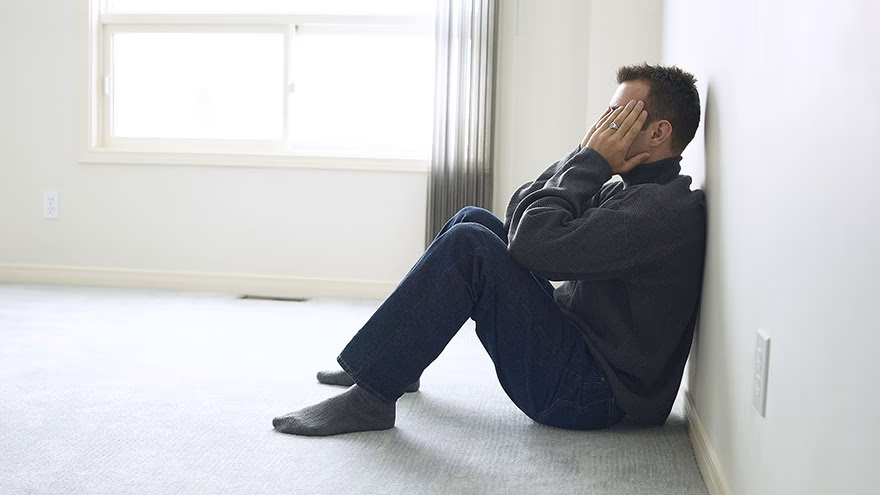
Living after the death of a spouse is not one task. It is paperwork, shock, meals, sleep, memory, money, family, loneliness, and the strange feeling of making decisions without the person who used to share them. Learning how to live after the death of a spouse starts with permission to move slowly. Grief does not run on a calendar.
This article is educational and does not replace help from a grief counselor, doctor, attorney, financial professional, or crisis service. If you feel at risk of harming yourself, cannot function safely, or feel trapped in despair, contact emergency services or a local crisis line now. Practical steps matter, but safety and support come first.
What Should You Do First?
In the first days, focus on the next necessary step: funeral home, death certificates, immediate family, pets, medications, bills that cannot wait, and a safe place to sleep. Let trusted people help with calls, meals, rides, and visitors. Do not try to reorganize your whole life while the loss is still fresh.
The National Institute on Aging notes that grief after a spouse dies can affect sleep, appetite, and daily routines. That is not weakness. It is the body and mind responding to a major loss. If anniversaries and dates are painful, Livecub's 10-year anniversary ideas may later help you think about remembrance in a gentler way.
How Do You Handle Paperwork?

Make a folder for death certificates, will or trust documents, insurance, bank accounts, titles, mortgage or lease, tax records, passwords, benefits, and bills. Ask for more death certificates than you think you need. Many institutions require certified copies.
Do not rush major financial decisions unless a deadline requires it. Scammers, salespeople, and even well-meaning relatives may push for quick choices. If estate questions are involved, Livecub's questions to ask an estate lawyer can help you prepare for a legal conversation without pretending you must understand everything alone.
Make a call list and a not-yet list. The call list holds banks, insurance, benefits, utilities, and professionals. The not-yet list holds decisions that can wait, such as selling furniture, moving, changing investments, or giving away sentimental items. Separating the lists lowers pressure.
How Should You Manage The House?
The house may feel too full and too empty at the same time. Start with safety and function: food, medication, trash, mail, bills, laundry, heating or cooling, and locks. Leave clothing, tools, books, and personal items alone until you are ready, unless there is a practical reason to move them.
Some people need to remove items quickly because seeing them hurts. Others need months before touching a closet. Both can be normal. Ask yourself whether a decision needs to be made today. If not, label a box, close a door, or ask a trusted person to sit with you later. You do not have to turn grief into a weekend cleaning project.
If other people want belongings quickly, slow the process down. Ask for requests in writing and give yourself time to think. Personal objects can carry memory, conflict, and family history. A pause is often kinder than a rushed yes that you regret later.
What Helps With Loneliness?

Loneliness after a spouse dies is not only missing company. It is missing the person who knew the small details of your day. Build small anchors: one regular call, one walk, one meal with someone, one support group, one place you can go without explaining everything.
The American Psychological Association describes grief as a process that can include many emotional reactions, and support can help people adapt. Support does not have to be dramatic. A neighbor who brings soup, a friend who handles paperwork, or a group where no one expects you to be cheerful can all help.
Loneliness also changes across the day. Mornings may be manageable while evenings feel unbearable, or weekends may be harder than workdays. Plan support for the hours that actually hurt, not only for the hours when people usually offer help.
How Do You Take Care Of Your Body?

Grief can make the body feel foreign. Appetite, sleep, digestion, memory, and energy may change. Keep the goals small: drink water, eat something with protein, take medication as prescribed, move gently, and attend medical appointments. If sleep is poor for weeks, ask a clinician for help.
Gentle touch, stretching, heat, or a calm bath may help some people return to their bodies. If you are using massage as a comfort tool with family or friends, Livecub's relaxation massage guide keeps the focus on simple, non-demanding care.
When Should You Get Grief Support?
Get support when grief feels unsafe, isolating, or unmanageable; when you cannot sleep or eat for long periods; when alcohol or medication use increases; when you avoid all contact; or when life feels not worth living. A grief counselor, doctor, faith leader, bereavement group, or widows' group can help.
Mayo Clinic describes complicated grief as persistent, intense grief that keeps a person from healing and functioning. You do not need to diagnose yourself. If you are worried, ask for help. Early support is not a failure of love.
How Do You Handle Family And Friends?
People may say awkward things, disappear, overstep, or try to manage your grief. Decide what you can accept and what you cannot. Use simple lines: "I am not ready to decide that," "Please call before visiting," or "I need help with groceries, not advice."
Some relationships will change. Shared couple friends may not know how to include you. Family may disagree about belongings or memorial plans. Keep written notes for practical decisions, and delay emotional debates when possible. If you are remembering a relationship milestone, Livecub's one-year anniversary ideas can later be reframed as private memory prompts rather than celebration plans.
What Decisions Should Wait?
When possible, delay major moves, large purchases, giving away treasured items, or changing long-term finances until the shock has softened. Some decisions cannot wait, but many can. Make a list: urgent, soon, later. Ask a trusted professional to review money and legal matters before signing anything.
After a spouse dies, the pressure to "start over" can feel cruel. You do not need a new identity immediately. You need steadiness, support, and enough structure to get through the next stretch. A life can be rebuilt slowly without pretending the old one did not matter.
Some people find it helpful to keep one ritual: lighting a candle, walking a familiar route, cooking a shared meal, or writing a few lines to the spouse. Rituals do not have to be public. They give grief a place to go.
How Do You Return To Ordinary Tasks?
Ordinary tasks can feel strange after a spouse dies because they used to belong to a shared life. Grocery shopping, changing sheets, eating alone, paying bills, and sitting in silence may all carry memory. Lower the standard at first. A simple meal counts. A paid bill counts. A short walk counts.
Use routines as handrails, not as proof that you are fine. Choose one morning task and one evening task that help the day hold shape. You might make coffee, open curtains, feed a pet, take medication, wash one dish, or write down tomorrow's first step. Small routines reduce the number of decisions grief has to make.
When people ask what they can do, give them one concrete task. Ask for a grocery pickup, a ride, help sorting mail, or company during a hard appointment. Many people want to help but do not know how. Specific requests protect you from vague offers that never become support.
Frequently Asked Questions
How long does grief last after a spouse dies?
There is no fixed timeline. Grief often changes shape over time rather than disappearing completely.
Should I move right away?
Usually it is wise to delay major moves if you can, but safety, finances, and support may change the answer.
Is it normal to talk to my spouse after death?
Many people do. Talking, writing, or keeping rituals can be part of adapting to loss.
When should I join a support group?
Whenever you feel ready or too isolated. You can try one meeting without committing forever.
What if I feel guilty laughing?
Laughter does not mean you loved less. Moments of relief can exist inside grief.
What Does Living Mean Now?
Living after a spouse dies does not mean leaving them behind. It means learning how to carry love, memory, responsibility, and pain into days that still need breakfast, bills, sleep, and human contact. Start small. Let help in. Make the next right decision, not every decision.

Cashie Evans
Covers parenting and practical household topics with clear steps, safety notes and links to current guidance.



Leave a reply
Replying to