
Know What Sweat Suit Weight Loss Really Means
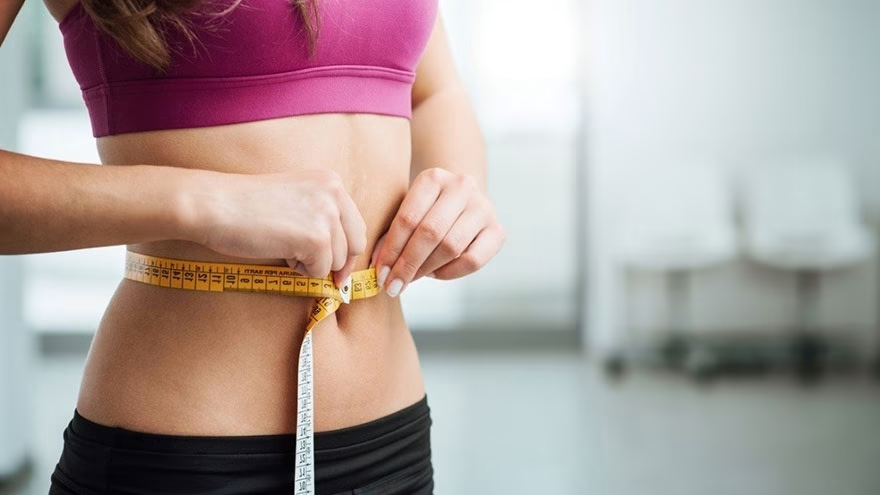
A sweat suit can make the scale drop quickly because it traps heat and increases fluid loss. That is not the same as losing ten pounds of body fat. Sweat suit weight loss is usually water, stomach contents, and short-term shifts in body fluid, which can return after drinking and eating. The safer answer to this title is blunt: do not chase a ten-pound drop in a sweat suit without medical supervision.
The old fight-week idea is built around making a weigh-in, not building health. Even in combat sports, aggressive cuts are managed by experienced teams because dehydration, heat illness, fainting, and poor judgment can happen fast. A recreational exerciser has no reason to copy that risk for a number on a bathroom scale.
If the goal is fat loss, the suit is the wrong tool. If the goal is a sport weigh-in, this article still should not be used as a cutting plan. It is a safety guide for understanding what the suit does and why the risk rises.
Why a Ten-Pound Drop Is Not Fat Loss
Ten pounds of fat cannot be burned in a single workout. A sweat suit reduces scale weight mainly by pushing the body to sweat while clothing blocks normal cooling. Once fluids and electrolytes are replaced, much of that weight can return.
CDC's healthy weight guidance says people who lose weight gradually, about one to two pounds per week, are more likely to keep it off than people who lose weight faster. Its steps for losing weight emphasize eating patterns, physical activity, sleep, stress management, and realistic goals rather than rapid dehydration.
Think of the scale as showing a body system, not a fat meter. Sweat, sodium, carbohydrate storage, bowel contents, menstrual cycle timing, and recent meals can all move the number. A sweat suit magnifies one variable: fluid loss.
That matters because fluid loss can reduce exercise performance and decision-making before a person feels truly sick. The most useful rule is do not confuse lighter with leaner.
Heat Risk Changes the Plan
Heat stress is not just an outdoor problem. A treadmill, warm room, hoodie, plastic suit, and hard effort can create a hot environment around the body. The clothing slows cooling while the workout adds metabolic heat.
CDC/NIOSH describes heat stress as a mix of metabolic heat, environmental heat, and clothing or protective equipment that increases heat storage in the body. Its heat stress guidance lists dehydration, physical exertion, health problems, certain medicines, pregnancy, and previous heat illness as risk factors.
Warning signs deserve immediate action. Stop if you feel dizzy, confused, chilled despite heat, nauseated, unusually weak, cramped, or unable to cool down. Chest pain, fainting, confusion, or signs of heat stroke call for emergency help.
Do not train alone in a sweat suit. Do not use one in a sauna, hot car, bathroom steam, or outdoor heat. Combining heat sources removes the margin you need when the body starts to struggle.
If You Still Use One, Keep the Session Conservative
The lowest-risk choice is to skip the suit and train in breathable clothing. If an adult still chooses to wear one after considering the risks, the session should be short, low to moderate in effort, and stopped at the first warning sign. The suit should never be paired with dehydration tactics, diuretics, laxatives, alcohol, or deliberate fluid restriction.
Use a talk test. If you cannot speak in short sentences, reduce effort or stop. A sweat suit can make a normal walk feel harder because heat, heart rate, and perceived effort climb together.
Simple movement is enough for conditioning. Livecub's basic aerobic steps article gives low-skill movement patterns that can be done without trapping heat. If joints or balance are limiting factors, Livecub's chair dancing guide is a better starting point than overdressing for a hard workout.
Set a hard time cap before you begin. Keep the room cool, keep water available, and leave the zipper or vents open if the suit has them. Conservative use means ending early on purpose, not waiting for the body to force the stop. Tell someone your plan before starting.
Hydration and Scale Checks
Weighing before and after exercise can show fluid change, but it should not become a challenge to lose more. A large drop during one session is a signal to rehydrate and recover. Dark urine, dizziness, dry mouth, confusion, and reduced urination are not badges of effort.
Mayo Clinic's dehydration overview lists adult symptoms such as extreme thirst, less urination, dark urine, tiredness, dizziness, and confusion. Thirst can lag behind need, especially in some older adults, so waiting until you feel thirsty is a poor plan in heat.
Replace fluids after training and include normal meals. If the workout was long, hot, or very sweaty, electrolytes may matter too, especially sodium. People with kidney disease, heart failure, high blood pressure, or fluid restrictions should ask a clinician before using electrolyte products.
Track recovery the next morning. Headache, unusually high resting heart rate, poor sleep, cramps, or heavy fatigue suggest the session was too much. A safer plan respects next-day feedback.
Safer Ways to Reduce Weight Over Time
For real fat loss, build a plan you can repeat for months. That usually means a modest calorie deficit, protein and fiber at meals, strength work, regular aerobic activity, sleep, and fewer high-calorie drinks. None of those is dramatic, which is why they work better.
If you like martial-arts style cardio, Livecub's Tae Bo weight loss guide can help you think about movement volume and pacing without adding heat-trapping clothing. The workout matters more than the costume.
Use process goals instead of a one-day scale demand. Examples include walking twenty minutes after dinner three times this week, preparing lunches at home, or doing two full-body strength sessions. These goals are measurable without pushing the body into dehydration.
Keep the feedback loop simple. Record body weight at the same time of day a few times per week, not every hour after sweating. Also track waist fit, workout consistency, sleep, appetite, and mood. A slower trend with better training is usually more useful than a dramatic one-day dip that leaves you flat.
Build meals around normal food before chasing supplements. A plate with lean protein, high-fiber carbohydrates, vegetables or fruit, and enough fluids supports training better than a punishment workout in plastic clothing. The best plan is boring enough to repeat.
For athletes who must make a weight class, the plan belongs with a qualified coach, sports dietitian, and medical staff. The best cuts begin long before weigh-in week. Last-minute sweat-suit sessions are a sign the earlier plan failed.
Skip the Suit in These Situations
Do not use a sweat suit if you are pregnant, under 18, sick with fever, hungover, taking medicines that affect heat tolerance or fluid balance, recovering from heat illness, or dealing with heart, kidney, blood pressure, or eating-disorder concerns. The same caution applies if you train in a hot or humid space.
Stop using the suit if it encourages secretive behavior, panic around the scale, or punishment workouts after eating. Those patterns are not training discipline. They are warning signs that the method is steering the goal in a harmful direction.
This article is for general information and is not medical advice. Ask a clinician about your own situation, especially if you have heart, kidney, blood pressure, pregnancy, heat illness, or medication concerns.
The most useful sweat-suit decision is often to hang it up. If you want lower body weight, use habits that change body tissue over time. If you want conditioning, wear clothing that lets the body cool and train well tomorrow.
Frequently Asked Questions
Can a sweat suit help me lose ten pounds in one day?
It may reduce scale weight through fluid loss, but that is not fat loss and can be dangerous. Do not attempt it without medical supervision.
Is sweat suit weight loss permanent?
No. Most of the drop returns when you drink, eat, and restore normal fluid balance.
What are the warning signs to stop exercising in a sweat suit?
Stop for dizziness, confusion, nausea, cramps, chills, weakness, chest pain, fainting, or an inability to cool down.
What should I do instead of using a sweat suit for fat loss?
Use a repeatable plan built on nutrition, regular activity, strength training, sleep, and gradual weekly progress.

Chiara Bradshaw
Covers education, culture and creative topics with an emphasis on readable explanations and verifiable references.

Leave a reply
Replying to