
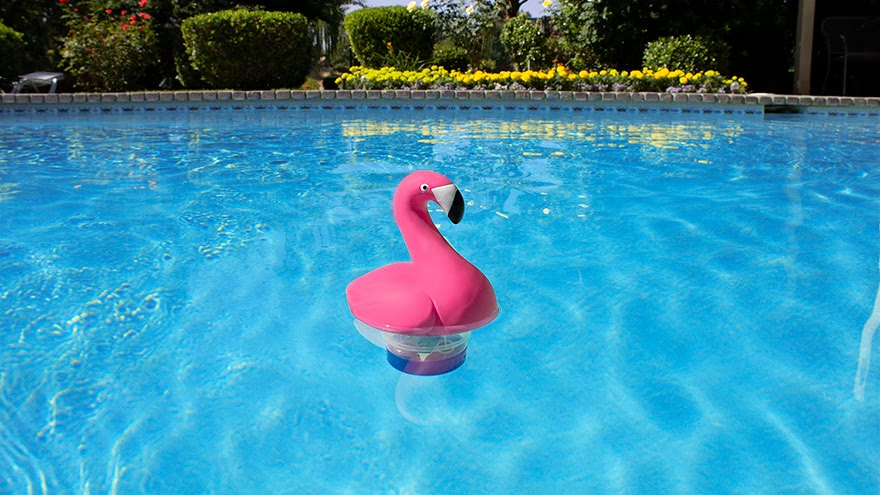
Pool Care Starts With Testing
Learning how to maintain a chlorine pool starts with testing, not guessing. Clear water can still be poorly balanced, and cloudy water can have more than one cause. A test kit or fresh test strips tell you what the water needs before you add chemicals.
Test more often during heat, heavy swimming, storms, pollen, leaves, and after adding water. A quiet covered pool needs less attention than a sunny family pool used every afternoon.
Do not add chlorine blindly when a test can guide the dose.
Know the Basic Targets
The CDC's home pool guidance on water treatment and testing says swimmers should use test strips to check disinfectant and pH. CDC guidance commonly points residential pool owners toward proper free chlorine and pH ranges before swimming.
Follow your product label, local code if the pool is shared, and the instructions for your specific sanitizer system. Saltwater pools still make chlorine, so they still need testing and balance.
Testing is the habit that keeps small pool problems small.
Keep pH in Range
pH affects swimmer comfort, equipment life, and how well chlorine works. If pH runs too high, chlorine becomes less effective and scale can form. If pH runs too low, water can irritate swimmers and damage surfaces or equipment.
Adjust pH in small steps and let the pump circulate before retesting. Large chemical swings can create new problems, especially in smaller pools or spas.
For a deeper chlorine-reading discussion, Livecub's total residual chlorine guide explains why chlorine numbers need context.
Choose the Right Chlorine Product
Liquid chlorine, tablets, granules, and salt systems all have different habits. Tablets can add stabilizer, liquid chlorine adds sanitizer without the same tablet routine, and granules may have their own handling rules. The right choice depends on pool size, sunlight, equipment, budget, and how often you can test.
Read the label before mixing any product with water or adding it to the pool. Store chlorine products dry, cool, upright, and away from acids, fuels, metal tools, and other chemicals.
Pool chemicals should be treated as chemicals, not household clutter.
Livecub's pool chlorine type guide can help compare products before you buy more than you need.
Run the Pump Long Enough
Chlorine needs circulation to move through the water. If the pump runs too little, dead spots can form and debris may sit long enough to feed algae. Filter run time depends on pool size, pump type, plumbing, sunlight, bather load, and season.
Watch the return flow, skimmer action, and filter pressure. Weak flow may point to a dirty basket, clogged filter, closed valve, air leak, or pump issue rather than a chemical problem.
Understand the Filter's Job
The filter removes particles that chlorine is not meant to handle by itself. Sand, cartridge, and DE filters all need different cleaning habits, pressure checks, and replacement schedules. Follow the equipment manual instead of treating every filter the same.
If pressure rises after cleaning, the water stays cloudy, or return flow weakens quickly, look beyond chemistry. A dirty or failing filter can make a balanced pool look neglected.
Clear water needs circulation and filtration, not only sanitizer.
Brush, Skim, and Vacuum
Chemistry cannot replace cleaning. Brush walls, steps, ladders, corners, and shaded areas where algae can start. Skim leaves before they sink, empty baskets, and vacuum when dirt settles on the floor.
A clean pool uses chlorine more efficiently because the sanitizer is not spending all its effort on leaves, sweat, sunscreen, and debris. Brushing also exposes early algae so chlorine can reach it.
Good brushing is quiet prevention.
Shock Only for a Reason
Shocking a pool can help after heavy use, algae signs, storms, fecal incidents, or combined chlorine problems, but it should not become a substitute for routine care. Follow the product label for dose, timing, pump operation, and reentry rules.
Do not let anyone swim until the water tests within the safe range for your pool and product. Night shocking is common because sunlight can burn off chlorine, but testing the next day is still needed.
Protect Cyanuric Acid Balance
Outdoor chlorine pools often use cyanuric acid, also called stabilizer, to protect chlorine from sunlight. Too little can let chlorine disappear quickly. Too much can make chlorine less responsive and create a need for partial draining or other correction.
Tablet-heavy routines can slowly push stabilizer higher. If the pool becomes hard to manage even when you add chlorine, test stabilizer before blaming the filter or adding more products.
Respond After Storms and Heavy Use
Storms can add rainwater, debris, pollen, soil, and windblown organics. Heavy swimming adds sweat, sunscreen, body oils, and more demand on chlorine. After either event, skim first, empty baskets, brush trouble spots, test the water, and let the pump run long enough to mix corrections.
Do not judge the pool only by the surface after rain. Leaves and grit may collect on steps, corners, and the deep end. Cleaning before chemical adjustment gives the test results a better chance to reflect the water itself.
Storm cleanup starts with debris before extra chemicals.
Watch Alkalinity and Calcium
Total alkalinity helps steady pH. Calcium hardness matters for plaster, concrete, and some equipment concerns. These readings do not need daily panic, but ignoring them for months can make pH control harder or surfaces less forgiving.
Test them on a reasonable schedule, especially after refilling, heavy rain, or unusual water behavior. Adjust one thing at a time so you can see what changed.
Handle Cloudy or Green Water Methodically
Cloudy water can come from low sanitizer, poor filtration, high pH, fine debris, algae starting, or heavy use. Green water often points toward algae, but testing still matters before treatment.
Start with a full set of readings, clean baskets, inspect the filter, brush surfaces, and correct chemistry in order. Do not pour in random clarifiers, algaecides, and shock products at the same time.
One measured fix beats five guesses.
Keep Chemicals Safe
The EPA's advisory on swimming pool chemicals and chlorine warns that pool chemicals can create hazards when handled or stored poorly. Keep products in original containers with labels readable.
Never mix chlorine products with acids or other cleaners. Add chemicals according to the label, keep children away from storage areas, and avoid breathing fumes when opening containers.
Use a Weekly Maintenance Pattern
A simple weekly rhythm works better than occasional rescue work. Test chlorine and pH, skim, brush, empty baskets, check filter pressure, inspect equipment, and look for early algae. Add longer checks for stabilizer, alkalinity, and calcium on a schedule that fits your pool.
The Pool & Hot Tub Alliance's pool maintenance guidance also frames pool care as a mix of testing, cleaning, circulation, and chemical balance.
If you live in a townhome community with a shared pool, responsibility may sit with an HOA or contractor. Livecub's townhome guide explains why shared amenities should be reviewed through community documents.
Keep a Pool Log
A small notebook or phone note can prevent repeated mistakes. Record test results, chemicals added, filter pressure, cleaning dates, heavy swimmer days, storms, and anything unusual. Patterns become easier to see after a few weeks.
If the pool keeps turning cloudy every Friday, the log may show heavy use, short pump time, or missed brushing. If pH drifts upward every week, the answer may be routine adjustment rather than a new product.
Know When to Pause Swimming
Swimming should wait when chlorine or pH is outside the safe range, after certain chemical additions, during poor visibility, after fecal incidents, during electrical storms, or when the water looks unsafe. A clear rule prevents pressure from guests who only see a blue pool.
Post the rule for family members or renters if needed. The pool owner is responsible for more than water that looks inviting.
Frequently Asked Questions
How often should I test a chlorine pool?
Test chlorine and pH several times a week during swim season, and more often after heavy use, storms, heat, or chemical additions.
Why is my pool cloudy even with chlorine?
Possible causes include poor filtration, high pH, fine debris, early algae, heavy swimmer load, or chlorine that is not working effectively.
Can I swim right after adding chlorine?
Follow the product label and test before swimming. Wait until chlorine and pH are within the safe range for your pool.
Do saltwater pools need chlorine maintenance?
Yes. Salt systems generate chlorine, so the pool still needs testing, pH control, cleaning, circulation, and equipment checks.

Alyssa Curlin
Edits general health, nutrition and education explainers. Medical topics are educational and link to public-health guidance.


Leave a reply
Replying to