

PTA events work when they make family-school connection easier. They fail when a few volunteers carry a vague idea until everyone is exhausted.
A stronger event starts with a reason, written approval, a realistic budget, small jobs, and a plan for families who may not already feel included.
Start With A Family-School Goal
National PTA's family-school partnership standards frame families as essential partners in student success: National PTA family-school partnerships. A PTA event should support that partnership, not just fill a calendar.
Pick one lead goal: welcome new families, raise funds, share learning, build community, recruit volunteers, or celebrate students.
Get Approval Before The Flyer

California State PTA's event toolkit advises early planning, approval from PTA leadership and school representatives, calendar checks, and budget approval: California State PTA event planning. Announcing first and asking later creates avoidable stress.
Write the date, space, budget, lead volunteer, and decision owner before recruiting helpers.
Plan For Parent Engagement
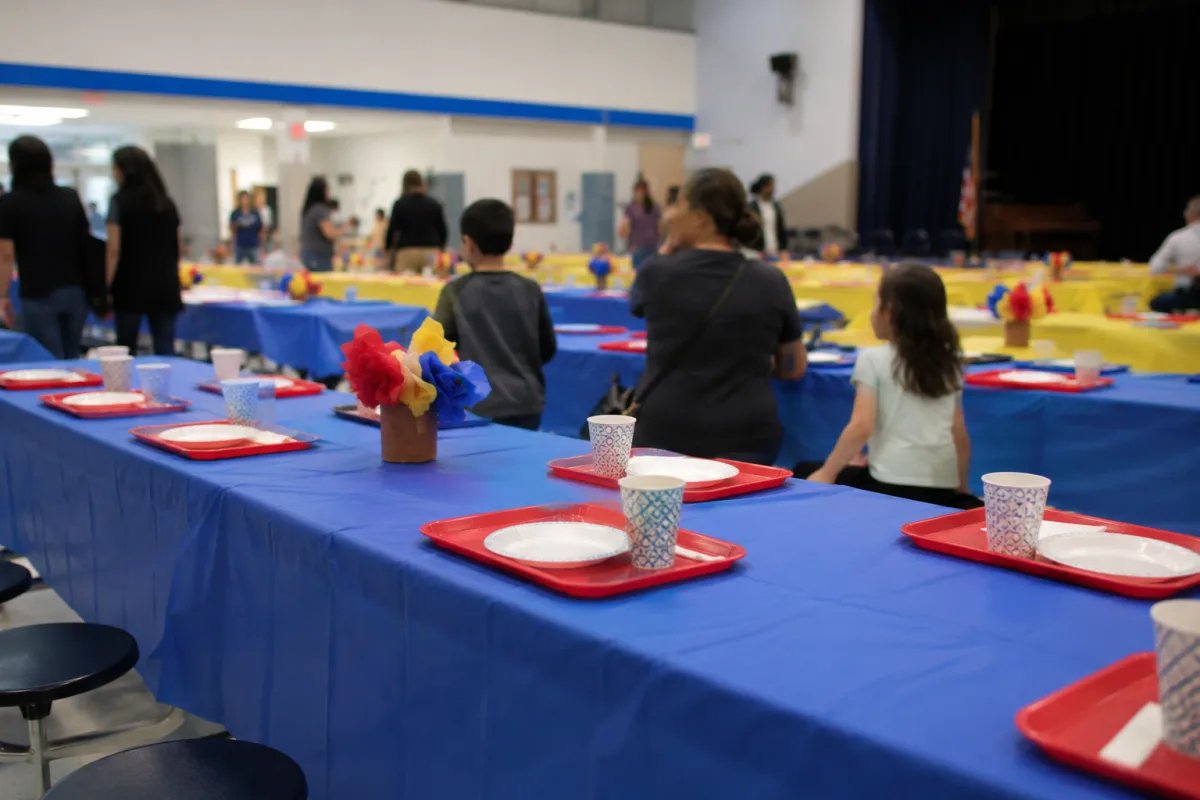
CDC's Parents for Healthy Schools resources describe how parent engagement can support children's health and learning: CDC parent engagement resources. PTA events work best when families are contributors, not only attendees.
If younger siblings attend, Livecub's guide to toddler tantrum planning may help volunteers plan a calmer child-friendly corner.
Make Food And Space Practical
If the event includes refreshments or a bake sale, Livecub's guide to cookie display ideas can help presentation stay organized while allergies and school rules are handled separately.
Family events also need safety basics; Livecub's guide to baby-proofing your home can help volunteers think room-by-room.
Use Small Volunteer Jobs
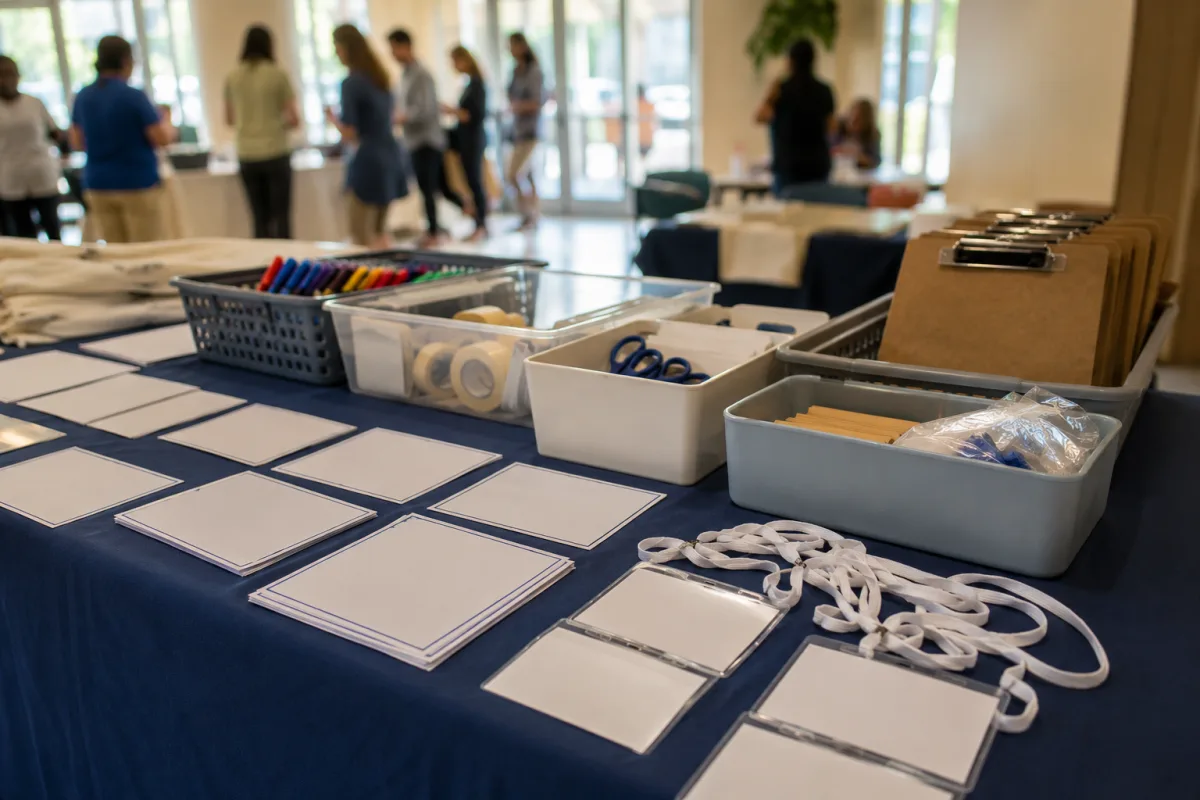
Break work into setup, check-in, translation, photos, food, cleanup, supplies, and follow-up. If the event format needs group participation, Livecub's guide to interactive event ideas can be adapted for family-friendly engagement ideas.
A person who cannot chair an event may still be able to handle one clear thirty-minute job.
Begin With The Reason
For how to plan pta events, a clear reason keeps the event from becoming busywork. Decide whether the goal is connection, fundraising, learning, volunteer recruitment, appreciation, or student support.
One event can serve more than one purpose, but one purpose should lead.
Get Approval Early
Check the principal, PTA board, calendar, budget process, insurance, building use rules, and district policy before announcing anything.
Early approval prevents last-minute cancellations and protects volunteers from carrying risk they did not know existed.
Make The Event Easy To Attend
Families may be dealing with work schedules, transportation, language barriers, disability access, younger siblings, food cost, or uncertainty about whether they belong.
A good plan answers those barriers before the invitation goes out.
Use Roles Instead Of Hero Volunteers
Break work into small jobs: check-in, setup, cleanup, translation, food table, quiet room, signage, photos, supplies, and follow-up.
People are more likely to help when the task has a start, finish, and clear owner.
Plan Safety And Supervision
Family events need traffic flow, emergency contacts, allergies, bathroom access, student supervision, and a plan for younger siblings.
Safety planning should be written down, not passed along verbally on event night.
Keep Money Transparent
If money is collected, document the budget, approvals, receipts, cash handling, reimbursements, and final count.
Transparent money handling protects trust and makes next year's event easier to plan.
Communicate In More Than One Way
Use flyers, email, text, school apps, teacher reminders, and translated notes when possible. One channel misses families.
The invitation should say what will happen, who can come, what it costs, and whether food or childcare is available.
Debrief While It Is Fresh
Within a week, write down attendance, spending, volunteer notes, problems, and what should change next time.
A short debrief turns one event into a better repeatable system.
Write The Plan In One Shared Place
A PTA event needs one working document for date, time, budget, approvals, roles, supplies, vendor contacts, access needs, and day-of schedule.
When the plan lives in one place, new volunteers can join without relying on private messages or one person carrying every detail.
Make Family Access A Planning Item
Access should be planned early: language support, disability access, parking, childcare, food cost, allergy notes, quiet areas, and whether families can arrive late.
Those details affect who feels welcome. They also reduce last-minute decisions that can leave volunteers guessing.
Keep The Budget Boring
Event money should be easy to explain. Track approvals, estimates, receipts, donations, reimbursements, cash handling, and who is allowed to spend.
A clear budget protects trust and keeps the next committee from repeating the same confusion.
Prepare A Day-Of Run Sheet
The run sheet should list setup time, volunteer arrival, doors opening, activity order, cleanup, emergency contact, and who makes decisions when something changes.
Print or share it before the event. People are calmer when they know what is supposed to happen next.
Plan For Lower Attendance Too
Not every event will draw a crowd. Decide what success looks like if fewer families come: stronger volunteer ties, useful feedback, student support, or a plan to try again differently.
A smaller event can still be worth doing when it teaches the PTA what families need.
Hand Off The Lessons
After How to Plan PTA Events, save the budget, attendance notes, supplier list, timeline, photos if allowed, and what should be changed next time.
Good handoff notes keep the work from starting over each year. They also help new volunteers feel useful sooner.
Prepare A Backup Version
Have a smaller version ready before event week. Bad weather, low sign-ups, volunteer illness, supply delays, or building conflicts should not erase the whole plan.
The backup might shorten the schedule, move one activity indoors, reduce food, combine stations, or shift a fundraiser into a take-home format.
Close The Loop With Families
After the event, tell families what happened next: money raised, supplies collected, students served, volunteers thanked, or changes planned from their feedback.
This follow-up is part of trust. Families are more likely to attend again when they can see that their time mattered.
Keep One Short Note
After reading, write a short note in your own words: what is known, what is uncertain, what you plan to do next, and who needs to know.
This step turns a long article into a decision you can revisit. If the note feels unclear, the next action probably needs to be smaller.
Decide What Can Wait
Not every detail needs action today. Sort the issue into now, soon, and later so urgent items do not get buried under shopping, planning, or worry.
The now list should be short. It may be one call, one measurement, one question, one appointment, one safety change, or one honest conversation.
Watch For The Exception
General advice works only until an exception appears. Pain, safety concerns, money limits, school rules, medical history, family conflict, or access barriers can change the right answer.
Name the exception early. A plan that ignores the hardest detail usually fails at the exact moment it is needed.
Share Only What Helps
Advice from family, friends, social feeds, and forums can be kind, but too many opinions can blur the next step. Share the question with people who can help without taking over.
If a conversation leaves you more confused, return to the facts, the timeline, and the professional or local rule that actually applies.
Remove The Extra Work
How to Plan PTA Events should not create a second full-time job. Remove steps that are decorative, repetitive, unsafe, unaffordable, or based only on pressure.
A smaller plan that gets done is better than a perfect plan that stays in notes. Practical usually wins because people have real limits.
Recheck After New Information
The right answer for how to plan pta events can change after a test result, phone call, meeting, appointment, new symptom, budget change, or family update.
Set a point to recheck instead of carrying old advice forward. The best plans stay editable.
Frequently Asked Questions
How early should PTA event planning start?
Start as early as possible, especially when school approval, budget, space, food, or volunteers are needed.
What should a PTA event plan include?
Include the goal, date, space, budget, approvals, volunteer roles, safety plan, communication, and debrief.
How do we get more volunteers?
Offer small jobs with clear time limits instead of asking for open-ended help.
How can events be more inclusive?
Consider cost, timing, language, access, childcare, transportation, food rules, and whether families feel welcome.
What should happen after the event?
Record attendance, expenses, problems, volunteer notes, and changes for next time.
This article is for general information only and isn't a substitute for medical advice. Talk to a clinician who knows your full history before making changes.

Timothy Davidson
Edits step-by-step general-interest guides for clarity, realistic limits and source verification.




Leave a reply
Replying to