
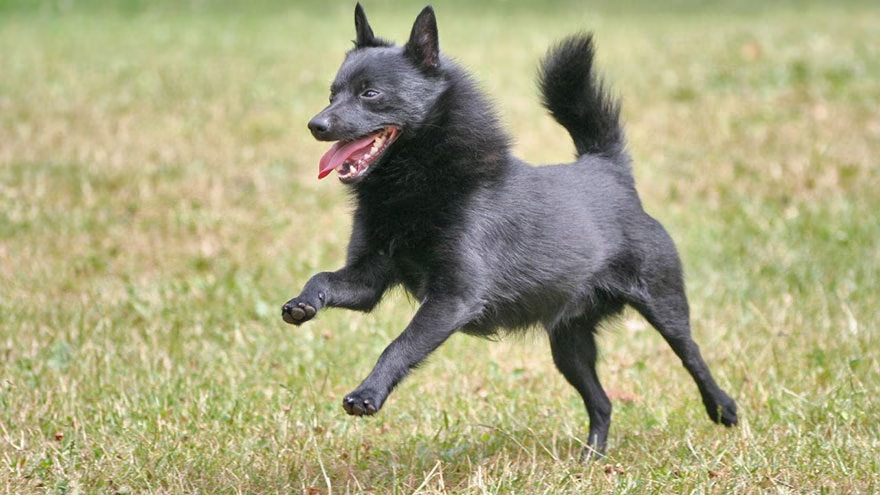
A Schipperke puppy should look curious, busy, and sturdy, but the breeder matters more than the sparkle in the photo. The breed is small, black-coated, active, and famously watchful. Owning A Schipperke : Breeder Recommendations should therefore start with a simple buyer question: can this breeder show health testing, stable temperaments, and puppies raised for real homes?
Schipperkes are not tiny background dogs. They are alert companions with strong opinions, quick reactions, and a need for training. A weak breeder can leave you with a dog that barks at everything, bolts through doors, or resists handling. A careful breeder gives you better odds: sound parents, thoughtful placement, early socialization, and honest warnings about the breed.
What Should You Know About Schipperkes Before Buying?
The American Kennel Club describes the Schipperke as curious, lively, intense, and watchful. That is not decorative language. It tells you the breed needs mental work, door manners, recall training, and a home that enjoys a clever dog. A bored Schipperke can create its own job, usually one the owner does not appreciate.
Small size can mislead buyers. A Schipperke may fit in an apartment, but it still needs exercise and boundaries. If you are comparing other small alert breeds, Livecub's Miniature Schnauzer questions are useful because both breeds can be lively watchdogs in compact bodies.
Ask yourself whether you enjoy training a dog that notices everything. The right owner finds that funny and channels it into games, walks, and rules. The wrong owner expects the dog to sit quietly in the background while the household stays busy. A Schipperke usually has opinions about that plan.
Which Health Questions Should A Schipperke Breeder Answer?

Ask about health tests before asking about pickup dates. The Orthopedic Foundation for Animals lists Schipperke CHIC requirements including eye exams, patella evaluation, and MPS IIIB DNA testing. A serious breeder should know those terms, explain the results, and provide names or numbers you can verify. If the answer is "the vet said they are healthy," keep asking.
The Schipperke Club of America also maintains breed health resources and breeder information. Use parent-club guidance as a baseline. No breeder can promise a problem-free dog, but a responsible breeder can show what was checked, what risks remain, and why the pairing made sense. Silence around genetic disease is not a reassuring sign.
Health testing also protects the buyer from vague optimism. A seller may genuinely love the dogs and still make poor breeding choices. Records give you something stronger than charm: dates, names, results, and a way to compare claims with reality.
How Do You Evaluate Temperament In This Breed?
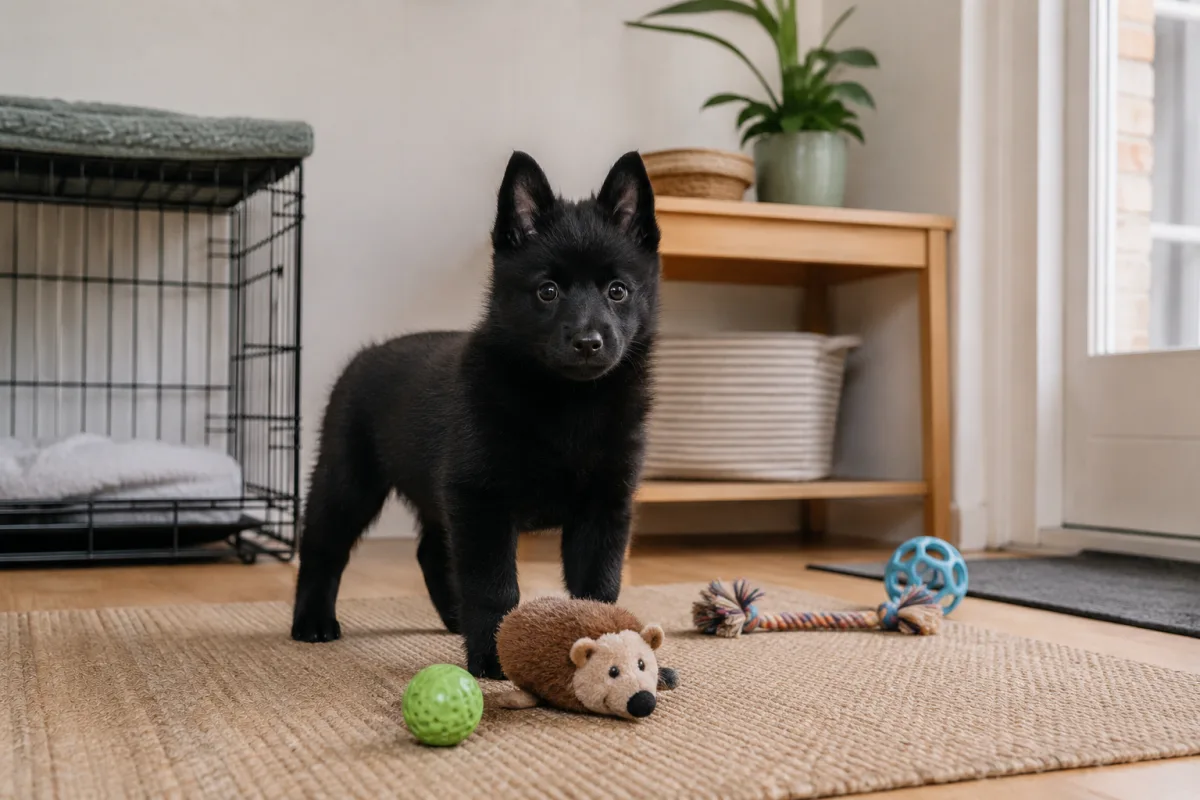
Ask to meet the mother if possible and ask detailed questions about the father. Watch recovery, not just excitement. A puppy that startles at a dropped object and then investigates is different from one that panics and stays shut down. A watchful breed should be alert without being frantic.
Good breeders expose puppies to normal life: surfaces, crates, grooming touch, household sounds, visitors, safe outdoor time, and short separations. They should also describe each puppy differently. If every puppy is "perfect for anyone," the breeder has not done the temperament work. For another breed where breeder matching matters, Livecub's Brittany Spaniel breeder recommendations show the same placement logic.
Ask what the breeder does with the pushy puppy and the cautious puppy. A thoughtful answer may include separate handling, different social setups, and matching to different homes. A vague answer tells you the breeder may be watching the litter, but not really evaluating it.
What Red Flags Should Make You Walk Away?
Walk away from sellers who always have puppies, avoid health testing, refuse questions, hide adult dogs, push shipping before screening, or sell mainly on rarity. Be cautious with breeders who cannot explain barking, escape risk, grooming, or training needs. A Schipperke is small enough to be sold casually, but the consequences of poor breeding are not small.
Also watch the environment. Puppies should be clean, curious, and comfortable with normal handling. They should not smell strongly of urine, have runny eyes, or seem terrified of people. The breeder should care where the puppy goes. If the only requirement is payment, the dog is being treated like inventory.
Deposit pressure is another warning. A careful breeder can have a wait list, but urgency should not replace screening. If you are told several other buyers are ready and you must pay before seeing records, step back. Good breeders do not need panic to place good puppies.
How Should You Prepare For Training And Daily Life?
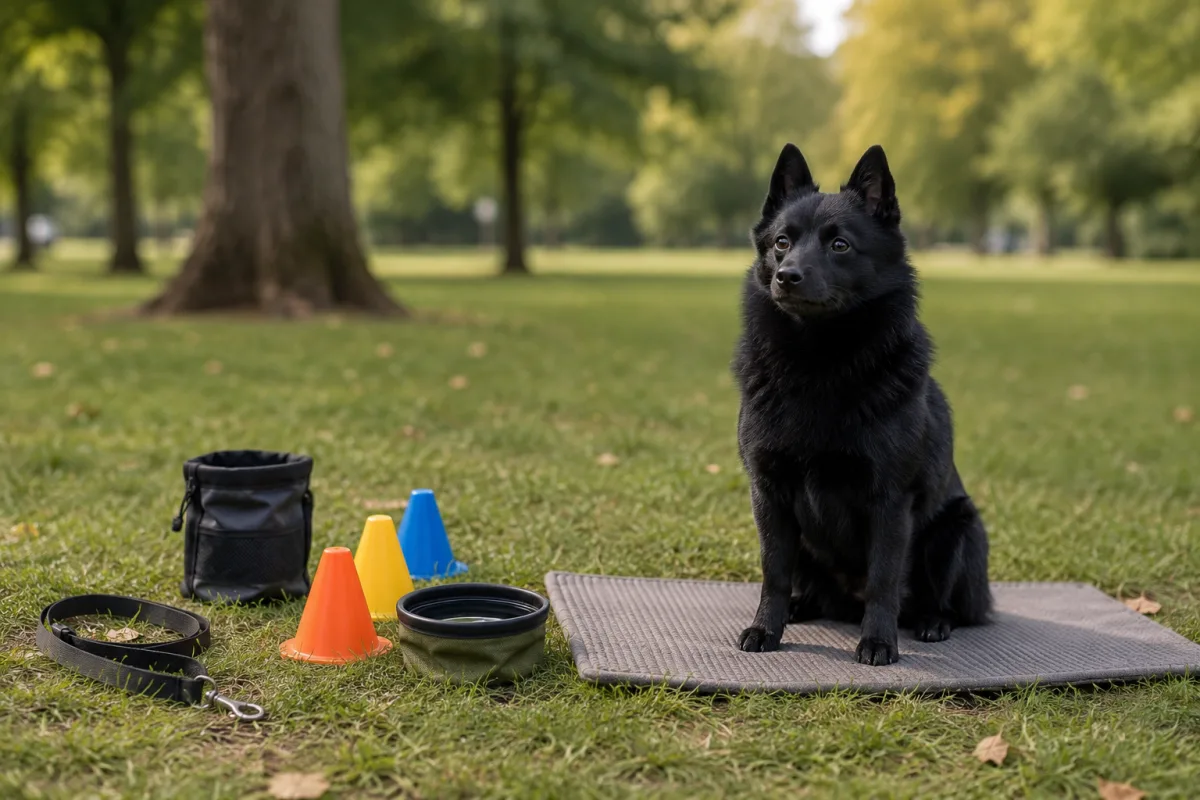
Plan training before the puppy comes home. Teach name response, recall, quiet, leave it, drop it, place, crate comfort, and polite door behavior early. Schipperkes can be fast learners, but speed is useful only if the household is consistent. Everyone should use the same door rules and reward calm choices.
Exercise should mix walks, sniffing, games, and problem-solving. A yard helps, but it is not a training plan. Some Schipperkes enjoy agility, tricks, scent games, and structured play. If you want a calmer small dog with different coat and temperament demands, Livecub's Lhasa Apso questions may help you compare before committing.
Plan for management around doors and fences. Schipperkes can be quick and curious, so a dropped leash or open gate can become a real problem. Practice waiting at thresholds, use baby gates during puppyhood, and reward check-ins before the dog learns that darting out starts an adventure.
Noise management should start early too. Reward the dog for noticing a sound and then turning back to you. Do not yell over barking; that often adds energy. Teach a quiet cue after the first alert, then redirect to a mat, chew, or simple training game. A watchdog needs an off switch.
Prepare the house before pickup: secure trash cans, close gaps under gates, pick up cords, and decide where the puppy will rest away from visitors. Schipperkes investigate fast. A safe setup prevents the first month from becoming a series of scoldings. It also protects the puppy from rehearsing bad household habits.
What Should The Contract And Support Include?
The contract should cover health records, registration, return policy, spay or neuter terms if any, breeding rights if any, microchip, vaccination schedule, and what happens if you cannot keep the dog. Many good breeders want the dog returned to them rather than surrendered elsewhere. That clause protects the dog.
Ask about support after pickup. Will the breeder help with grooming questions, training problems, diet transition, and health concerns? A breeder who disappears after payment was not really breeding for lifelong homes. A breeder who wants updates and answers questions can be a useful guide during the first year.
Clarify registration and breeding rights before emotions take over. Most pet puppies are sold with limited registration or a no-breeding agreement. That is normal when the breeder is protecting the line. If you want to show or breed later, say so early and expect a much more detailed conversation with records in writing.
Finally, ask what support looks like if behavior gets hard. A breeder who knows the line may recognize whether barking, possessiveness, or fearfulness is normal puppy adjustment or a problem needing a trainer. That early interpretation can save months of guessing.
Frequently Asked Questions
Are Schipperkes good first dogs?
They can be, but only for owners who enjoy training, alert behavior, and a busy small dog. They are not passive lap dogs.
Do Schipperkes bark a lot?
They can be vocal because they are watchful. Early quiet training, exercise, and window management help.
What health tests should I ask about?
Ask about OFA/CHIC testing, including eye, patella, and MPS IIIB DNA testing, then verify records where possible.
Can Schipperkes live with other pets?
Some do well with careful introductions. Ask the breeder about prey drive, same-sex dog issues, and how the puppy behaves with other animals.
How do I know the breeder is honest?
Honest breeders answer hard questions, show records, know adult temperaments, screen buyers, and explain the breed's downsides.
What Is The Best Buying Decision?
Choose the breeder who tells you the whole truth: health tests, energy, barking, training, grooming, and what can go wrong. A Schipperke can be a sharp, funny, devoted companion, but only if the puppy starts with a breeder who cares about the dog long after the sale.

Chiara Bradshaw
Covers education, culture and creative topics with an emphasis on readable explanations and verifiable references.



Leave a reply
Replying to