
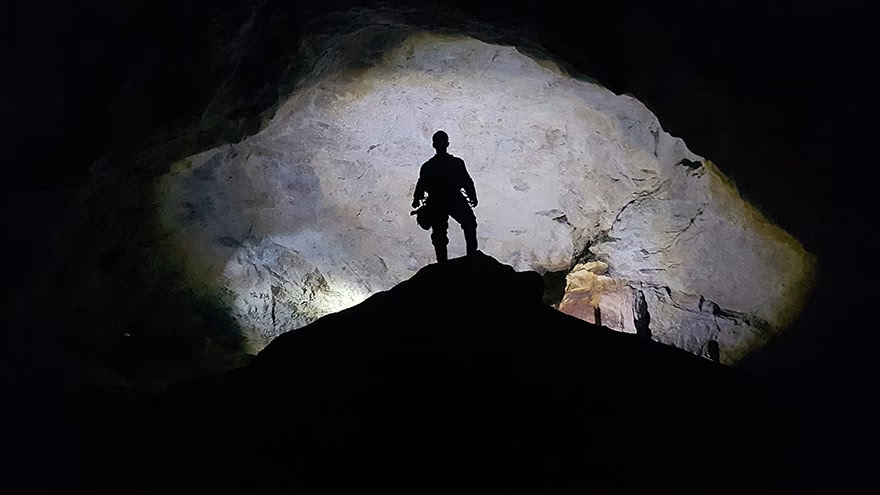
China is a major karst destination
China has some of the world's best-known karst landscapes, with caves, towers, sinkholes, underground rivers, and show-cave systems in several regions. For travelers, spelunking in China can range from guided tourist caves to technical expeditions that require local permission and expert support.
The scale is part of the appeal, but it also means planning matters. Language, transport, permits, weather, and conservation rules can shape the trip as much as the cave itself.
Know the main cave regions
Guangxi, Guizhou, Yunnan, Chongqing, and parts of Hunan are often associated with karst scenery and cave travel. The UNESCO page for the South China Karst gives useful background on why these landscapes are globally significant.
Tourist-friendly caves may have lights, paths, and guides. Wild caves are a different category. Do not assume that a region famous for caves is open for independent exploration.
Use guides for anything beyond show caves
If the cave is not a managed visitor site, use a reputable local guide or expedition organizer. They can help with access, translation, land rules, weather timing, and emergency planning. Independent entry can create legal and safety problems.
Ask what gear is provided, what language support exists, how many people are in the group, and whether the route involves water, ladders, crawling, or vertical sections.
Check travel advisories and entry rules
Before booking, review current destination information through official sources such as the U.S. State Department China page at Travel.State.Gov. Entry, health, political, and safety conditions can change.
Also confirm passport validity, visa rules, local registration requirements, and whether your itinerary enters restricted areas. Cave travel sometimes reaches rural zones where logistics are less forgiving.
Treat show caves and wild caves differently
Show caves can be impressive and still physically easy, with lights, stairs, railings, and set routes. Wild caves may involve darkness, mud, water, narrow passages, rope skills, and route-finding. The word cave does not tell you enough.
If you are new to caving, start with managed caves. Save technical routes for trips led by people who know the cave, the rescue realities, and the local rules.
Prepare for humidity and water
Many cave areas in southern China are humid, rainy, and slippery. Bring shoes with grip, quick-drying layers, a waterproof bag, and a plan for wet gear. Underground rivers and seasonal flooding can change access fast.
Do not enter a cave during heavy rain or when guides warn about water. A dry passage can become dangerous if the drainage system changes upstream.
Respect conservation rules
Karst caves can hold delicate formations, wildlife, sediments, and cultural history. Touching formations, leaving trash, using bright lights recklessly, or wandering off route can cause damage that lasts far longer than the trip.
General cave safety guidance from the National Park Service at nps.gov is useful even when traveling outside the United States. The habits are similar: stay with the group, carry light, and leave the cave as found.
Plan the outdoor day around the cave
Cave trips can take more energy than expected. Stairs, humidity, transport, and darkness can leave people tired even when the distance is short. Avoid stacking a hard cave visit with a long overnight train or a full hiking day unless everyone is ready.
Travel planning lessons from other outdoor routes, such as visiting remote landscape sites, apply here: check access, weather, distance, and what happens if the plan changes.
Use local travel support wisely
A bilingual guide, hotel desk, licensed tour office, or local outdoor club can help verify transport and access. Ask for written meeting points, pickup times, and what is included. Save addresses in Chinese as well as your own language.
If your wider trip includes city shopping, scenic walks, or other stops, keep the cave day simple. Internal travel ideas like shopping-focused trip planning are useful only if they do not crowd the cave day.
Know when to skip a cave
Skip the cave if weather is bad, the operator is vague, required gear is missing, your group is exhausted, or you feel pressured into a route you do not understand. There will be other travel days.
A safe trip report is better than a dramatic story. Caving rewards patience, humility, and good local information.
Build extra time into rural transport
Many cave regions require a mix of trains, buses, vans, taxis, or guided transfers. Rural roads, weather, and language barriers can add time. Do not schedule a cave trip so tightly that one delay threatens a flight or long-distance train.
Buffer time is safety planning. It gives the group room to eat, rest, confirm details, and turn back if conditions change.
Clarify what the guide means by cave
Ask whether the route is a lit show cave, a walking cave, a wet cave, a vertical cave, or a wild cave with crawling. Those are very different days. Photos can be misleading if they show only the prettiest chamber.
Good questions prevent bad surprises. Ask about helmets, lights, water depth, toilets, return time, and who handles emergencies.
Use written addresses and offline tools
Save hotel addresses, cave names, pickup points, and emergency contacts in Chinese and offline. Phone service can be uneven in rural areas or inside valleys. A screenshot can help a driver or guide even when translation apps fail.
Carry a power bank and keep one phone dry. Navigation tools only help if they still have battery.
Add one low-key travel day afterward
A cave trip can leave shoes wet, legs tired, and schedules stretched. Plan the next day with lighter activities such as a town walk, market visit, museum, or scenic viewpoint rather than another demanding route.
This same pacing idea applies to desert and river-town travel, including routes like things to see around Laughlin. The location changes, but recovery still shapes the trip.
Avoid collecting, carving, or touching formations
Stalactites, flowstone, crystals, fossils, and sediments are not souvenirs. Touching can stain or damage surfaces, and collecting can be illegal. Stay on route and follow guide instructions even when a formation looks sturdy.
The best cave visit leaves almost no sign. Take photographs where allowed, then leave the cave intact for the next person.
Think about insurance and rescue limits
Adventure activities may not be covered by ordinary travel insurance, especially if the cave is technical or unguided. Read policy language before the trip and ask the operator what emergency support exists in that region.
Rescue is not the same everywhere. Remote terrain, language, and access can slow help.
Keep food and stomach safety simple
Before a cave day, eat familiar foods and carry water. Heavy, unfamiliar meals right before crawling, stairs, humidity, or a long transfer can make the day harder. Save adventurous meals for after the route.
Comfort supports judgment. A traveler who feels sick or dehydrated makes poorer decisions underground.
Respect local site meaning
Some cave areas may have cultural, religious, scientific, or community value beyond tourism. Follow signs, guide instructions, and local customs. Do not treat every opening as a playground.
Responsible travel means recognizing that a cave can be a landscape, habitat, workplace, and heritage site at the same time.
Confirm photo rules before entering
Some caves allow photography, some restrict flash, and some limit equipment. Ask before setting up lights, tripods, or drones. Rules may protect formations, wildlife, visitor flow, or cultural features.
Travel is easier when expectations are clear. A few respectful photos are better than causing conflict underground.
Keep the cave day focused
Do not treat the cave as one small stop between many errands. Transport, guide briefings, gear, humidity, and walking can fill more of the day than expected.
A focused cave day leaves time for delays and reduces the chance of making rushed decisions in an unfamiliar place.
Frequently Asked Questions
Can tourists go spelunking in China?
Yes, but the safest option is usually a managed cave or a guided trip. Independent wild-cave exploration can involve permits, language barriers, and rescue challenges.
Book with reputable operators and ask detailed questions before paying.
What areas of China are known for caves?
Karst regions in Guangxi, Guizhou, Yunnan, Chongqing, and nearby areas are well known for cave and limestone landscapes.
Specific access varies by site, season, and local rules. Famous scenery does not mean every cave is open.
What should I bring?
For a managed show cave, sturdy shoes and layers may be enough. For a guided wild-cave trip, ask the operator about helmets, headlamps, gloves, waterproof bags, and clothing.
Carry your passport copy, emergency contacts, water, and any medication you need for the day.
Is cave travel in China safe?
It can be safe when planned through reliable guides, current travel checks, and suitable routes. Risk rises with bad weather, vague operators, missing gear, and independent entry.
Choose the cave that fits your experience, not the one that sounds most dramatic.

Linda Fehrman
Edits general wellness and relationship explainers. Health material is educational, avoids diagnosis and links to health-authority guidance.



Leave a reply
Replying to