
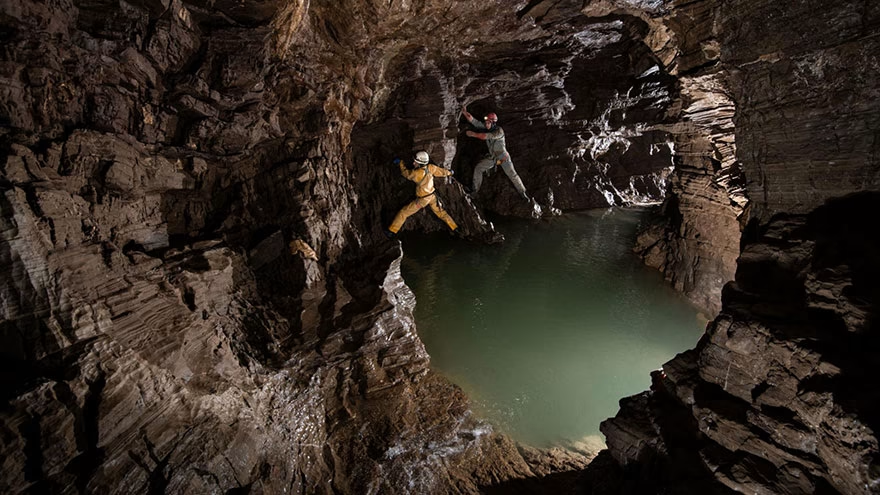
Texas has show caves, wild-cave tours, limestone passages, bat habitat, and private cave systems, but spelunking is not the same as walking into a roadside attraction. Good spelunking in Texas starts with legal access, guided options, helmets, lights, groups, weather checks, and respect for cave conservation. The cave does not care how brave you feel at the entrance.
What does spelunking mean in Texas?
Spelunking usually means recreational cave exploration. In Texas, that can range from a guided walking tour in a developed cave to a crawling wild-cave tour led by trained staff. The right choice depends on experience, fitness, comfort in tight spaces, and whether the cave allows public access.
Texas Parks and Wildlife manages several cave-related state park experiences, including Longhorn Cavern and Kickapoo Cavern. The TPWD Longhorn Cavern page is a good example of a developed cave visit with official tour information.
If you like unusual landscapes, Livecub's Spiral Jetty travel guide shows the same travel habit: check access and conditions before treating a remote or fragile place like a casual stop.
Is spelunking different from a cave tour?
Yes. A cave tour usually follows a managed route with staff, rules, and known hazards. Spelunking or caving can involve crawling, climbing, mud, route-finding, tight spaces, and self-rescue planning. The words get mixed in casual travel writing, but the risk level can be very different.
Beginners should treat guided walking tours as training wheels, not as a lesser experience. They teach cave temperature, footing, darkness, and conservation in a controlled setting. That context helps you decide whether a harder trip sounds exciting or miserable.
Choose the trip by risk, not by the most dramatic photo.
Where can beginners try Texas caves?
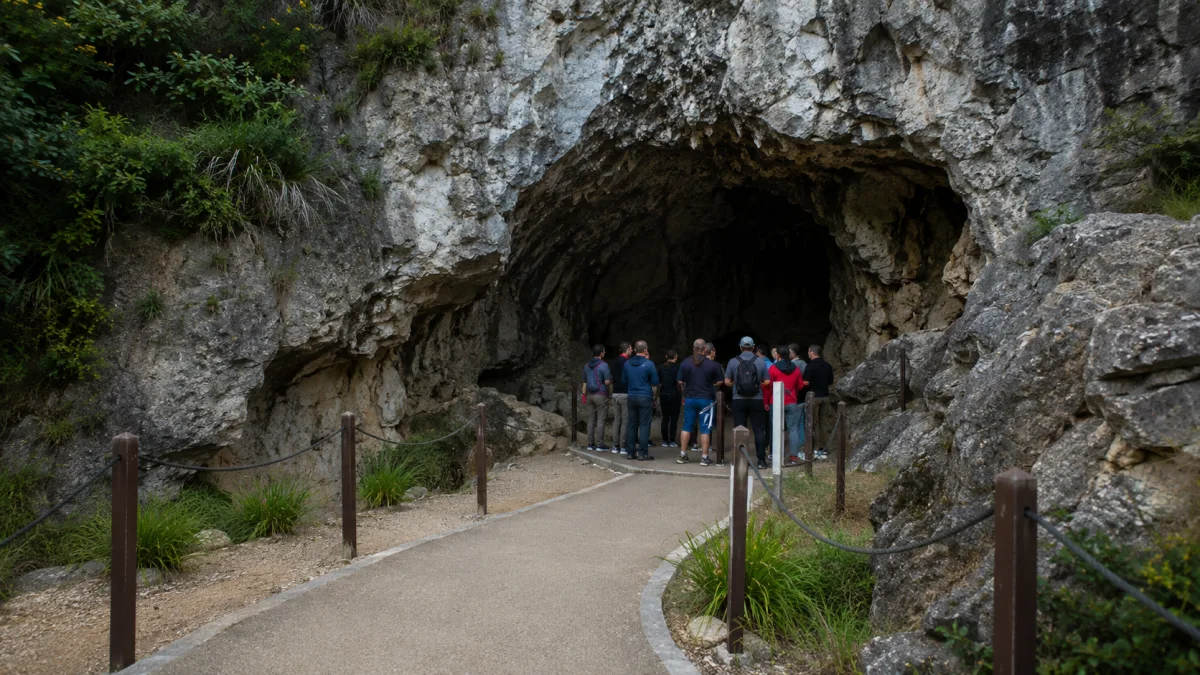
Beginners should start with official tours. Developed cave tours teach basic cave temperature, lighting, footing, and conservation without requiring technical skills. They are also legal, scheduled, and managed for visitor safety.
Longhorn Cavern State Park offers guided cave tours through an official concessionaire. Other public cave experiences in Texas may include guided walking tours, educational tours, or limited wild-cave options depending on season and staffing. Always check the current official page before driving.
Do not enter random openings. Many caves are on private land, protected land, or unsafe terrain. Trespassing, unstable rock, poor air, flooding, and getting lost are real risks.
Private land is a major issue in Texas. A cave entrance on a ranch, roadside, or undeveloped parcel is not an invitation. Permission, liability, conservation, and rescue access all matter before anyone steps underground.
What is Kickapoo Cavern like?
Kickapoo Cavern State Park is a more remote state park with cave resources and rugged outdoor conditions. TPWD describes the park as having over 20 known caves and offers guided tours for Kickapoo Cavern at scheduled times.
The TPWD Kickapoo Cavern page should be checked for current tour schedules, closures, heat, water, and access details. Remote parks require more planning than a city attraction.
Remote means fewer backups. Bring water, fuel, sun protection, and enough time to arrive before the tour. Do not count on cell service solving a late or underprepared trip.
What gear do you need for real caving?
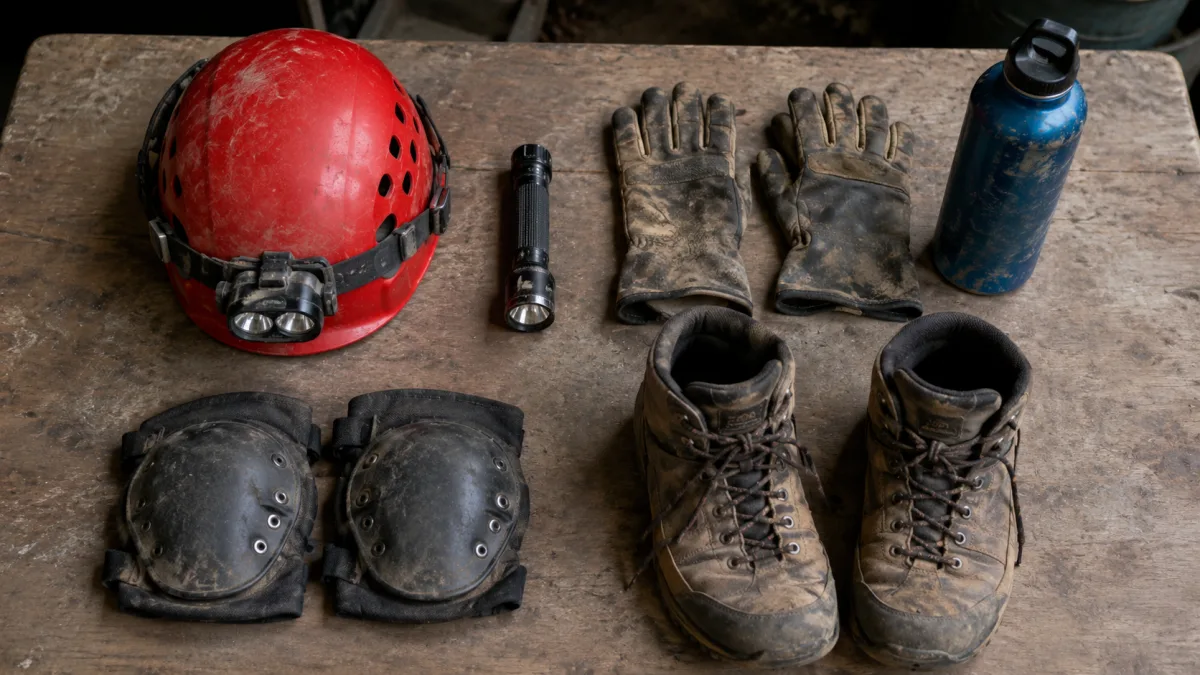
For a developed walking tour, follow the site's requirements: closed-toe shoes, weather-appropriate clothing, and no loose gear that can fall or snag. For wild-cave tours, requirements may include helmet, lights, gloves, sturdy clothing, knee protection, and a guide.
The National Speleological Society's responsible caving guidance says cavers should have proper equipment and travel with experienced people. The NSS responsible caving guide is useful because it treats caves as fragile places, not playground equipment.
Bring more than one light for non-developed cave trips. A phone flashlight is not a caving plan. Darkness in a cave is total.
How do you handle tight spaces and fear?
Be honest before booking. If elevators, crowds, or tight hallways make you panic, a wild crawl may be too much for a first trip. Start with a developed cave tour and see how you react to darkness, enclosed space, and uneven footing.
Tell the guide if you are nervous. A good guide would rather know early than discover the problem in a narrow passage. Do not pressure a friend or child to continue if fear becomes overwhelming.
Turning around is a skill. Caving rewards people who make calm decisions before pride takes over.
How do weather and flooding affect Texas caves?
Weather matters even when the cave entrance looks dry. Rain can change low areas, roads, washes, and cave passages. Some caves flood quickly or become dangerous after storms. Check official park alerts and local forecasts before the trip.
Texas heat matters outside the cave too. A cool underground tour can still involve hot parking lots, exposed trails, and long drives. Bring water and do not leave people or pets waiting in vehicles.
If your trip includes other outdoor stops, Livecub's Skyline Drive waterfalls guide is a reminder that weather and footing can change a safe-looking plan.
How do you protect caves while visiting?
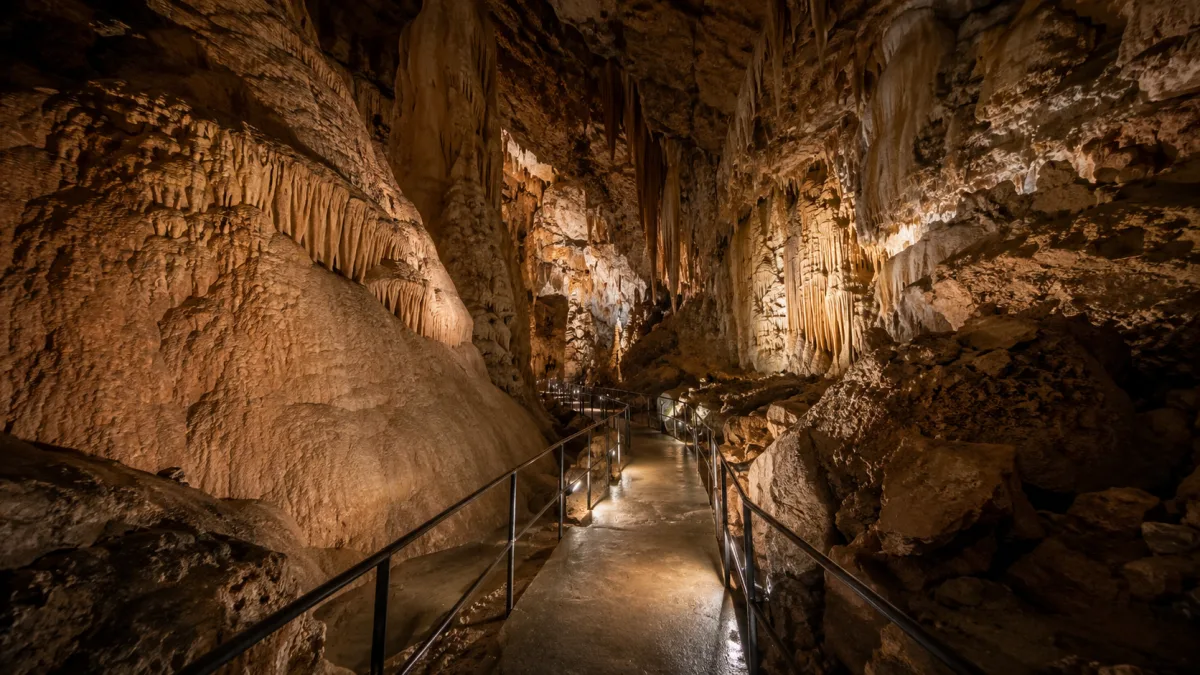
Caves form slowly and can be damaged quickly. Stay on marked routes, do not touch formations unless the guide allows it, do not leave trash, do not remove rocks, and do not disturb bats or other wildlife. Mud, oils, lint, and careless hands can affect cave surfaces.
Follow decontamination rules if they apply. Cave managers may have policies to protect bats and cave habitats. The right rule is the one posted by the cave owner or land manager at the time of your visit.
Take only the tour you are allowed to take. Responsible caving means leaving the cave available for the next visitor, researcher, animal, and guide.
What should you know about bats and wildlife?
Texas caves can provide habitat for bats and other animals. Do not shine bright lights directly at wildlife, touch animals, throw objects, smoke, shout, or block an entrance. Follow seasonal closures if they exist.
Bat flights can be wonderful to watch from approved viewing areas, but wildlife viewing is not the same as entering a cave. Let the managing agency decide where visitors belong.
How should a first wild-cave trip be planned?
Go with a recognized group, guide, or experienced caver. Tell someone outside the cave where you are going and when you expect to return. Carry proper lights, protective gear, water, and clothing that can get muddy. Know the route and the turnaround point.
Plan the exit before you enter. Agree on the slowest person's pace, the time you will turn around, and what conditions would end the trip early. A careful group talks about knees, breathing, heat, fatigue, and comfort before those details become underground problems.
Do not make your first cave trip a tight crawl with strangers you found online and no clear plan. Fear, claustrophobia, bad knees, asthma, and poor fitness all matter underground. There is no shame in choosing a walking tour first.
If walking poles are part of your surface hike to a cave entrance, Livecub's walking-stick adjustment guide can help outside the cave, but poles are usually not the tool for crawling passages.
What should you do after a cave trip?
Clean mud from shoes and gear according to the cave's rules, hydrate, check for scrapes, and change clothes before a long drive. If you visited a cave with bat-protection procedures, follow the posted cleaning guidance carefully.
Write down what you learned: tight spaces, slippery footing, temperature, fear level, and gear gaps. That helps you choose the next cave honestly instead of chasing a harder trip too soon.
Frequently Asked Questions
Is spelunking in Texas safe for beginners?
Beginner-friendly guided tours can be safe when you follow rules. Unplanned entry into unknown caves is not a beginner activity.
Do Texas caves require reservations?
Many guided tours require or strongly recommend reservations. Check the official park or cave page before going.
Can kids go spelunking in Texas?
Many developed cave tours allow children, but age, footwear, stamina, and tour rules vary. Wild-cave tours may have stricter limits.
What should I wear in a cave?
Wear closed-toe shoes with grip and clothing that matches the tour. For wild caves, follow guide requirements for helmet, lights, gloves, and durable layers.
Start with legal access and a guide. Keep the first outing modest, legal, and easy to leave without rescue drama. Texas caves are better when you return with good memories, clean gear, and nothing missing from the cave.

Olivia Prete
Edits culture and personal-development articles, distinguishing opinion and experience from verifiable claims.



Leave a reply
Replying to