
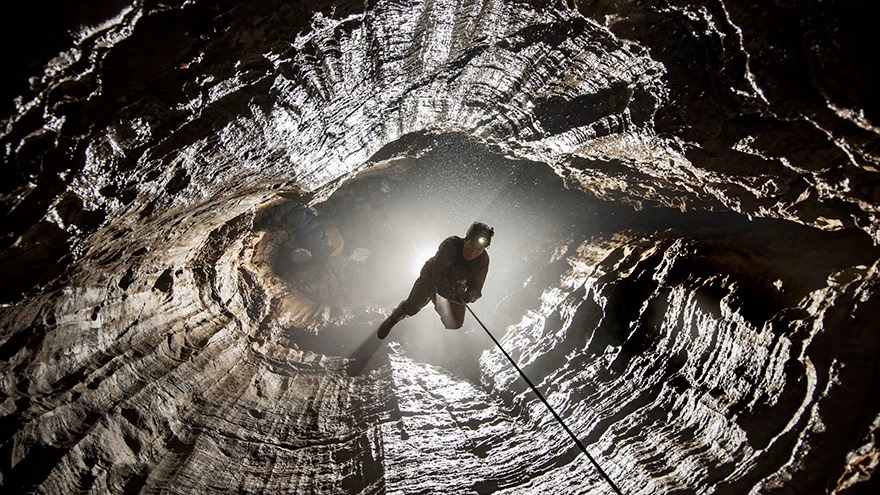
Washington caving is shaped by volcanoes
Spelunking in Washington State often means lava tubes, talus caves, ice caves, or volcanic terrain rather than huge commercial show caves. The state rewards careful planners, not people who wander into a dark opening with a phone light.
Weather, snowpack, road closures, and seasonal access can change plans quickly. Check official land-manager information before driving hours to a trailhead or cave entrance.
Start with managed cave sites
Ape Cave near Mount St. Helens is one of the best-known lava tube options in Washington. The U.S. Forest Service page for Ape Cave should be checked for current access, passes, hours, gear notes, and seasonal rules.
Managed sites are not automatically easy, but they usually provide clearer expectations. Read the route description, difficulty, temperature, and required lights before deciding who should come.
Carry more than one light
Every person should carry a primary light and at least one backup. A group should not depend on one powerful flashlight. Batteries, headlamps, and spare light sources are basic cave gear, not optional extras.
Phones are poor primary cave lights because they drain quickly and are needed for communication, maps, or emergency contact outside the cave. Light failure turns small mistakes into serious problems.
Dress for cold, rough surfaces
Caves can be colder than the day outside. Wear layers, gloves, sturdy footwear, and clothing that can handle abrasion. Lava rock can cut hands and knees, and wet footing can make simple steps slow.
If the approach includes hiking, comfort matters from the trailhead onward. Advice about adjusting walking sticks can apply to the walk in, even if poles are stowed before entering tighter cave sections.
Respect white-nose syndrome precautions
Cave conservation includes protecting bats and cave environments. The National Park Service cave safety and conservation material at nps.gov is a good starting point for safe behavior and low-impact habits.
Clean gear as required, do not enter closed caves, and do not touch formations or wildlife. Rules that feel fussy above ground can matter a lot underground.
Do not treat ice caves casually
Washington has seasonal snow and ice features that may be called caves, but ice caves can collapse or change rapidly. A pretty opening in snow is not the same as a stable cave route.
If land managers warn against entry, stay out. The risk is not only falling ice; meltwater, hidden holes, and unstable snow can make rescue hard.
Plan the group honestly
Caving is only as strong as the least prepared person in the group. Ask about claustrophobia, mobility, asthma, footwear, light sources, and comfort with crawling or scrambling before you leave home.
Choose a turnaround point in advance. Pride should not decide how deep the group goes. If someone is cold, scared, injured, or losing light, turn around early.
Keep navigation simple
For beginner trips, avoid maze-like systems and unexplored passages. Use marked routes, stay together, and do not split the group. Tell someone outside where you are going and when you expect to return.
Other outdoor travel topics, such as searching geologic landscapes, share the same lesson: remote terrain rewards preparation and punishes vague plans.
Add nearby outdoor stops carefully
It is tempting to combine caving with waterfalls, viewpoints, or a long drive. That can work, but cave trips take energy. Do not stack a demanding cave route after a full hiking day unless the group is ready.
If you enjoy water and rock landscapes, planning instincts from trips such as waterfall routes can help, but cave travel adds darkness, colder air, and tighter movement.
Check road and trail conditions the same day
Washington access can change because of snow, downed trees, wildfire closures, washouts, or seasonal gates. Check the land manager page close to departure and again before the drive if conditions are unstable. Old trip reports are useful for flavor, not final permission.
The road is part of the cave plan. A safe cave route does not help if the approach road is closed or beyond the vehicle.
Use helmets when ceilings are low or rock is rough
Some managed routes may not require helmets, but low ceilings, loose rock, crawling, and group movement all increase head-bump risk. A helmet with a mounted light keeps both hands free and protects against ordinary mistakes.
Gear should match the route. If you do not know whether a helmet is needed, ask the land manager or go with experienced cavers.
Keep children and pets in the right setting
Some cave approaches can work for older children who follow directions, carry lights, and tolerate cold. Other routes are too rough, dark, or slippery. Pets may be restricted or unsafe in cave environments, especially around sharp rock and tight passages.
Choose the trip for the least experienced participant. A good beginner day ends with everyone wanting to go again.
Respect closures without looking for loopholes
Cave closures can protect bats, unstable terrain, cultural resources, or visitor safety. Entering anyway can damage the site and create rescue risk. If a cave is closed, choose a hike, viewpoint, or managed alternative instead.
Access is not permanent. Responsible behavior helps keep outdoor places open longer.
Pack for after the cave
Bring dry clothes, a trash bag for muddy gear, water, snacks, and a way to clean hands. Caves can leave people colder and dirtier than expected, and the drive home is easier when the group can reset.
Keep a towel or old blanket in the car. Small preparation after the route prevents mud, chill, and fatigue from turning into bigger annoyances.
Practice with gear before the cave
Try the headlamp, backup light, gloves, shoes, and layers at home or on a short walk. Learn how to change batteries and adjust straps before you are cold and underground. New gear should not be a mystery in the cave.
Practice removes avoidable stress. It also reveals whether a light is dim, a pack is awkward, or shoes rub.
Set a hard turnaround rule
Decide what will end the trip before entering: lost light, water, injury, fear, time limit, or anyone asking to stop. A pre-agreed rule keeps the group from arguing underground.
Turning around early is a successful decision when it protects the group and the cave.
Use photography without slowing safety
Cave photography can distract people from footing and group spacing. Stop in safe places, step out of traffic, and keep one light available for movement. Do not block narrow passages for a long photo attempt.
The memory is not worth a fall. Take a few careful shots and keep moving with the group.
Learn local caving etiquette
Local caving groups often know which sites are fragile, closed, overused, or unsafe for beginners. Listening to that knowledge protects both visitors and caves. Avoid posting sensitive locations when land managers or cavers ask for discretion.
Good etiquette includes staying on durable surfaces, packing out trash, and keeping noise low near wildlife or other groups.
Do not rely on GPS underground
GPS can help you reach a trailhead, but it will not guide you underground. Inside caves, keep the route simple, stay together, and pay attention to turns. For beginner trips, avoid passages where navigation becomes the main challenge.
If the route feels confusing on the way in, it will feel worse on the way out when the group is tired.
Start earlier than you think
Morning starts leave more room for slow roads, gear checks, route changes, and daylight after the cave. A late start can make small delays feel rushed.
Frequently Asked Questions
Where can beginners go spelunking in Washington?
Managed sites such as Ape Cave are better starting points than unmarked or unofficial openings. Always check current access and rules before going.
Beginners should choose routes with clear descriptions and should bring proper lights and footwear.
Do I need a permit for Washington caves?
Some sites may require passes, timed reservations, seasonal permits, or parking fees. Requirements can change by land manager and season.
Check the official page for the exact site before leaving. Do not rely only on old trip reports.
What gear do I need?
Bring a helmet when appropriate, headlamp, backup lights, spare batteries, gloves, layers, sturdy shoes, water, and a first-aid kit.
For harder trips, go with experienced cavers and learn site-specific gear needs before entering.
Can I go alone?
Solo caving is a bad idea for most people. A small group with shared plans and backup lights is safer.
Tell someone outside the group your route and return time. Underground problems are harder to solve alone.

Linda Fehrman
Edits general wellness and relationship explainers. Health material is educational, avoids diagnosis and links to health-authority guidance.



Leave a reply
Replying to