
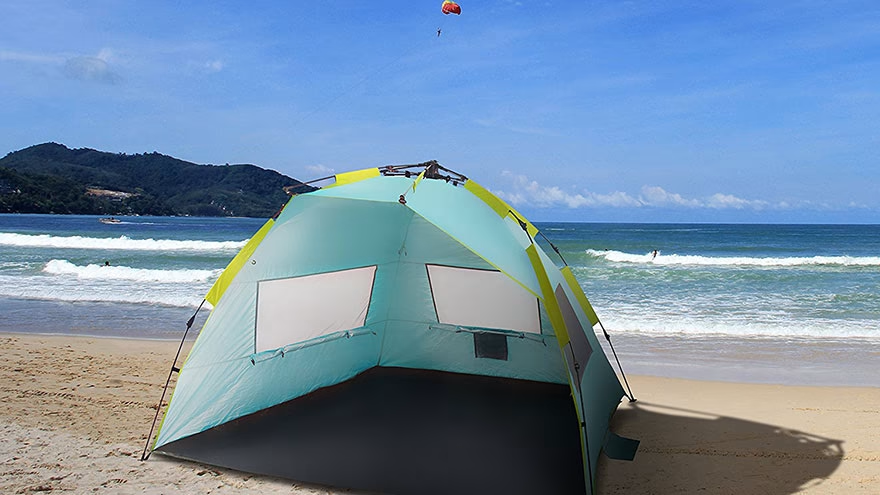
Choose the site before opening the shelter
Look for level ground, enough space around other people, no overhead hazards, and a path that will not trip walkers. On a beach, stay away from emergency access lanes and watch the tide line. In a park, check posted rules on stakes and shelters.
Site choice is the same kind of quiet preparation used for outdoor gear setup. A few minutes before assembly prevents most problems later.
Read the wind first
A sun shelter is a shade tool, but wind decides how hard it is to manage. Watch flags, towels, leaves, sand, and water texture before you unfold the fabric. If gusts are already moving heavy items, choose a lower profile or skip the shelter.
Beach hazards can exist even on bright days. The National Weather Service warns on its rip current safety page that pleasant weather does not always mean safe water.
Lay out every part
Spread the fabric with the doorway or open side facing the direction you want. Set poles, anchors, guy lines, bags, and stakes where you can reach them. Do not start with half the kit still inside a car or beach wagon.
If the shelter has sleeves, feed poles slowly so they do not tear fabric. If it uses clips, connect them from the center outward to keep tension even.
Anchor for the surface you have
Sand needs sandbags, deadman anchors, or long sand stakes. Soil can use standard stakes if the ground is firm. Decks, pavement, and rocky areas may need weighted bags instead of stakes.
Push or bury anchors at an angle away from the shelter, then tighten the lines gradually. A loose anchor is not a backup; it is a delay before the shelter moves.
Angle the shade for the hours ahead
The sun moves, so the first patch of shade will not stay in the same place. Aim the shelter to protect the sitting area during the hottest or longest part of the stay, not only the minute you arrive.
CDC sun safety guidance at cdc.gov says shade helps reduce sun damage risk, but sunscreen and protective clothing still matter even in shade.
Keep airflow and visibility
Do not seal every side unless the shelter is designed for it and conditions are calm. Airflow reduces heat and pressure on the fabric. Keep the entrance visible so people do not trip over lines.
Outdoor stops such as waterfall visits teach the same lesson: comfort and safety change with terrain, weather, and crowd movement.
Check it after ten minutes
A shelter can look stable during setup and loosen after the fabric stretches. Recheck anchors, knots, pole tension, and shade angle after a few minutes. Then check again when wind changes.
If one corner keeps lifting, lower the profile, add weight, or take the shelter down. Do not wait until it becomes someone else's problem.
Take it down before conditions turn
Start takedown while you still have control. Empty sandbags away from towels and bags, release tension slowly, and fold poles without letting them snap. Shake out sand before packing so zippers and seams last longer.
For desert or river trips like outdoor sightseeing around Laughlin, the same rule applies: pack shade before the weather chooses the schedule for you.
Make the plan fit real life
The useful version of this topic is the one that fits the reader's actual situation. The setup should fit the surface, wind, rules, sun angle, crowd space, and how long people will stay outside. A plan that only works on paper will not survive a normal week, a tired afternoon, or a small mistake.
Start with the constraint that is least flexible. That may be time, money, safety, access, health, policy, family expectations, or local rules. Once that limit is clear, the rest of the choices become easier to sort.
Watch for the mistake that changes the outcome
The common mistake is treating the shelter like a towel instead of a wind-catching structure that needs real anchors. It usually happens because people want the answer to be simpler than it is. Slow down long enough to separate facts from hopes.
Good judgment is often quiet. It looks like reading the policy, checking the weather, asking one more question, saving a record, or choosing the smaller step before the larger one.
Use a short checklist before you commit
Before acting, check the basics: posted rules, tide or terrain, wind, poles, anchors, shade angle, airflow, trip lines, sunscreen, takedown timing Keep the list short enough that you will actually use it. A long checklist that nobody opens is just decoration.
If another person is involved, confirm the same points in plain language. Most bad decisions in everyday life are not caused by missing expert knowledge; they are caused by assumptions nobody tested.
Know when to pause
Pause when gusts lift the fabric, anchors will not hold, rules ban stakes, or the shelter blocks access for other people. A pause is not failure. It is a way to keep a small uncertainty from becoming a costly problem.
If the situation involves health, legal rights, safety, money, or another person's trust, get qualified help instead of forcing a quick answer. The right next step may be slower, and that is often the point.
Turn the advice into one next step
Do not try to solve the whole subject at once. Pick the first item that can change the decision today, then check it against the practical list: posted rules, tide or terrain, wind, poles, anchors, shade angle, airflow, trip lines, sunscreen, takedown timing That keeps the work grounded instead of letting the topic become a vague intention.
A small verified step is better than a confident guess. In practice, that may mean reading the rule, checking the map, saving the message, measuring the space, asking the clinic, reviewing the profile, or confirming the payment terms before anything else moves.
Keep notes while details are fresh
Good notes do not need to be formal. Write down the date, source, name, rule, price, condition, or answer while it is still fresh. That record gives you something calmer to use later if memory, stress, or another person's version of events starts to blur the issue.
For this topic, notes should focus on the decision point rather than every side thought. Record the fact that would change your choice, then leave room for updates if a source, policy, weather report, profile detail, or schedule changes.
Match the advice to the stakes
Low-stakes choices can move with common sense and a short check. Higher-stakes choices need more patience, especially when safety, health, pay, travel money, family trust, or another person's comfort is involved. The amount of checking should rise with the possible cost of being wrong.
This is where the earlier pause point matters: gusts lift the fabric, anchors will not hold, rules ban stakes, or the shelter blocks access for other people. If that line is close, slow the plan down. Speed is useful only when the basic facts are solid.
Think about the second effect
Many everyday decisions have a second effect that shows up later. A message changes trust, a campsite affects access, a workplace rule changes morale, a food choice affects leftovers, and a travel booking can affect the whole budget. Look past the first convenient answer.
The second effect is usually where regret hides. Before you finish, ask who else is affected, what becomes harder tomorrow, and what proof you would want if the decision had to be explained later.
Close the loop cleanly
Once the choice is made, finish the small administrative work around it. Save the link, send the note, pack the item, label the container, confirm the route, update the file, or tell the other person what happens next.
A clean close keeps the subject from staying half-open in your head. It also makes the advice easier to repeat the next time, because you are not rebuilding the whole decision from memory. A short final note can also reveal a weak plan before it creates extra work for someone else later. That is often the difference between knowing what to do and actually doing it.
Frequently Asked Questions
Can I use a sun shelter on any beach?
No. Some beaches restrict tents, stakes, size, or placement. Check posted rules before setup.
Emergency access and tide movement matter too.
What anchors work best in sand?
Sandbags, long sand stakes, and buried anchors usually work better than short garden stakes.
Use the anchor style recommended for your shelter.
Does shade replace sunscreen?
No. Shade helps, but reflected UV and side exposure still reach skin.
Use sunscreen, protective clothing, hats, and sunglasses.
When should I take a shelter down?
Take it down when wind increases, anchors loosen, the tide approaches, or the area gets crowded.
Earlier is easier and safer than waiting for trouble.

Linda Fehrman
Edits general wellness and relationship explainers. Health material is educational, avoids diagnosis and links to health-authority guidance.



Leave a reply
Replying to