

Durango Camping Is Best Planned by Trip Style
Tent camping in Durango, Colorado can mean several different things. You might want a reservable campground near town, a quiet forest road site, a base for mountain biking, a family campground with toilets, or a simple overnight stop before heading deeper into the San Juan Mountains.
Start with the trip you actually want. Durango has town comforts nearby, but the surrounding public lands can still bring altitude, lightning, cold nights, fire restrictions, bears, rough roads, and fast-changing mountain weather.
Choose the campsite for the whole trip, not only the view from the tent door.
San Juan National Forest Options
The San Juan National Forest's camping and cabins page says the forest offers developed campgrounds and more isolated dispersed camping areas. Many developed campgrounds have picnic tables, fire rings, vault toilets, and drinking water, but not showers or full hookups.
That makes Forest Service camping a good fit for tent campers who want a real outdoor setting without being completely on their own. It also means you should check current water, road, reservation, and fire information before driving out.
For travelers who like remote-site planning, Livecub's Spiral Jetty guide is a useful comparison in checking access before committing to the drive.
Junction Creek Campground
Junction Creek is one of the easiest Durango-area Forest Service campgrounds to understand. The Forest Service describes Junction Creek Campground as about 5 miles northwest of Durango, with four loops among ponderosa pines, 44 campsites, and a group site.
For tent campers, the appeal is obvious: trees, campground structure, and quick access to Durango. It can work as a base for town meals, the Colorado Trail, mountain biking, sightseeing, or a first night before a longer San Juan trip.
Close to town does not mean careless camping.
Dispersed Camping Near Durango
Dispersed camping can be quieter and cheaper than a developed campground, but it asks more from the camper. You need to know where it is allowed, how to handle human waste, how to store food, how to manage fire restrictions, and how to leave the site unscarred.
Use existing durable sites rather than creating a new flat spot. Keep vehicles on legal roads. Pack out trash, food scraps, foil, and micro-trash. If you are unsure whether a road or area is open, ask the local ranger district before heading out.
Reserve Early When Dates Matter
Summer weekends, holiday periods, and fall color windows can fill popular campgrounds. Recreation.gov lists Junction Creek Campground with single, double-family, and group sites, and shows reservable details when the campground is in season.
If your trip depends on one campground, book early or build a backup plan. If you are flexible, consider weekday nights, shoulder season, or less famous campgrounds farther from town.
A backup campsite keeps a late arrival from becoming a bad night.
Weather and Altitude
Durango sits high enough that nights can cool down even after warm days. Higher campsites can be colder, windier, and more exposed. Afternoon thunderstorms are also a real summer pattern in the mountains.
Pack layers, a real rain jacket, a tent that handles wind, and a sleep system rated for colder than the daytime forecast suggests. Do not judge the night by how the parking lot feels at lunch.
For a different mountain-weather planning example, Livecub's Skyline Drive waterfalls guide shows how outdoor plans depend on timing, footing, and changing conditions.
Food Storage and Wildlife
Store food, trash, scented toiletries, pet food, and cooking gear securely. Use campground food-storage rules where posted. In dispersed areas, use a bear-resistant canister, vehicle storage when appropriate, or another legal method that keeps wildlife from learning that campsites mean meals.
Do not cook beside the tent if you can avoid it. Clean dishes promptly and pack out scraps. Wildlife problems often start with small carelessness repeated by many campers.
Water and Sanitation
Even if a campground usually has drinking water, verify current status. Pumps can break, seasonal systems can close, and dispersed sites usually have no water at all. Carry more than you expect to need for drinking, cooking, cleaning, and dogs.
Use toilets where available. In dispersed areas, follow current Forest Service guidance for waste disposal and distance from water. Do not leave toilet paper, wipes, or hygiene products behind.
Campfire Rules
Colorado fire conditions can change quickly. A campsite may have a fire ring and still be under a fire restriction. Check current fire rules before lighting anything, and use a stove when fires are not allowed.
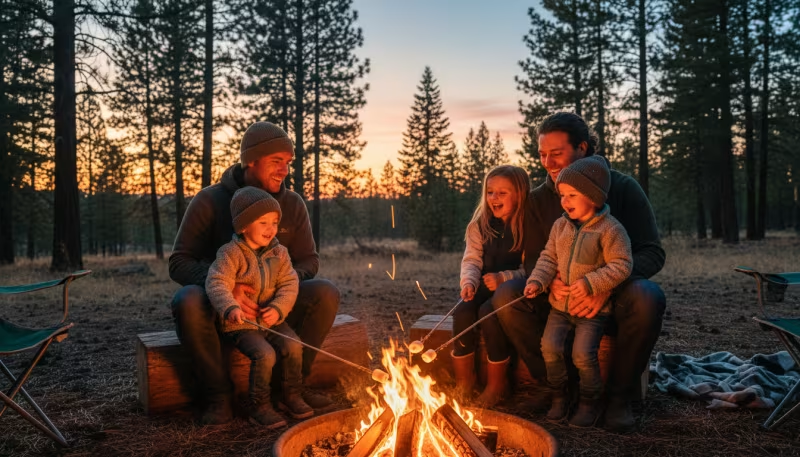
If fires are legal, keep them small, attended, and fully out before sleeping or leaving. Cold ash means cold. Warm ash means the fire is not out.
A beautiful campfire is not worth a bad fire decision.
What to Pack for a Tent Site
Bring a groundsheet, stakes that can handle firm soil, warm layers, headlamps, extra batteries, water containers, sun protection, a small first-aid kit, and food storage. Earplugs can help in campgrounds near roads or busy loops.
If you plan hiking from camp, trekking poles can help on loose or steep trails. Livecub's walking sticks adjustment guide can help with pole length before you start.
Camping With Children or New Campers
New campers often do better in developed campgrounds with toilets, water, and a predictable site. Keep the first night simple. Arrive before dark, practice setting up the tent at home, and pack easy meals.
Give children jobs: headlamp keeper, water bottle checker, trash spotter, or morning cocoa assistant. Camp feels smoother when everyone knows what to do.
Road Access and Vehicle Choice
Do not assume every campsite near Durango is reachable by any car. Developed campgrounds are usually easier, but dispersed routes can include washboards, mud, ruts, narrow pullouts, and roads that change after storms.
Check the road before driving deep into a forest route, especially late in the day. If a road starts to feel beyond your vehicle or confidence, turn around while you still have daylight. A slightly less scenic site is better than a stuck car after dark.
Your vehicle is part of the camping plan.
Shoulder Season Camping
Spring and fall can be beautiful around Durango, but they require more caution. Spring may bring muddy roads, lingering snow higher up, and cold nights. Fall can bring excellent color, colder mornings, and busier weekends when visitors chase the aspens.
Check campground opening dates and water availability. A campground can be physically reachable but not fully serviced. Carry backup water and a plan for a colder night than expected.
Shoulder season rewards flexible campers.
Quiet Hours and Campground Courtesy
In developed campgrounds, quiet hours matter. Keep music low, dim bright lanterns, control dogs, and avoid slamming car doors after people are asleep. Sound travels in campground loops.
If you arrive late, use headlamps and set up with the minimum noise possible. Better yet, plan to arrive before dark so you can choose the site, cook, and settle without annoying neighbors.
Morning Camp Routine
Build a simple morning routine: boil water, pack sleep gear before breakfast, check trash, put out any cold ash if fires were legal, and walk the site before leaving. This keeps small items from being left in the dirt.
A good final sweep catches tent stakes, food wrappers, bottle caps, and children's gear. The next camper should not inherit your leftovers or your avoidable camp clutter at breakfast.
Leave early enough to avoid rushed mistakes on departure morning in camp.
Pairing Camping With Durango
One advantage of camping near Durango is the mix of forest and town. You can camp under ponderosa pines, then use town for groceries, showers, restaurants, outfitters, or a rest day.
If you are building a longer road trip with shopping or town stops, Livecub's Gatlinburg shopping guide is a useful reminder to separate outdoor essentials from impulse spending.
Frequently Asked Questions
Where can I tent camp near Durango?
Junction Creek and other San Juan National Forest campgrounds are common options, along with legal dispersed camping areas.
Do I need reservations?
For popular developed campgrounds, reservations are smart during busy seasons. Dispersed camping usually does not take reservations but requires rule knowledge.
Are campfires allowed?
Only when current rules allow them. Always check fire restrictions before relying on a fire ring.
Is Durango camping good for beginners?
Yes, especially in developed campgrounds near town. Beginners should avoid arriving after dark or relying on dispersed sites without research.

Chiara Bradshaw
Covers education, culture and creative topics with an emphasis on readable explanations and verifiable references.


Leave a reply
Replying to