
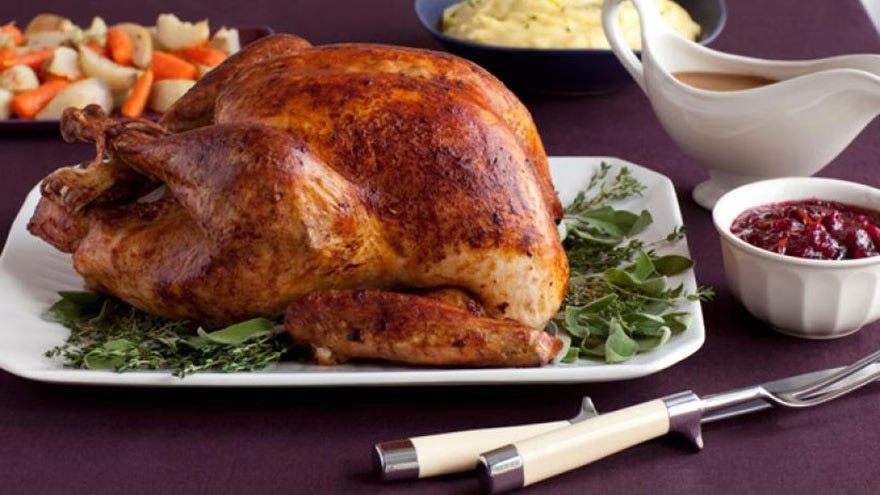
Thanksgiving Culinary Tour # 1 : Poultry should feel like a planned holiday meal, not a list of fancy names dropped onto a table. The old article wanted a nontraditional Thanksgiving built around poultry, appetizers, soup, salad, wine, sides, and dessert. That idea can work beautifully if the host keeps timing, food safety, and guest comfort in view. A holiday poultry menu does not have to mean turkey only. It can include chicken, goose, duck, Cornish hens, or a smaller turkey breast, as long as the cooking plan is clear and the day is not overloaded.
What is a Thanksgiving poultry tour?
A culinary tour is a meal with stages. Instead of one giant plate at one time, guests move through a light starter, a poultry main, sides, dessert, and maybe a later coffee or cheese course. The pace lets people enjoy the day without sitting down hungry and leaving overfull.
For Thanksgiving, the idea works best when the courses are simple enough to finish. A small soup, a salad, a poultry main, one or two sides, and dessert are plenty. Too many courses can turn the cook into staff instead of host.
Pacing is the point. Each course should make the next one easier, not create a pile of dishes and stress.
Choose the poultry
Turkey is traditional, but not required. Chicken is easier for a small group. Goose feels old-world and rich. Duck works well for guests who like dark meat and crisp skin. Cornish hens make individual portions feel special.
If goose is on the table, a guide such as how to cook goose can help with the fat and timing questions that make it different from turkey or chicken. Goose needs a plan for rendering fat and balancing richness.
Match the bird to the group. A small gathering may enjoy two roast chickens more than one giant turkey. A crowd may need turkey plus a second poultry dish for variety.
Cook poultry safely
FoodSafety.gov's Thanksgiving guidance says turkey is ready when it reaches 165 degrees F measured with a food thermometer in the thickest parts, including breast, thigh, wing, and stuffing if stuffed. Its Thanksgiving food safety page is useful for timing and temperature basics.
USDA FSIS also says a food thermometer should be used to ensure turkey reaches 165 degrees F. Its turkey safe cooking page is a good reference even if you choose another poultry main, because the thermometer habit still applies.
Do not cook by hope. A browned bird can still be underdone near bone or stuffing. Check the thickest places and write down the target before the oven gets busy.
Plan starters that do not compete
The old menu mentioned pumpkin cappuccino with cardamom, mushroom and chestnut salad, and other small courses. That direction is strong if starters stay light. A warm soup, a small salad, or a few savory bites can welcome guests without dulling appetite.
Greens can help balance poultry and gravy. A simple bitter-green salad or cooked greens dish, like cooking greens, cuts through rich meat better than another heavy casserole.
Keep early food light. Thanksgiving already has starch, sauce, and dessert. Starters should wake people up, not exhaust them.
Use sides to balance richness
Poultry sides should give contrast: something green, something sharp, something starchy, and something soft. If the bird is rich, use vinegar, citrus, herbs, or bitter greens. If the bird is lean, add sauce, roasted vegetables, or a buttery starch.
A dish such as cooking with and serving foie gras sits on the rich end of the holiday spectrum. If you use rich appetizers, keep the main plate cleaner. If the main is simple, the starter can carry more luxury.
Balance beats abundance. More dishes do not always make the meal better. The table needs contrast more than repetition.
Make the schedule realistic
Write a timeline backward from serving time. Include thawing, brining if used, oven preheat, roasting, resting, carving, side reheating, gravy, and cleanup. Add 30 minutes of padding because holiday ovens never behave like recipe cards.
Food that can be made ahead should be made ahead. Vegetables can be trimmed, stock can be made, dessert can be finished, and herbs can be washed. A guide like freezing fresh vegetables reflects the same truth: calm meals often start before the day itself.
Protect the last hour. The final hour should be for temperature checks, resting, gravy, and people, not hunting for serving spoons.
Serve and store leftovers
FDA's safe buffet page says perishables should not sit at room temperature for more than 2 hours unless held hot or cold. Thanksgiving tables are easy places to forget the clock, especially after dessert.
Carve extra poultry from the bone before refrigerating. Use shallow containers so food cools faster. Label richer sauces and stuffing separately because they may be reheated differently than sliced meat.
Leftovers are part of hosting. Plan containers before the meal, not after everyone is tired and the bird has been sitting out too long.
Rest and carve with patience
Poultry needs resting time after roasting. Resting makes carving easier and gives juices time to settle. If you carve too quickly, the board fills with juices that should have stayed in the meat.
Use a sharp knife, a stable board, and a plan for white and dark meat. Slice breast meat against the grain when possible, and arrange pieces so guests can choose without digging through the platter.
Carving is service. A neat platter makes the meal calmer and helps portions go farther.
Scale the menu to the group
A table for four does not need the same menu as a table for fourteen. For a small group, one poultry main, one green side, one starch, one sauce, and one dessert may feel generous. For a larger group, add variety through sides rather than several complicated mains.
Ask about dietary needs before planning. A vegetarian guest may need more than a spoonful of potatoes. A guest avoiding alcohol may need sauces and desserts that are clearly separated.
Hospitality is practical. It is easier to include people when you ask early and keep the menu readable.
Make cleanup part of the plan
Before guests arrive, set out containers, tape, a marker, foil, and a clear place for dirty pans. Fill the sink with hot soapy water after the main prep is done. These small steps keep the end of the day from feeling impossible.
Send leftovers home only after they have been handled safely. Do not let guests pack food that has been sitting out too long, and do not mix hot gravy with cold poultry in a sealed container.
The meal is not done at dessert. Cooling, packing, and cleaning are part of the holiday cooking job.
Give guests a clear menu
A poultry tour can sound formal, but guests relax when they know the shape of the meal. Say when the main course will be served, what the bird is, and which sides are coming. That keeps people from filling up too early or wondering if more food is planned.
Clear menus also help with children, older guests, and anyone managing food restrictions. A small note near the buffet or a quick announcement can prevent confusion without turning dinner into a speech.
Clarity is hospitable. People enjoy unusual menus more when they understand the rhythm.
Keep the poultry warm without drying it
Once carved, poultry dries quickly. If you need to hold it briefly, cover loosely and keep sauces nearby. Do not leave sliced white meat uncovered while everyone finishes side dishes.
For longer holds, it is usually better to keep the bird whole and carve closer to serving time. Resting is useful, but long exposure is not.
Frequently Asked Questions
Can I skip turkey for Thanksgiving?
Yes. Chicken, goose, duck, turkey breast, or Cornish hens can all work if the menu feels generous and planned.
What temperature should poultry reach?
Follow USDA guidance and use a food thermometer. Turkey and poultry should reach 165 degrees F in the correct places.
How many courses should a holiday meal have?
For most homes, three to five stages are enough: starter, main plate, dessert, and perhaps coffee or a later snack.
Can I make sides ahead?
Yes. Many vegetables, sauces, desserts, and stocks can be prepped ahead. Reheat safely and avoid crowding the oven at the end.
A Thanksgiving poultry tour works when the food has rhythm. Choose the bird honestly, keep starters light, balance the sides, check temperatures, and give the host enough room to enjoy the day.
Cashie Evans
Covers parenting and practical household topics with clear steps, safety notes and links to current guidance.



Leave a reply
Replying to