
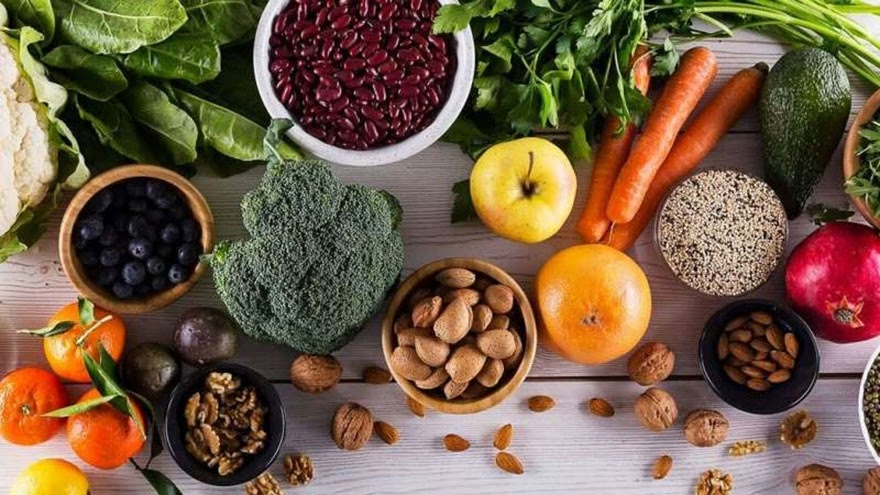
Top 10 Foods That Make You Smarter needs a careful translation: no food raises IQ overnight. Food can, however, support attention, blood vessels, inflammation control, and the nutrients the brain uses every day.
Think in patterns, not magic. A brain-friendly plate looks a lot like a heart-friendly plate: fish, leafy greens, berries, beans, nuts, whole grains, eggs, yogurt, olive oil, and enough water.
1. Fatty Fish
Salmon, sardines, trout, and mackerel bring omega-3 fats, especially DHA and EPA. The brain uses these fats in cell membranes, and fish also brings protein, vitamin D, selenium, and iodine depending on the type.
NIA's cognitive health guidance puts healthy eating beside physical activity, mental engagement, and social connection rather than treating food as a single fix: NIA cognitive health guidance. That framing keeps fish in its proper lane: useful, not miraculous.
2. Leafy Greens
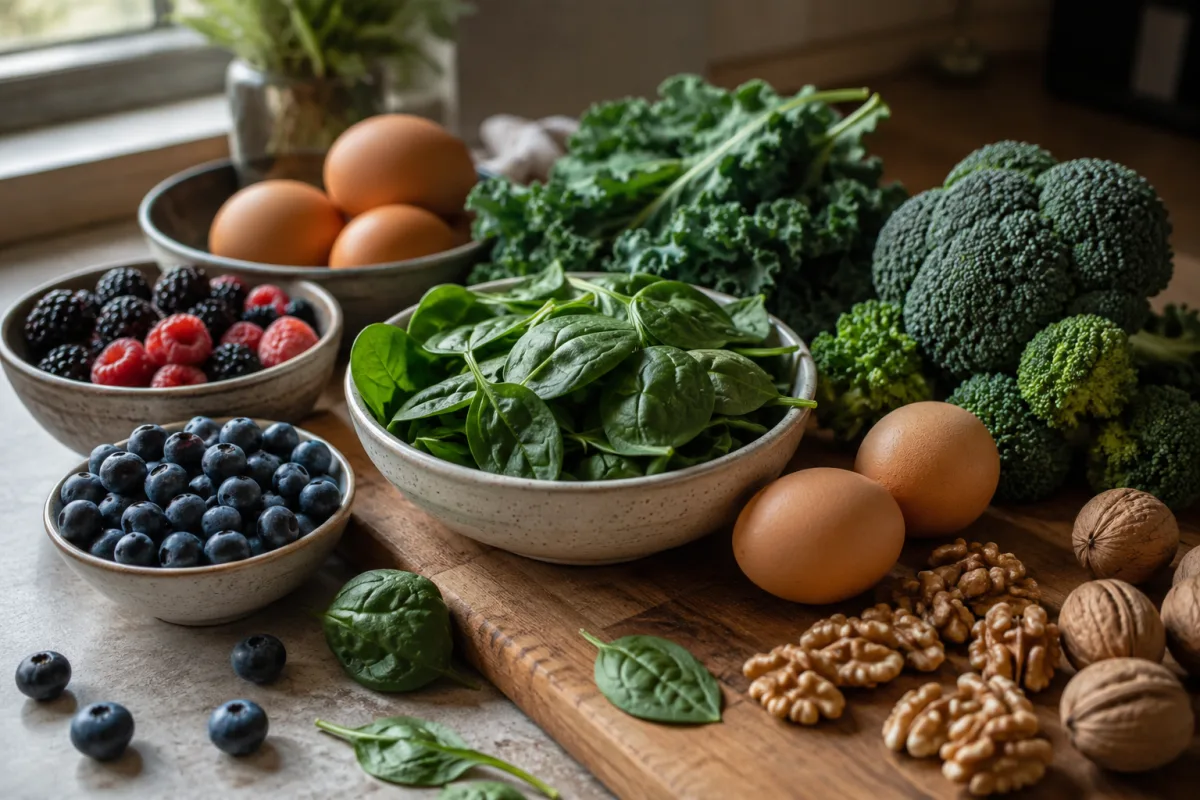
Spinach, kale, collards, romaine, arugula, and broccoli bring folate, vitamin K, carotenoids, magnesium, and fiber. They also make meals larger without much added energy.
Leafy greens show up repeatedly in brain-health eating patterns because they support vascular health and bring nutrients that often travel with better overall diets. Add them to eggs, soup, pasta, wraps, smoothies, or a simple side salad.
If pasta is your easiest dinner, pasta substitutes can help add vegetable volume without making the meal feel like homework.
3. Berries
Blueberries, strawberries, blackberries, and raspberries bring fiber and polyphenols. They are easy to add to breakfast, yogurt, oatmeal, or a snack plate, and they satisfy a sweet craving with more structure than candy.
NIH Research Matters summarized findings linking the MIND diet with lower risk of cognitive decline or impairment; the MIND pattern features green leafy vegetables, other vegetables, berries, whole grains, beans, nuts, and fish: NIH MIND diet research summary.
4. Beans And Lentils
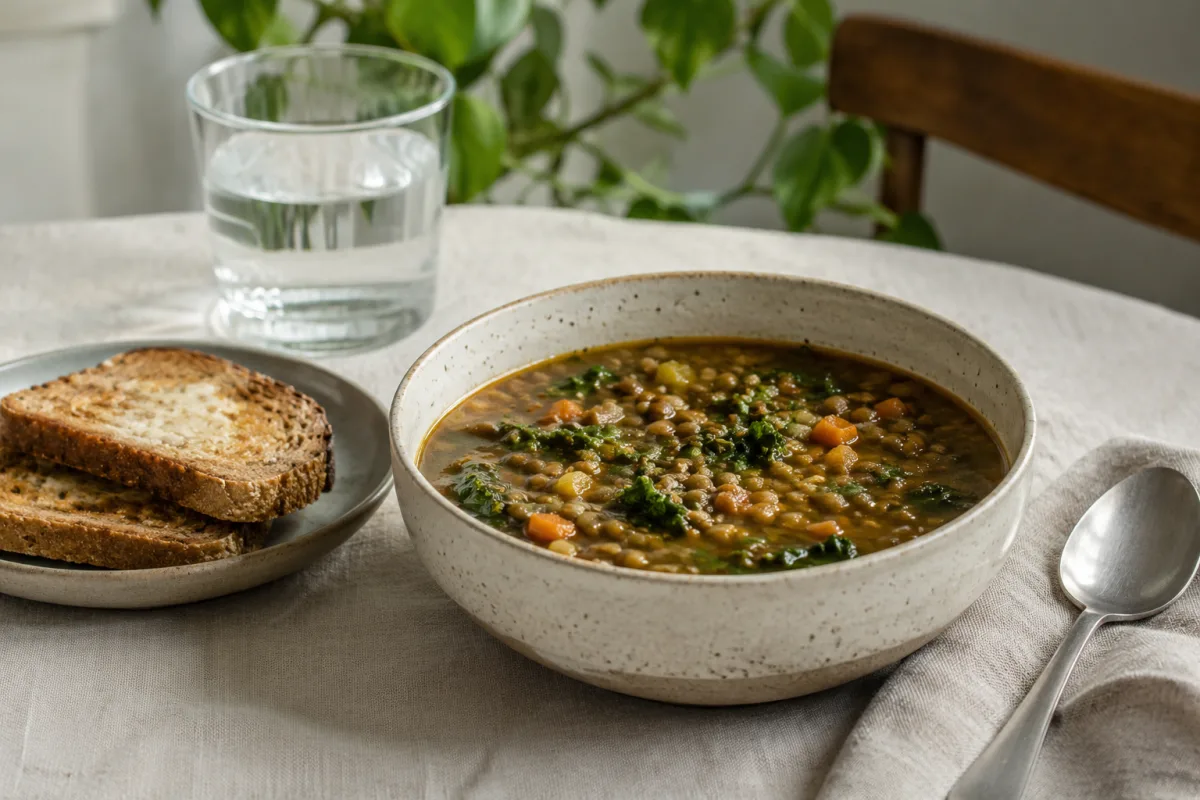
Beans and lentils support the brain indirectly by stabilizing meals. They bring plant protein, fiber, iron, magnesium, potassium, and slow-digesting carbohydrate. A steadier lunch often means a steadier afternoon.
Use them in soup, chili, grain bowls, pasta sauce, salads, or mashed onto toast. If beans cause digestive trouble, start small and increase slowly with fluids.
A neutral tracker such as a food journal can show which meals leave you focused and which leave you sleepy.
5. Nuts And Seeds
Walnuts, almonds, pistachios, pumpkin seeds, chia, flax, and sunflower seeds bring unsaturated fats, minerals, fiber, and texture. They work best as small additions, not handfuls eaten from a bag while distracted.
Use nuts on oatmeal, salad, yogurt, roasted vegetables, or a snack plate with fruit. Ground flax or chia can go into oatmeal, smoothies, or yogurt without changing the whole meal.
6. Eggs
Eggs bring protein, choline, B vitamins, and convenience. Choline is involved in acetylcholine, a neurotransmitter tied to memory and muscle function, but that does not mean more eggs are always better for every person.
The practical use is breakfast stability. Eggs with vegetables or beans usually hold attention better than a sweet pastry alone.
7. Whole Grains
Oats, barley, brown rice, quinoa, farro, and whole-grain bread bring fiber and a slower carbohydrate release than many refined grain choices. The brain uses glucose, but it does not need a sugar flood.
A whole-grain breakfast with protein may help the morning feel less jagged. Try oats with nuts and berries, whole-grain toast with eggs, or brown rice with leftovers.
8. Fermented Dairy Or Fortified Alternatives
Plain yogurt, kefir, and fortified unsweetened alternatives can bring protein, calcium, and sometimes vitamin D. Choose versions with little added sugar when the goal is steady energy.
Gut-brain claims can get exaggerated online. The safer statement is that digestion, regular meals, and nutrient adequacy affect how people feel. They do not replace mental health care.
9. Olive Oil And Avocado
Unsaturated fats from olive oil and avocado help meals taste complete. They also help absorb fat-soluble nutrients from vegetables. Measure oil at first; a free pour can turn a light meal into a heavy one.
Harvard Health's brain-food overview points to leafy greens, fatty fish, berries, tea/coffee, and walnuts as foods linked with better brainpower: Harvard Health brain foods. Use that as a pattern, not a shopping command.
10. Water, Coffee, And Tea
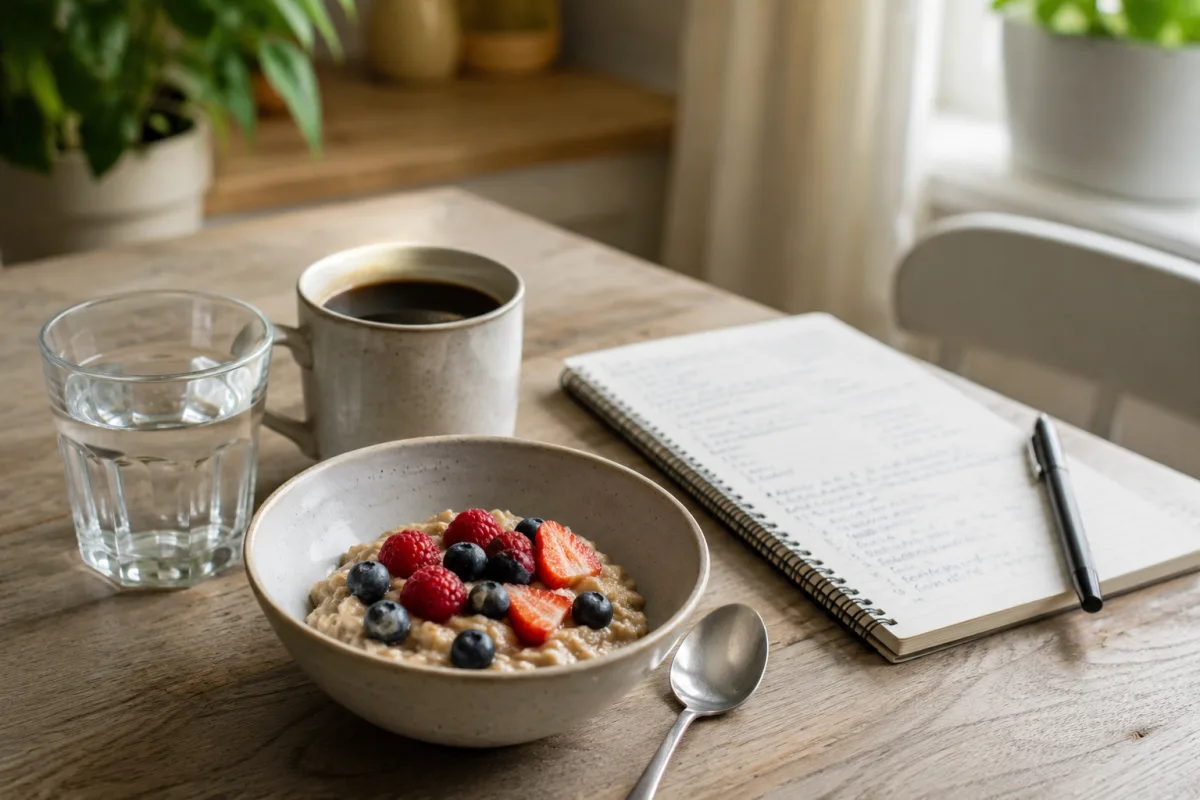
Dehydration can feel like fog. Coffee and tea can help alertness for some adults, but they work better with breakfast and water than as a substitute for both.
If anxiety is part of the picture, caffeine can backfire. For performance nerves, sports tryout anxiety and stage fright are reminders that body signals and food timing often meet.
Build The Brain Plate
A smart day might look ordinary: eggs with spinach, oats with berries and walnuts, lentil soup, salmon with greens, yogurt, water, and coffee earlier in the day. The power is repetition.
For older adults, food is only one piece. Movement, sleep, hearing and vision care, social connection, medication review, and blood pressure management all affect cognitive health. supporting older adults can help with routines that respect independence.
How To Make The Top 10 Work Together
The list works better as a rotation than as ten separate tasks. Pick two foods for breakfast, two for lunch, two for dinner, and one snack. Oats with berries and walnuts, lentil soup with greens, salmon with brown rice, and yogurt with seeds is a normal day, not a brain-health project.
Start with the meal that currently feels weakest. If breakfast is mostly sweet coffee, add protein and fiber before worrying about dinner. If lunch makes you sleepy, add beans, greens, fish, eggs, or yogurt and reduce the refined starch portion. Small fixes beat a full pantry overhaul.
Keep convenience in the plan. Canned salmon, frozen berries, prewashed greens, canned beans, microwave brown rice, plain yogurt, and nuts are not lesser choices because they are easy. They are often the difference between repeating the pattern and giving up by Wednesday.
Food timing also matters. A brain-friendly dinner cannot fully rescue six hours of under-fueling earlier in the day. If focus drops in the afternoon, check lunch size, hydration, caffeine timing, and sleep before blaming willpower.
For students, shift workers, caregivers, and older adults, the best foods are the ones that get eaten consistently. A perfect list that requires chopping, soaking, and cooking every day will lose to a sandwich. Build the pattern around the real schedule.
Finally, keep medical context in view. Memory changes, new confusion, fainting, severe fatigue, sudden headaches, or mood changes need medical attention. Food supports the system; it does not diagnose the problem.
What To Avoid Overclaiming
Brain-food articles often promise too much. Salmon does not erase sleep debt. Blueberries do not fix untreated depression. Green tea does not replace ADHD care. The honest value is smaller and more useful: better meals can reduce some avoidable friction on attention and energy.
The pattern also needs enough calories. People sometimes try to eat light for focus, then wonder why thinking gets worse. The brain is energy-hungry. Under-eating can feel like poor discipline when it is really poor fueling.
Pair carbohydrates with protein or fat when focus matters. Oats with nuts, fruit with yogurt, rice with beans, toast with eggs, or potatoes with fish usually lasts longer than a sweet food eaten alone.
Look at the whole day. A brain-friendly breakfast followed by no lunch, three coffees, and a late heavy dinner is not a brain-friendly pattern. Meal timing, hydration, and caffeine timing all change how the same foods feel.
Sleep is the multiplier. If a person sleeps four hours, the food list cannot carry the day. Nutrition supports the brain best when it sits beside sleep, movement, light exposure, social contact, and medical care when symptoms are new or severe.
That is the real takeaway: do not chase a perfect food. Build a day your brain can work inside.
Frequently Asked Questions
Can food make you smarter quickly?
No. Food can support focus and long-term brain health, but it does not create instant genius.
Which food is best for the brain?
There is no single best food. Fish, leafy greens, berries, beans, nuts, whole grains, and steady meals work better as a pattern.
Are supplements needed?
Not automatically. Ask a clinician before supplements, especially with medications or medical conditions.
Does coffee help focus?
It can, but too much caffeine can worsen anxiety, sleep, and jitteriness.
What if brain fog is new?
New or severe brain fog deserves medical evaluation. Diet is only one possible factor.
This article is for general information only and isn't a substitute for medical advice. Talk to a clinician who knows your full history before making changes.

Chiara Bradshaw
Covers education, culture and creative topics with an emphasis on readable explanations and verifiable references.




Leave a reply
Replying to