
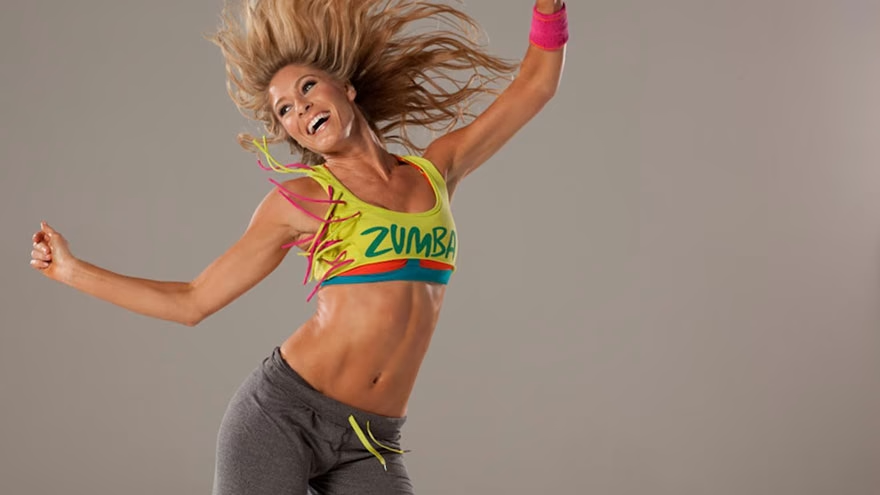
Zumba Uses Licensing Language
Zumba Instructor Certification is the phrase many people search, but Zumba's own language centers on becoming a licensed Zumba instructor. That distinction matters because a brand license and a general fitness certification are not the same thing.
A Zumba license lets you teach Zumba-branded classes under Zumba's rules. A group fitness certification shows broader knowledge for leading exercise classes.
Know which credential a studio is asking for before you pay.
Start With Official Zumba Training
Zumba's official become an instructor page explains that ZIN is a monthly membership program with support, tools, music, choreography, apps, and community.
The training path can change by country, format, and specialty, so use Zumba's current training pages rather than old blog posts or screenshots.
For brand licensing, the official source is the source that counts.
Understand Basic 1
Many new instructors begin with Zumba Basic 1 or an equivalent entry training. This introduces the foundation of the class format, basic rhythms, cueing ideas, and how Zumba classes are structured.
Zumba's instructor trainings page lists current training options, including specialty and dual-license formats when available.
Do not assume every training gives every specialty. Read what license the training includes before registering.
Learn What ZIN Does
ZIN, the Zumba Instructor Network, is designed to support active instructors with music, choreography, apps, education, and license support. For many instructors, it is part of staying current.
Budget for membership before you register, not after. The monthly cost can matter more than the one-time training fee over a year of teaching.
Ongoing costs are part of the instructor decision.
Know the Difference Between Class Skill and Teaching Skill
A strong student can follow choreography, bring energy, and know the songs. A strong instructor also watches the room, cues early, manages sound, offers options, and keeps people safe.
Practice speaking while moving. Practice cueing without long explanations. Practice recovering when the music gets ahead of you.
Teaching is a performance, but it is also a service job.
Check Studio Requirements
A gym or studio may ask for more than a Zumba license. It may require a group fitness certification, CPR/AED, liability insurance, audition, background check, or experience teaching groups.
ACE's group fitness instructor certification page lists eligibility items for its exam, including being at least 18, having a high school diploma or equivalent, and holding current adult CPR/AED with a skills check.
Those requirements are not the same as Zumba's license, but employers may value both.
Practice Teaching Before You Audition
Loving Zumba as a student is different from leading a room. Practice cueing, counting music, facing the class, giving modifications, and recovering when you forget a move.
Teach a few practice songs to friends before auditioning. Ask whether they understood your cues, felt safe, and could follow the rhythm.
Livecub's chair dancing guide can help instructors think about seated or lower-impact movement options for people who need modifications.
Build a Starter Playlist
A class needs flow. Warmup songs should be easier to follow. Main songs can build energy. Cooldown should help breathing settle.
Do not make every song the hardest song. Students need contrast, and new instructors need room to cue clearly.
Livecub's basic aerobic steps guide is useful for thinking about simple movement blocks that students can learn quickly.
Practice Cueing Without Stopping the Class
Zumba students often follow visual cues more than long spoken instructions. Use gestures, direction changes, facial expression, and early body positioning.
If you stop the music to explain every move, the class loses energy. Teach through repetition instead.
Simple cueing is harder than it looks, so rehearse it before class.
Learn Modifications
Dance fitness classes include different ages, bodies, fitness levels, injuries, and comfort with choreography. A good instructor can offer lower-impact options without making anyone feel singled out.
Remove jumps, reduce turns, make arms smaller, slow the rhythm, or offer a march. Cue the option as normal, not as a lesser version.
A room follows better when options are built into the class.
Understand Music and Brand Rules
Music use, choreography, logos, class names, and marketing materials can involve licensing rules. Zumba instructors should use the official instructor resources and follow the current terms.
Do not copy another instructor's paid materials or use the Zumba name outside the license terms. If you are teaching at a gym, ask how music licensing is handled there too.
Professional teaching includes paperwork, not only dancing.
Prepare for the Business Side
Instructors may teach as employees, contractors, studio renters, or community program leaders. Each setup has different pay, taxes, insurance, scheduling, and promotion needs.
Before accepting a class, ask about rate, attendance expectations, substitute policy, cancellation rules, sound system, room setup, and emergency procedures.
For related cardio style, Livecub's Tae Bo weight loss guide shows how branded fitness formats can combine rhythm, conditioning, and class energy.
Build a Small Demo Class
Before applying for a regular slot, build a 20-minute demo: one warmup, three main songs, one lower-impact song, and one cooldown.
Use songs you know well enough to cue without thinking. Record yourself if possible and watch for unclear transitions, late cues, and moments where your energy drops.
A short demo helps you audition with structure instead of hoping enthusiasm carries the room.
Plan for New Students
Every class may include someone attending for the first time. Welcome them briefly, explain that they can modify, and show one or two low-impact options early.
Do not spend ten minutes lecturing. Give enough information to make the room feel safe, then let the music do its job.
New students often return when they feel noticed without being embarrassed.
Keep Safety Visible
Dance fitness can be joyful and still physically demanding. Keep water breaks available, watch the floor surface, and cue smaller movement when the room is crowded.
Know the studio's emergency plan, where the first-aid kit is, and how to contact staff if someone feels unwell.
Students may remember the music, but a studio will remember whether you managed the room responsibly.
Budget Before You Register
Add up training fees, ZIN membership, CPR/AED, insurance, music needs, clothing, transportation, and unpaid practice time. Teaching one class per week may take longer to break even than expected.
This does not mean you should avoid the path. It means you should enter with clear numbers and realistic expectations.
Find a Mentor or Practice Room
A mentor can help with cueing, pacing, song order, and class management. If you cannot find one, practice in a rented room, community space, or quiet studio corner.
Invite a few honest friends and ask specific questions: where did they get lost, where did they need a lower-impact option, and which songs felt too long?
Small practice rooms reveal problems before a full class does.
Keep Your Own Training Balanced
Teaching Zumba can become tiring because instructors often demonstrate with high energy while also watching the class. Plan recovery, strength work, mobility, and rest around the teaching schedule.
If you teach several classes, not every class needs your maximum personal intensity. Clear cueing and steady leadership matter more than proving you are the hardest worker in the room.
Your body is part of the business, so protect it with the same care you ask students to use in class every week, even during busy teaching seasons and workshops.
Keep Learning After the First Class
The first class teaches you what training cannot: how the room responds, where people get lost, which songs work, and how your energy changes when you are responsible for everyone.
Ask for feedback from a manager, mentor, or experienced instructor. Watch safety, clarity, and pacing before worrying about being flashy.
A reliable instructor is more valuable than a perfect performer.
Frequently Asked Questions
Is Zumba instructor certification the same as a license?
People often say certification, but Zumba's official path uses licensing language. Check current Zumba training details before registering.
Do I need a fitness certification to teach Zumba?
Zumba licensing may be enough for the brand, but gyms and studios may also require group fitness certification, CPR/AED, insurance, or an audition.
What is ZIN?
ZIN is the Zumba Instructor Network, a membership program that provides instructor resources such as music, choreography, tools, and support.
How should I prepare for my first Zumba class?
Practice cueing, create a balanced playlist, learn modifications, check the sound system, and rehearse how you will welcome new students.

Olivia Prete
Edits culture and personal-development articles, distinguishing opinion and experience from verifiable claims.
Leave a reply
Replying to