
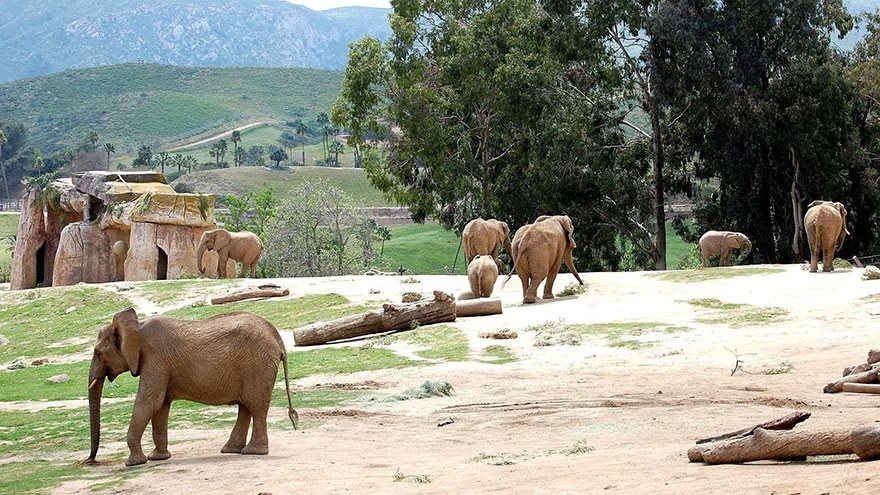
The Old Animal Park Is Now Safari Park
Camping at San Diego's Animal Park usually refers to the Roar & Snore sleepover at San Diego Zoo Safari Park in Escondido. Many people still use the older Wild Animal Park or Animal Park wording, but the current public name is San Diego Zoo Safari Park.
This is not bring-your-own-tent camping. It is a hosted overnight program inside the Safari Park, with organized activities, tent options, meals, and staff-led experiences. That makes planning different from a campground reservation.
Think sleepover safari, not self-service campground.
What Roar & Snore Includes
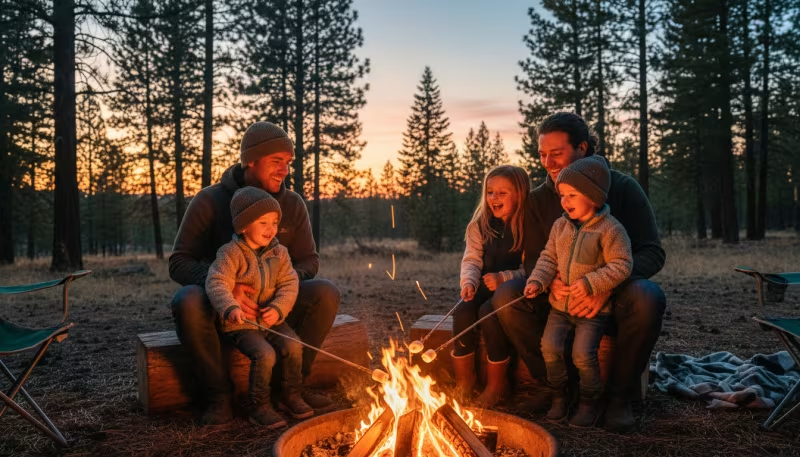
The official Safari Park page for Roar & Snore Safaris says sleepovers include camp activities, an after-hours look at wildlife, guided walks, s'mores around the campfire, dinner, an evening snack, and breakfast the next morning.
That bundled format is helpful for families because the basic evening and morning rhythm is already planned. It also means you should read the exact package details instead of assuming it works like a state park campsite.
If your California travel includes unusual destination stops, Livecub's Spiral Jetty guide is a useful reminder that special places often require specific logistics.
Sleepover Categories
Roar & Snore offers different sleepover categories, including all-ages and adults-only events depending on the calendar. The official All Ages Roar & Snore page describes family-friendly programming with guided night activities and morning wildlife presentations.
Choose the category carefully. A family with young children may need an all-ages event. A couple or group of friends may prefer an adults-only date. Some add-ons and tent types may vary by date or availability.
The right sleepover category matters more than the cutest tent photo.
Tent Choices
Safari Park sleepovers offer different tent options, often with more basic or more upgraded setups. Read what bedding is included, what the tent sleeps, how far it is from restrooms, and what happens in colder or rainy weather.
Visit California's page on Roar & Snore describes safari-style tents near animal-viewing areas. That is part of the appeal, but comfort still depends on choosing the right package for your group.
Book Early for Popular Dates
Sleepover dates can be limited, and school breaks, weekends, birthdays, and holiday periods may book quickly. If the program is a central part of the trip, check dates before buying flights or building the rest of the itinerary.
Read cancellation, rescheduling, admission, and membership rules. Some program prices may not include regular park admission, and rules can change by event type. Verify current details before paying.
The booking page is part of the packing list.
Who Will Enjoy It Most
This experience suits people who like wildlife, guided programming, and an overnight with built-in activities. It may not suit someone who wants solitude, a camp stove, a wilderness feel, or a completely flexible schedule.
Children who love animals may be thrilled, but they still need to handle group instructions, walking, bedtime away from home, and nighttime sounds. Adults should plan for excitement and fatigue at the same time.
What to Pack
Pack layers, comfortable walking shoes, toiletries, any required medications, a small flashlight or headlamp if allowed, phone charger, and sleep items the program recommends. Check the official packing instructions for your date.
Do not bring campground gear unless the program requests it. Large coolers, cooking gear, extra furniture, and bulky bags may be more trouble than help in a hosted sleepover.
For walking-heavy travel days, Livecub's walking sticks adjustment guide can help if someone in your group uses poles outside the park setting.
Meals and Dietary Needs
Because dinner, snack, and breakfast may be included, check menus and dietary accommodation rules before booking. Do not wait until arrival to mention allergies or serious restrictions.
Bring allowed backup snacks if your group needs them, especially for children. Follow the park's food rules and keep wildlife safety in mind. This is not a place to leave snacks loose around a tent.
Nighttime Wildlife and Noise
Part of the appeal is being in the park after normal hours. That can include animal sounds, staff movement, group noise, and the unfamiliar feeling of sleeping near wildlife habitats.
Light sleepers may want earplugs. Children may need a calm explanation before bed: sounds are part of the experience, and staff are nearby. Do not promise a silent night.
The night is part of the safari.
Photography and Phones
Bring a phone or camera, but check program rules about flash, restricted areas, and when photography is allowed. Night activities may have limits to protect animals and keep the group moving.
Charge devices before arrival. Also decide when to put the phone away. Watching your child hear animals after dark may be better than filming every second.
Pair It With a San Diego Trip
The Safari Park is in Escondido, not downtown San Diego. Plan drive time, traffic, parking, and the next morning carefully. Do not stack a late-night sleepover with an early beach or airport plan unless your group handles fatigue well.
If your wider trip includes scenic stops and wildlife viewing elsewhere, Livecub's North Conway moose guide is a different example of planning wildlife experiences with patience and timing.
Budget Questions
Compare the full cost: sleepover ticket, required admission, parking, add-ons, photos, souvenirs, meals not included, and hotel nights before or after. A sleepover may replace one hotel night, but it is still a special experience purchase.
If the budget is tight, choose the basic tent category and skip add-ons. The core value is being in the park after hours, not buying every upgrade.
Arrival and Check-In
Plan to arrive with enough time for parking, walking, check-in, bathroom stops, and child transitions. A sleepover is much easier when nobody is sprinting from the car with loose bags and an anxious child.
Read the arrival instructions before the day of the event. Hosted programs often have specific meeting points, timing, and late-arrival rules. If you are stuck in traffic, call the program number rather than guessing where to go.
The overnight starts at check-in, not when the tent lights go out.
Restrooms, Showers, and Comfort
Check what restroom and shower access is included with your tent type. Some guests care deeply about this, especially families with young children or travelers who have a full park day afterward.
Pack sleep clothes and morning clothes separately so the tent does not become a pile of bags. A small flashlight, warm layer, and easy shoes can make nighttime bathroom walks less stressful.
Bedtime With Children
Children may be excited, overtired, or nervous when it is time to sleep. Keep bedtime expectations realistic. Bring a familiar small comfort item if allowed, and explain that animal sounds and group noises are part of the night.
If your child needs a strict sleep routine, choose the event carefully. The experience may be memorable, but it is still a shared overnight with other guests.
Excited children do not become rested children on command.
Adults-Only and Special Events
The Safari Park also lists adults-only Roar & Snore options on some dates. These can work for couples, friends, or travelers who want the overnight without a family-program atmosphere.
Check the age category before booking. The wrong event type can change the entire feel of the night. Adults-only does not always mean quieter, but it usually means different programming and expectations.
Weather and Seasonal Comfort
Escondido can feel warm during the day and cooler at night. Winter and shoulder-season events may have different tent options or comfort recommendations. Pack layers even if San Diego sounds mild.
Rain, wind, or unusual temperatures can affect the program. Ask how the Safari Park handles weather changes and what guests should bring for the season.
Accessibility and Special Needs
Contact the Safari Park before booking if someone in your group has mobility needs, sensory sensitivities, dietary restrictions, medical equipment, or anxiety around group sleeping. The staff can explain what is realistic for the program.
Do not wait until arrival to ask about distance, terrain, bathrooms, tent access, or food. Early questions help families choose the right date and tent category.
Frequently Asked Questions
Can you camp at San Diego Zoo Safari Park?
Yes, through the Roar & Snore sleepover program, not through regular self-service camping.
Is Roar & Snore good for kids?
All-ages events are designed for families, but children should be ready for group activities, walking, and sleeping away from home.
Do I bring my own tent?
No. The program uses Safari Park tent options. Check your package for bedding and comfort details.
Are meals included?
The main Roar & Snore page says sleepovers include dinner, an evening snack, and breakfast, but always confirm current package details.

Chiara Bradshaw
Covers education, culture and creative topics with an emphasis on readable explanations and verifiable references.

Leave a reply
Replying to