
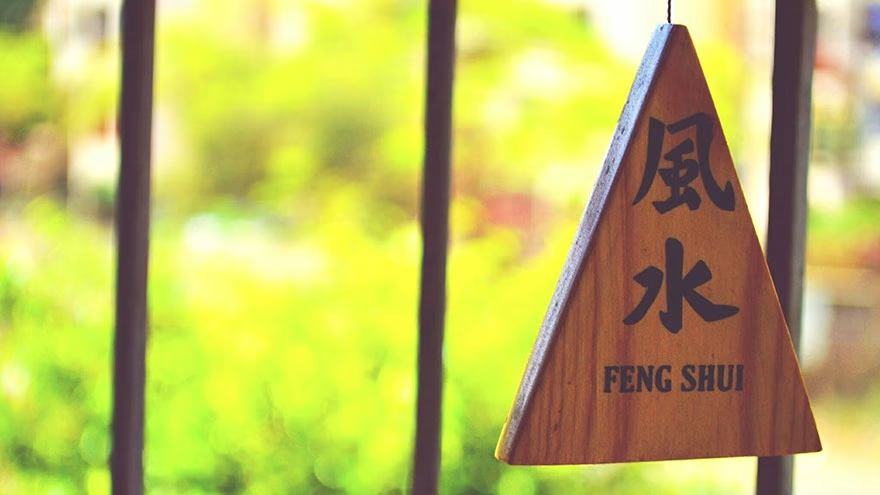
Feng Shui Cures are better understood as home adjustments that may make a room feel calmer, clearer, or easier to use. They should not be presented as medical treatment.
This article treats feng shui as a cultural design practice and personal ritual, not a proven cure for illness, money problems, depression, or relationship conflict.
Define The Practice
National Geographic describes feng shui as an ancient Chinese art of arranging buildings, objects, and space to achieve harmony and balance. See its feng shui overview.
Modern home use often turns that tradition into practical choices about clutter, light, furniture placement, color, and daily routines.
Cure Is A Loaded Word
The word cure can be misleading. Moving a chair, mirror, plant, or lamp should not be treated as medical care or a guaranteed life fix.
A more grounded phrase is adjustment. An adjustment can make a space easier to use, and that can support daily life.
Clear The Entry
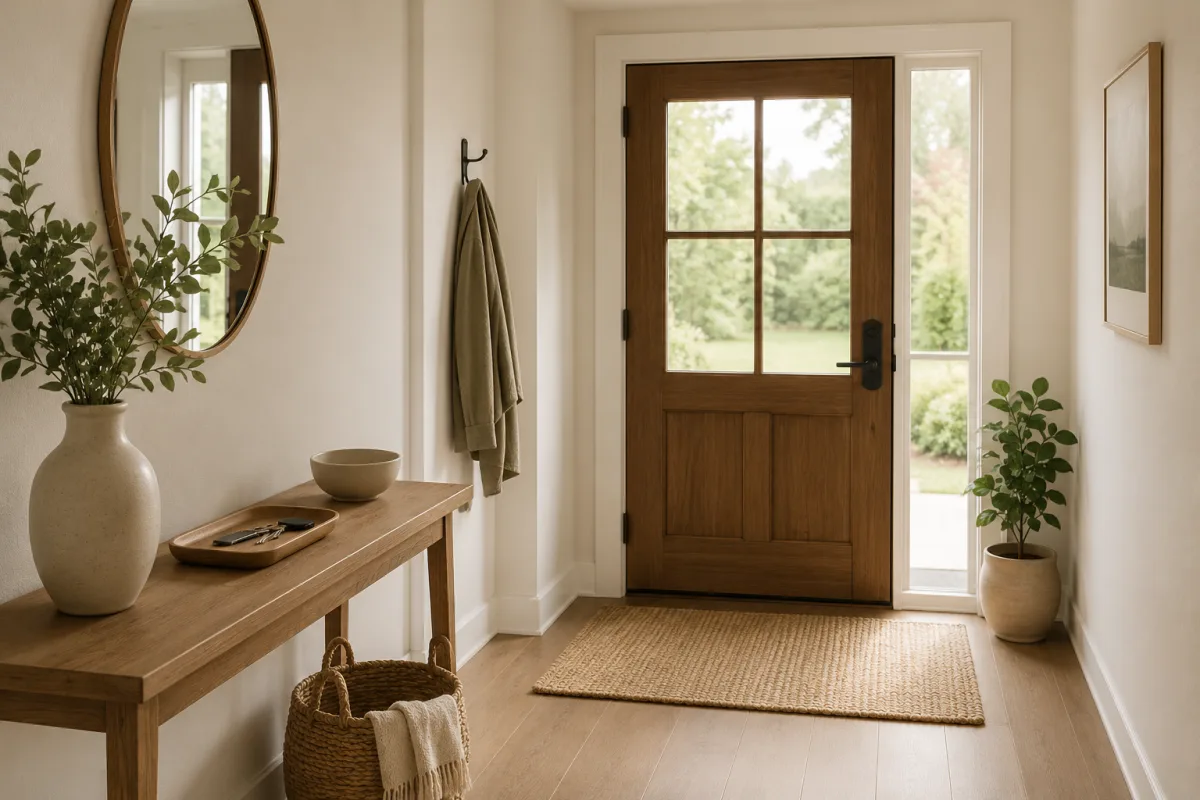
Many feng shui approaches begin with the entry because it shapes the first feeling of home. Remove tripping hazards, sort shoes, fix lighting, and make keys easy to find.
This is not magic. A clear entry reduces friction when leaving or returning home.
Command Position
The command position usually means placing a bed, desk, or sofa so the person can see the door without being directly in line with it. Some people find this more settled.
If room shape does not allow it, do not force an awkward layout. Comfort and safety come first.
Declutter Gently
APA's podcast on clutter discusses research linking cluttered spaces with stress and anxiety. See APA's clutter and stress discussion.
Decluttering should be small enough to finish: one drawer, one surface, one bag. Huge cleanouts can create more stress.
Light And Air
Open curtains, replace dim bulbs, and let fresh air in when weather and safety allow. Light and air can change how a room feels quickly.
If allergies, smoke, heat, or outdoor air quality are concerns, choose safer ventilation and filtration options.
Bedroom Calm
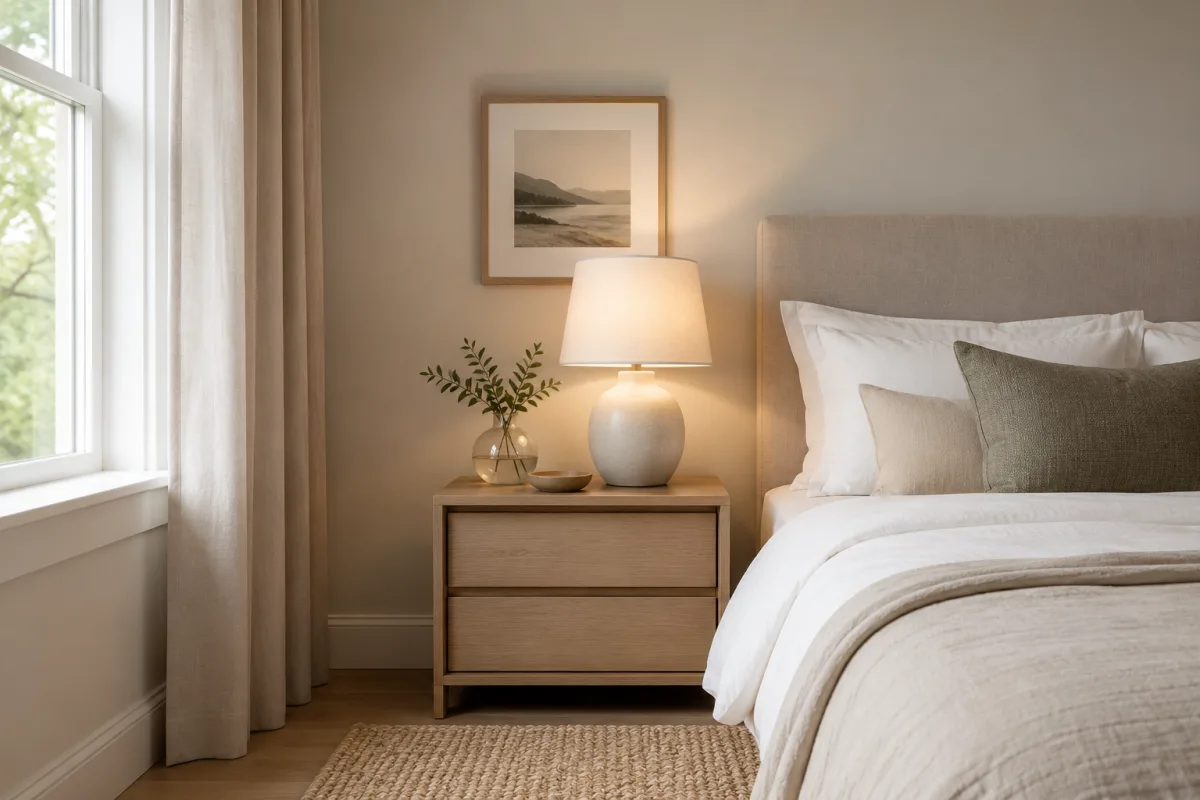
For a bedroom, reduce work clutter, harsh light, and piles near the bed. Keep walkways clear and choose storage that makes bedtime easier.
Do not treat bedroom rules as strict superstition. The test is whether sleep and comfort improve.
Desk Setup
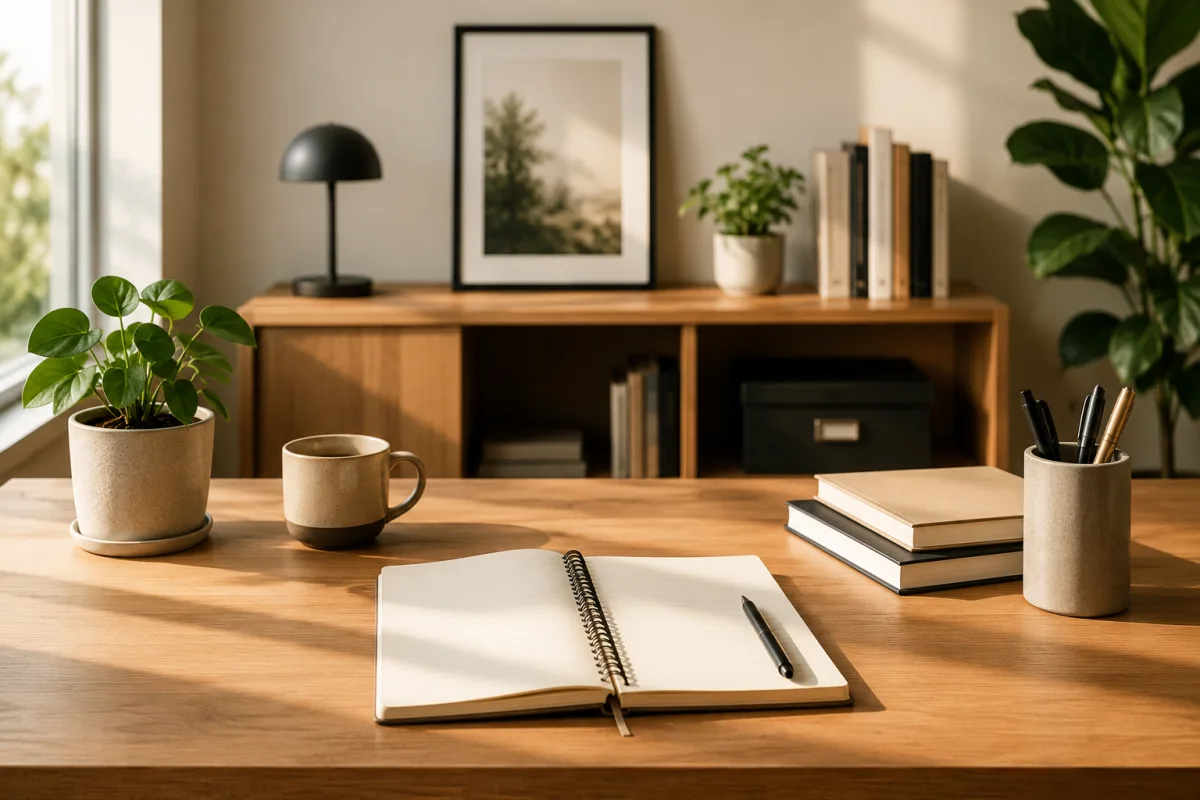
At a desk, place the most-used items within reach, reduce cable clutter, and keep one clear writing or keyboard area.
If your desk is tied to performance anxiety, Livecub's stage fright guide may help with the mental side of being seen or evaluated.
Kitchen And Food
A kitchen adjustment might be as simple as clearing the counter where food is prepared, making water visible, or moving snacks that trigger mindless eating.
Livecub's food journal guide can help connect environment and eating patterns.
Plants And Objects
Plants, art, bowls, mirrors, or stones can act as reminders of care and attention. Choose items that are safe, easy to clean, and not toxic to pets or children.
Do not buy expensive objects because someone promises they will fix your life.
Stress Support
CDC recommends stress coping steps such as breathing, stretching, journaling, time outdoors, and relaxing activities. See CDC's stress coping guidance.
A room adjustment can support those habits by making the chair, notebook, mat, or walking shoes easier to use.
Respect Culture
Feng shui has cultural and historical roots. If using it casually, be respectful and avoid making exaggerated claims about fortune, health, or other people's choices.
You can appreciate a practice while staying honest about what a home change can and cannot do.
Mental Health Limits
If clutter, fear, compulsive arranging, or distress around objects becomes intense, consider mental health support. A room cannot replace care for anxiety, depression, grief, or trauma.
Livecub's stage fright guide and selective mutism article are different topics, but they show why distress sometimes needs more than self-help.
Small Space Adjustments
In a small apartment, start with pathways, light, and storage rather than buying decor. A clear walkway can change daily stress faster than a new object.
If items have nowhere to go, add one practical container before adding anything decorative.
Shared Homes
In shared homes, do not move other people's things in the name of feng shui. Ask first and focus on your own desk, bed, shelf, or entry basket.
Respect matters more than perfect placement.
Cost Limits
Set a budget of zero first. Move what you own, clean one surface, adjust light, or remove a broken item before shopping.
A paid cure that creates debt, conflict, or clutter defeats the purpose.
One-Room Reset
Pick one room and ask what the room is supposed to support: sleep, cooking, conversation, work, or rest. Remove what fights that purpose first.
A room does not need to look styled to work well. Function is the first adjustment.
Sound
Sound changes how a space feels. A soft rug, curtain, felt pads, or closing a gap under a door can reduce harsh noise.
If quiet is not possible, choose a steady sound such as a fan or low music rather than letting every small noise control your attention.
Scent
Scent should be used carefully. Fresh air and clean trash bins often help more than candles, incense, or room sprays.
Avoid strong scents if anyone has asthma, migraine, pregnancy nausea, allergies, or sensory sensitivity.
Meaningful Objects
Keep a few objects that remind you of values, people, or places you want near you. Too many objects can make meaning harder to notice.
The best object is one you can care for and see clearly, not one bought from fear.
Broken Items
Broken bulbs, stuck drawers, dead plants, and half-finished piles can create daily friction. Fix, replace, donate, or remove one item at a time.
This is a practical cure: it stops the same small annoyance from repeating every day.
Routine Corner
Create one small routine corner for journaling, stretching, prayer, tea, or reading. Keep only the items needed for that routine there.
A visible cue makes a healthy habit easier to start when willpower is low.
Doorways And Flow
A practical feng shui adjustment is keeping doors able to open fully. Boxes, shoes, and furniture behind doors create friction and can be unsafe.
Clear doorways also make cleaning, emergency exits, and daily movement easier.
Mirrors
Mirrors can brighten a room or create visual noise. Place them where they help light, checking clothes, or opening a narrow space.
If a mirror makes sleep, body image, or anxiety worse, move it. Your response matters more than a rule.
Color
Color can cue energy or rest. Soft colors may help a bedroom feel quiet, while brighter accents may suit work or activity spaces.
Paint is not required. A blanket, pillow, notebook, or lamp can change color without major spending.
Repair And Maintenance
Maintenance is part of the environment. A squeaky hinge, loose handle, or broken drawer can add tiny irritation every day.
Fixing one small problem can make a room feel more cared for than adding another decorative item.
Seasonal Reset
A seasonal reset asks what the room needs now: warmer bedding, clearer entry storage, more light, fewer papers, or a place for school bags.
This keeps the home responsive to real life instead of frozen around one old layout.
Start With Safety
A safer home is a calmer home. Remove cords from walkways, stabilize rugs, keep exits clear, and avoid placing heavy objects where they can fall.
No design rule should override basic safety.
Use What You Notice
After an adjustment, notice what changes in daily behavior. Do you sleep sooner, find keys faster, cook more easily, or avoid the room less?
That practical feedback is more useful than following a rule you do not feel.
Frequently Asked Questions
Do feng shui cures really cure problems?
They should not be treated as medical or financial cures. Think of them as home adjustments or rituals.
What is an easy feng shui adjustment?
Clear the entry, improve lighting, create a clear desk area, or remove one source of daily friction.
Can feng shui help stress?
A calmer room may support stress habits, but it does not replace mental health care.
Do I need to buy special objects?
No. Start with light, clutter, furniture placement, safety, and items you already own.
Is feng shui scientific?
Feng shui is a cultural design practice. Some practical parts overlap with comfort, safety, and organization.
Feng shui cures are safest when treated as respectful home adjustments. Use them to reduce friction and support habits, not to promise life fixes.

Chiara Bradshaw
Covers education, culture and creative topics with an emphasis on readable explanations and verifiable references.


Leave a reply
Replying to