
Finger Lakes ATV Trails Usually Means Missouri
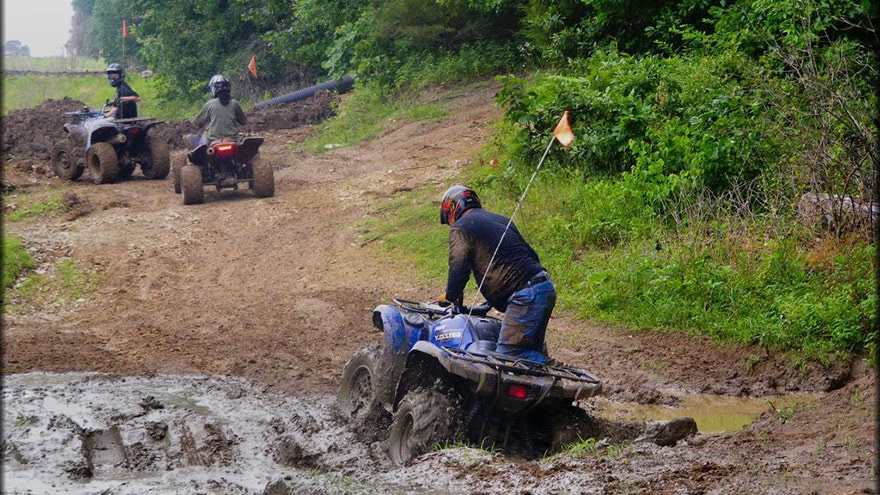
Finger Lakes ATV Trails can sound like New York's Finger Lakes region, but ATV riders are often talking about Finger Lakes State Park in Missouri. The park is known for off-road riding, old coal-mining terrain, mud, lakes, and a trail system built for ATVs and off-road motorcycles.
That distinction matters. If you search the wrong state, you will get the wrong rules, distance, permits, and lodging plan.
Start by confirming the park and state. A good trail day begins with the right map.
Check Missouri State Parks Before You Go
The official Finger Lakes State Park page should be your first stop for current park information, hours, alerts, amenities, and contact details. Conditions and policies can change.
Do not rely only on old forum posts or social media clips. Mud, closures, maintenance, weather, and events can affect the ride.
For another destination where route details matter, Livecub's How to Visit the Spiral Jetty on Utah's Great Salt Lake shows why remote-feeling trips need current practical checks.
Know the Trail Style
Finger Lakes riding can involve dirt, mud, ruts, water, uneven surfaces, and open areas. That variety is part of the appeal, but it also means riders need to match routes to skill, vehicle, and comfort level.
Beginners should start conservatively, learn the staging area, and avoid following advanced riders into terrain they cannot handle. A stuck ATV can turn a fun day into a long recovery problem.
Mud is not just messy; it changes the ride. Traction, braking, steering, and visibility can all change fast.
Understand Permits, Rules, and Equipment
Missouri State Parks' off-road vehicle riding information is the right place to check park-level expectations. Riders should also review registration, age, helmet, and equipment rules that apply to their vehicle and situation.
Bring the required documents, payment method, helmet, eye protection, gloves, boots, and any safety gear required for the rider's age and vehicle type.
Rules are part of the trail plan. Finding out at the gate is a poor way to start the day.
Prepare for Mud and Recovery
Pack for the ride you might have, not only the ride you hope for. Recovery strap, basic tools, tire plug kit, air source, water, snacks, spare clothes, towels, and trash bags can make the trip easier.
Do not ride alone into difficult sections if you are new to the park. A second rider can help with spotting, recovery, and decision-making.
For gear-adjustment thinking outside ATV riding, Livecub's How to Adjust Walking Sticks has the same core lesson: setup matters before the terrain gets hard.
Ride Within Your Skill Level
ATV confidence can grow faster than judgment. Ride slowly through unfamiliar sections, scan ahead, and leave space between vehicles. Dust, mud spray, and blind rises can hide problems.
Do not let a group pressure you into a hill, rut, water crossing, or speed that feels wrong. A good group waits, spots, and lets people choose easier lines.
The best trail stories do not require a crash.
Plan Around Weather
Rain can make the park more challenging. Heat can make protective gear uncomfortable. Cold can turn wet clothes into a problem. Check weather and bring layers that can get dirty.
The Missouri Department of Revenue's ATV information can help riders understand state vehicle context, but park rules and current conditions still need to be checked directly.
For travel days built around outdoor conditions, Livecub's Waterfalls on Skyline Drive in Virginia is a useful comparison because weather changes the experience, not just the photos.
Set Up the Staging Area Carefully
Before riding, decide where keys, phones, dry clothes, tools, and food will stay. Keep the tow vehicle organized enough that you can find recovery gear quickly.
Check fuel, tire pressure, controls, brakes, lights if required, and any loose cargo before entering the trail system. A problem found at the staging area is easier than a problem found in mud.
The ride starts before the engine does. A calm setup reduces mistakes later.
Ride With a Group Plan
If you are with other riders, agree on pace, turnaround time, regroup points, and what to do if someone gets stuck or separated. Do not assume everyone has the same skill or risk tolerance.
Keep newer riders near someone patient. The fastest rider should not be the only person making route decisions.
A good group makes the trail easier, not louder.
Think About Cleanup Before the Ride
Finger Lakes can mean mud, and mud has to go somewhere after the ride. Bring bags for dirty gear, towels, a change of shoes, and a plan for washing the vehicle where allowed.
Do not leave mud, trash, broken parts, or oil behind. The end of the ride is still part of trail etiquette.
Match the Machine to the Trail
Not every ATV, side-by-side, dirt bike, or rider belongs on every section. Tire choice, ground clearance, rider experience, and vehicle width can affect what lines make sense.
If you borrowed or rented equipment, learn the controls before entering busy areas. Know how the brakes feel, how reverse works, where the kill switch is, and how the vehicle behaves at low speed.
Control at low speed matters most. Many bad moments start when riders try to solve uncertainty with throttle.
Make a Basic Emergency Plan
Cell service may not be reliable in every spot. Tell someone where you are riding, carry basic first-aid supplies, and know the park contact information before the ride begins.
Groups should agree on what to do if a rider is injured, a vehicle breaks down, or weather changes quickly. The plan does not have to be complicated; it just has to exist.
Prepared riders can stay calmer when something breaks.
Leave Room for Non-Riders
If friends or family are not riding, check what they can do safely while the group is on the trails. Do not assume everyone wants to stand in a muddy staging area for hours.
A better travel day might include a shorter ride, food plan, lake time where allowed, or a second stop nearby after cleanup.
Do a Final Walkaround Before Loading
At the end of the day, inspect the machine before loading it. Look for loose parts, low tires, leaking fluids, bent pieces, or packed mud near moving parts.
Check straps twice before driving home. A tired rider can make careless loading mistakes, especially after hours of noise, mud, and sun.
The trip is not finished until the vehicle is secured.
Take photos of damage before leaving if the machine is rented or shared. Clear records prevent arguments later.
Also check that mud is not covering lights, plate areas, or tie-down points. The drive home should be treated with the same care as the ride.
A clean loading routine is boring in the moment, but it prevents expensive mistakes afterward on tired travel days.
Respect Other Riders and the Park
Keep speed under control near staging areas, families, and slower riders. Stay on designated routes, avoid damaging closed areas, pack out trash, and keep noise reasonable where rules require it.
ATV access depends on riders treating the place well. One careless group can make the day worse for everyone else.
Trail etiquette protects trail access. It is not only about being polite.
Make It a Better Travel Day
Bring dry clothes, shoes for after the ride, food, water, and a plan for cleaning up. Check lodging or camping rules if you are staying nearby. Keep enough energy for the drive home.
For another travel guide where clustering stops helps, Livecub's Things to See Around Laughlin, Nevada shows why the ride should fit into the full day, not consume it blindly.
Finger Lakes ATV trails can be a great off-road day when the planning is as serious as the fun: current rules, suitable gear, honest skill, weather awareness, and respect for the park.
Frequently Asked Questions
Where are Finger Lakes ATV trails?
They usually refer to Finger Lakes State Park in Missouri, not New York's Finger Lakes region.
Are the trails beginner-friendly?
Some areas may suit newer riders, but mud, ruts, and changing conditions require caution and honest skill judgment.
Do I need a permit or registration?
Check Missouri State Parks and Missouri vehicle rules before going. Requirements can vary by vehicle and rider situation.
What should I bring?
Bring safety gear, documents, water, snacks, tools, recovery basics, dry clothes, and a plan for mud.

Linda Fehrman
Edits general wellness and relationship explainers. Health material is educational, avoids diagnosis and links to health-authority guidance.



Leave a reply
Replying to